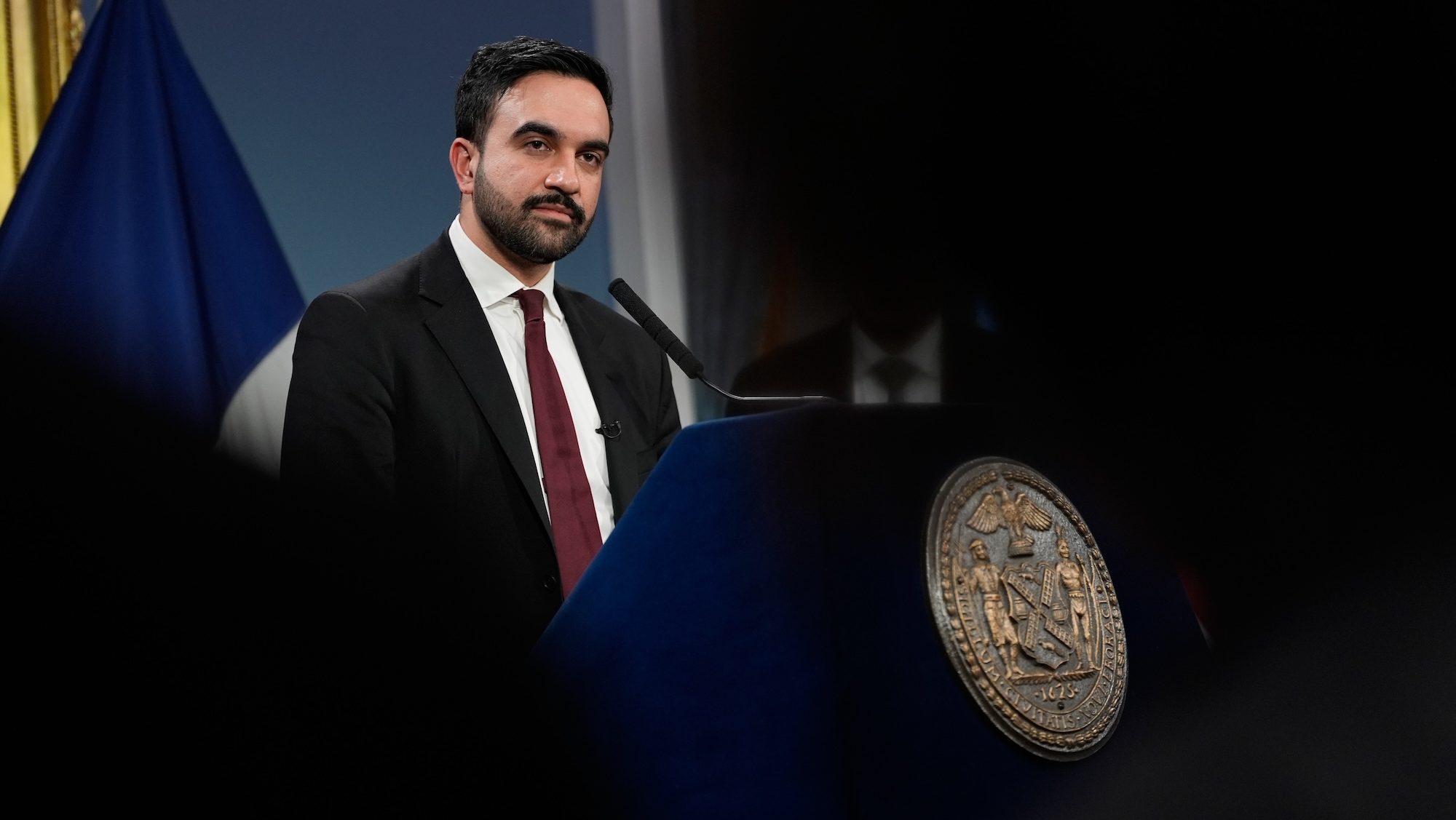


The mayor’s newly created ICE response team will be tasked with more than responding to raids — it will also ensure city agencies adhere to sanctuary laws, the Mayor’s Office of Immigrant Affairs commissioner, Faiza Ali, told City Council members at a hearing Monday.
Ali gave the first detailed look at the responsibilities of the new Interagency Response Committee, which was established in an executive order by Mayor Zohran Mamdani in February, during the City Council Immigration Committee’s oversight hearing on sanctuary policy.
Last week, reporting by Documented showed that experts were concerned about follow-up on the mayor’s executive order — a first step in his promise to Trump-proof the city to protect immigrant New Yorkers and their data from federal overreach.

“It is a fundamental function of the Interagency Response Committee to wait until we receive these reports and audits to better understand where the gaps still exist and what resources we need to be providing as a city to agencies to make sure that our sanctuary laws are being upheld,” Ali said.
As part of the executive order, MOIA will help head up the Interagency Response Committee, where they will bring immigrant voices to the table and also provide oversight on agencies when it comes to sanctuary policies — including audits of six city agencies to ensure they comply due by May 7, she said. Last week, the mayor’s office posted openings for three positions related to the council on the city jobs website.
The committee also will be tasked with preparing for and responding to “escalating federal immigration enforcement actions,” according to a City Hall release in February.
“Part of this committee is to help make those assessments, to help review the findings and recommendations that we believe are going to be enforceable,” said Ali.
“Sanctuary laws and policies — they’ve been on the books for a very long time, and they’re a very strong foundation. I think the difference between the previous administration and the current one is, how is the accountability mechanism,” she later added.
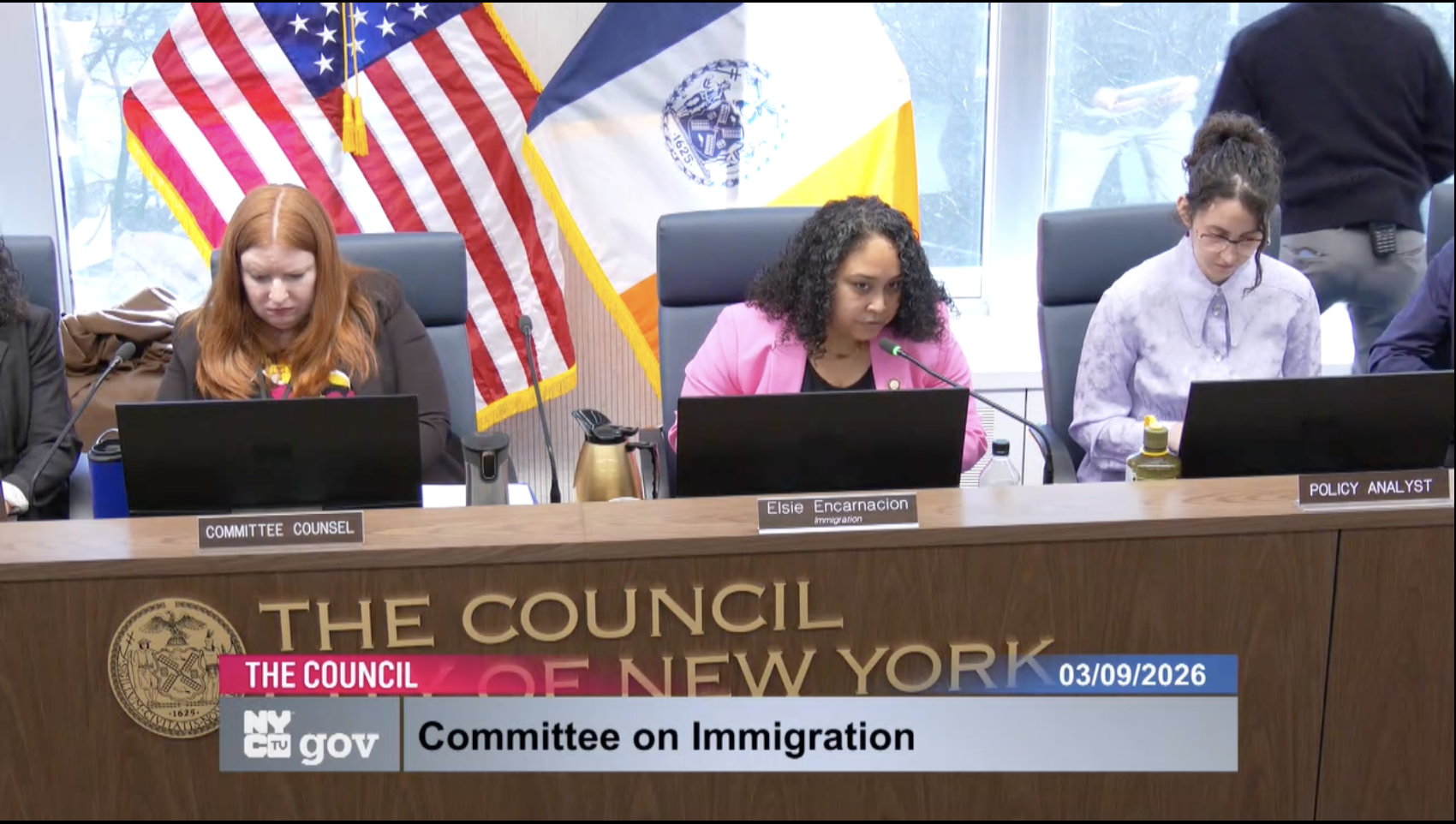
The statements — made in response to multiple questions by Chair Elsie Encarnación and other council members — are the latest look into how Mamdani plans to enforce Executive Order 13, which reaffirmed the city’s sanctuary policies and was a first step in his promise to protect New York’s immigrants from federal immigration forces. When asked for further information on MOIA’s role in such accountability, the agency would not provide more detail beyond the text of the executive order.
Multiple experts told Documented last week that in order to truly make New York City safe for immigrant New Yorkers, the city would need further accountability measures to stop the leakage of immigrants’ personal information into federal hands, including closing law enforcement loopholes, limiting the amount of data the city holds, and establishing mechanisms for the enforcement of such policies on both an individual and agency level.
Testimony at Monday’s hearing — which stretched on for three and a half hours — highlighted many of the same concerns about collaboration between law enforcement agencies and ICE. Community members also spoke to the impact fear of immigration enforcement has had on immigrant New Yorkers’ ability to trust city agencies they rely on.
Just one of the many examples — from avoiding healthcare to reporting crimes — focused on schools:

你知道吗?非公民办理驾照时的这个错误可能会导致选民欺诈
“Many students are afraid to attend school because they and their families are afraid of being detained, separated from loved ones or deported. Many families have been forced to move between shelters and have had their lives disrupted,” said Eduardo Antonetti, of Internationals Network, a nonprofit which supports immigrants in New York public schools. “Teachers and school social workers report that students who make it to school often break down in tears, unable to concentrate and focus on learning, putting their graduation and future plans at risk.”
Monday’s meeting was the immigration committee’s first since the election of Mamdani. Committee members and the public discussed oversight of the city’s sanctuary policies, as well as multiple new laws proposed to further protect immigrant New Yorkers.
MOIA’s new commissioner was the only government figure to testify at the meeting.