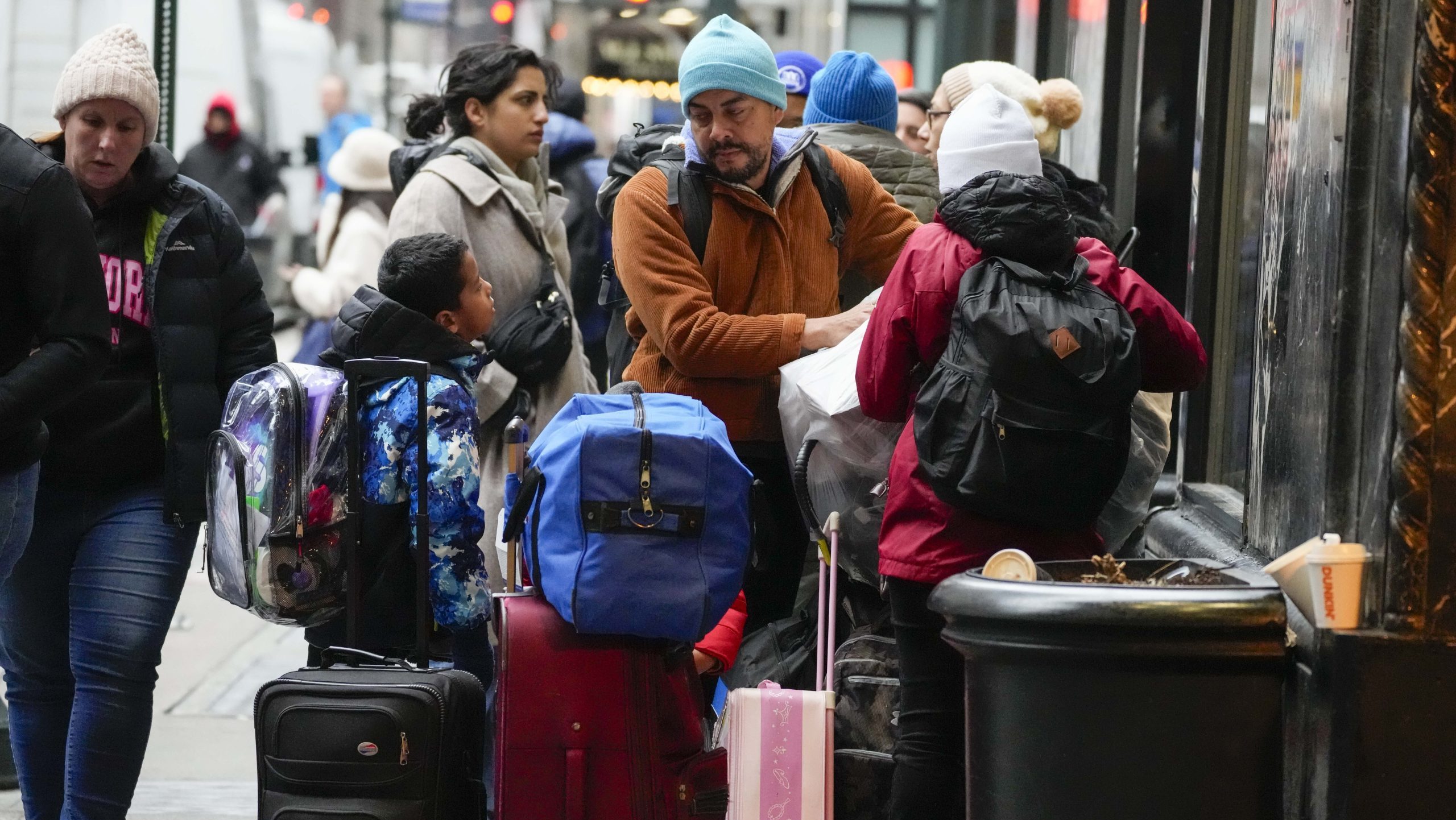


F.R., an asylum seeker from Venezuela, had been counting down the days until she could apply for an Employment Authorization Document (EAD), commonly known as a work permit. Having a work permit would have allowed her to find a job and leave the shelter in Manhattan where she has been staying with her wife since October.
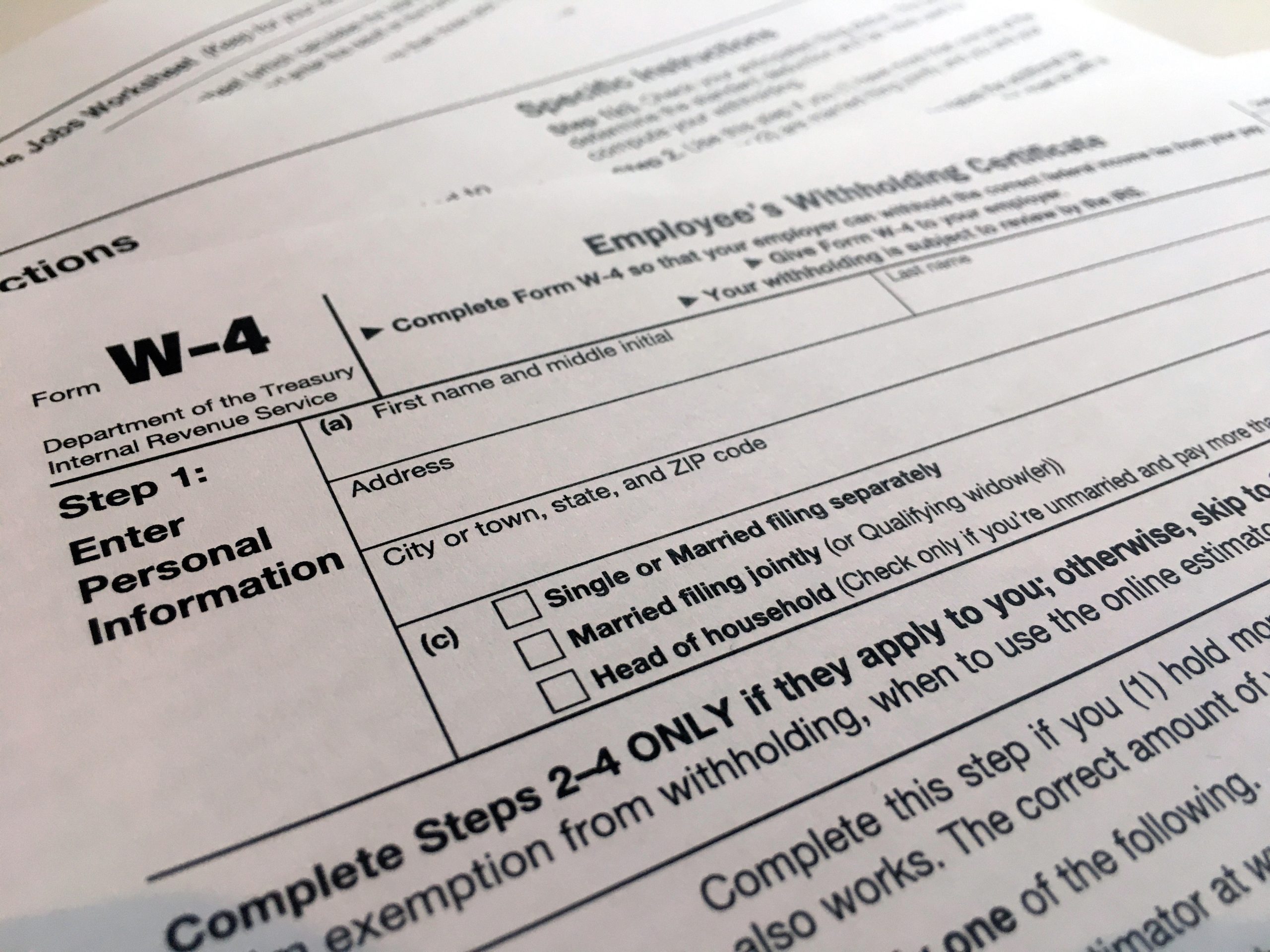
However, what was supposed to bring her joy, instead, has brought her anxiety. Trump’s One Big Beautiful Bill Act (OBBBA) that passed last July, introduced steep fees for filing an initial work permit, moving away from decades of precedent that waived the fees for asylum seekers like F.R. to charging $560 for an initial work permit — a fee that cannot be waived.
Unable to work legally without a permit, she feels stuck: “Everything has changed. It feels like being trapped between a sword and a wall,” the 36-year-old said. “We feel like our hands are tied because we don’t get any benefits, no coupons, nothing like that. We don’t receive anything here, absolutely nothing.”

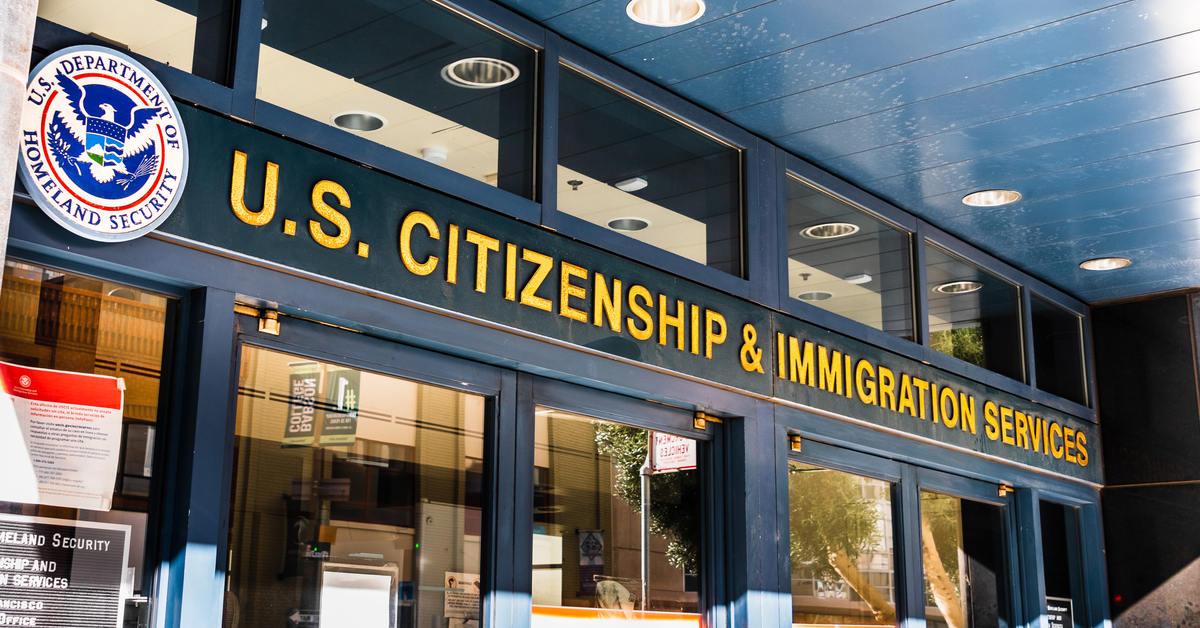
Trump’s OBBBA raised immigration fees for several applications and procedures, among them a new $100 fee for asylum petitions and the $560 fee for first-time work permit applications. Administration officials say the change — which is part of its sweeping overhaul of the nation’s immigration system — is meant to limit access to legal pathways that they claim have been abused and have led to backlogs in immigration court.
But immigrants like F.R. describe a Catch-22, where they cannot legally work in the United States without the permit, but can’t pay the fees without a job. Advocates assisting asylum seekers in New York City told Documented the fees have become a deciding factor in whether some families can remain in the U.S., rather than the merits of their claims.
F.R. and her partner, T.F., both of whom requested that Documented use their initials due to privacy concerns, identify as members of the LGBTQ+ community and said they left Venezuela in late 2024, where they faced homophobia and harassment. The year-long-journey to the United States was not easy, T.F. said, adding they had to traverse through the treacherous Darien Gap, a 66-mile long jungle land bridge between Colombia and Panama that has become a migration route for millions of migrants going north. During that leg of their trek, T.F. said they witnessed drownings and the deaths of children.
Beyond the difficult trip of crossing over dozens of countries, the couple endured an attempted rape in Guatemala and say they were victims of a kidnapping in Mexico.
“It was a very tough process. That’s why I am telling you, because people haven’t lived all those experiences, all those realities,” T.F. said. “It’s been like a short novel that brings you joy, tears, sacrifice, and pain. You are seeing a lot of people die next to you and you are not able to do anything.”
It was not until late December of 2024 that they felt relief when they got a notification that their CBP One appointment had been scheduled for Jan. 18, 2025 — three days before president Trump took power for the second time. “We entered legally because at the time that was the law,” T.F. said of Biden’s CBP One App program that permitted people to make appointments at U.S. ports of entry.
Although they were paroled into the United States before the OBBBA passed, their asylum petition was submitted after the new changes took effect.
“I’ve been extremely anxious … although at that time we did not have to worry about this, because we were told that work permits for asylum applications were free,” F.R. said. “But now that everything has changed, it feels like being trapped.”
Power Malú, founder of ROCC NYC, a non-profit assisting migrants and asylum seekers by connecting them to resources and legal assistance, said that they are serving approximately 300 asylum seekers every week.
“We are on the front lines, so anytime this regime decides to implement a change in policy to further harm immigrants we notice the impact immediately and get to work,” Malú said. “Our volunteers have been going into their own pockets to help pay for these fees and now the number of people needing this assistance has grown drastically. People are being forced to pay hundreds and sometimes thousands of dollars to cover critical immigration filings and appeal fees.”
Malú added that the demand has led ROCC NYC to create a new Emergency Legal Access Fund to assist migrants with filings and pursue appeals. “For many families, these administrative costs — not the merits of their cases — determine whether they will remain safely in the United States or face detention and possible deportation.”
Also Read: Asylum Seekers Navigate Immigration Courts Alone as Promised Legal Aid Falls Short
Other organizations have also brought up the impact it could have on asylum seekers. In a federal lawsuit, Asylum Seeker Advocacy Project (ASAP) challenged the U.S. Citizenship and Immigration Services (USCIS) and Executive Office of Immigration Review (EOIR) alleging that the decision-making behind the fees was arbitrary and capricious, and that it could cause asylum seekers to be denied asylum and deported due to failure to pay the fees.
F.R. — who has been actively searching for assistance to pay the EAD since mid February, including visiting non-profits near their shelter in Midtown — said the pressure has increased since she heard of a proposed rule change that could more than double her wait to apply for a work permit. Under current asylum law, immigrants can apply for a work permit 150 days after submitting their asylum petition and receive their permit after 180 days. However, a new proposed rule — announced on Feb. 23 — would extend “the waiting period to apply for employment authorization to 365 days.”
F.R. and T.F. said they don’t want to run the risk of waiting even longer, should the proposed rule pass after the required commenting period.
“Once you get the work permit, you can at least find a new sort of housing because here you do not have any privacy,” F.R. said during a phone call, crying as the sound of people yelling could be heard in the background. “It’s very difficult here, there are many problems, there are many fights here and it’s been very hard.”
你知道吗?非公民办理驾照时的这个错误可能会导致选民欺诈
T.F. said that while she is grateful for the shelter, which is also one of the only places where she can get Wi-Fi to make phone calls and follow up with outside help, the circumstances of being unable to work, compounded by the conditions in the shelter, have impacted them emotionally, physically and mentally.
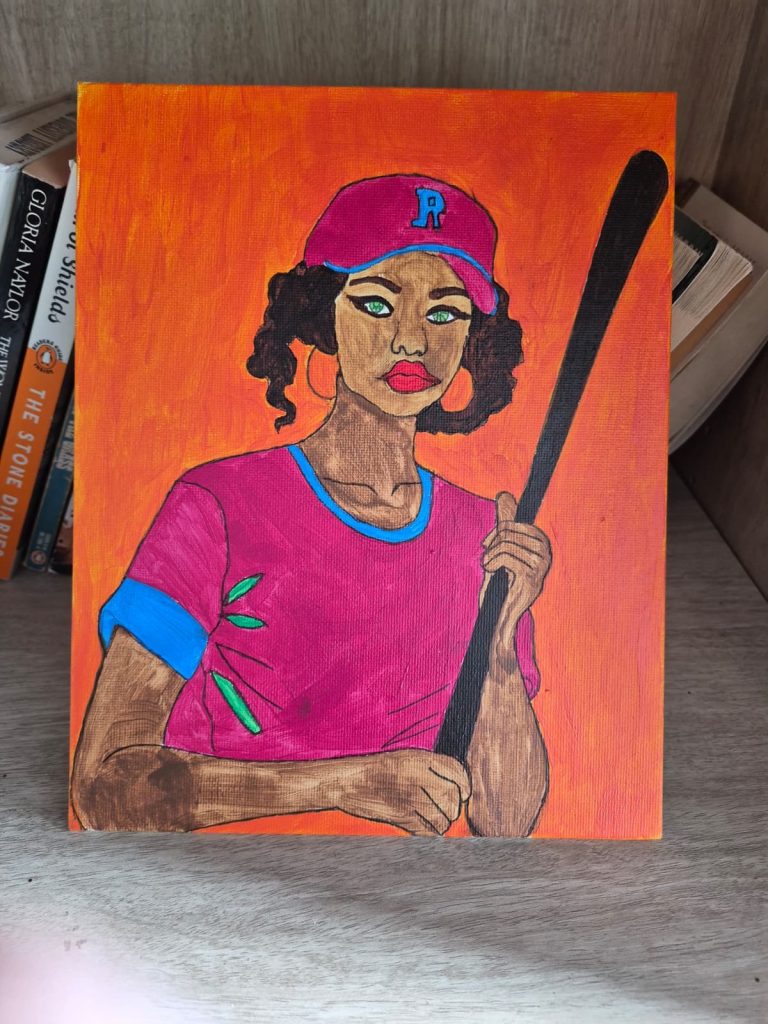

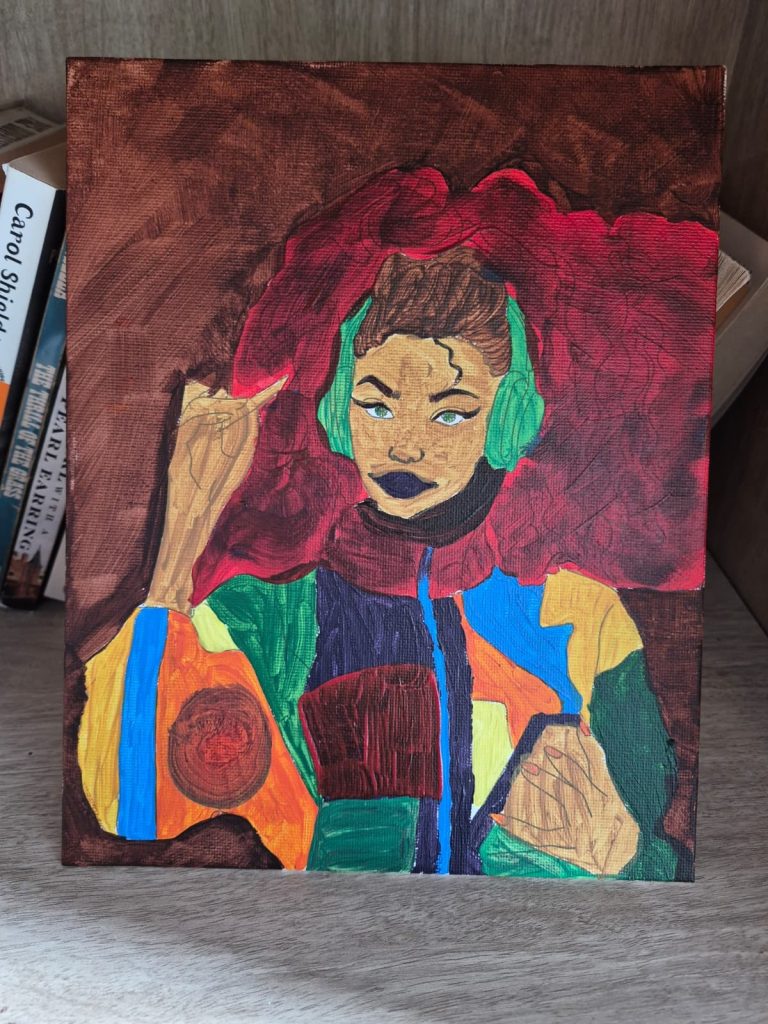

“We paint [art] for two, three hours, even four. That’s the only thing we have here to distract ourselves,” T.F. said. “I’ve never suffered from as much depression as I have here in this country, I’ve never been so psychologically ill here. Plus the journey we’ve had to get here.”