

Ahmad, an Afghan immigrant and father who has lived in New York City for more than a year, had been growing increasingly paranoid that ICE would detain him or his brother. While grocery shopping, he would find himself looking over his shoulder — scanning the aisles for any sign of officers.
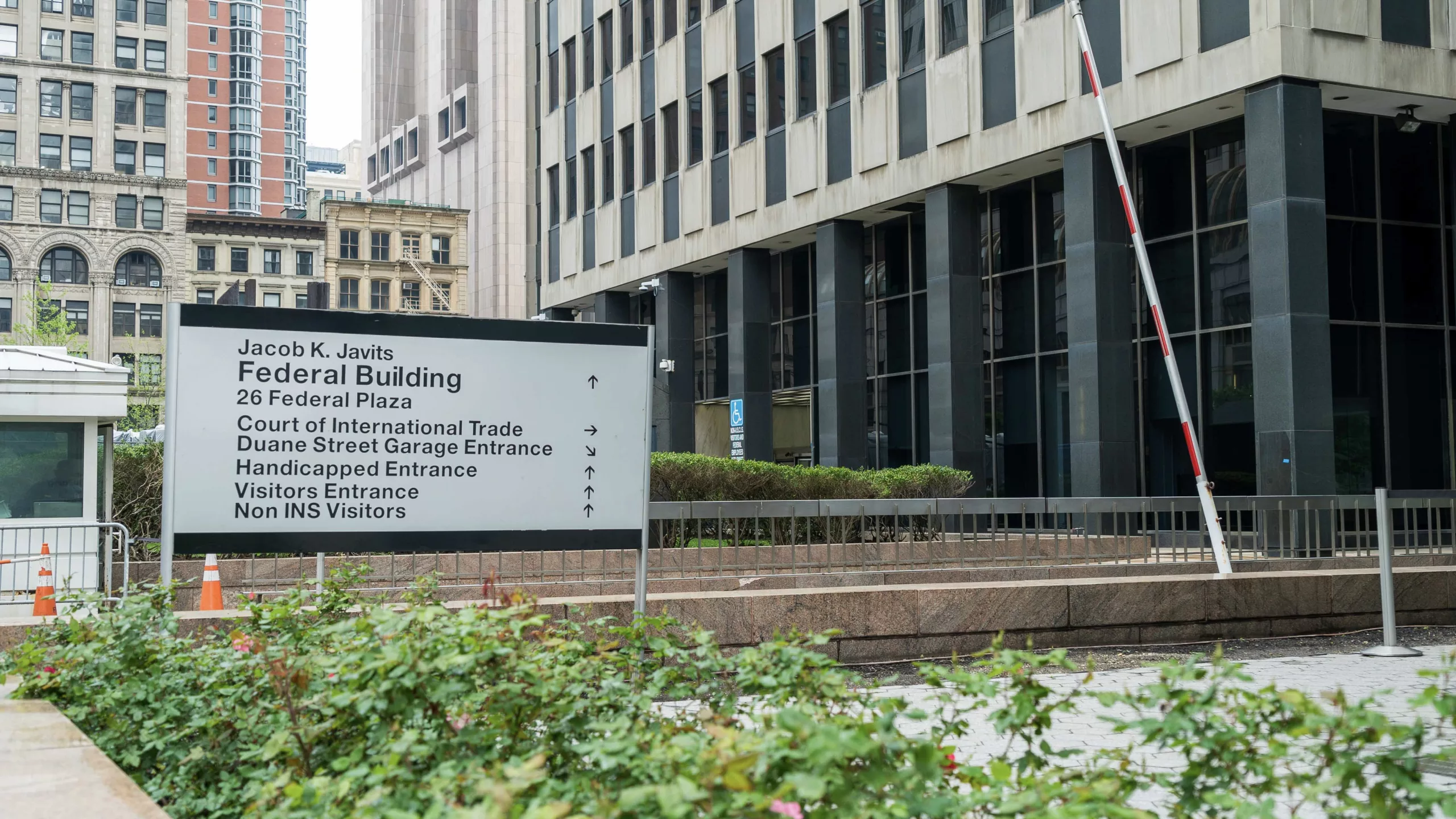
Ahmad grew even more concerned after an Afghan national was charged with shooting two National Guard members several weeks ago, killing one and seriously wounding the other. And Ahmad’s fears were realized on Dec. 2, when his brother, Omar, was detained following a non-routine check-in with Immigration and Customs Enforcement (ICE) at 26 Federal Plaza; he was held at the federal building overnight before being transferred to an ICE facility in New Jersey. (Both men fear retaliation and are being identified by pseudonyms.)
Omar is one of a growing number of Afghans across the country being called into non-routine ICE check-ins since the November shooting, according to multiple lawyers and advocacy groups who spoke to Documented.

The group Afghans for a Better Tomorrow has learned of at least 16 cases, in the New York City area, in which Afghans and their families have been called in for these hurriedly scheduled check-ins in recent weeks, with three ending in detention. In two of those cases, the individuals have been released. The notices mostly come in the form of letters, but have also been sent via phone and email. Lawyers are urging immigrants to approach these meetings with caution and be accompanied by counsel when possible.
Additionally, the non-profit group AfghanEvac is warning followers about check-ins being scheduled on Christmas and New Year’s Day when Afghans may not have access to their legal counsel or advocates.
“I’m on very high alert,” said Shala Gafary, an attorney who leads Human Rights First’s Project: Afghan Legal Assistance program (PALA). “The sentiment now is that you’re expecting your client to be detained, and if they’re not detained, you’re relieved.”
The lawyers’ warnings come amid an increase in detentions of Afghans nationwide following the November shooting, according to news reports and conversations with lawyers and advocates in California and New York.
The Trump administration has ordered a halt to asylum decisions and visa processing for Afghan nationals, with U.S. Citizenship and Immigration Services (USCIS) pausing adjudication of Afghan cases and the State Department suspending consular visa processing abroad.
The Department of Homeland Security (DHS) did not respond to Documented’s request for comment.
Earlier this month, Arash Azzizada, co-director of Afghans for a Better Tomorrow, accompanied an Afghan man with a pending asylum application to a non-routine ICE check-in. He was released but fitted with a GPS tracker on his ankle. Federal officials also took his passport, Azzizada said.
Omar had a more complicated experience. According to his attorney, Elora Mukherjee, he received a notification on his phone to appear at the Manhattan Intensive Supervision Appearance Program (ISAP) office. Omar was released after an hour-long appointment, only for his lawyers to receive a call from ICE an hour later asking that the man report immediately to 26 Federal Plaza. “He wanted to comply, because he is so committed to doing everything right, and he believes in the promise of America,” Mukherjee said.
Omar — who Mukherjee said entered the country legally with a CBP One appointment, a U.S. Customs and Border Patrol app that has since been ended as a legal pathway — was separated from his counsel. “They assured us that when he was brought in for a meeting with ICE officers, we would definitely be allowed to be there,” she says. “That turned out to be false.” Ahmad’s brother later told his lawyers that he was handcuffed and had his feet chained together in an office. He was held at 26 Federal Plaza, and claimed he had little access to food and no privacy while using the toilet, then was transferred to Delaney Hall on Dec. 3.
Stories like these are having a chilling effect on the entire Afghan community in the United States, which numbers an estimated 250,000, including tens of thousands granted humanitarian parole or temporary protected status here following the nation’s military withdrawal from Afghanistan in 2021. Ali, a father of six living in the New York City area, hasn’t slept well since the November shooting. “I’m always thinking about how it will affect my asylum case,” he says. “I feel, sometimes, that I won’t be able to go back home tonight, and someone will catch me.” Ali asked only to be identified by a pseudonym out of fear of retaliation from the federal government.
He and his family sought asylum in the U.S. after the Taliban returned to power in 2021 — his own father had been imprisoned and tortured in the 1980s, and later died from his injuries. Now, his teen and pre-teen son and daughter ask him if they are safe here in America. “It’s not going to happen to us,” he tells them. But he’s taking even more precautions. Ali never took odd jobs without work authorization — even though that meant his family had to spend more time in the city’s strained shelter system; his kids hated the food so much that sometimes they wouldn’t eat. More recently, Ali has attended Zoom know your rights sessions organized by Afghans For a Better Tomorrow, and has a lawyer on standby.
Ahmad was very worried about his brother being deported back to Afghanistan, where he could be targeted by the Taliban for their Tajik heritage and their background in civil service.
你知道吗?非公民办理驾照时的这个错误可能会导致选民欺诈
“The crime that [the] individual has committed [in D.C.] is something that the entirety of Afghans in the United States are now paying for,” he said in Persian during an interview translated by his counsel.
Last week, Ahmad learned that his brother was ordered to be released after a federal judge found his detention to be unlawful.
“I see hope in humanity because I see that, in a lot of circumstances, there are people who are voiceless but their voices are being heard,” he said.