

Immigrant families in New York have been on edge. In Hempstead, stepped-up immigration enforcement means children have stayed home from school in response to reports and rumors of ICE raids, and adults are concerned about crossing country lines. Central American families share alerts about ICE presence in neighborhoods, even as they attempt to navigate and maintain a semblance of a normal life.
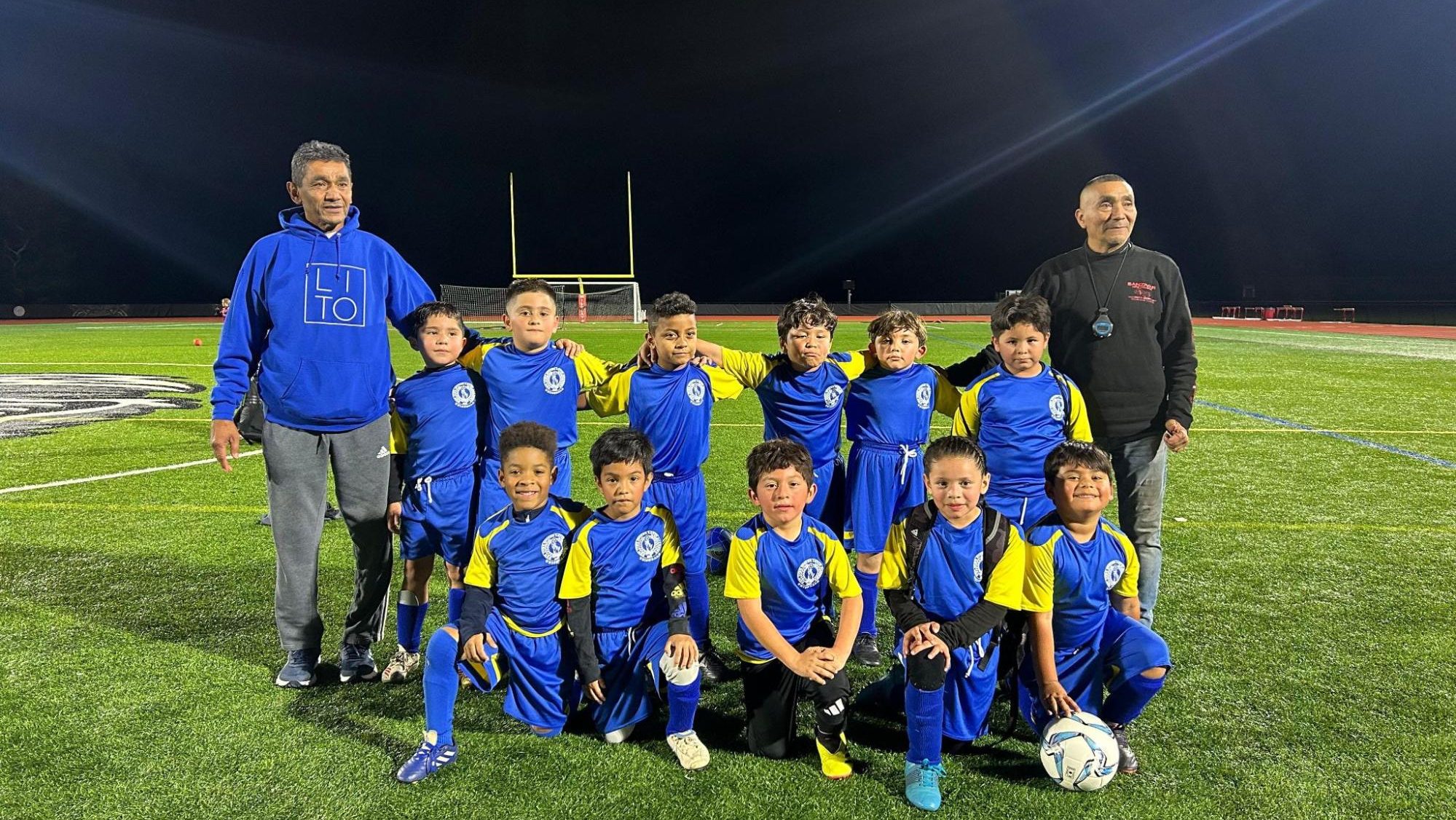
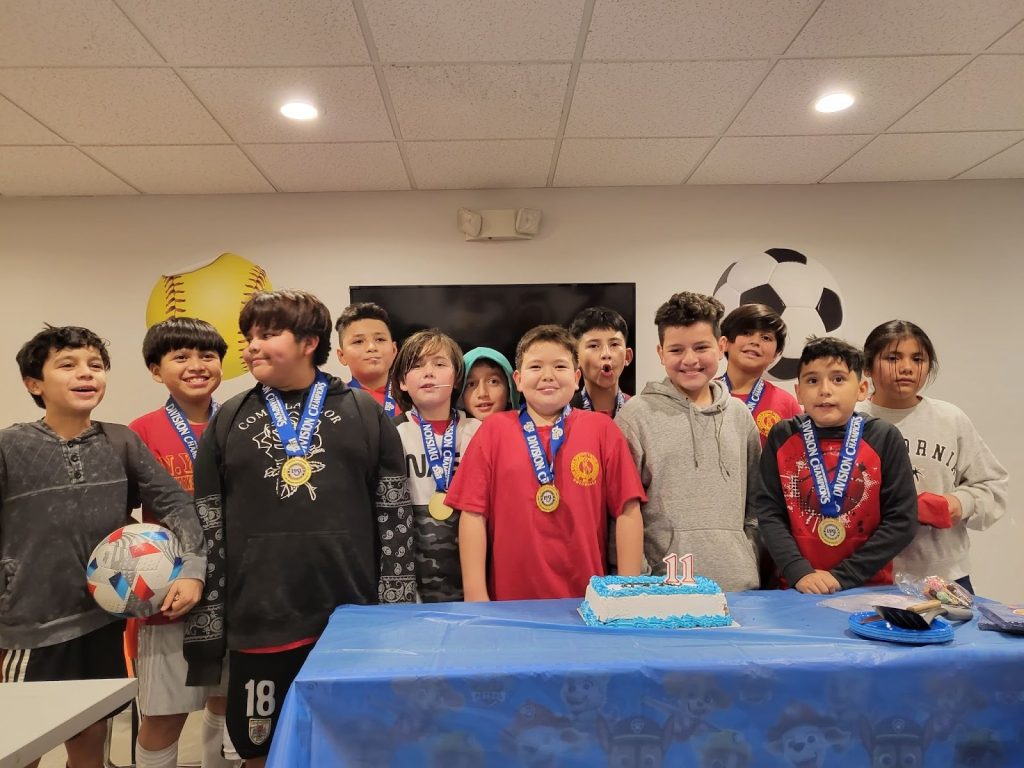
In this atmosphere of dread, Francisco Guerrero’s work has taken on a new meaning. Guerrero, 59, is best known in Hempstead’s Central American enclaves as the co-founder and steady heartbeat of the New York Soccer League Association (NYSLA), a youth academy that has mentored generations of children — many from undocumented or mixed-status homes — for 24 years.
Hispanics make up over 45 percent of Hempstead’s population, and more than 140,000 Salvadorans live across Nassau and Suffolk counties — the largest single national-origin group among Latinos in the area. Many arrived in the 1980s as refugees of civil war. Over decades, they built businesses, churches, and informal cultural spaces that functioned as community glue.

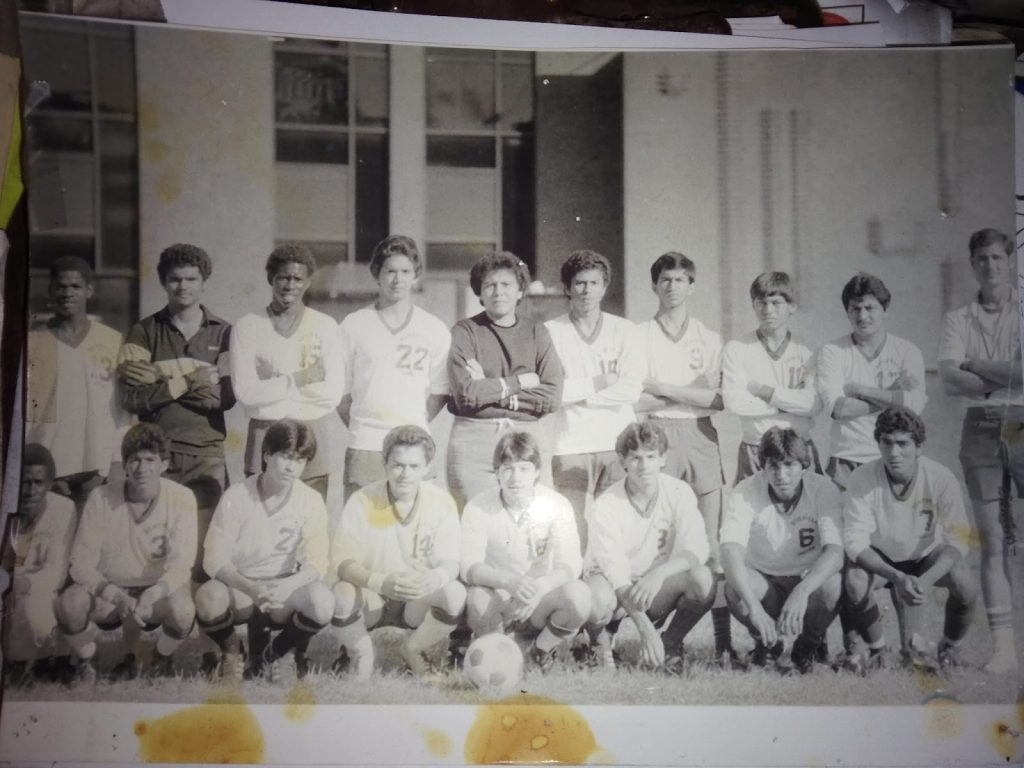
Guerrero is part of that story. He arrived in Hempstead just two months before El Salvador’s civil war began, after his mother — already established in the U.S. — returned home to bring him and his three brothers north as lawful permanent residents. Not yet 13, he came to Long Island with little more than a love of soccer. Adapting to a new country, with a language he didn’t want to learn, was a challenge, but as soon as he started school, things got better: He connected with fellow Central American classmates and found out his school had a soccer team. Forty-six years later, the sport remains the through-line of his life — a compass, a refuge, and a bridge to others.
“Everything I’ve done and everything I’m doing is because of soccer,” he said. “It’s what keeps me alive here.”
In recent months, that work has taken on a new urgency.
“They’ve arrested many innocent people,” he said of the current administration. But “you can’t stay locked in all the time — we are here,” he added, a phrase he repeats like a vow.
To the kids he coaches, he is a mentor. To their parents, a reliable constant in a world where too much feels fragile.
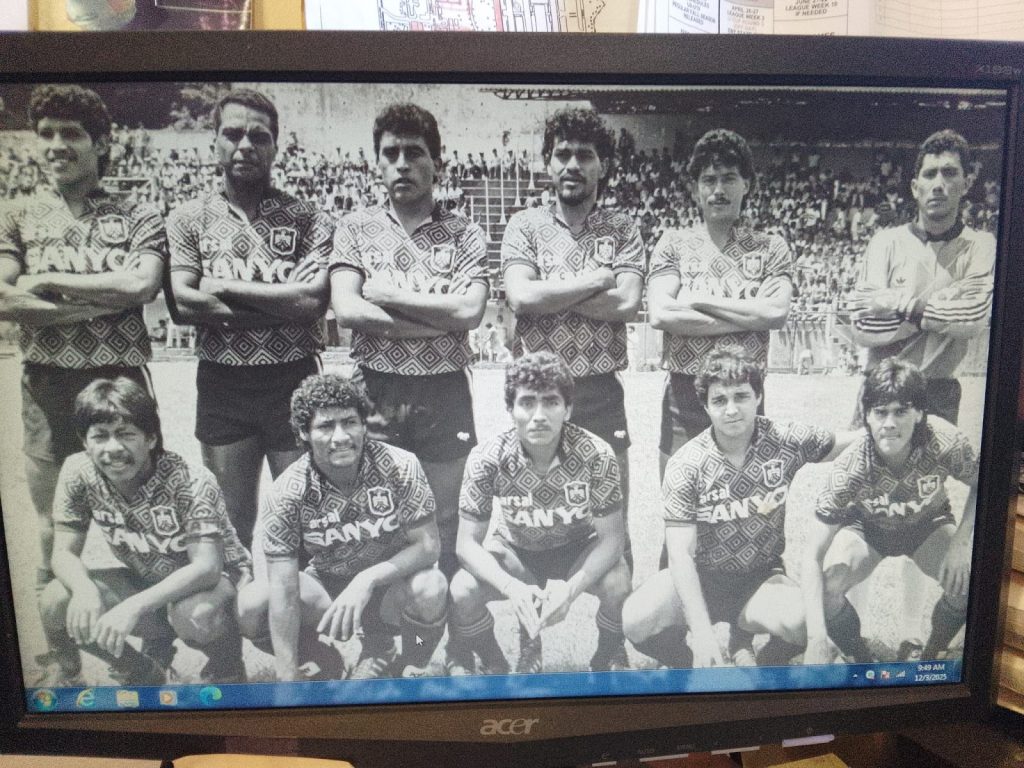
Guerrero didn’t set out to become a community pillar. He was a soccer player – in the Salvadoran first division, and then in the U.S. Navy, where he played on military teams across Asia and the Middle East.
In 1995, he moved back to Long Island to settle down in the place where his mother had first found stability, and he joined his older brother, Carlos, in the car-mechanic business.
While coaching recreationally, he realized how many immigrant parents could not afford the steep fees typical of youth sports.
Alongside his three older brothers and former teammates, he imagined a different model: a volunteer-run soccer team that was low-cost and deeply rooted in Central American culture. That vision became NYSLA. Soon, parents were lining up.
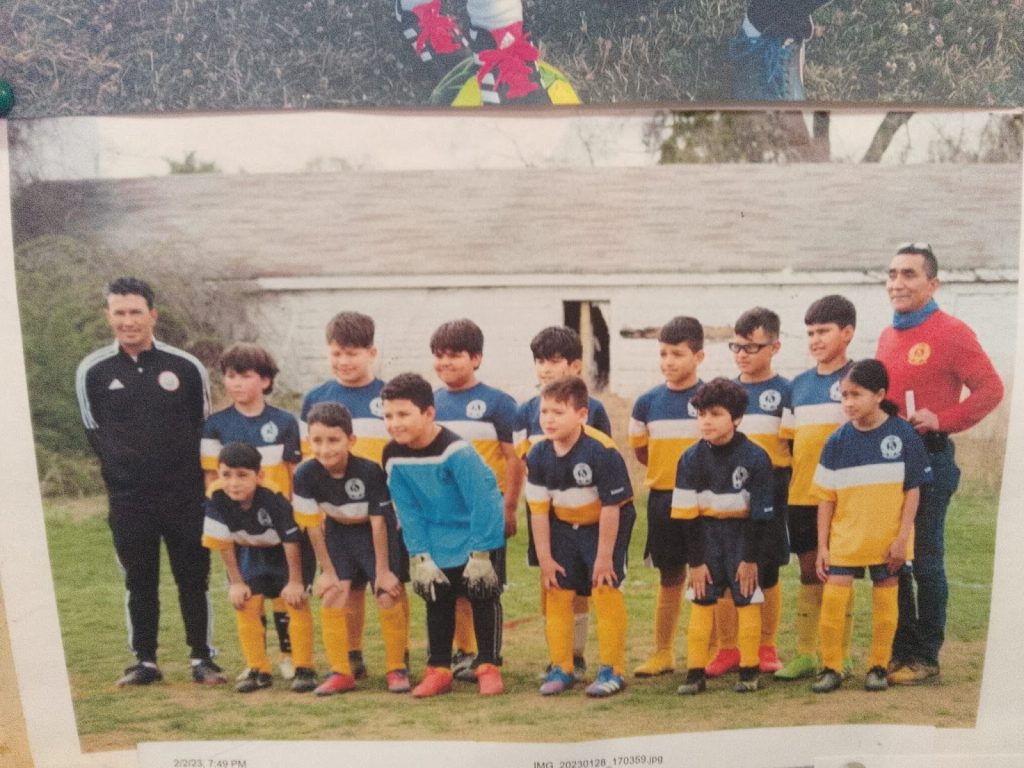
Today, NYSLA coaches some 250 children, ages 4 to 17, and has 18 volunteers. The academy competes in the largest youth soccer league in the U.S., under the umbrella of the U.S. Soccer Federation. Kids play with discipline, enjoying exposure to tournaments and the possibility — sometimes realized — of college scholarships.
But the mission has always been deeper than the game.
“There’s a big need to keep [the young players] engaged in […] education, sports — to help them do well in school,” Guerrero said. “We become mentors.”
On the soccer fields, quiet transformations happen. A shy boy who joined at age 5 and wouldn’t speak a word is now a confident 9-year-old. Siblings whose mother struggled to afford fees are adults today running their own construction company.
It’s hard to keep track of every highlight that comes with being a coach, Guerrero said, but some stories stay with him. He remembers two brothers who joined at ages 11 and 13. They struggled to catch up on the field but stayed consistent all the way through high school — and both eventually became doctors. For Guerrero, it’s a reminder that what matters isn’t skill alone, but the discipline and confidence they build over time.
“The sport helps them to believe in themselves, gives them more independence, pushes them to be more active in society,” Guerrero said. “Attitudes that are important in the development of a young person.”
Guerrero wants to inspire his community to know their value and find strength in each other. “There’s a word I really like, one I learned from Indigenous people: comuna — that everything was shared within a community,” he said. “That’s the part we try to implement [at NYSLA], that we’re a community, a comuna, learning to live in the United States with a different language, customs, food.”
Recently, this overriding interest inspired him to engage with a new dimension of community building: art.
Today, Guerrero is also the co-founder of a new Central American film festival alongside journalist and filmmaker Daniel Flores y Ascencio.
“There’s a need to highlight Latino culture, but especially our Central American culture,” he said.
In a political climate where the message coming down from the highest political echelons is that immigrants are criminals or burdens, Guerrero wants to counter with visibility — not just of struggle, but of creativity, talent and memory.
He carries the Salvadoran flag with pride, reminiscing of the people who raised him and traditions like street theater. Now he wants young Central Americans in Hempstead — many born in the U.S., many navigating fear in the only home they’ve known — to see themselves reflected in culture.
你知道吗?非公民办理驾照时的这个错误可能会导致选民欺诈
“We’re here, and we’re not leaving,” Guerrero said, a promise to his community’s children that as long as he can lace his shoes, the field, and even the screen, will be waiting for them.
Sponsored by Brave of US