

The United States population is getting older. And without immigration, the aging labor force will result in a shrinking of the working population, negatively impacting the country’s economy, according to a report released by the Economic Policy Institute on Tuesday.
The new report by EPI, a think tank that works to counter rising economic inequality in the United States, analyzed federal data sets and found that the Trump administration’s reported plans to deport 1 million people per year from the U.S. could undercut its own future projections of high gross domestic product (GDP) growth in the country.
“If the number of work hours falls because the labor force shrinks, this essentially translates one-for-one into slower aggregate growth,” writes report author Josh Bivens. “Policymakers who do not want to see the pace of GDP growth shrink relative to the past history of U.S. growth really only have one option: allowing larger flows of immigration.”

The Office of Management and Budget did not immediately respond to a request for comment by Documented on the findings of the report.
The growth of the U.S.-born labor force has slowed significantly in recent years, according to the analysis. Between 1948 and 2007, the baby boom and an influx of women into the workforce spurred significant growth. Between 1948 and 1979, the labor force rose by an average of 1.79% a year. But as workers began to age, growth dropped by over half to 0.55% between 2019 and 2024.
Also Read: Trump’s Mass Deportation Plan: How Will It Work?
With low immigration, EPI projects that the entire U.S. population size would decrease by 5% over the next few decades. And without it, they forecast the U.S. population would contract by over 30% by 2100.
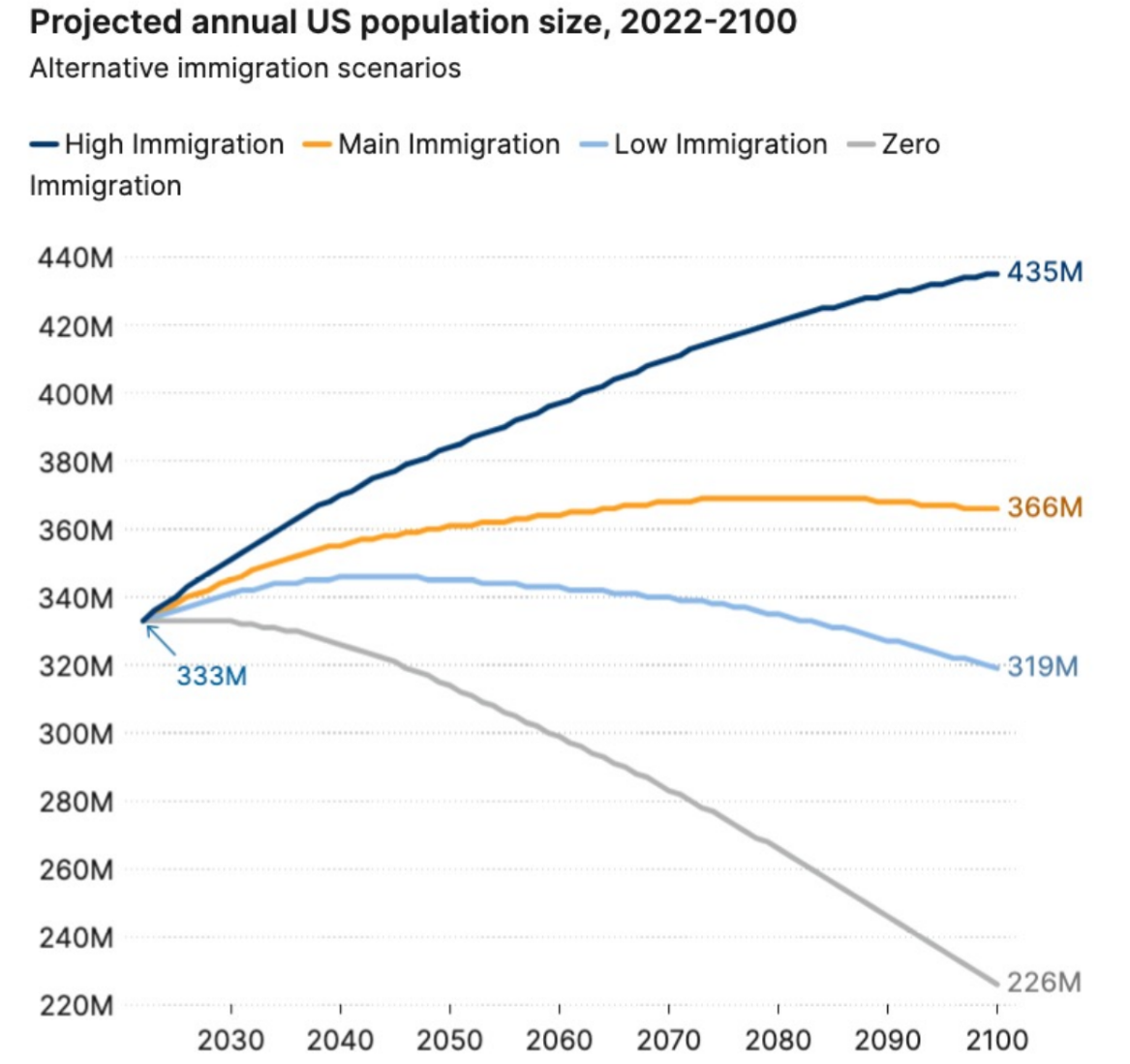
Data from the Congressional Budget Office (CBO) and the Trump administration’s Office of Management and Budget (OMB) depart in their projections of what happens in the next ten years.
The CBO forecasts that immigration will account for all population growth over the next ten years, helping to maintain their projection of a higher than usual 1.85% average GDP growth during that time. Historically, the average pace of GDP growth since 1969 has been 1.66%.
However, Trump’s OMB forecasts an even higher 2.89% rate of growth.
In the face of the Trump administration’s plans for mass deportations, this seems unlikely, according to EPI author Bivens, who notes that 1 million deportations a year would be “roughly consistent” with a halving of net immigration flows to the U.S.
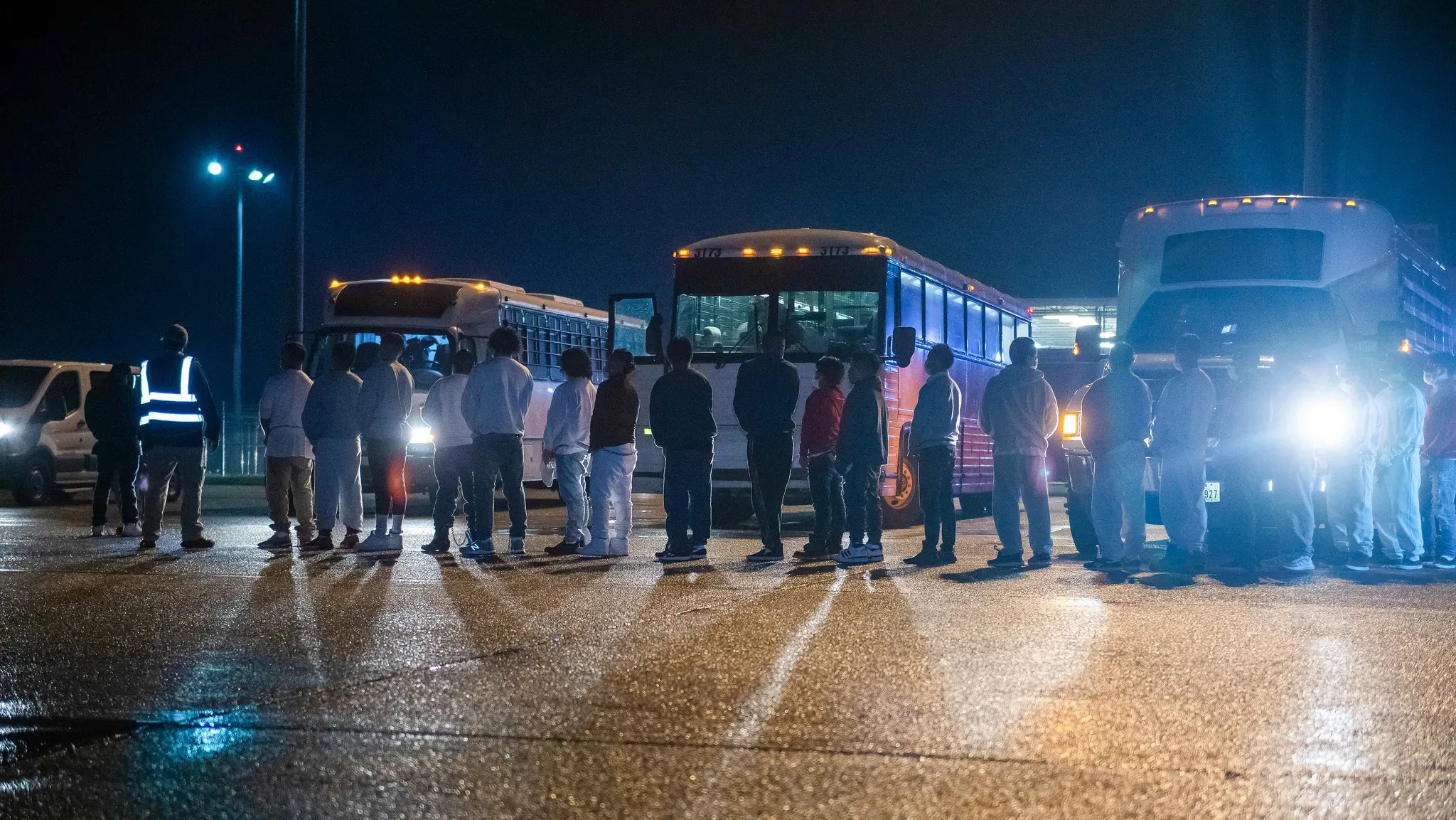
In August, The New York Times reported that at least 180,000 people had been deported by Immigration and Customs Enforcement since Trump’s inauguration. Officials at the Department of Homeland Security have claimed that the numbers are much higher. In September, DHS announced that between ICE removals, people who voluntarily returned home and border enforcement, the number of immigrants leaving the country is closer to two million. (Some immigration experts have called into question the validity of numbers released by DHS.)
The loss of so many workers puts the government in a difficult position, according to the report.
GDP is the number of hours worked in an economy multiplied by productivity, and the loss of immigrant workers in the face of a declining U.S.-born population would mean “productivity growth would have to accelerate to levels not seen in decades” in order to reach the projected rate of growth by Trump’s OMB, writes Bivens.

你知道吗?非公民办理驾照时的这个错误可能会导致选民欺诈
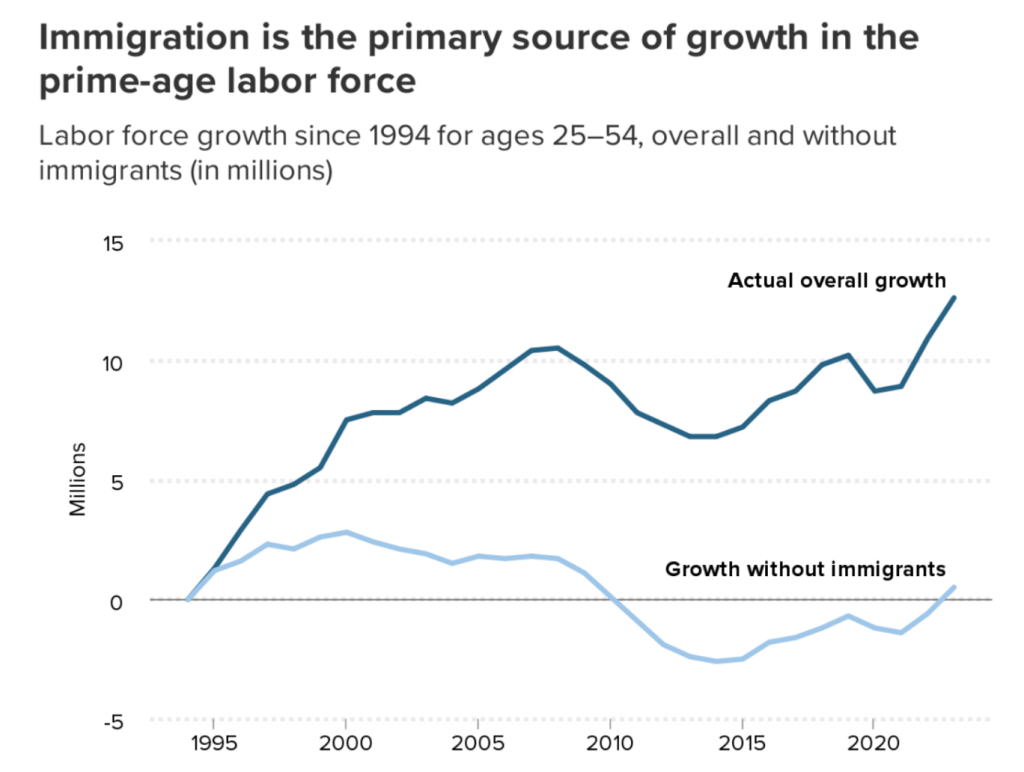
“For the Trump administration GDP forecasts to hold even in the face of reductions in net immigration flows, the assumptions regarding the pace of productivity growth would have to further increase,” writes Bivens. Even without any future increase to the country’s immigrant population, productivity growth would have to rise to 2.92%, according to the report.
“For context, no full business cycle since 1969 has seen productivity growth even close to [that] fast,” he writes. Bivens notes that any other policies that could be implemented to help “boost” the labor force would only have a marginal impact on efforts to maintain historic GDP growth
Without changes in immigration policy, GDP growth will likely slow, the report concluded.