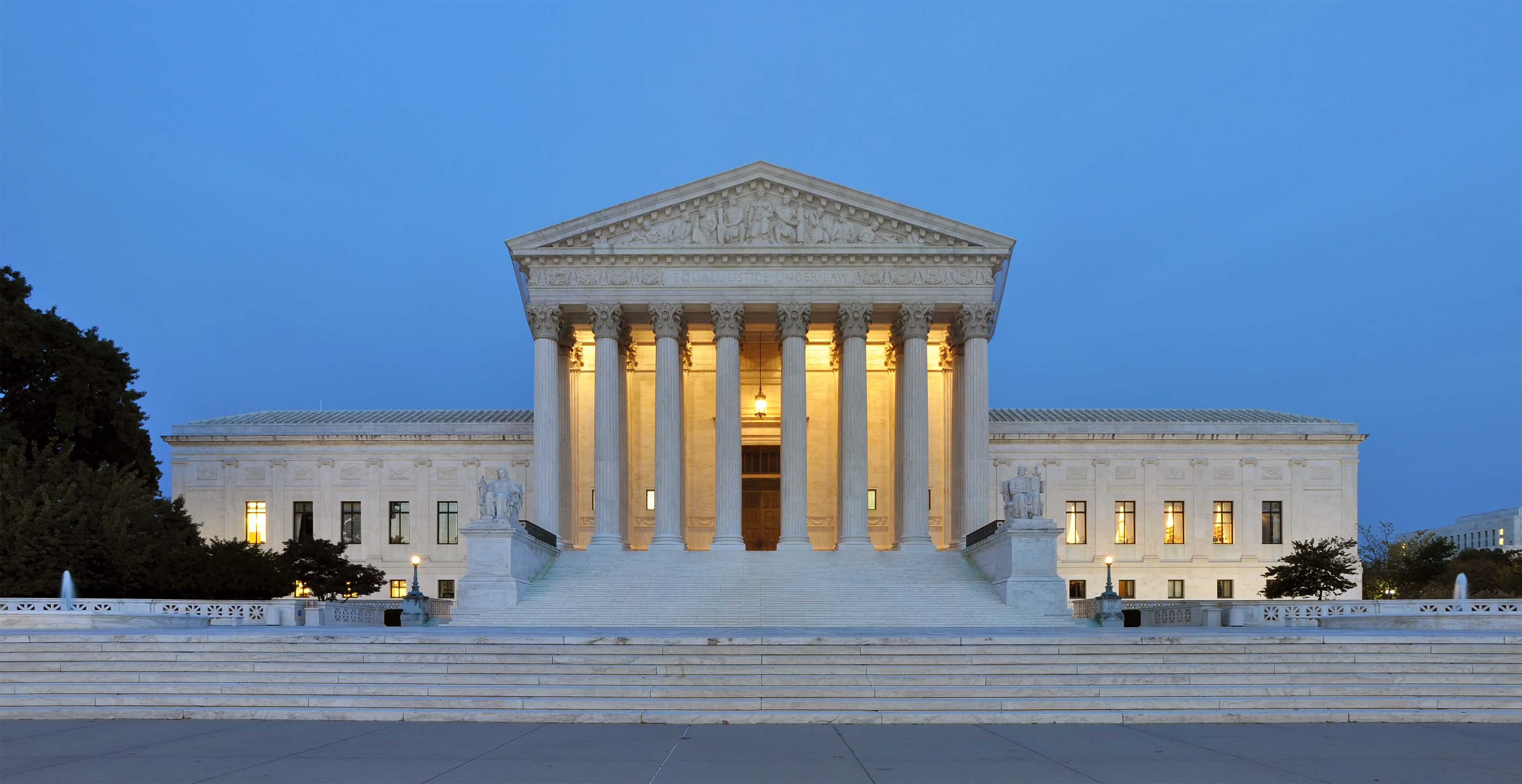


On Monday, in a 6-3 ruling, the U.S. Supreme Court gave immigration agents the green light to resume “roving patrols” in Los Angeles based on appearance, language or type of work. Both a federal court and the Ninth Circuit had previously barred the practice, ruling that it amounted to illegal racial profiling.
While the ruling isn’t final (the case heads back to court in California later this month), the American Immigration Council says it strongly signals that the Supreme Court is unlikely to uphold strict constitutional limits on how far ICE can go when questioning people they suspect are undocumented.
Civil rights advocates say the decision could also have sweeping implications beyond L.A., including in New York City, where ICE has promised to “flood the zone.”

Nadia Marin-Molina, co-executive director at the National Day Laborer Organizing Network (NDLON), told Documented that the SCOTUS decision allows the administration to keep pursuing their campaign of intimidation.
“It is a terrible decision. It seems to give the administration the pass to conduct racial profiling and assault people on the street,” Marin-Molina said, explaining that the impact of the decision goes beyond the targeting of immigrants and Latinos in the U.S. “They are undermining everybody’s Fourth Amendment Rights.”
She added that U.S. citizens have already been arrested in multiple parts of the country.
On the West Coast, Armando Gudino of the Los Angeles Worker Center Network told The Guardian that the order “effectively legalized racial profiling and by extension racial discrimination.”
Justice Sonia Sotomayor, writing in dissent, put it more starkly: “We should not have to live in a country where the Government can seize anyone who looks Latino, speaks Spanish, and appears to work a low-wage job.”
你知道吗?非公民办理驾照时的这个错误可能会导致选民欺诈
Monday’s case was just one of the Supreme Court’s recent decisions reshaping the landscape for immigrants — from workplace protections to asylum eligibility.
A Pattern of Cases
The profiling case is just one of several immigration-related battles the Supreme Court has taken up in recent months:
- Riley v. Bondi: The Court unsettled established rules on when the 30-day clock to appeal a deportation case begins. Advocates warn the decision could sow confusion, leaving immigrants unsure when their chance to challenge deportation actually expires.
- Dept. of Homeland Security v. D.V.D.: The Court cleared the way for deportations to “third countries” without first giving migrants a chance to argue they’d face harm there.
- Birthright Citizenship Cases (Pending): Challenges to an executive order ending automatic citizenship for U.S.-born children of some immigrants remain on the Court’s docket.
Beyond the Supreme Court
It’s not just the Supreme Court. Lower courts have also issued major rulings this month with direct consequences for immigrant communities.
- National TPS Alliance v. DHS: A federal judge in San Francisco blocked the administration’s attempt to terminate Temporary Protected Status for 1.1 million Venezuelans and Haitians, keeping protections in place while appeals proceed.
- Matter of Jonathan Javier Yajure Hurtado: The Board of Immigration Appeals ruled that immigration judges can deny bond hearings for broad categories of people who entered the U.S. without authorization, expanding the scope of mandatory detention.
- W.M.M. v. Trump: A panel of judges on the fifth U.S. circuit court of appeals struck down the government’s attempt to use the 1798 Alien Enemies Act to justify the rapid deportations of Venezuelans that allegedly had gang ties, stating that the law didn’t apply during peacetime.