

Elon Musk’s Department of Government Efficiency’s (DOGE) plan to pull data from across the federal government to surveil and track immigrants in the United States has sparked serious concerns from lawyers and civil liberties advocates. They say a cross-agency database not only violates privacy laws but will also lead to data errors that can wrongfully target both immigrants and citizens, like in the case with Kilmar Abrego Garcia.
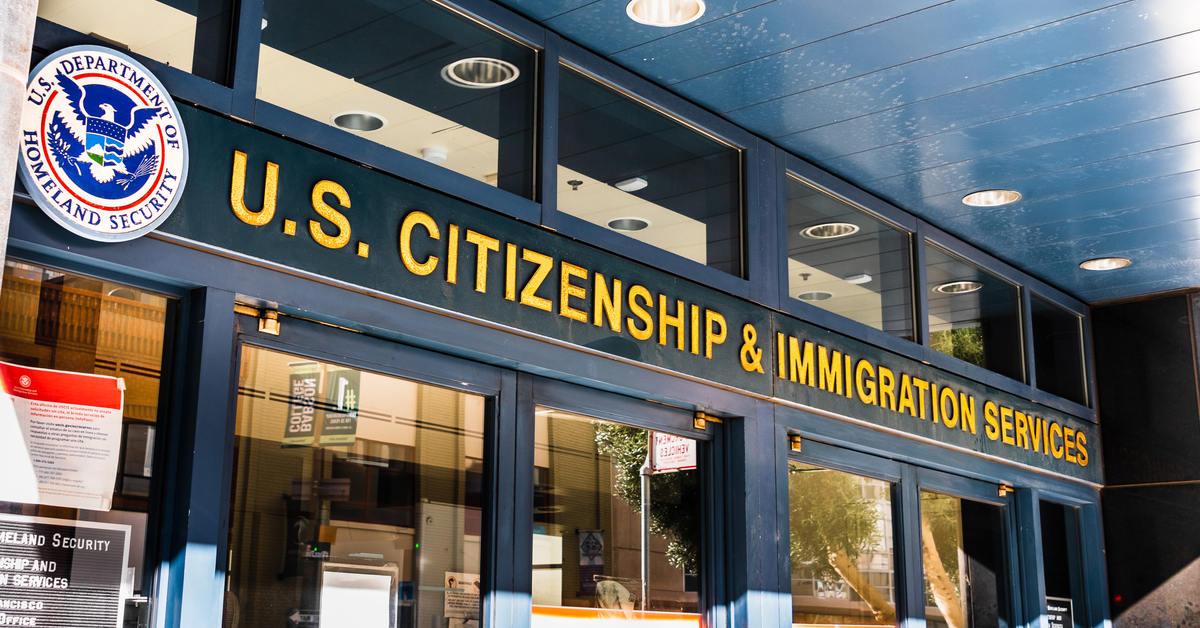
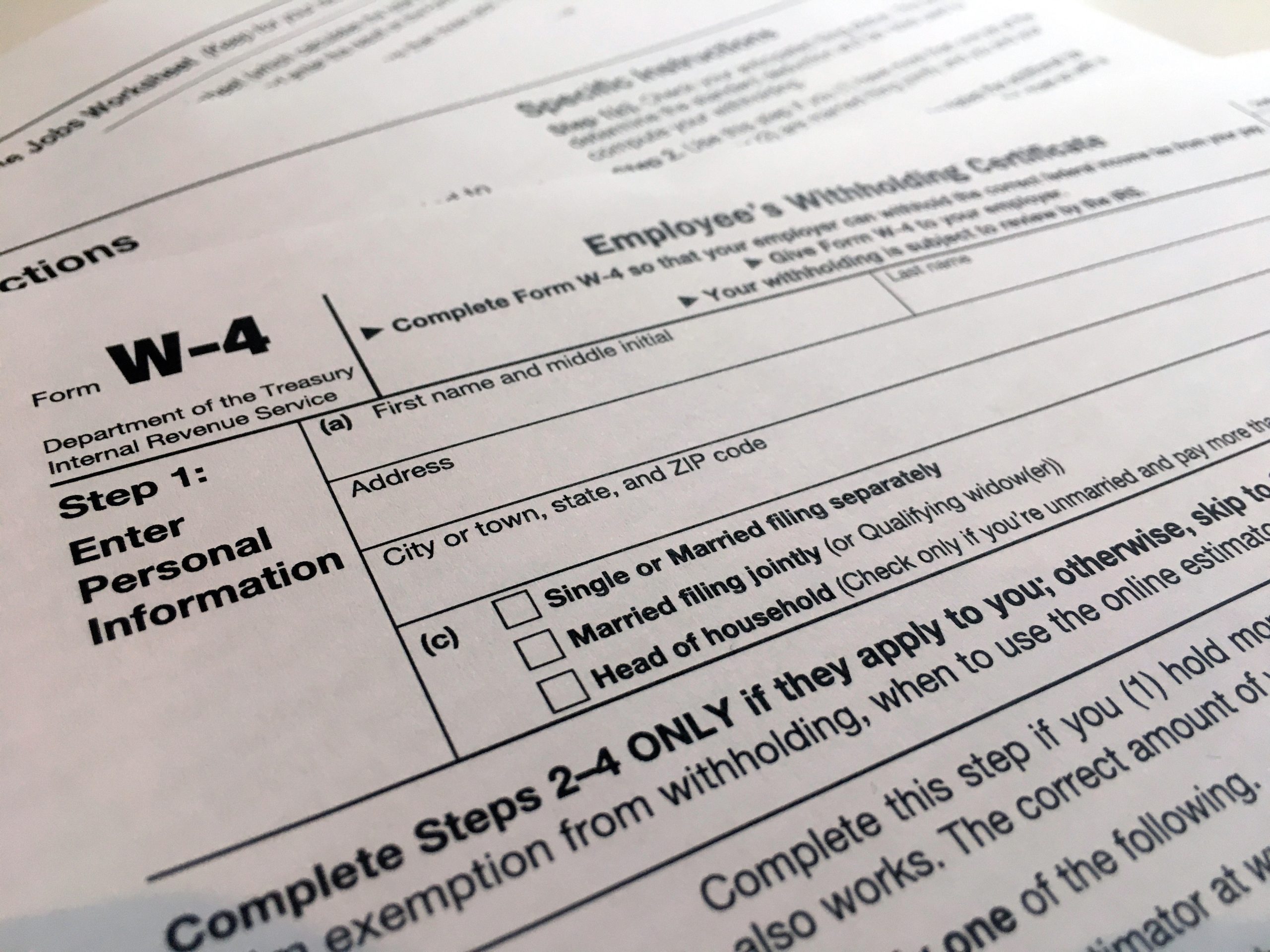
As of May 15, federal officials haven’t confirmed DOGE’s plans to create a “master database,” which outlets like Wired and CNN have reported will use data from agencies like the Internal Revenue Service (IRS), the Department of Homeland Security (DHS) and the Social Security Administration (SSA).
“It’s so secretive,” said Albert Fox Cahn, executive director of the New York-based Surveillance Technology Oversight Project. “There’s so much uncertainty. And also, you know, with all things DOGE, there could be a world of difference between what they claim they’re doing and what they’re able to do.”
However, Cahn said if DOGE is able to create such a database, the consequences would be far-reaching. “It would be digitizing Pandora’s box,” he said. “It would be creating a level of mass surveillance that, really, we’ve never seen in a democratic society.”

Last month, U.S. Rep. Gerry Connolly (D-VA) wrote a letter revealing claims from an SSA whistleblower that DOGE’s database will use the agency’s records, along with data from the IRS and Department of Health and Human Services. Rebecca Rose, a spokesperson for the Office of the Inspector General for the SSA, said last week in an email to Documented that the office has “reviewed Connolly’s letter” but “does not publicly disclose specific aspects of ongoing or future work.”
Also Read: Trump Immigrant Registration Plan Is a Scare Tactic, Law Experts Say
Palantir Technologies, a data mining company that has worked with federal immigration authorities for over a decade, is reportedly involved in creating the DOGE database, according to CNN. Last month, ICE awarded Palantir a nearly $30 million contract to develop the Immigration Lifecycle Operating System, or ImmigrationOS, a system that aims to provide “near real-time visibility” into the movements of migrants in the U.S.
An explanation of the federal contract says ImmigrationOS will include “streamlining selection and apprehension operations of illegal aliens based on ICE enforcement priorities,” such as visa overstays and tracking “near real-time visibility into instances of self-deportation.”
It’s unclear if ImmigrationOS, which will produce a prototype by September, is related to DOGE plans for a master database.
The DHS, DOGE, and Palantir did not respond to Documented’s requests for comment.
In addition to its past government work, Palantir has strong ties to the Trump administration. Vice President J.D. Vance has described Palantir co-founder Peter Thiel as a “mentor.” Thiel also contributed $15 million to Vance’s 2022 U.S. Senate campaign. Some former Palantir employees have also joined DOGE.
Locally, New York activists and lawyers have criticized the use of the company’s technology in local prosecutions. Palantir’s FALCON mobile app program enabled workplace ICE raids in New York City during the first Trump administration.
Deborah Fleischaker, a former DHS official, said it’s not clear how much is new about ImmigrationOS. “I’m skeptical that the juice is worth the squeeze, that the benefit they’re gonna get from it is worth the cost,” she said.
However, Fleischaker said reports of DOGE plans to use data from tax and Social Security records make it sound “highly problematic” and “likely illegal.”
“There are reasons why firewalls between different data sets exist,” she said. “They want to encourage certain activities and discourage other activities. It’s a little bit of a bait and switch.”
In April, the IRS and ICE agreed to a data-sharing agreement that the Trump administration says will comply with laws governing privacy across federal agencies. An ongoing lawsuit is challenging the agreement in court.
Elora Mukherjee, director of Columbia Law School’s Immigrants’ Rights Clinic, said that when clients asked her if paying taxes could lead to immigration consequences, she used to feel confident telling them that there were rules preventing their tax information from being shared with DHS.
“Now if I’m asked that question,” Mukherjee says, “I can’t offer the same guarantee.”
Immigrant advocates also worry that errors in a database, such as the one DOGE is reportedly creating, could lead to immigration consequences before the courts can intervene.
In the past, racial profiling by law enforcement has meant government records unfairly target Latino and Black communities, said Rex Chen, supervising counsel for immigration rights at national civil rights organization Latino Justice PRLDEF, citing the compiling of gang databases.
“We have seen that the government has records and databases that are flawed and have mistakes in them,” Chen said. “To say it will pull together the existing databases means that it’s going to supercharge all of the flaws in the existing databases.”
Also Read: The New York State Police Are Feeding ICE a Gang Database
At the same time, DHS has weakened some of its guardrails for protecting immigrants’ rights, including gutting the agency’s Office for Civil Rights and Civil Liberties.
New York City has strong sanctuary policies, at least on paper, that prevent local government and the police from cooperating with immigration authorities. Campaigners in the state are pushing to further prevent immigration collaboration with the New York for All Act, which would block federal access to local and state databases.
Murad Awawdeh, president and CEO of the New York Immigration Coalition, urged the State Senate to move that bill forward — and fast. “What we’re seeing now is the weaponization of these agencies to target people who have been law abiding,” Awawdeh told Documented last week.
When James T. Hayes Jr. was a special agent in charge at New York’s Homeland Security Investigations office, he long saw a need for streamlined data within DHS, but little political will to achieve it before Trump. Back in 2004, a report from the commission on the 9/11 terrorist attacks called for better data sharing across different government information systems.
“Having that [information] in the same place is going to save a lot of time, but it’s also going to save taxpayer dollars,“ Hayes said. “Here we are, some 20 years later than that report, and we’re finally seeing an administration that’s looking at how we put all these things together in one place.”
Scott Mechkowski, a former deputy director of the New York ICE field office, said that while better target data will reduce the time and resources that ICE agents need to track people down, he admits that even good data requires a significant amount of human verification.
Mechkowski questioned whether access to data like tax records will actually help immigration authorities find criminals. “You think gangbangers are reporting to the IRS how much money they’re making every year?” he said.
Meanwhile, technology experts say artificial intelligence is improving at such a fast rate that its use in immigration enforcement is all but inevitable.
“In this age of increased use of data-machine learning, and AI, I think it’s unreasonable to expect that immigration enforcement wouldn’t use this at all,” said Mariana Olaizola Rosenblat, a policy advisor on technology and law at the NYU Stern Center for Business and Human Rights. However, she said there are safeguards that companies can employ to ensure the data is checked for biases and errors.

你知道吗?非公民办理驾照时的这个错误可能会导致选民欺诈
For immigrants concerned about ICE’s scraping of social media platforms, Olaizola Rosenblat recommends using apps with end-to-end encryption — such as Signal or WhatsApp — where messages can only be read by the receiver and sender.
Meanwhile, Michael McGrath, the former CEO of data analytics company i2 Technologies, a Palantir competitor, called Palantir’s ability to integrate data and use artificial intelligence to set priorities “extremely powerful.”
“The controversial issues are, is there transparency? Will it be misused?” he said. “It depends on the user.”