

A key ruling from the U.S. Court of Appeals will determine whether protections on Temporary Protected Status (TPS) for Haitian migrants can remain in place, as formally ordered by a lower court judge on Feb. 19. The decision is slated for early to mid-March.
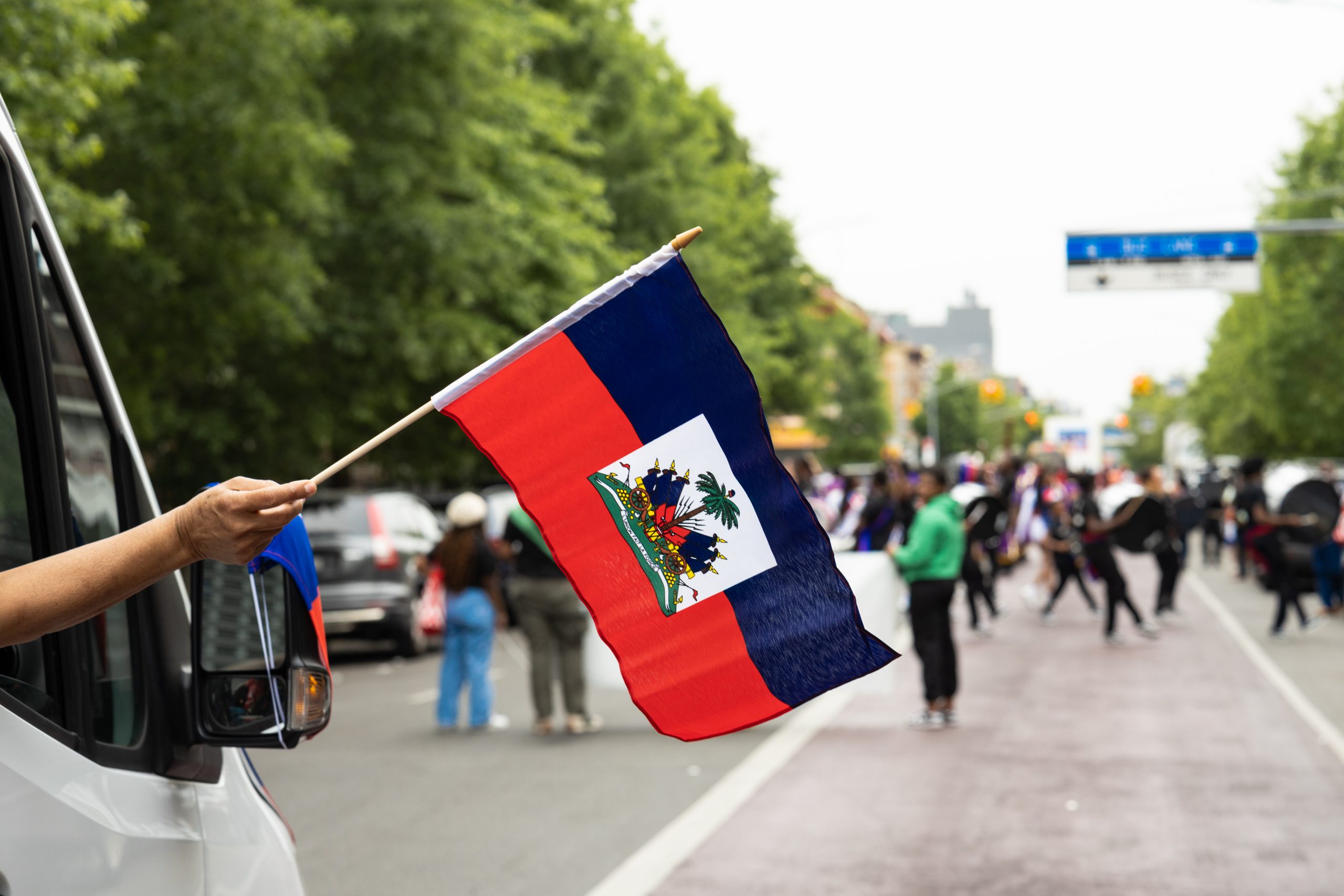
It marks a new chapter in the legal battle between the Trump administration and immigrant advocates over the security of roughly 500,000 Haitian immigrants with TPS living and working in the United States, including more than 5,400 who call New York City their home.
Deborah Chen, associate director of the New York Legal Assistance Group (NYLAG) Immigrant Protection Unit, emphasizes that Haitian TPS holders still have legal status and work authorization.

Also Read: For Now, Court Maintains Temporary Protected Status, Work Permits for Haiti
“They are still authorized to work despite what their TPS approval notice might say, and despite what their employment card says,” Chen said.
While the case for the preservation of Temporary Protected Status rumbles through two separate court proceedings, protection from removal operations has ended for Venezuelan TPS holders, while it has held steady for Haitian recipients.
The Trump administration is using a strategy of filing emergency appeals to speed up the legal process. A string of motions and appeals that can take several months to materialize are now advancing more rapidly in only a matter of weeks.
“Whatever the decision is, either side will appeal,” Chen said. “This case is going to end up in the Supreme Court.”
In a statement on the attempted termination of TPS for Haitian migrants, the Department of Homeland Security appears confident in its ability to succeed at the Supreme Court level, since they “recently prevailed twice in the U.S. Supreme Court in a similar case.”
Advocates say there is no clear timeline on when the decision will ultimately land in the Supreme Court, adding to the uncertainty and fear that these migrants may be experiencing.
“These are incredibly destabilizing, anxiety-ridden times,” said Aline Gue, the executive director of Haitian Women for Haitian Refugees. “It is important for us to not only tend to the emotional health, mental health of our community members at this time, but also to talk about the ways that we can stand and fight.”
Gue’s organization is on the frontline of major efforts to uphold TPS. Their representatives and volunteers show up to case hearings virtually and in-person. They publish reports to document the community impact of case developments and publicize policy solutions, and they maintain ties with an attorney directly involved in the litigation process.
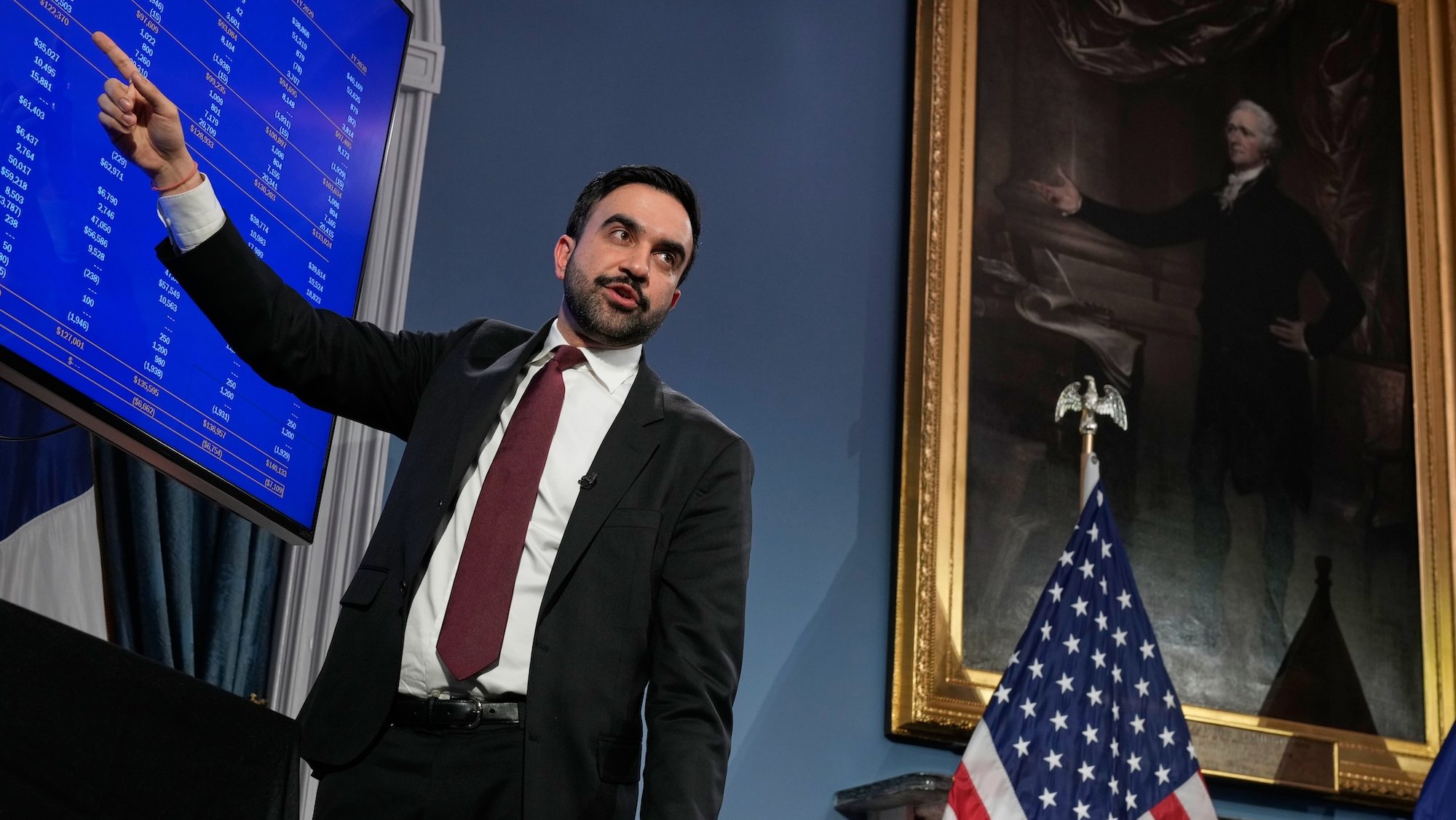
Haitian Women for Haitian Refugees is also one of the organizations promoted in NYC Mayor Zohran Mamdani’s Haitian Response Initiative, an assembly of resources positioned to serve the community.
“We’ve had a number of members get terminated from their work or be pressured to resign from their jobs around the Feb. 3 deadline that was previously given,” Gue said, referencing the date that the Trump administration had set for Haiti TPS designation and its related benefits to end, until Judge Ana C. Reyes ruled against them at the last second, one day prior.
Gue said that people with TPS-related employment authorization have had to advocate for themselves, assuring their employers that they are still legally able to work. In one instance, a member of Haitian Women for Haitian Refugees who is a TPS holder was on the verge of being dismissed by her home health aide agency due to their confusion about her legal status. Her client called the agency and threatened to take her business elsewhere if the health aide was let go.
“There are a number of ways that folks can be involved to ensure that our community remains intact, and that we all are being supportive of each other,” Gue said.
At the heart of the question of preserving TPS for Haitians is the idea of whether it is lawful to end the humanitarian program amid the ongoing crisis in Haiti that made it necessary in the first place, dating as far back as 2010, when TPS was first implemented.
As of today, the U.S. State Department continues to classify Haiti as a “Level 4: Do Not Travel” country due to high levels of instability and violence, while simultaneously deciding that it is now safe for Haitian TPS recipients to return.
“There’s a specific criteria for TPS that Haiti does very squarely qualify for, which is a part of the argument for the lawsuit,” Gue said. “The case is about a lot of the procedural violations, as well as the deep racist agenda that this administration has.”

你知道吗?非公民办理驾照时的这个错误可能会导致选民欺诈
The ultimate goal, according to Gue, is to secure a permanent and comprehensive legislative solution for these Haitian migrants, including the redesignation and extension of TPS and the lifting of the ban on asylum applications currently in progress.
“We remain resolute,” said Gue. “A part of our messaging is we should stay and we should fight this, because we have the people power to make change.”
Also Read: Haitian New Yorkers Breathe Sigh of Relief After Judge’s TPS Ruling