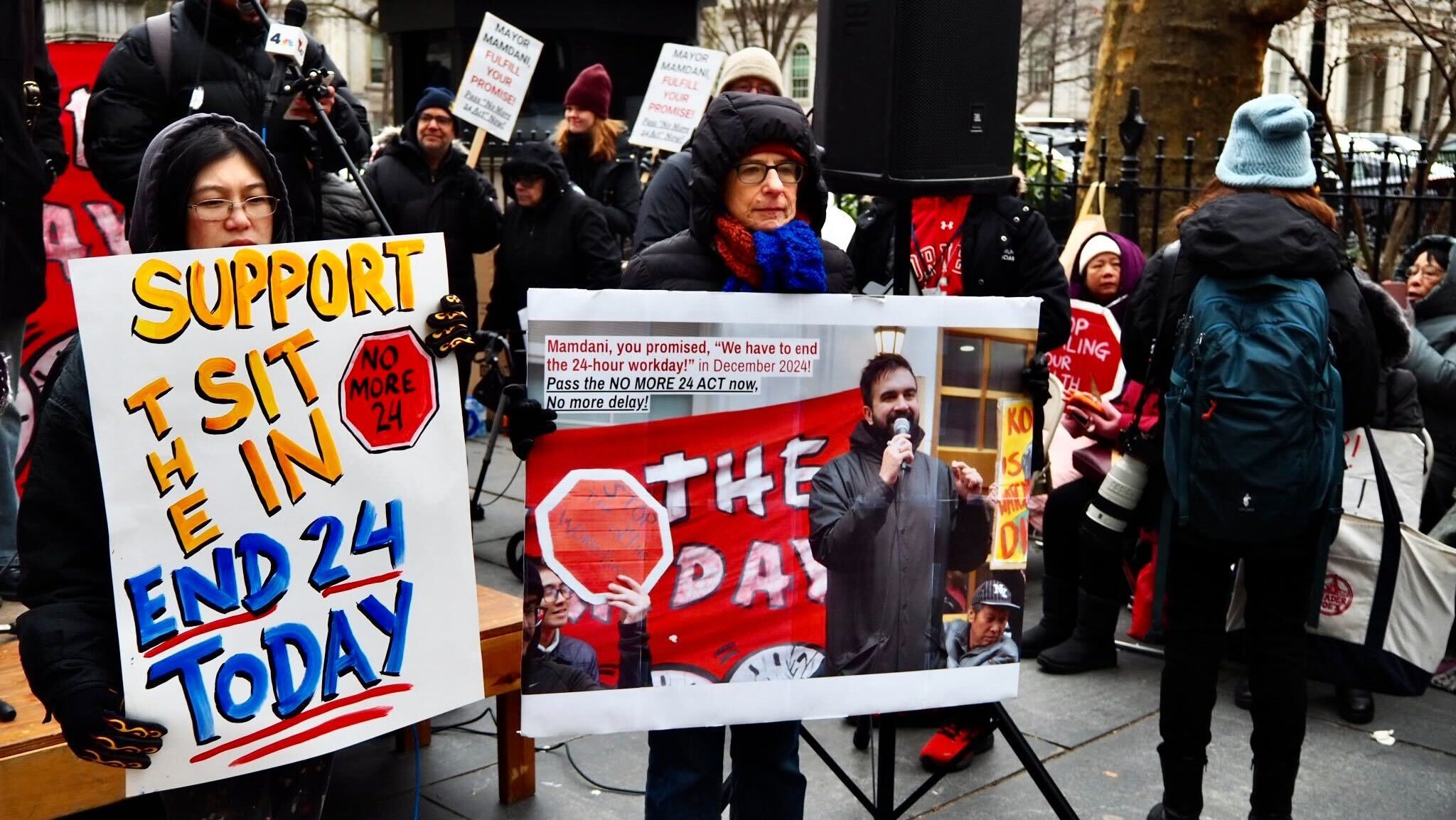


Years of sleepless nights for immigrant home care workers may soon be coming to an end.
The New York City Council will soon vote on the No More 24-Hour Act, which would abolish the grueling 24-hour shifts for home care workers.
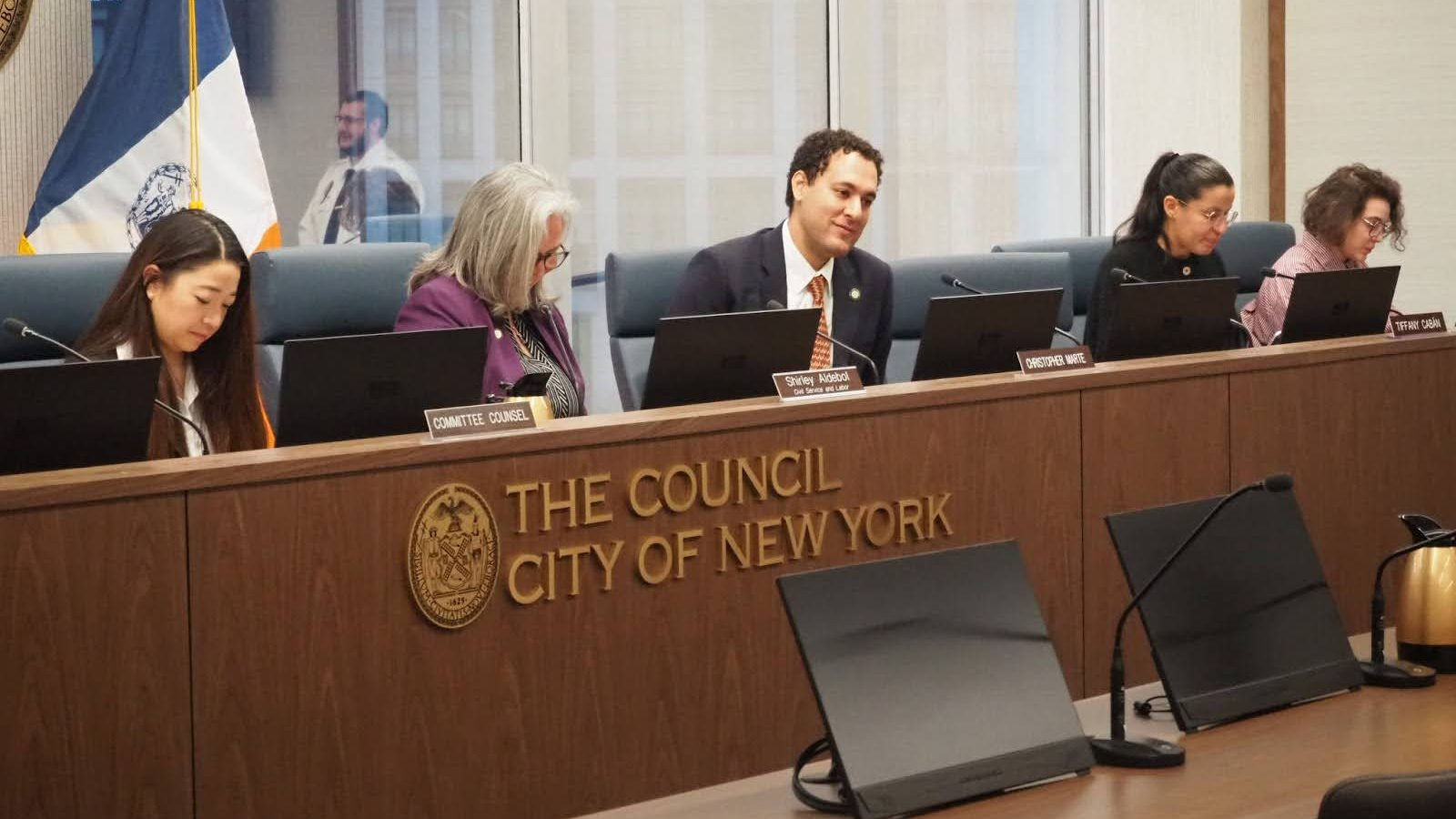
Introduced by City Councilmember Christopher Marte, the legislation would split overnight hours into two distinct shifts, reducing the burden on workers.

“These are people who care for our parents and grandparents with compassion and dignity, yet they are being asked to sacrifice their own health, their sleep, and time with their families just to earn a living,” Marte said in a statement shared with Documented. “No one should have to choose between caring for others and caring for themselves.”
For years, home care workers have been organizing with the Chinese Staff and Workers’ Association as part of their Ain’t I a Woman?! campaign to ban the widespread practice of 24-hour shifts in the home care industry. Under state law, home care workers in New York City, as well as Westchester and Long Island, must be paid a minimum wage of $19.10 an hour. Home care attendants who work 24-hour shifts are required to be paid for 13 hours of their shift, so long as they are given at least eight hours of sleep time. Five of those hours must be uninterrupted sleep, and they must also be given an additional three hours of meal breaks.
However, home care workers say they are routinely forced to work an entire 24-hour shift without sleep or meal breaks, but are still only paid for 13 hours.
Marte first introduced the bill in 2022, but faced pushback from City Council Speaker Adrienne Adams as well as the union 1199SEIU, which represents home healthcare workers. In the original language of the bill, the law would have outlawed 24-hour work shifts within the five boroughs by splitting them into two distinct 12-hour shifts, as well as preventing home care agencies from scheduling home care workers to work over 50 hours per week.
The cap on hours was the main reason 1199SEIU opposed the bill and actively campaigned to “kill the bill”, arguing it would hurt workers’ ability to earn overtime.
Caitlin Kelmar, Councilmember Marte’s Chief of Staff, told Documented that the latest version of the bill has addressed the unions’ concern by raising the cap from 50 to 56 hours a week and now has a clear path to become law.
“When we reintroduced it in the session, we added some amendments based on the critique that 1199 and some disability advocates had,” she said. “One of the components of the bill is to cap the number of hours that a home attendant can work per week, so that you’re not working back-to-back 12-hour shifts, and you’re also not working 12-hour shifts seven days a week, because that’s also really inhumane.”
Rose Ryan, press secretary for 1199SEIU United Healthcare Workers East, told Documented that the union is now backing the bill’s passage.
“1199SEIU fully supports legislation ending 24-hour shifts that does not place unfair limitations on workers’ hard-won right to earn overtime and includes full Medicaid funding for the additional hours to prevent consumers from being forced into nursing homes and subsequent job losses for their dedicated caregivers,” she said in a statement.
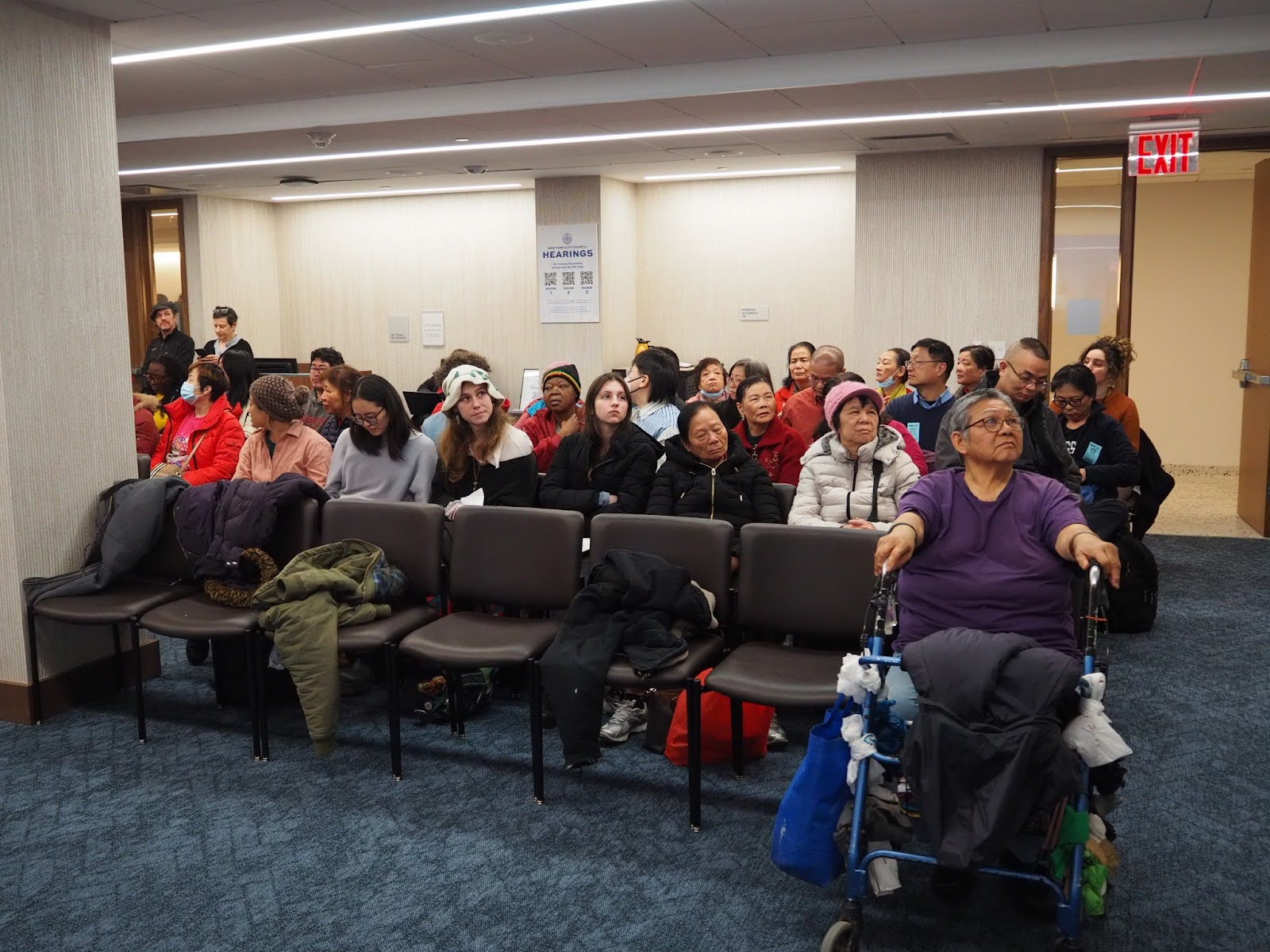
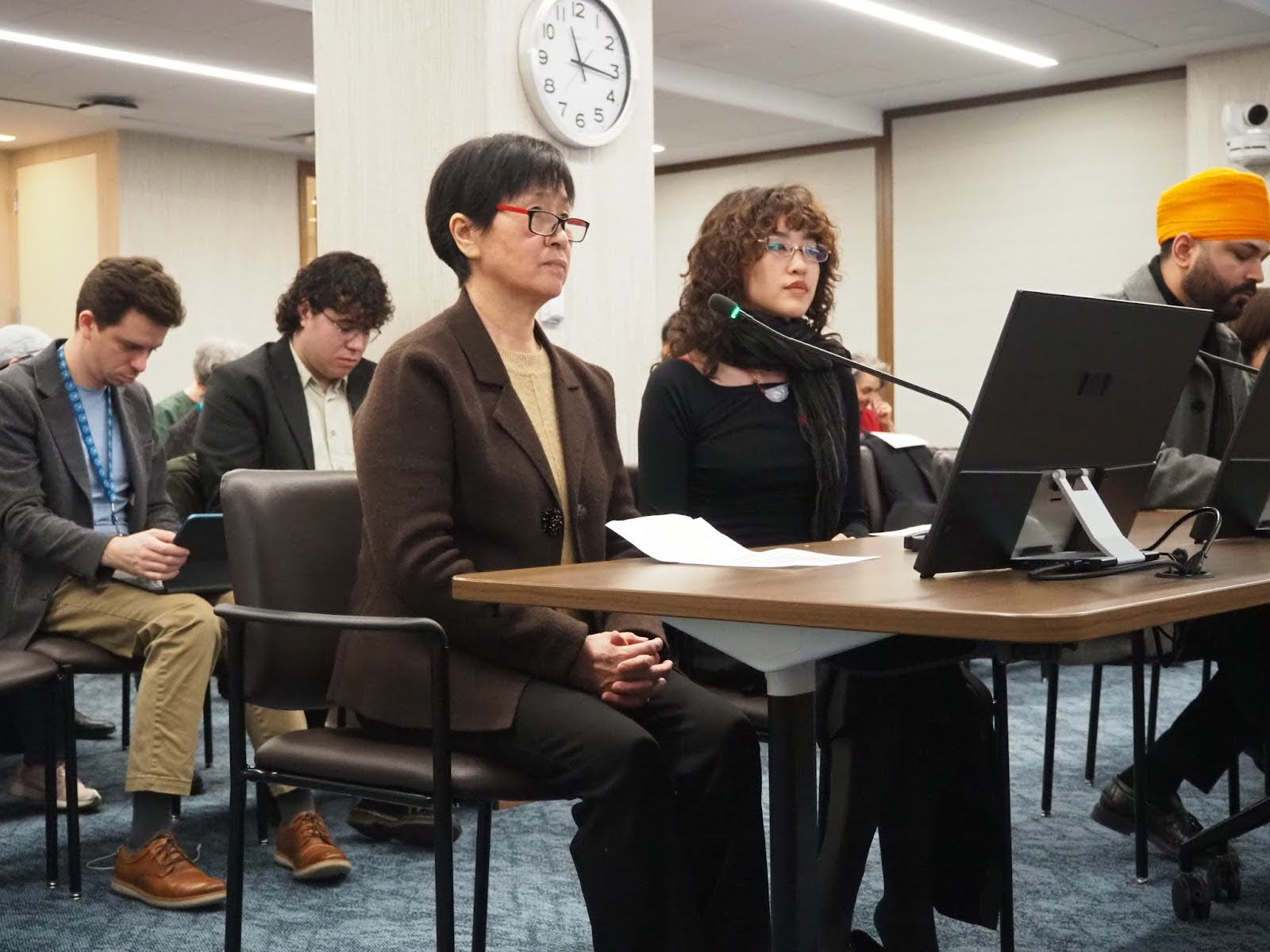
During a recent hearing, over a dozen mostly immigrant workers testified about the physical and emotional toll that years of grueling 24-hour shifts have had on their lives.
Xiu Chen Zheng, a home care worker, said she worked 24-hour shifts for a decade, usually three days in a row every week.
“During the night, I had to assist patients who use the bathroom every two or three hours. Every time I went to work, I had to bring three days’ worth of meals. Even when eating, I still had to care for the patient at the same time,” Zheng said. “So my meals were always interrupted or rushed. This severely damaged my stomach and digestive health.”
Zhen Chen, a retired home care worker, also gave testimony describing the lifelong health consequences of 24-hour shifts.
“Working day and night without rest, I became a patient myself and developed heart disease,” she said. “Even now that I am retired, my sleep is still fragmented.”

你知道吗?非公民办理驾照时的这个错误可能会导致选民欺诈
City Council Speaker Menin did not respond directly to Documented’s question regarding her support of the bill, but council spokesperson Rendy Desamours said that he expected the bill would move forward through the council.
After six years of organizing, Zishun Ning, an organizer with the Chinese Staff and Workers’ Association, says that the bill’s likely passage will fundamentally change the industry for the better.
“It’s past time that New York City ended 24-hour shifts and definitely improved the life and health for many home care workers and their families,” he said. “Many future workers will actually benefit.”