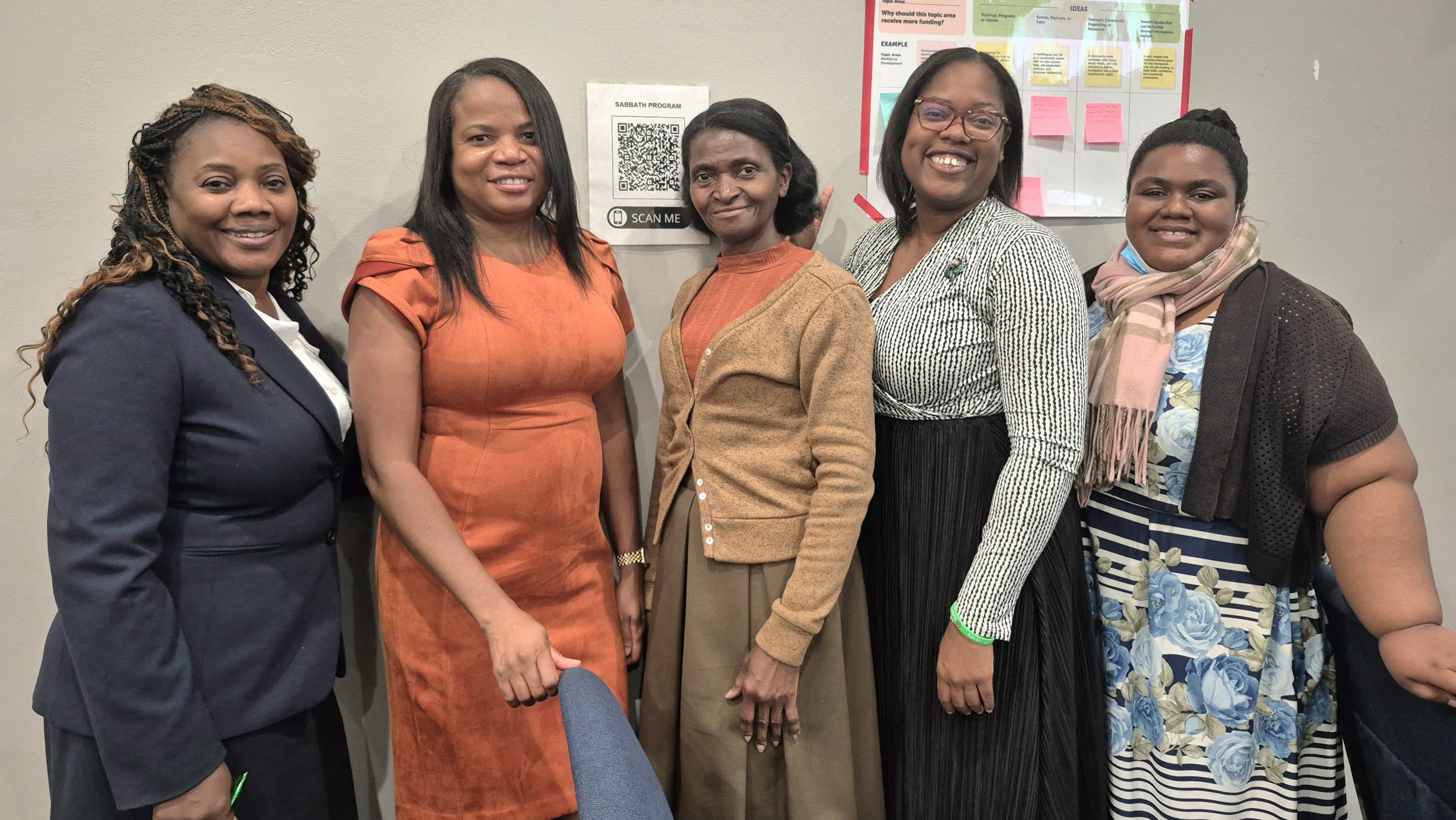


Small business development workshops for aspiring entrepreneurs. Nature classes in the park for youth and families. Free mental health services for recent immigrants. These are just some of the things that Haitian immigrants brainstormed during idea generation workshops in Canarsie, Brooklyn, last fall.
Idea generation workshops are a key part of The People’s Money (TPM), a participatory budgeting process run by the city where everyday New Yorkers, regardless of immigration or incarceration status, decide how a portion of the city budget is spent to support their communities.
The initiative, run by the NYC Civic Engagement Commission (CEC), holds idea generation workshops each year where residents of each borough can propose ideas that address local needs.
Neighborhoods across the city have the chance to receive funding to support a specific community project — building a soccer field, public park upgrades, STEM workshops for kids — that is ultimately selected through a public vote by borough. Once chosen, these projects are awarded the funds, which in the past have ranged from $80,000 to nearly $500,000, and then are implemented by non-profit organizations selected by the CEC through a competitive application process.
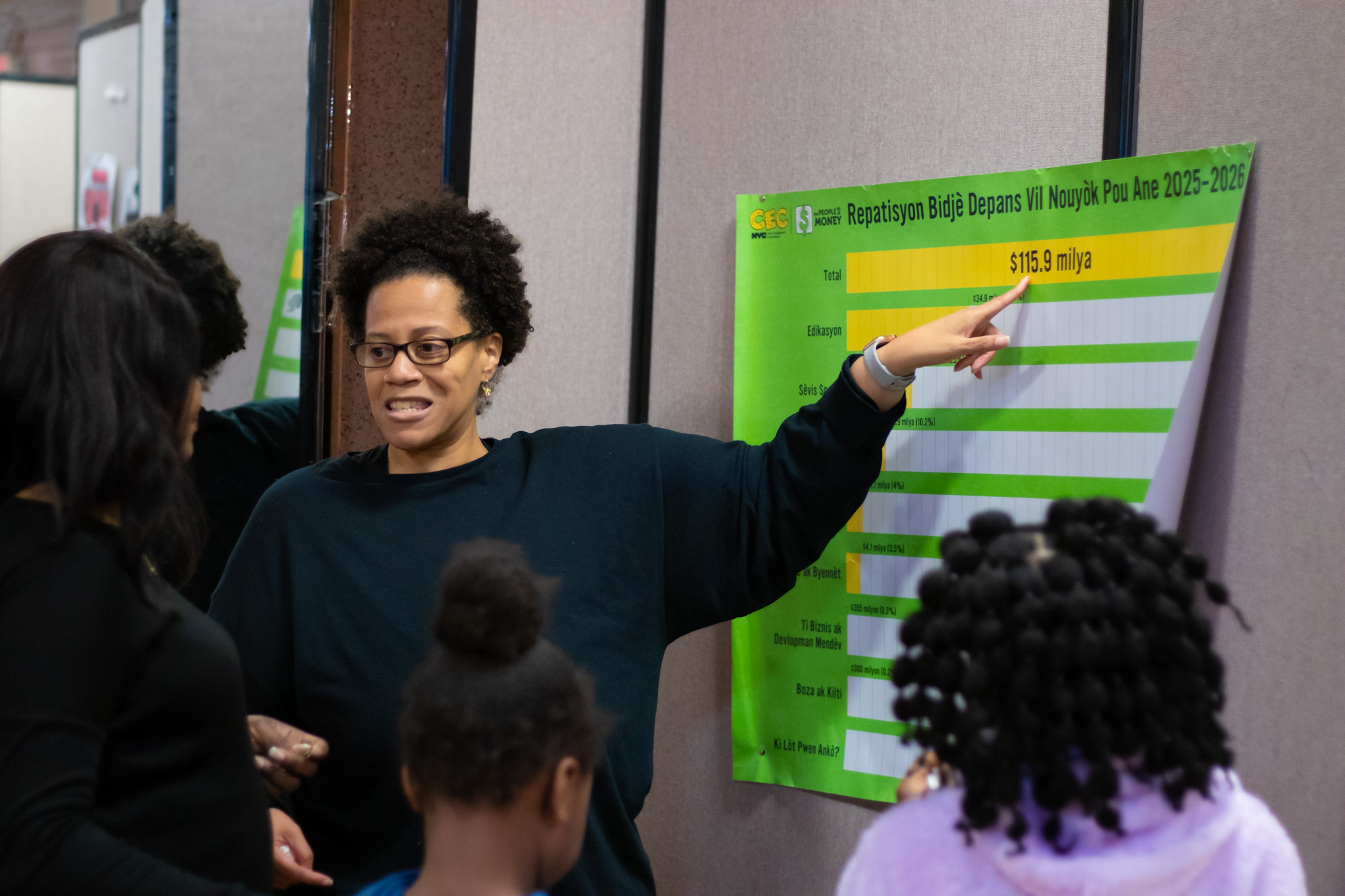
Last fall marked the launch of the fourth cycle of TPM and residents of Canarsie, home to a large Haitian immigrant population, came together to discuss ways to bring resources into their community. The CEC partners with local nonprofit organizations to lead the engagement efforts. In Canarsie, that was the Flossy Organization, which facilitated the idea generation workshops in the neighborhood, targeting the Haitian community.
Ashley Rayford, a former community engagement fellow at Flossy who led some of the workshops, said the locations were strategically chosen. “We selected places where we knew residents naturally gather so we could meet people where they are,” Rayford told Documented. “The neighborhood has a vibrant Haitian community and strong, engaged faith-based groups, and we wanted to ensure both were well represented.”
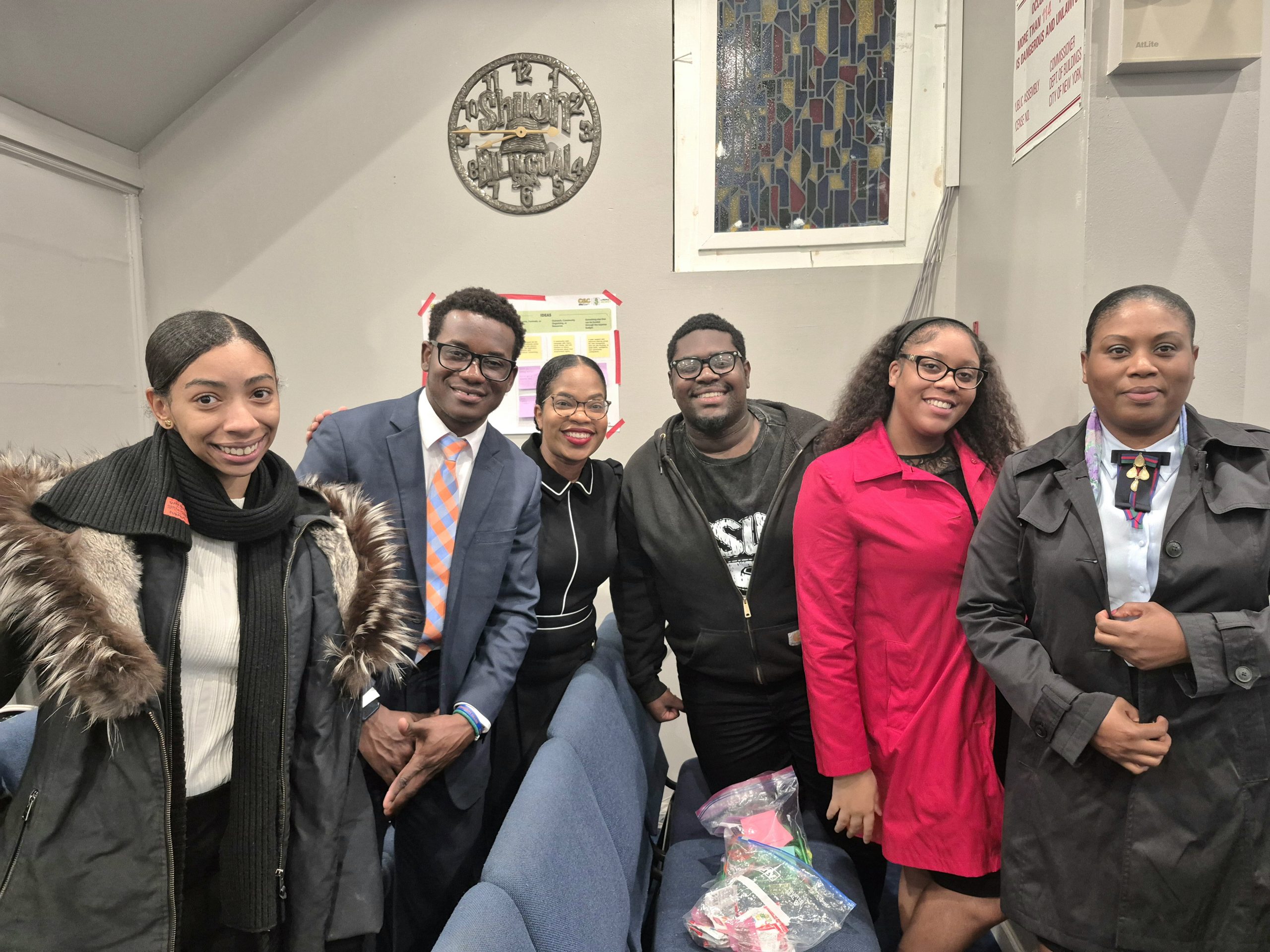
From October through November, the Flossy Organization held seven idea generation workshops across the neighborhood, with residents convening at a local mosque, the public library, and local restaurants, as well as two Haitian churches: Shiloh Bilingual Seventh Day Adventist Church and Beraca Baptist Church. To reach the Haitian community, Rayford said, the Flossy Organization partnered with the Haitian American Caucus (HAC) and the Beraca Community Development Corporation (BCDC), organizations with strong ties to the neighborhood.
“At its core, The People’s Money workshops are about access and power, meeting people where they are and ensuring they have a real say in public spending,” said Jibreel Jalloh, the founder and executive director of the Flossy Organization. Jalloh, who in addition to his community organizing work is a child of immigrants from Sierra Leone, is currently running to represent the neighborhood in the New York State Assembly.
The workshop at the Shiloh Bilingual Church was the best-attended of the season, with around 24 participants, according to Rayford. Local residents discussed the importance of physical and mental health services, as well as the need for more recreational activities at Canarsie Park, known locally as Seaview Park.
“We need more recreational spaces … and we need more public safety,” said Shirley Desrouilleres, 51 who came to the U.S. from Haiti as a child and is now a community school coordinator at the South Shore Educational Complex in Canarsie, which houses multiple schools.
“There are a lot of gang related [violence], especially among our high school students. In two to three years, we will have two to three students who have died due to gang-related violence,” Desrouilleres said, adding that the students “need housing, and their parents need jobs.”
Stephanie Lubin, another participant and elementary school teacher, was born in Boston, but was raised in Haiti from infancy until she was 15 years old. When she first heard about the workshop from a church friend, she thought it was going to focus on personal finance. Instead, she encountered something completely different.
“It was my first time participating in such a program,” Lubin said. “I did not know that these types of programs were really available for [regular] people like me.”
What meant the most to her was how much she learned and how important it is for residents to be engaged. “These are our tax dollars,” she told Documented. “I would definitely encourage somebody to get to know what is happening in their neighborhood and how their money is being spent.”
Also Read: Vendors at Rebranded Flatbush Central Caribbean Market See Drop in Sales
Participatory budgeting, a concept which is at the heart of The People’s Money initiative, began in Brazil in 1989 and was later adopted and adapted in New York City by four council members who sought to introduce new developments in New York City communities. In last year’s cycle for example, some of the winning projects across the city included a Hydroponics Lab for a local elementary school, improvements to several community gardens, and security cameras for a housing development.
“I think small business is the best way for people to be successful in life without being dependent on a person,” Jephte, another participant at Shiloh Bilingual, told Documented in Haitian Creole. “It’s also better for the community [because] the more people in a community that has a small business, the more they can help people who don’t have jobs to find jobs.”
Jephte, who asked not to disclose his last name, was in the process of opening his own restaurant in Haiti before coming to the U.S. in 2023 under the Biden-era CHNV humanitarian parole program. He had high hopes of starting a new life in a new country, including opening a restaurant, but now that the CHNV program was terminated last spring, his future in the U.S. is uncertain.
And Jephte’s circumstances are not singular. Under the Trump administration, Haitian immigrants have faced a crisis of fear of deportation. The Department of Homeland Security has attempted to end Temporary Protected Status for more than 350,000 Haitians in the U.S., with a judge earlier this month granting an eleventh-hour extension. Without TPS, hundreds of thousands, including 10,000 Haitian New Yorkers, would lose the humanitarian protections that allow them to work and raise families in the U.S.
As a result, organizations like the Beraca Community Development Corporation (BCDC), the service arm of the Beraca Baptist Church, have been essential for Haitian immigrants in the neighborhood. Led by Skye Holly, BCDC’s immigrant integration program has organized English language and life skills classes, provided job training, as well as food assistance to local residents. They have also collaborated with HAC executive director Samuel Pierre to offer mental health workshops tailored to the local Haitian diaspora.
Also Read: Brooklyn’s Haitian Women Launch the Caribbean’s First Feminist Fund
During the workshop at Beraca Baptist Church, Cshella Prince-Casimir, a Haitian immigrant, mother of six, and beneficiary of many of the services that BCDC provides, shared that participating in the workshop during the current climate came as a welcome surprise.
“The category that I find myself in in this country, I didn’t know that I had a voice,” she said in Haitian Creole. “Things like this, I thought only citizens could participate in them. I thought only people who could vote could participate in important things like this, but I learned tonight that I have a voice.”
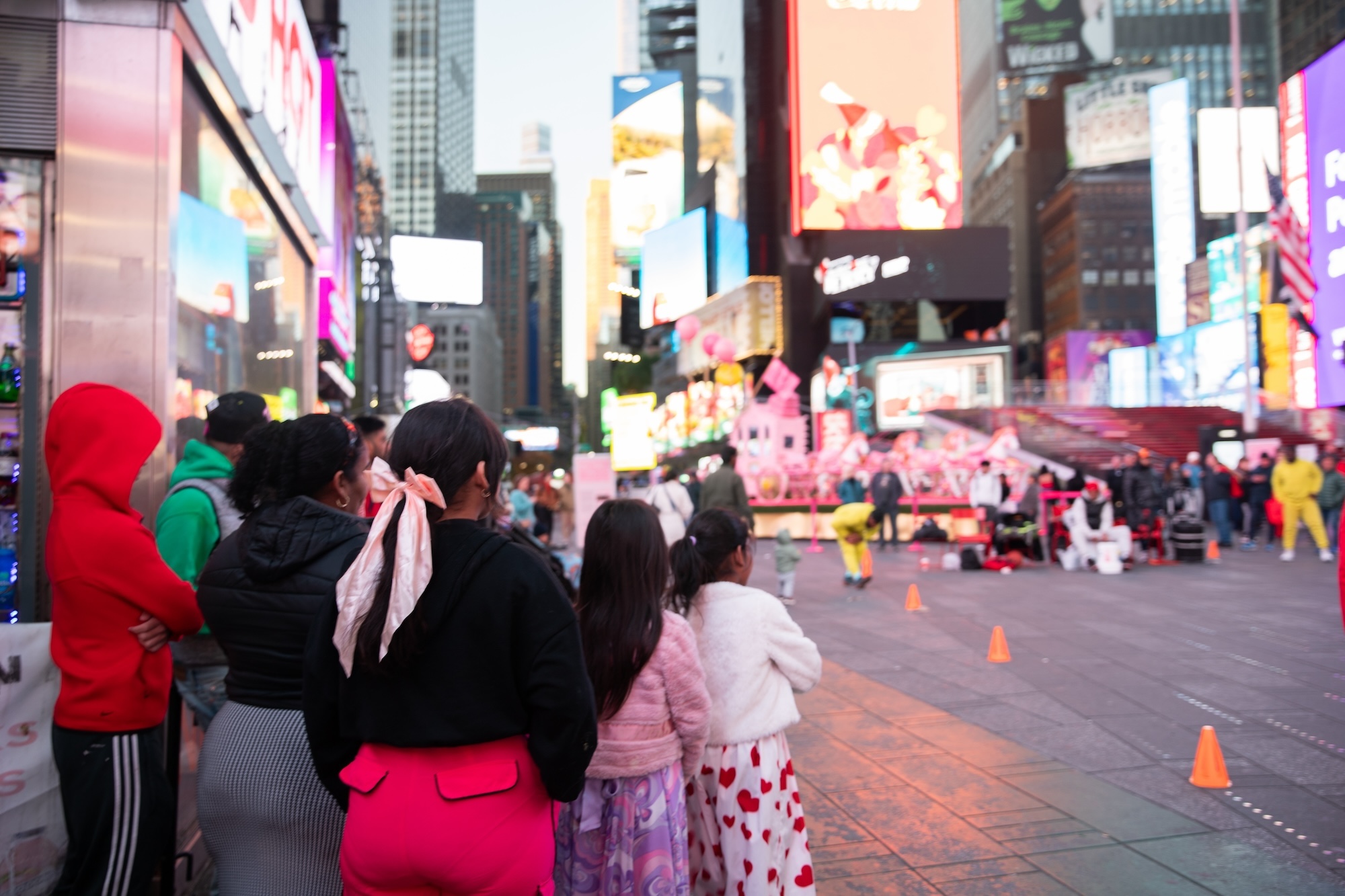
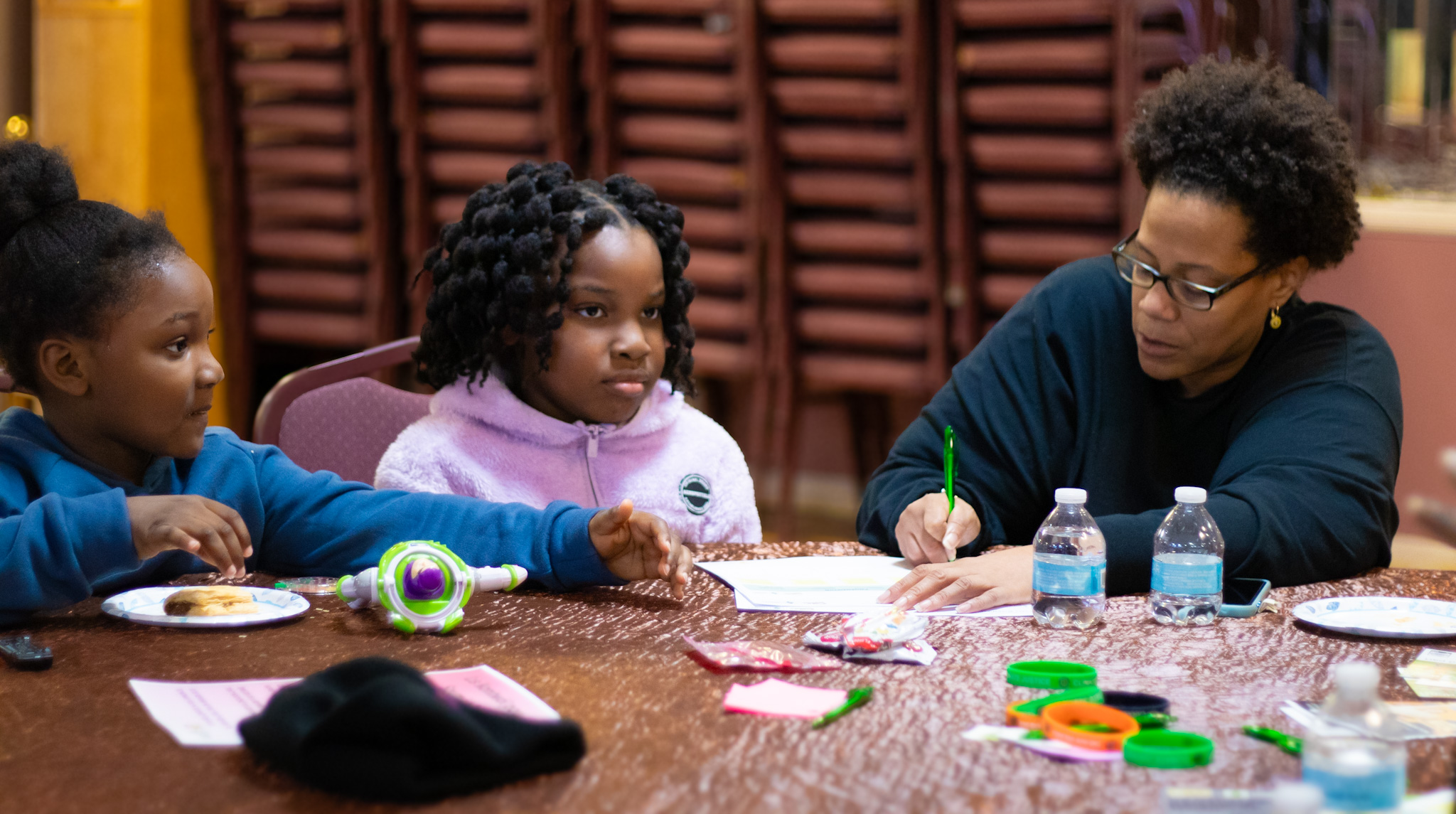
Prince-Casimir came to the workshop with two of her children, ages 6 and 8, who were also engaged participants.
你知道吗?非公民办理驾照时的这个错误可能会导致选民欺诈
The People’s Money allows residents aged 11 and up to vote on the spring ballot. Children younger than 11 are allowed to attend workshops with an adult.
This winter, from January 24 to February 22, 2026, borough assemblies composed of volunteer community residents, decided which of the many ideas will make it onto the spring ballot where residents will be able to vote during Vote Week. Vote Week is set to take place April 11 through April 19.
“This session mattered for the Haitian community in Canarsie,” said Jalloh, whose wife is Haitian. “It builds on our broader organizing across schools, libraries, houses of worship, local businesses, community spaces, and NYCHA developments to ensure every voice is heard.”