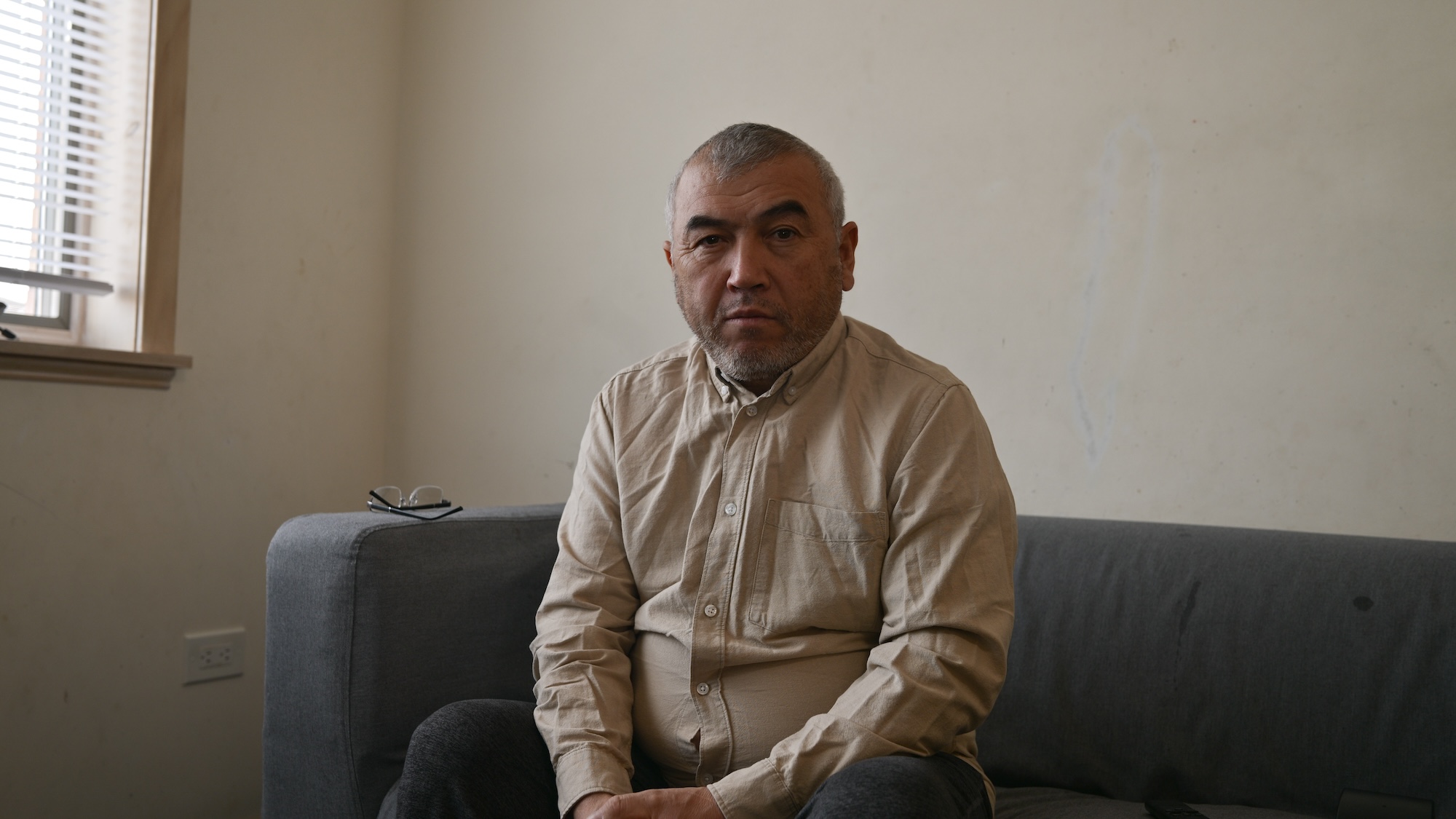


Running a fever, Momunbek Kadyrkulov curled up beneath a thin blanket in his frigid cell at Delaney Hall, an infamous immigration detention facility in Newark, New Jersey. This wasn’t the first time the thought of giving up and signing his own deportation agreement had occurred to him.
On a phone call with his son, Nursultan Kadyrkulov, who was scrambling to contact every possible resource to secure his father’s release, Momunbek sounded increasingly resigned.
“I’ll just go,” he told his son. “You don’t have to spend money on me. There’s no reason to spend money on something that might not work. I don’t want to be a burden.”

But Nursultan refused to accept that.
“Listen, Dad, you’re not going anywhere,” he replied. “There are organizations that can help. People are donating. I’m going to get you out.”
About three weeks later, Nursultan waited at a gas station near the detention center, sitting in a white Hyundai. Then he saw his father — newly released after a bond hearing — walking toward the car with a broad smile. Nursultan drove him home, where Momunbek’s family, including his newborn grandchild, was waiting to welcome him back.
Momunbek is one of more than 50,000 immigrants without criminal records currently detained by ICE in the United States. Yet, he is among the relatively few who successfully secured a bond hearing and were released before being transferred or deported. His son says that they have their community to thank.
Also Read: In New York, 60% Of ICE Arrests Involve Immigrants with No Criminal Record
“My dad is still here [with us] only because of the support we received from community organizations and so many people,” Nursultan said.
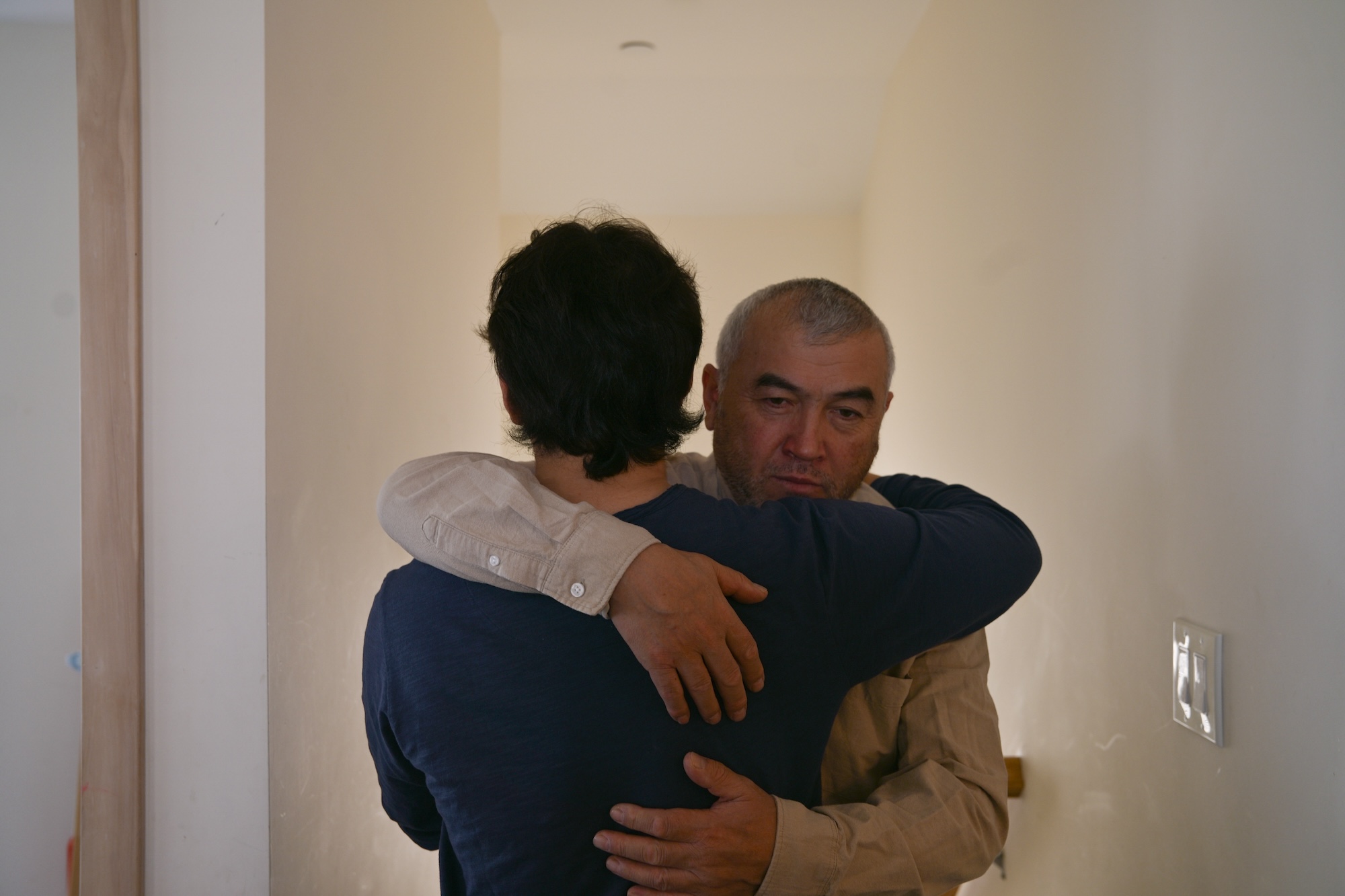
For Nursultan, a 24-year-old college student, the past month has brought dramatic changes to his family, who came to the United States seeking asylum from Russia in 2023 amid the instability following the Russia-Ukraine War. Alongside the uncertainty and stress, however, they have also encountered glimmers of unexpected generosity and support from strangers who care about their situation.
“We had high expectations for America before we came here, especially my dad,” Nursultan recalled. “He always told me it was a super nice country. Whenever we heard about freedom, human rights, or the American Dream, we thought of America as a really, really great place.”
That hope for a more promising future motivated the family of seven to begin their journey to the United States in August 2023. After multiple flights through countries including Turkey and Spain, they eventually reached Mexico. There, they signed up for CBP One — at the time the main legal pathway for asylum seekers at the U.S.-Mexico border to schedule entry appointments. After inspection at the border, the family was admitted into the United States under humanitarian parole while their asylum cases proceeded.
But life in the U.S. proved far from easy. The family moved from Miami to Chicago, often squeezing into friends’ apartments. They eventually arrived in New York City in 2024, where they spent months in shelters before finally saving enough money and gathering the documents needed to rent their own place in Ozone Park, Queens.
Like many asylum seekers, Momunbek worked hard to support his family once he received work authorization. Over time, he drove a yellow cab, worked as a truck driver, and later drove for Uber. He filed taxes every year, attended routine check-ins at 26 Federal Plaza, and, according to his family, had no criminal record.
“We tried to do everything the right way, the legal way. We never thought my dad would be detained,” said Nursultan.
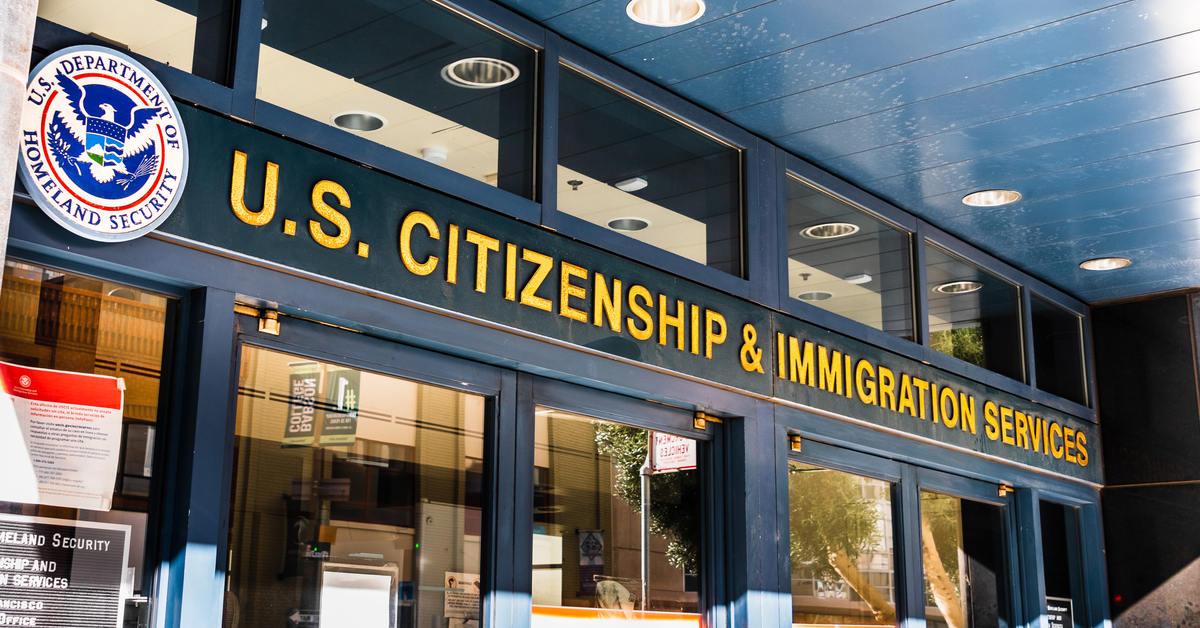
Early on the morning of Jan. 17, Nursultan drove his father to Federal Plaza for what they expected to be a routine check-in. His father asked him to wait nearby and left his phone in the car. Nursultan circled the area, stopping by the building every 30 minutes to see whether his father had come out.
About five hours later, his father was still nowhere in sight. Then, he received an unexpected call from his mother: his father had phoned to say he’d been detained and told him not to wait any longer.
Driving home with the passenger seat empty, Nursultan said he felt a swirl of shock, confusion, and dread. That night, he and his mother both broke down in tears.
“We were desperate, it felt like everything suddenly collapsed,” said Nursultan.
Before Jan. 17, the family had been embracing hopeful news: Nursultan’s sister was expecting a baby, and he was preparing for final exams to complete prerequisite courses at Kingsborough Community College, hoping to begin work as a certified nursing assistant and bring additional income to the household.
Then Momunbek was detained. With the family’s primary breadwinner gone, Nursultan said he felt he had little time to grieve. “I was racing against time,” he said, worrying about his 58-year-old diabetic father’s health and fearing he could be transferred far away if action wasn’t taken quickly.
“It was challenging, physically and emotionally draining,” Nursultan recalled. He dropped some of his classes to save money for legal fees, retained an attorney, and helped prepare documents for a habeas corpus petition and a bond hearing. At times, he even took calls from his father during class to reassure him and keep his spirits up.
Still, he wasn’t alone. With encouragement from friends, he launched a fundraiser on GoFundMe. More than 700 people donated over $28,000 to support his father’s legal defense and medical needs within just one month.
Drawing on his marketing background, Nursultan also began documenting daily life after his father’s detention, sharing updates about his family’s legal battle on Instagram. “I feel like it brings awareness to the whole situation, that’s what motivates me,” he said. His videos quickly gained traction as he gained more than 50,000 followers on Instagram in about 20 days. In addition to digital encouragement, he also received legal tips and heartbreaking messages from others whose loved ones had also been detained by ICE.
One of those viewers was Rosa Santana, co-executive director of Envision Freedom Fund, the nation’s largest immigration bond fund. After seeing his video online, she reached out. “I left a comment saying I was sorry your family is going through this,” Santana recalled. “I told him that if his dad received a bond, he should contact us. We wanted to help.”
On Feb. 6, after learning that his father’s bond had been set at $10,000 following a bond hearing, Nursultan quickly submitted a bond request to Envision Freedom Fund. Unsure how quickly it might be processed, he also arranged to post the bond directly on his own.
Three days later, on Feb. 9, he received a call from Envision Freedom Fund informing him the bond had already been posted. “They did it pretty fast,” Nursultan said. “I didn’t expect them to do it before us. I did it early in the morning, but they did it even earlier, so that was kind of surprising.” Later that day, after 23 days in detention, Momunbek was released and reunited with his family.
“It was just nice to see him out,” Nursultan said, adding that the quick release would likely not have happened without donations from supporters and assistance from the bond fund.
Still, the experience left him reflecting on how difficult the system can be for others. “That’s a lot of money,” he said. “For people who don’t get donations or support like we did, I don’t think most families can afford it.”
That concern is echoed by Santana. Cases like Momunbek’s, she said, are unusual. “Not many people get released that fast,” Santana noted, explaining that the organization has bonded out immigrants who had spent months, sometimes nearly a year, in detention. “One of the most psychologically traumatic things is not knowing how long you’ll be there.”
She said Envision Freedom Fund has seen a rise this year in both bond referrals and bond amounts, creating growing financial pressure on what she describes as the only immigration bond fund serving the greater New York region.
As of Feb. 13, the group had posted bond for 52 people, totaling more than half a million dollars. That figure is nearly triple what the organization spent in the first two months of 2025, when it posted about 16 bonds totaling roughly $150,000.
Santana attributes the increase largely to expanded immigration detention and a rise in bond approvals tied to legal challenges. At the same time, bond amounts themselves have climbed: the median bond this February has been about $12,890, compared with roughly $10,000 last year, according to Santana.
With demand surging, the organization has begun seeking support from other bond funds. “This is collective work,” Santana said. “Different organizations have to work together, there’s no way we could do this alone.”
She also warned that rising bond amounts place enormous strain on families. “Most families simply don’t have this kind of money,” she said. “It is a financial burden, because usually the breadwinner is the dad […] who usually ends up in detention. Families struggle to pay rent, buy food and diapers, and then now they have to pay for bond. Without help from organizations like ours, it becomes extremely hard for them.”
Also Read: A Family’s Fight to Bring Their Father Home
The day after Momunbek returned home, Nursultan gave him a haircut — something they’ve done for each other since arriving in the United States to save money. “He looked a little rough when he got out,” Nursultan said with a smile. “I just wanted to give him a fresh look.”

Despite his release, Momunbek’s situation remains uncertain. He is required to wear a GPS ankle monitor, and his driver’s license and work authorization are currently being held by ICE, preventing him from returning to work. The family also faces legal uncertainty: the immigration judge originally assigned to his case, Evalyn P. Douchy, who had relatively high asylum-grant rates, was dismissed last December in a justice system purge.
“We don’t know what the next step is, when the next hearing will be or who the new judge will be,” Nursultan said.
你知道吗?非公民办理驾照时的这个错误可能会导致选民欺诈
Still, he says one thing is certain: he plans to keep fighting to keep his father with the family and hopes to support others facing similar situations. Encouraged by messages from strangers telling him he belongs in the community, he now wants to give back.
“I’ve received so much support,” he said. “If I can build a stable life for my family, I’d like to donate to organizations or directly help families going through this. I want to keep raising awareness about immigration detention, share what I’ve learned, and connect people with resources so they don’t feel alone.”
For immigrant detainees who need help with bond requests, commissary support, pen pal connections, or visitation requests, they can call Envision Freedom Fund’s hotline 718-717-2007— the only live hotline in New York City that allows people inside immigration detention to call directly for assistance. The hotline runs twice a week, Tuesdays and Thursdays, from 3 to 5 p.m.