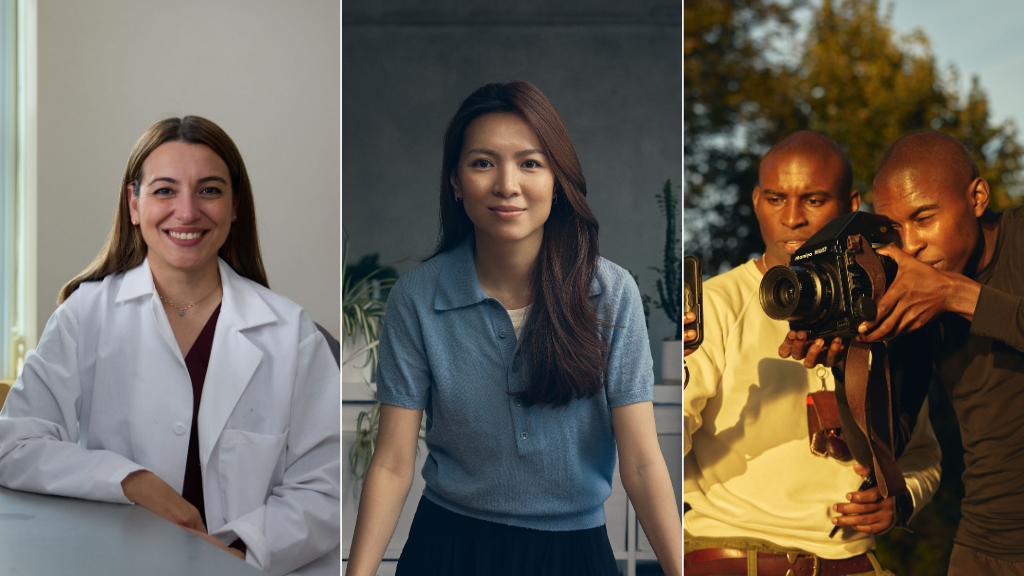


How can plant-based materials be used to reduce waste in the fashion industry? How do metabolism and nutrition affect embryonic stem cells in their early stages? Can fictional settings underscore the cultural realities of the African diaspora through photography? These are some of the many questions addressed by the 2026 winners of the Vilcek Foundation Prizes, which were announced on February 2.
During an exceptionally difficult time for immigrants in the United States, the Vilcek Foundation Prizes offer a glimmer of hope — recognizing the contributions of immigrant innovators and creatives who work across the sciences and the arts. This year’s thirteen immigrant prize recipients hail from Austria, Canada, Colombia, France, India, Japan, Mexico, Peru, Togo, Turkey, and Vietnam, and were rewarded for their work in biomedicine and fashion. For most of them, their experiences as immigrants have influenced their award-winning work, and illustrate the myriad ways that their perspectives have led the United States’ edge in innovation.

Recipient Uyen Tran found motivation in the fast fashion waste she grew up seeing in Vietnam — a country that produces over 275,000 tons of pre-consumer textile waste each year. Influenced by her time in Da Nang, she founded TômTex Inc., a company that uses feedstock extracted from plants to produce leather-like materials without toxins and plastic. Based in New York, the company collaborates with designers to produce climate-friendly garments from biodegradable materials. This year, Tran won the Vilcek Prize for Creative Promise in Fashion & Design for her leadership in this field.

“Turning overlooked resources into something valuable, transforming waste into beauty — that’s become my superpower,” Tran said. She learned how to repurpose and reuse textiles from her mother, who often thrifted and mended clothes, instead of buying new ones. “Living between cultures taught me adaptability and resourcefulness,” Tran said.
Those qualities and values can also be seen in Dr. Berna Sozen’s work and background. She was awarded a Vilcek Prize for Creative Promise in Biomedical Science for developing 3-D models that explain the process behind embryonic stem-cell formation. “By integrating metabolism to protein and genome regulation, we bring a systems-level perspective to morphogenesis, or the process by which an organism starts to take form,” Sozen said of her research. Her team at Yale University has been exploring how metabolism and maternal health affect developmental outcomes, as cells in various parts of the embryo interpret signals to build different tissues.
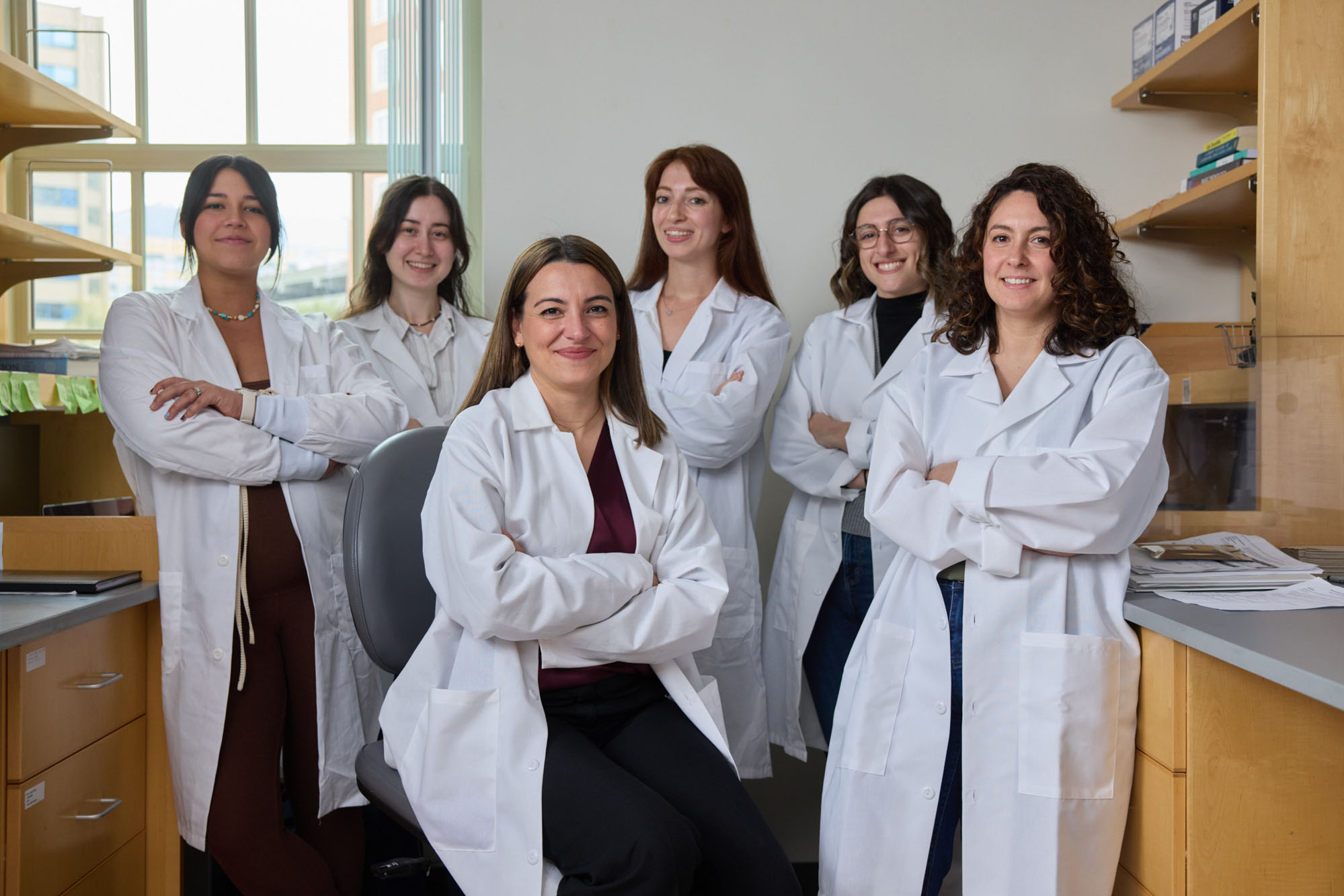
Growing up in Turkey, Sozen was the first in her family to go to college, fighting systemic and financial barriers from a young age in order to pursue higher education. “I wish more people understood how much scientific potential exists in places where opportunity is scarce,” she said, adding that there’s a great need to support innovators in places with limited access to resources.
Jalan and Jibril Durimel, twin brothers of Caribbean heritage, said they are grateful for the opportunities that were afforded to them in the United States, especially when compared to other parts of the world. “Our travels have been a clear reminder that we are very fortunate to live in a country that most people immigrate to — and not from,” they said. Born in Paris to parents from Guadeloupe, Jalan and Jibril were raised in Miami and St. Maarten, and are currently based in Brooklyn.
After several successful stints in commercial photography, which allowed them both financial freedom and some creative license, the Durimel brothers began looking at ways to expand their artistic expression beyond focusing on wardrobe.
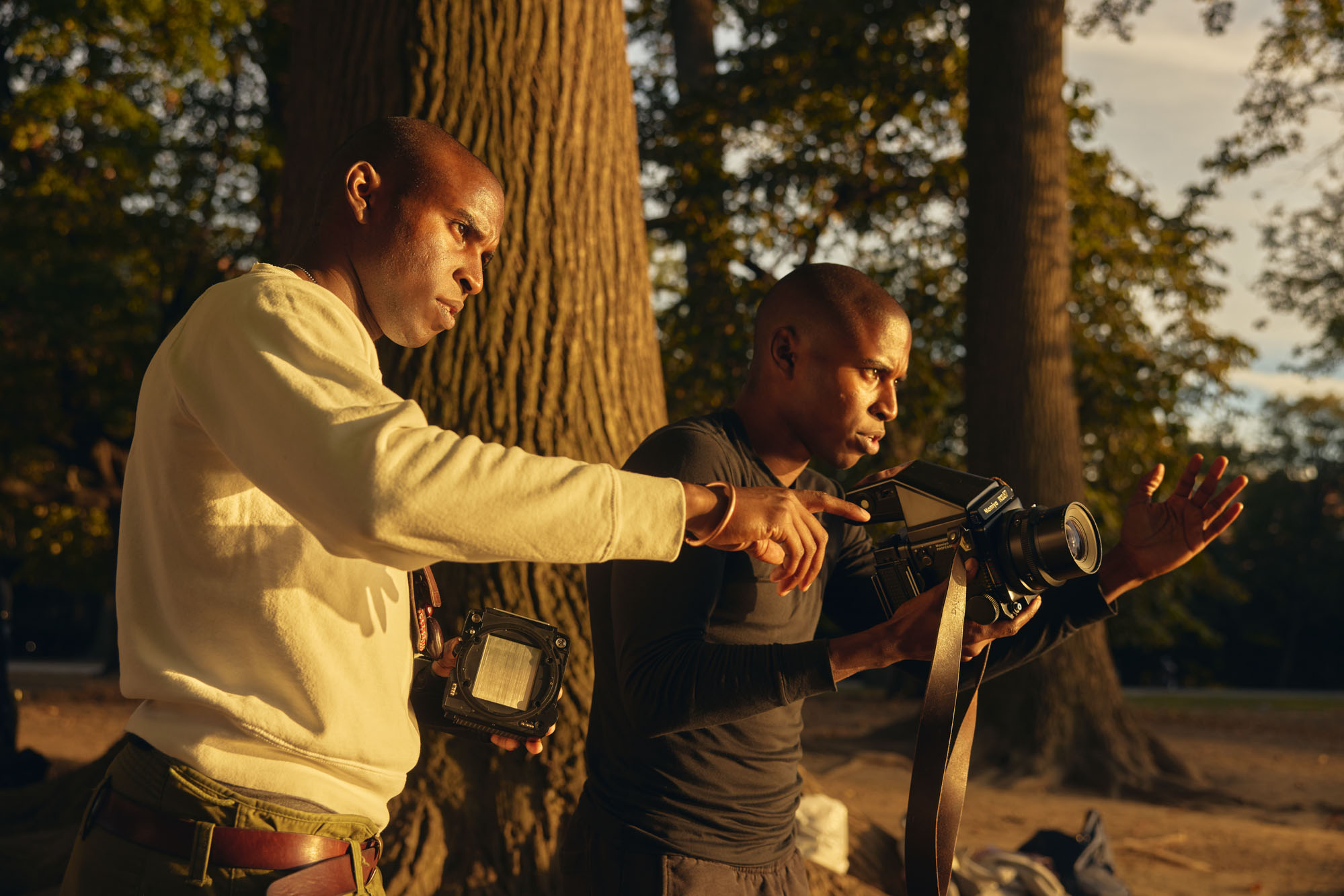
Their project, Quiet as the Country, is an eight-year-long photo series that documents quotidian life in a fictional region, incorporating elements of Western, African, and Asian aesthetics. “We have been free to design costumes, cast, explore Senegal and the Ivory Coast, and create without commercial boundaries,” they said. The brothers will finish the project using the funds from their Vilcek Prize in Creative Promise in Fashion & Culture. (You can follow their journey and watch this project’s emergence on their website.)
The Vilcek Foundation’s own origin story is rooted in the same creative promise and immigrant grit as that of the prize winners. Jan Vilcek, an immunologist who emigrated from Czechoslovakia to the United States, developed a prototype for a breakthrough drug called Remicade in the 1970s, which is used to treat Crohn’s disease and rheumatoid arthritis. Around the same time, his wife Marica Vilcek began an over thirty-year career at The Metropolitan Museum of Art, eventually becoming the head curator in charge of the cataloging department. Seeded with funds from their successful careers, the couple established the Vilcek Foundation in 2000 as a way to give back to the artistic and scientific communities that were integral to their careers and new lives as immigrants. In 2006, the foundation began awarding individual prizes to immigrant innovators and creatives to increase the organization’s impact.

你知道吗?非公民办理驾照时的这个错误可能会导致选民欺诈
Over the years, the Vilcek Foundation has expanded its prizes program to offer essential funding and support to individuals in each field. This year, they awarded four $100,000 prizes to established career professionals across the categories of Biomedical Science, Fashion & Culture, Fashion & Design, and Art History. In addition, there are several $50,000 prizes in the first three categories for recipients with outstanding early-career achievements like Uyen Tran, Berna Sozen, and Jalan and Jibril Durimel.
The announcement of these prizes come at a turbulent time for immigrant scientists and artists across the country. “The mission behind the prizes has never been more important,” said Shinnie Kim, chief programs officer at the Vilcek Foundation. “We want to celebrate immigrants’ work in the arts and sciences, particularly at this time.”
The full list of the 2026 Vilcek Prize recipients can be found here. The foundation has also opened its Call for Applications for the 2027 Vilcek Prizes for Creative Promise, which will center the themes of biomedicine and the culinary arts.