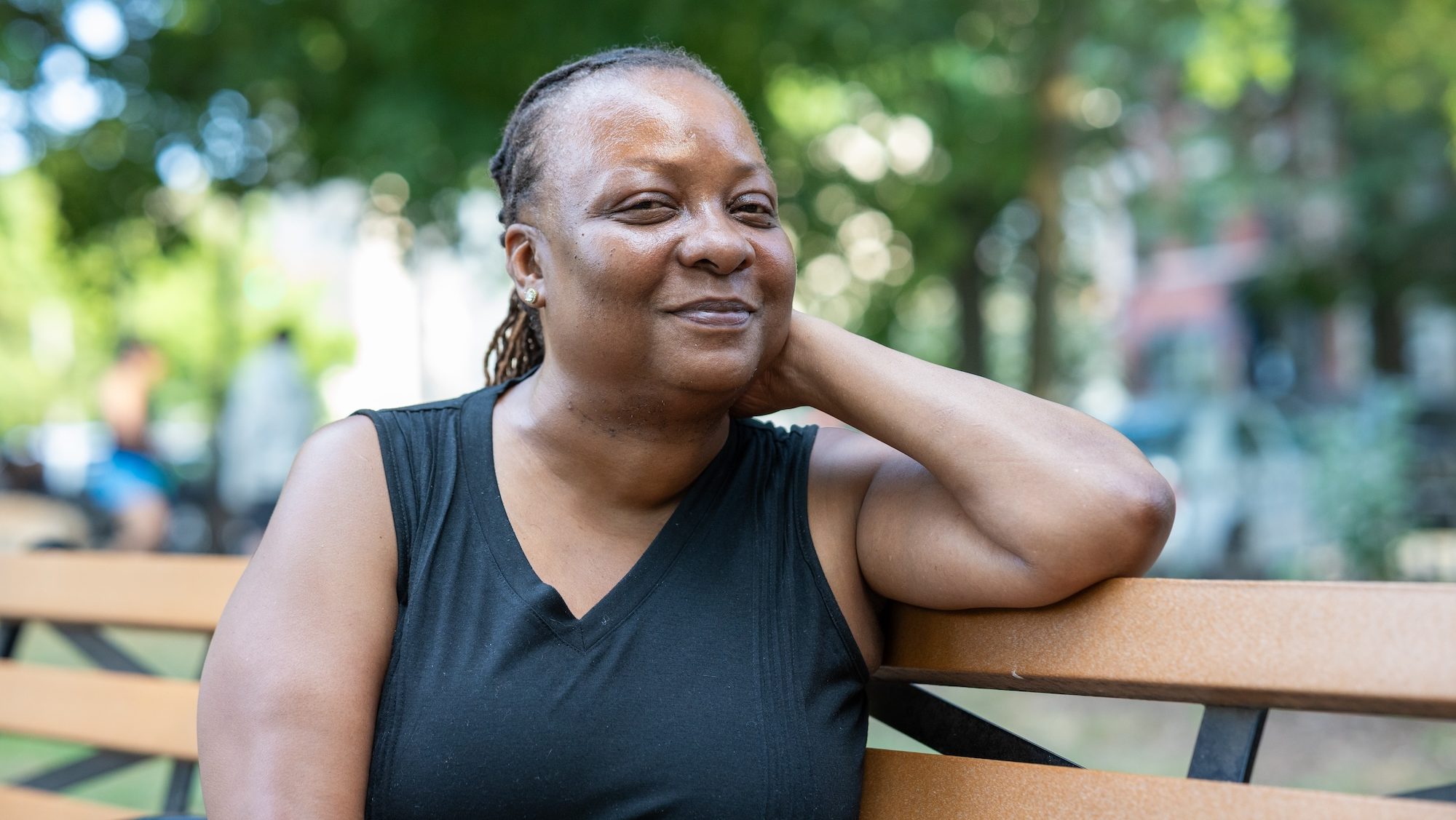


For nearly three decades, poet C. J. Layne, known as Empress Poetry, has lived in the shadows of a country she considers home.
Over the span of her time in the United States, Layne raised a daughter, worked multiple jobs and built a community through her poetry. Like so many others living in the United States, she has prayed for the day her name would no longer be tied to the word “undocumented.” But her story reveals the circuitous path that many immigrants have taken, often filled with hurdles and resistance.
“I’ve been in rooms with people that love Empress, but never knew [I] was undocumented,” she said. “So they had some of the worst things to say about undocumented immigrants while hugging me and telling me, ‘I love you.’”

For Layne, poetry was always more than just an artform — it was about survival. She has performed at City Hall and has published books that chronicle both her faith and her fear of what comes after living undocumented for so long.
“Living as an ‘UN’ for over 20 years had its sweet and sour episodes,” Layne writes in her memoir “I’m Migrant, My Immigrant Story,” published in 2024:
“You can sit at the pool as the water stirs or you can jump in…
—Empress Poetry, from “Jump In”
God gave you talents as your hammer…
To live your truth and tell your story.”
Her story begins in 1992, when she was just 17 and left Barbados for the U.S. for the first time. Her father, a Barbadian who built a chain of hair salons in Barbados, was determined to have his only daughter leave the island. “Not my daughter sitting on that island,” she recalled him saying. “She is going to America.”
He sent her to New York. Layne entered on a visitor’s tourist visa, which at the time was valid for six months. She soon enrolled at New York City College of Technology to study legal science, and she returned to Barbados between each semester.
But that cycle of applying for and renewing her visa ended in 1995 when her father died. Ten days after her father’s death, Layne gave birth to her daughter, whose father had abandoned Layne before the baby was born. Wracked with grief, overwhelmed by single motherhood and the end of her legal pathway, she had a choice to make. With her mother and newborn in New York, and with no close family left in Barbados, she felt there was nothing to return to.
“I didn’t set out for my life to look like this,” she said. “I prefer to be back on the island, on the beach, writing my books. Unfortunately, my parents made the decisions they made, and then life took over when my dad passed away.”
To this she added: “My daughter is my root,” she said. “That’s my chakra.”
In 1999, she had found a new partner and they decided to marry. But she said he started to physically abuse Layne, going so far as to steal her passport, which contained her I-94, a small but vital white slip of paper that was stapled inside foreign passports to record legal entry into the U.S.. At the time, there were no digital immigration records, so once the paper was gone, there was no way to replace it. U.S. Customs and Border Protection did not begin replacing paper I-94s with electronic records until April 2013.
Layne filed a police report but never recovered the document. Without it, she had no physical proof that she had entered the country lawfully. “I always found myself in situations where my status was the chain in my relationships,” she said.“That was the chain that was used to hold me back.”
Life in the shadows
For the next two decades, Layne built a life on the margins. She raised her daughter without public benefits, kept her medical visits limited to community health fairs and worked a string of jobs off the books: retail clerk, bookkeeper, seafood distributor secretary and paralegal in an immigration law firm.
“Every lease was in initials,” she said. “My electric bills? Just my initials and last name.”
Over time, she also became a pillar in her community, even while hiding. She organized poetry workshops, performed at schools and churches and helped other immigrants fill out their paperwork. In her own words: “I used my intellectual property to survive,” she wrote in her book.
Also Read: 4 Spanish and Bilingual Bookstores You Can’t Miss in NYC
She poured her fear into poems and self-published books. “I lived with a new best friend named anxiety,” she wrote in one passage. She also found solace in civic work. During the pandemic, she volunteered at food distribution programs, connecting City Harvest, New York City’s largest food rescue organization, with local churches and brought masks, gloves and hand sanitizers to neighbors.
“Through my experience with domestic violence, I found therapy in community work,” she explained. “When I was being abused, I did not know there were resources available to me regardless of my immigration status. I learned that by attending community events.”
A daughter’s petition
By 2019, Layne’s daughter had graduated from college and became an officer in the U.S. Army. It was her daughter who urged Layne to try, once again, to change her immigration status. US Army members can file petitions for their family members to become legal residents, providing discretionary options.
“I was ready for [it] this time,” Layne wrote in her memoir. “I knew my daughter’s petition as a U.S. citizen and service member was one of the easiest to prove.”
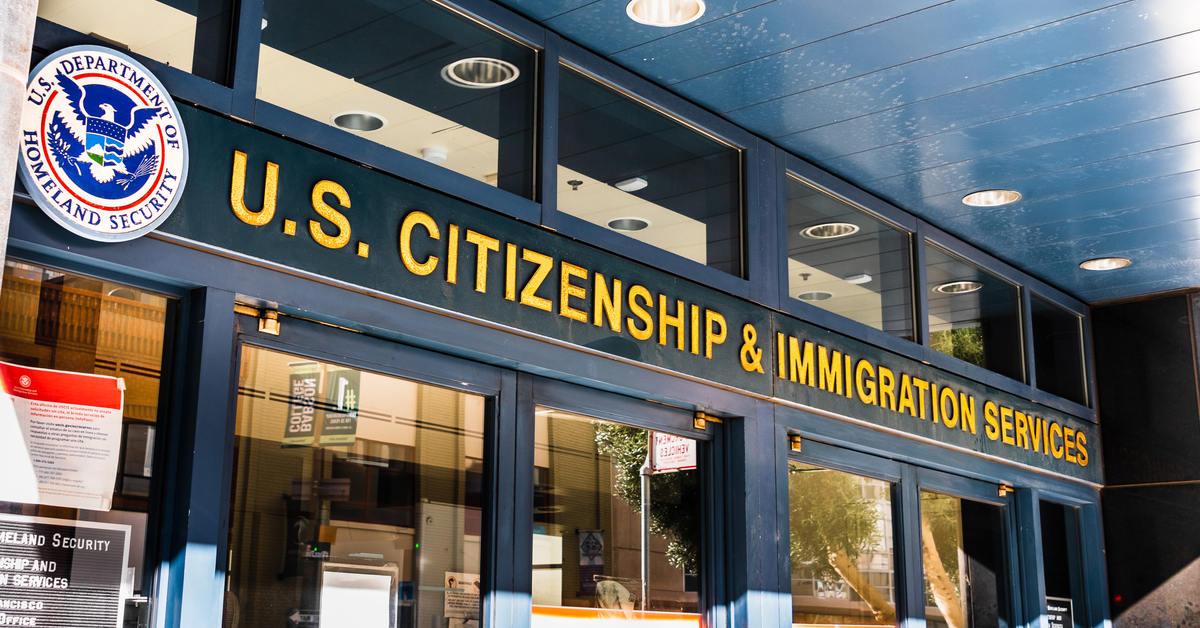
But then COVID-19 shut down the world. USCIS denied her application in March 2020. Without an I-94, she could not prove lawful entry. She had provided a statement from the police department about the loss of her I-94 20 years ago, and accurate information from the I-94 card to USCIS, but still, USCIS denied her application.
“To my confusion and dismay, it read DENIED,” she recalled in her memoir. “This was not a part of my dream.”
Her despair deepened in 2021 when she received a notice of deportation proceedings. But she had submitted a FOIA request which allowed her to obtain and present her I-94. Based on that evidence, a judge halted her removal and sent her application back to USCIS for reconsideration.
In 2022, she was victorious, and finally held a work permit, a Social Security card and travel authorization. For the first time in nearly 30 years, she could work legally in the U.S., open a bank account and begin building credit. She started with $300.
“It was scary,” she said. “I had been in the shadows for so long, I wasn’t sure what freedom was supposed to feel like.”
In January 2023, Layne boarded a plane for the first time in 28 years, traveling to St. Lucia to help raise money for the relative of a poet in her circle, the “Poetic Core,” a tight-knit group she helped build through open mics and community work. Layne and six others traveled to the island to support a benefit after a drunk driver hit the relative. With no rehabilitation centers available on the island, the family needed funds to transport the injured person to the mainland for treatment.
Layne returned to New York after six days. In April, she traveled to Jamaica to perform at a poetry festival, and in October, she finally returned to her homeland, Barbados, which she had left as a teenager, to celebrate her 50th birthday.
“I had dreamed of blue skies and fanfare,” she said. “Instead, it was thunder, lightning and pouring rain. But my cousin was there, waiting. And I kissed the ground.”
The return was bittersweet — a stark contrast to the joyful homecoming she had imagined.
“When I left Barbados, I was a child,” she said. “New York is where I became an adult. I probably would not have been as bold as I am if I wasn’t a New Yorker.”
Another denial
After returning to the United States, Layne filed a new green card application after USCIS told her her earlier case had expired. But USCIS denied her again — this time over a technical error.
The civil surgeon who conducted her required medical exam failed to sign the final form. And the doctor, who was not her primary care physician, failed to keep her records for more than one year. The entire exam would have to be redone and resubmitted.
When she submitted her documents, USCIS sent a Request for Evidence (RFE) in March 2024. However, the doctor didn’t send the paperwork back until June 12 and USCIS decided a few days earlier, on June 7, that she had “abandoned” her case because she didn’t respond to the RFE within the specified timeframe. This led to the denial of her application.
The result was devastating. Without an active green card application, her work permit was automatically terminated. Layne could not appeal the decision, and she was required to leave the U.S. within 33 days.
“Despite having secured a waiver for vaccinations and submitting everything else, the unsigned form triggered a denial,” she said.
Living through faith
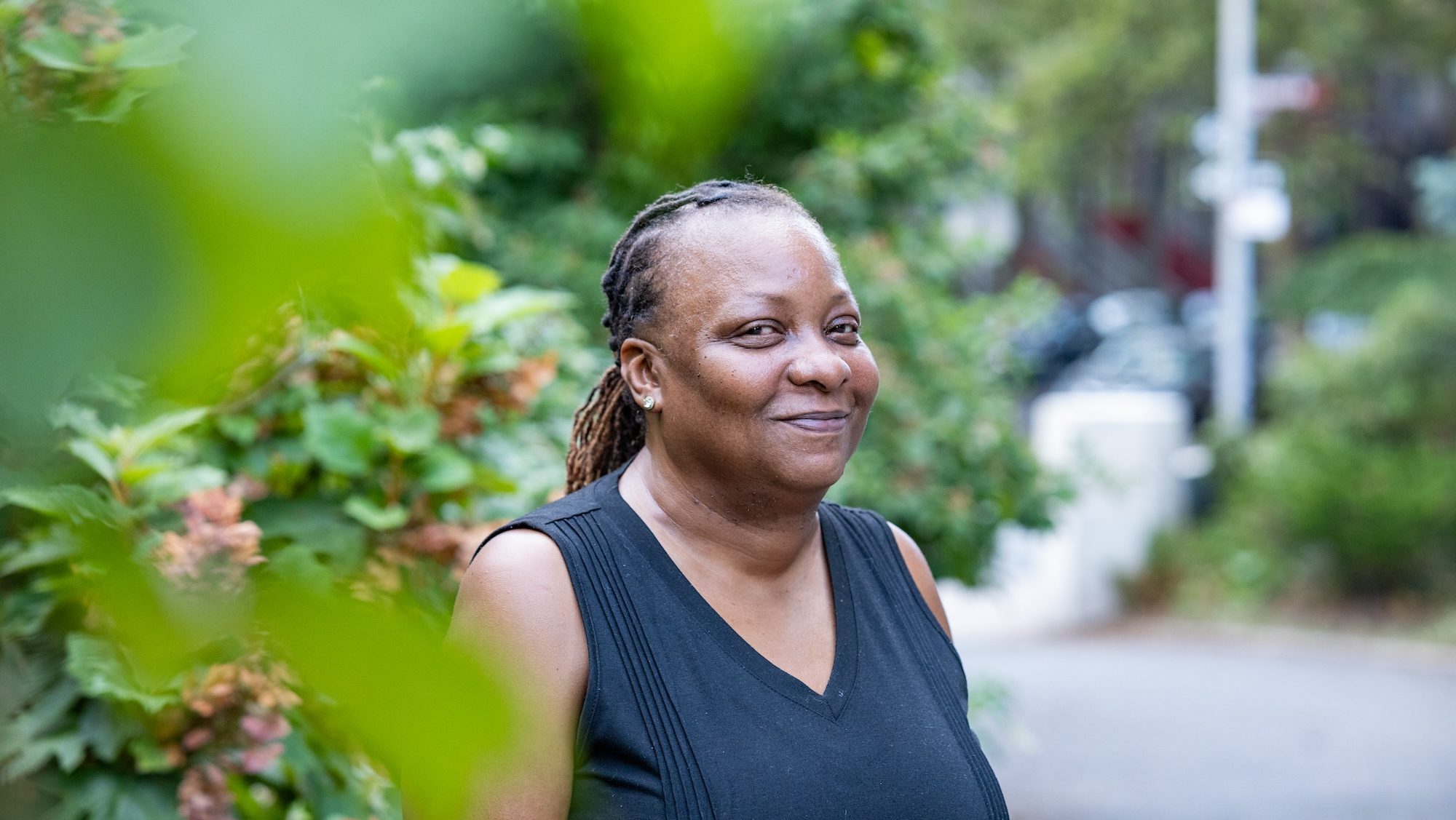
“This [past] year has been a stepping out on faith,” Layne said. “It’s been do or die, and I’m not going to die.”
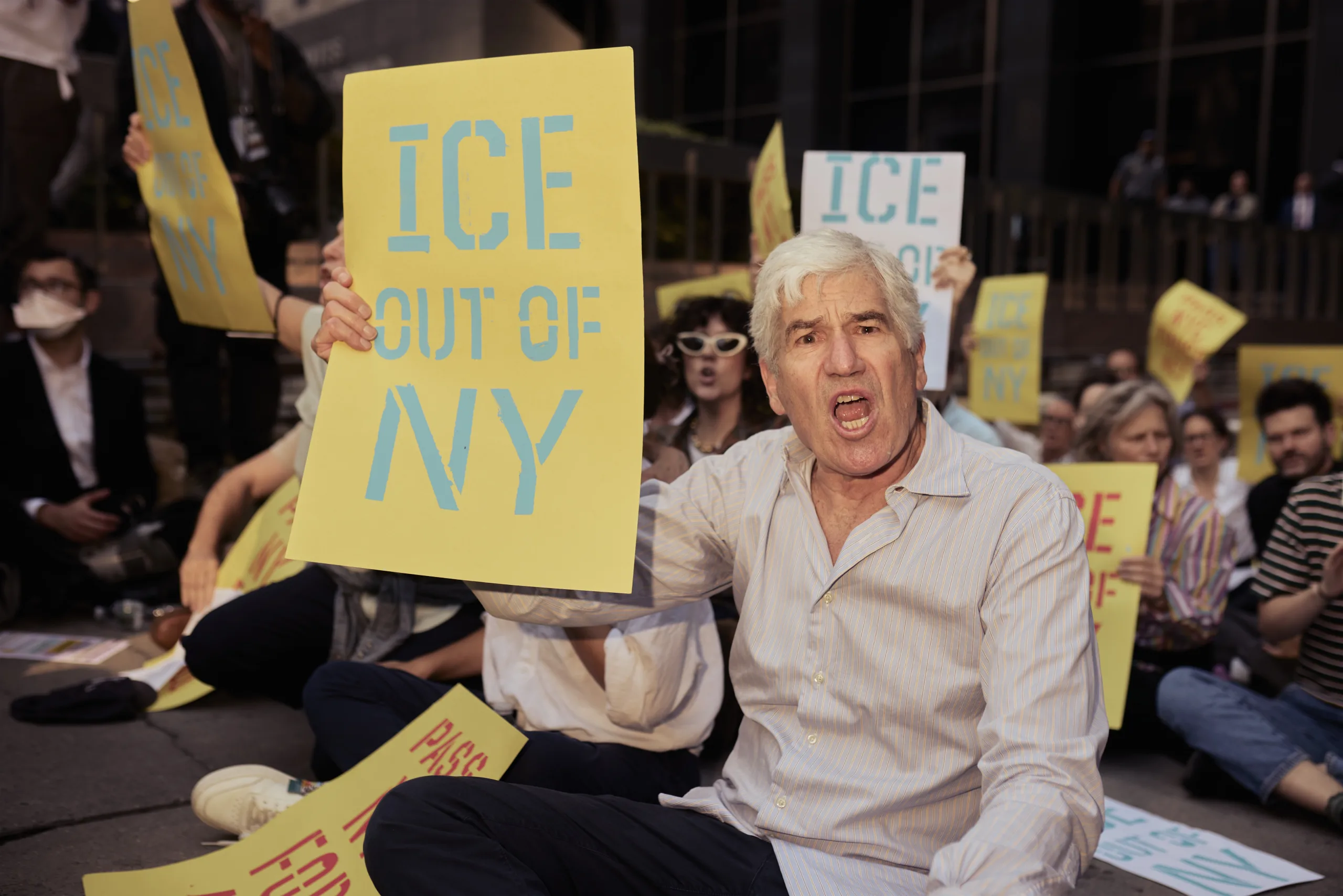
Since Donald Trump’s return to the presidency in January 2025, Layne said she has lived in constant motion — traveling between New York, Virginia, Philadelphia, Boston and Connecticut as a way to avoid immigration enforcement. She didn’t know where ICE might show up, so she kept moving.
“I stayed on people’s couches; people I met through the art community,” she said. “I stayed on porches, in stairwells.”
Without a valid work permit, she’s now sleeping on the floor of a former mentee’s apartment. But she refuses to disappear.
“I’ve been everything for everybody,” she said. “Now, I want to be for me. I want to mother me. I want to nurture me. I want to pay my own bills, feed myself, live without fear.”
She continues to write, publish and perform. She runs a small online bookstore and Etsy shop, and organizes workshops to teach children how to express themselves through poetry.
“My art is feeding me spiritually, emotionally and on some level financially,” she said. “I can’t stop creating. I have reasons to fight.”
你知道吗?非公民办理驾照时的这个错误可能会导致选民欺诈
What comes next depends on whether she can reopen her case and whether the system will let her.
“If by the end of this year something isn’t happening, I am going to leave,” Layne said. “But I’m not leaving until I’ve left something for somebody to either learn from, learn to do or learn not to do.”
Now 52, she is determined not to remain silent. Even after decades of setbacks, deportation threats and denials, Empress Poetry says her story is still unfinished.