

Inside the St. Paul & St. Andrew’s Church on the Upper West Side, Niurka Meléndez stood in front of nearly 100 migrants, many from Venezuela. It was Monday, two days after Venezuelan President, Nicólas Maduro, had been captured in the middle of the night by U.S. forces.
Meléndez, the founder of Venezuelans and Immigrants Aid (VIA), which for the past decade has helped thousands of migrants integrate into American society, asked attendees to raise their hands if they felt that their family back in Venezuela could be persecuted for celebrating Maduro’s capture.
“You’d be amazed at the number of brothers and sisters who raised their hands at that moment,” Meléndez said, adding that while many expressed happiness during the three-hour long gathering, their spirit of celebration had an added layer of uncertainty. “The persecution continues, the fear continues, the oppression continues.”
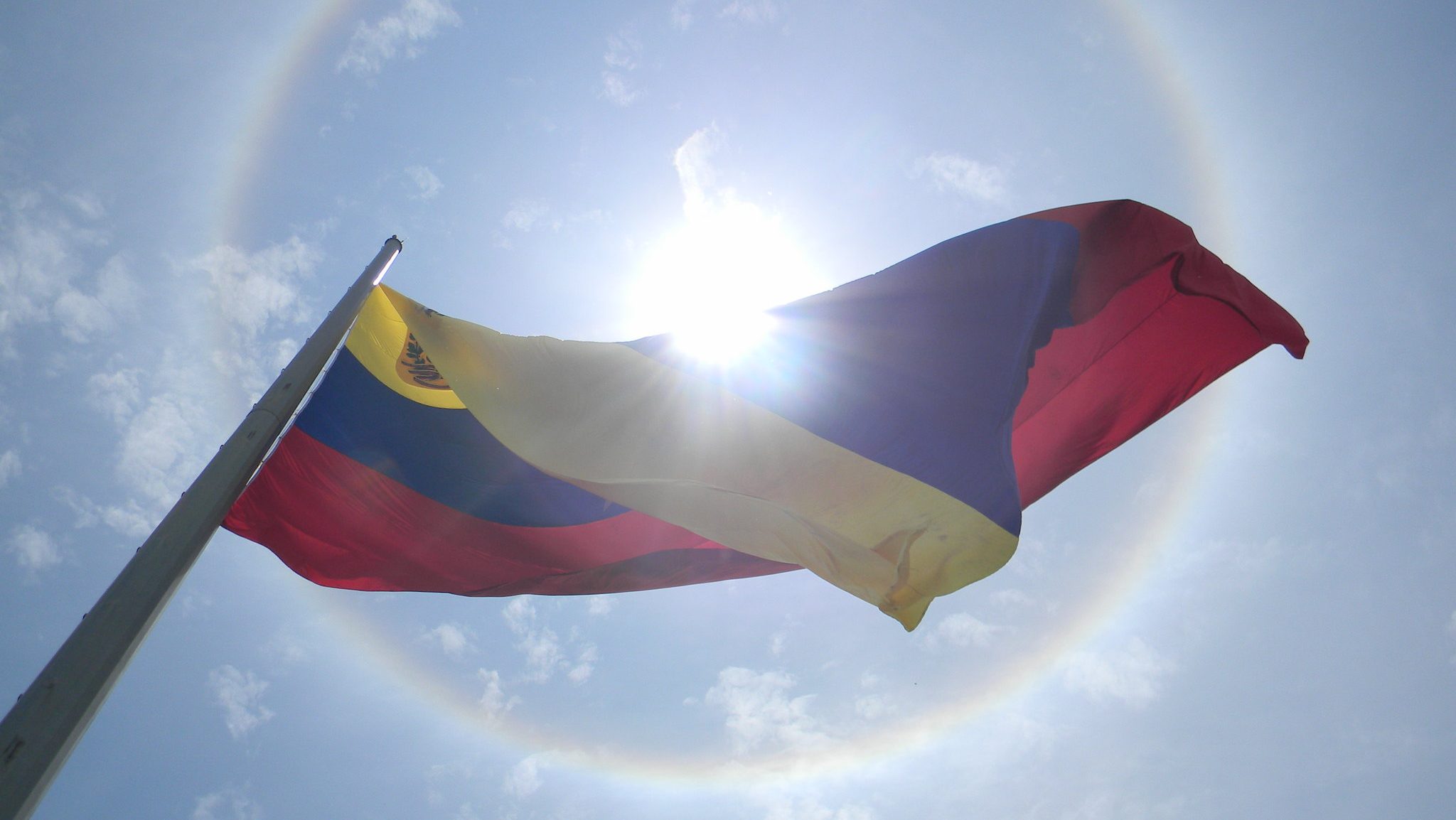
The scene inside that church exemplifies the complex emotions surrounding Maduro’s capture: while many of the roughly 8 million Venezuelans who fled the country since 2014 celebrated, some Venezuelan immigrants who Documented spoke to are also feeling uneasy not only about the long-term consequences of U.S. intervention in their home country, but also for their future in the U.S. In New York City, which has seen an influx of thousands of Venezuelan asylum seekers in the past five years, some took to the streets after the capture, hailing what they see as the end of a decades-long regime. But as the celebrations faded, uncertainty has begun to set in, leaving migrants who have pending asylum cases anxious about what comes next for them and whether they will be able to remain in the United States.
“I told them all this is just happening, we have to wait,” Meléndez said, referring to the capture of Maduro. “Besides, asylum isn’t based on the country’s status; asylum is case by case.”
“The persecution continues, the fear continues, the oppression continues.”
—Niurka Meléndez
As Documented reported last week, Venezuelan asylum seekers reacted to the news with celebratory tones, but at the same time, some also said they aren’t eager to return to their home country. They have established their lives in New York City— they’ve built a home here, made friends here, they’re sending their children to school here, and they know that Venezuela still has to rebuild.
Pedro Chavez, an immigration attorney with more than seven years of experience working with asylum petitions, said that it is a bittersweet situation for both people who have pending cases who want to stay and for immigrants who want to abandon their claims and go back to Venezuela.
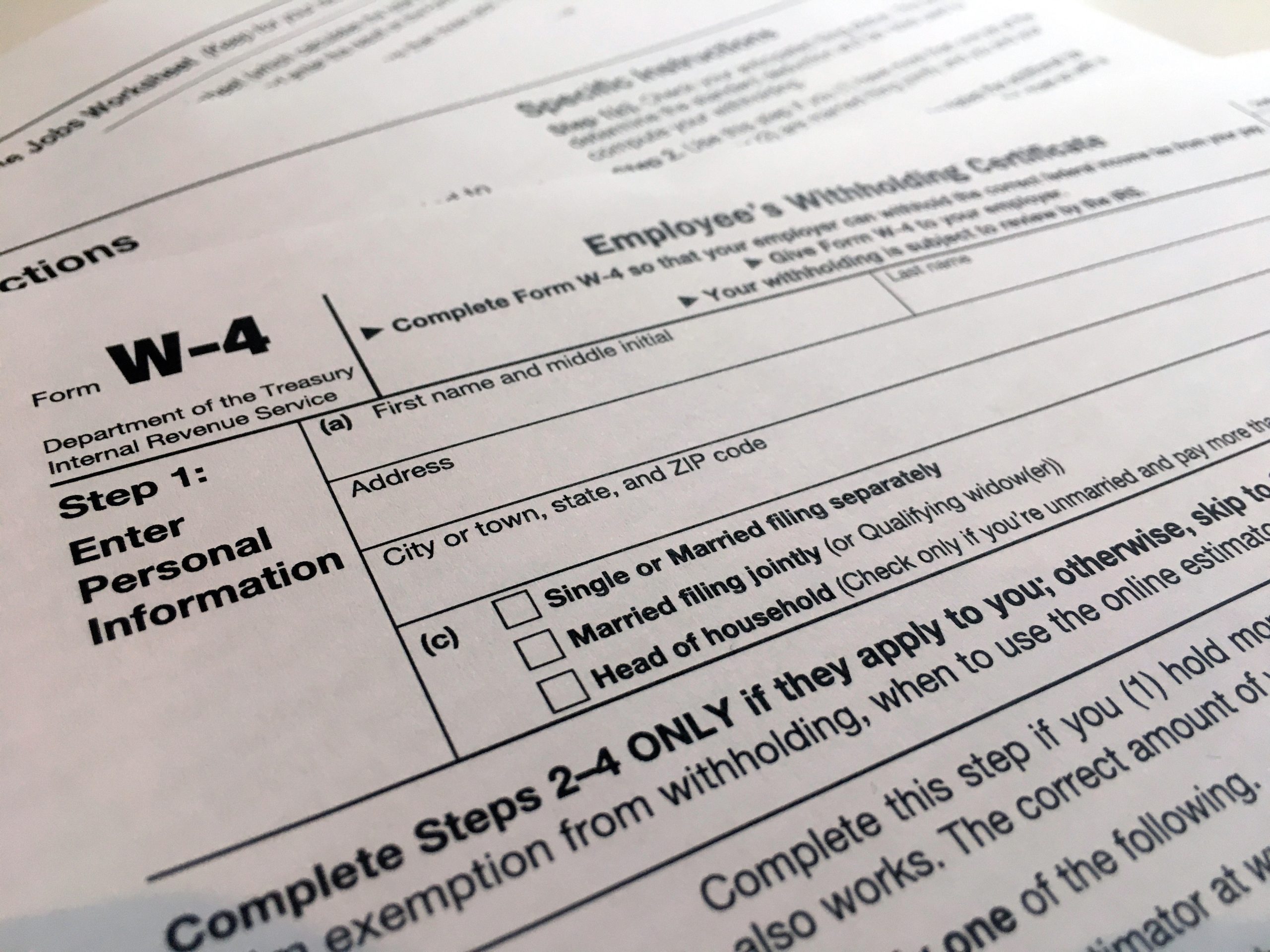
Chavez laid out a scenario where the U.S. government and Venezuela reach an agreement that, in theory, would make Venezuela safer for political dissidents or opponents of Maduro’s regime. If that happens, the U.S. government can argue that it is safe for asylum seekers to go home and deny pending asylum claims. Many of those cases have been on hold since December, when the Trump administration paused asylum decisions for cases processed by USCIS.
There is historical precedence for this. Chavez explained that when the civil war in Guatemala ended in 1996, the U.S. government denied around 250,000 I-589 Guatemalan political asylum petitions on the premise that the country was no longer undergoing war. He added that Venezuelan petitioners and those without lawful status could meet that same fate.
For those who wish to remain in the U.S., Chavez said immigration lawyers have been making arguments that it is still not safe in Venezuela. “There are all the colectivos (pro-government armed groups in Venezuela). We don’t know what’s going to happen,” he said, emphasizing that asylum seekers should speak with their lawyers to strengthen their petitions.
Diana V., 31, a Venezuelan asylum seeker living in Yonkers, said she is concerned about the possibility that the U.S. would deny asylum petitions on the grounds of Maduro’s capture. She and her husband, Ricardo C., 31, have been worried about their asylum petition, especially because their final court hearing — where the judge will approve or deny their petition — will take place in March. They fled political persecution and arrived in the U.S. in December 2022.
Also Read: ‘I Wanted Him Gone – But Not Like This’: Venezuelans in New York React to Maduro’s Capture
“We have been living here for three years, we have a home, we have stability, we are learning the culture and we are working really hard every day,” Diana V. told Documented in Spanish. “To go back to Venezuela, where we do not have the freedom [to speak] that we have here would be like a shock.” Diana V. added that the termination of TPS for Venezuelans was also demoralizing as it took away a protection they had both received.
Like Chavez, the married couple emphasized that Maduro’s capture is just a start — which they celebrated by joining a parade near their home — but also that Maduro was just the “the face who represents the dictatorship, but not the brain that sets in motion the whole operation.”
Ricardo C. added that family and friends back in Venezuela have also been unable to celebrate Maduro’s capture, due to fear of being detained. “We have seen on WhatsApp and social media that the colectivos are on the streets, they intimidate people, checking their cell phones,” he said.
“There are people that are worse than him in Venezuela, among them Diosdado Cabello, who runs the colectivos,” Ricardo C. continued, referring to Venezuela’s interior minister who runs the regime’s security apparatus and whose influence rivals that of interim president Delcy Rodriguez. They both reiterated that they would love to see a Venezuela in the future that gives them the same rights and freedoms that they have here.
你知道吗?非公民办理驾照时的这个错误可能会导致选民欺诈
Meléndez emphasized that asylum petitions should not be tied to Maduro’s capture, and said that the oppression that’s been experienced since Hugo Chávez took power in 1999 continues to impact the Venezuelan community today, the same way it has for the past 27 years. She explained that colectivos — along with powerful figures like Cabello, Pandino López and the Rodriguez brothers — continue to persecute Venezuelans for speaking out.
“Every asylum case is based on, which is important to say, a particular reason [for persecution] and not the leadership of a country,” Meléndez said, adding that while a country’s leader can help strengthen a case, it is what puts someone at risk of persecution that matters for asylum seekers.
In the meantime, as their court hearing approaches, Ricardo C. and Diana V. both say they have been keeping up with new developments and communicating with their lawyer to ensure they are ready for the hearing. “There are many things that could change, and, obviously we are afraid that they will say that we will have to go back to our country because things changed,” Ricardo C. said. “But they [the regime] have not fallen. They are still there, they are still governing.”