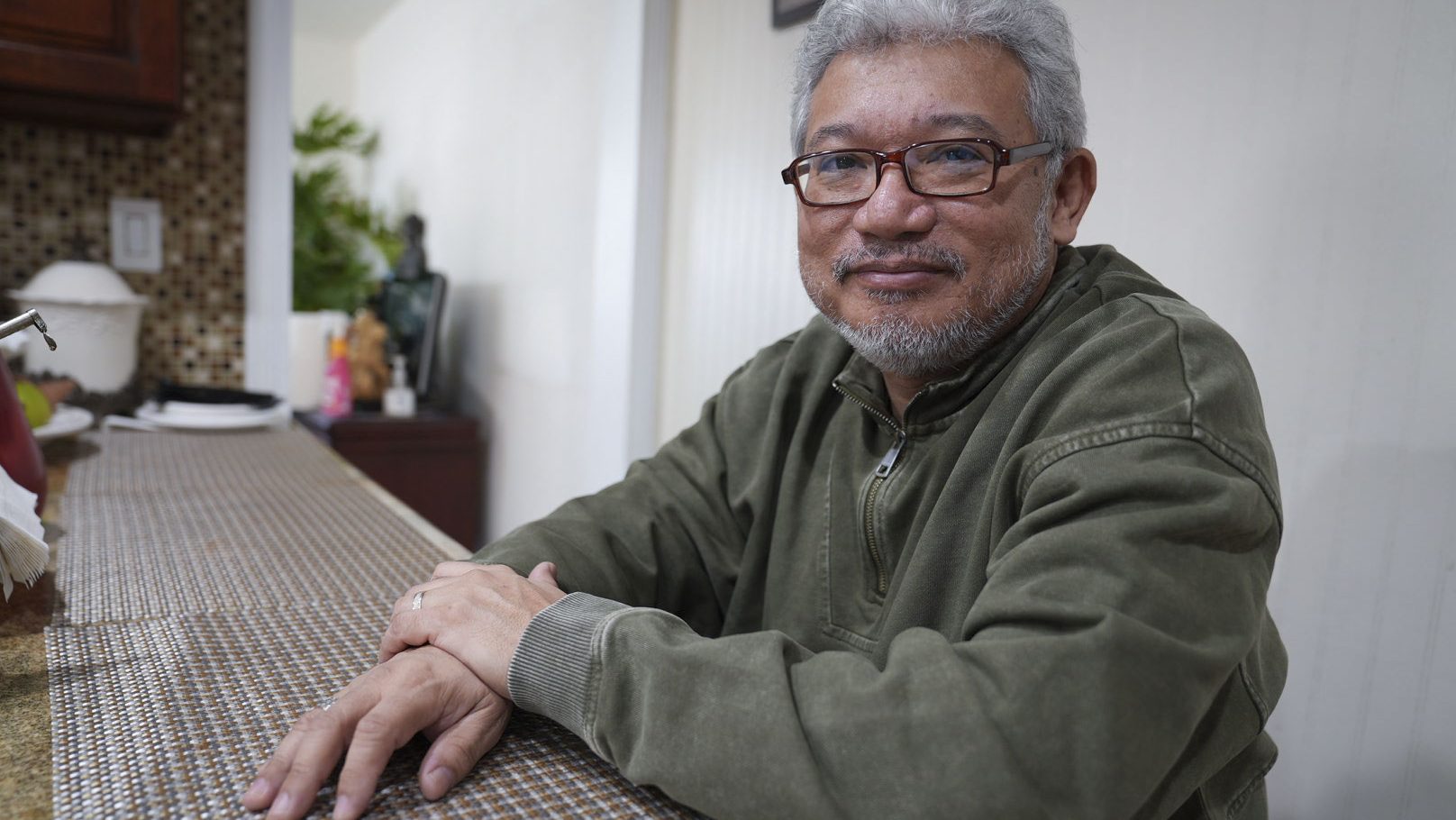


Peter Asan didn’t think much of it when his cousin asked him for a ride. Asan, who was 19 at the time, had lived with his cousin and aunt since he was just 14 years old and had never hesitated to help a family member, he told Documented.
Unbeknownst to Asan, his cousin had just robbed a supermarket and killed the supermarket’s manager when he told Asan he was intoxicated and asked for a ride to a hotel on that fateful day in 1985. One day later, Asan was arrested, charged alongside his cousin, convicted of attempted robbery, and sentenced to five to 15 years in state prison.
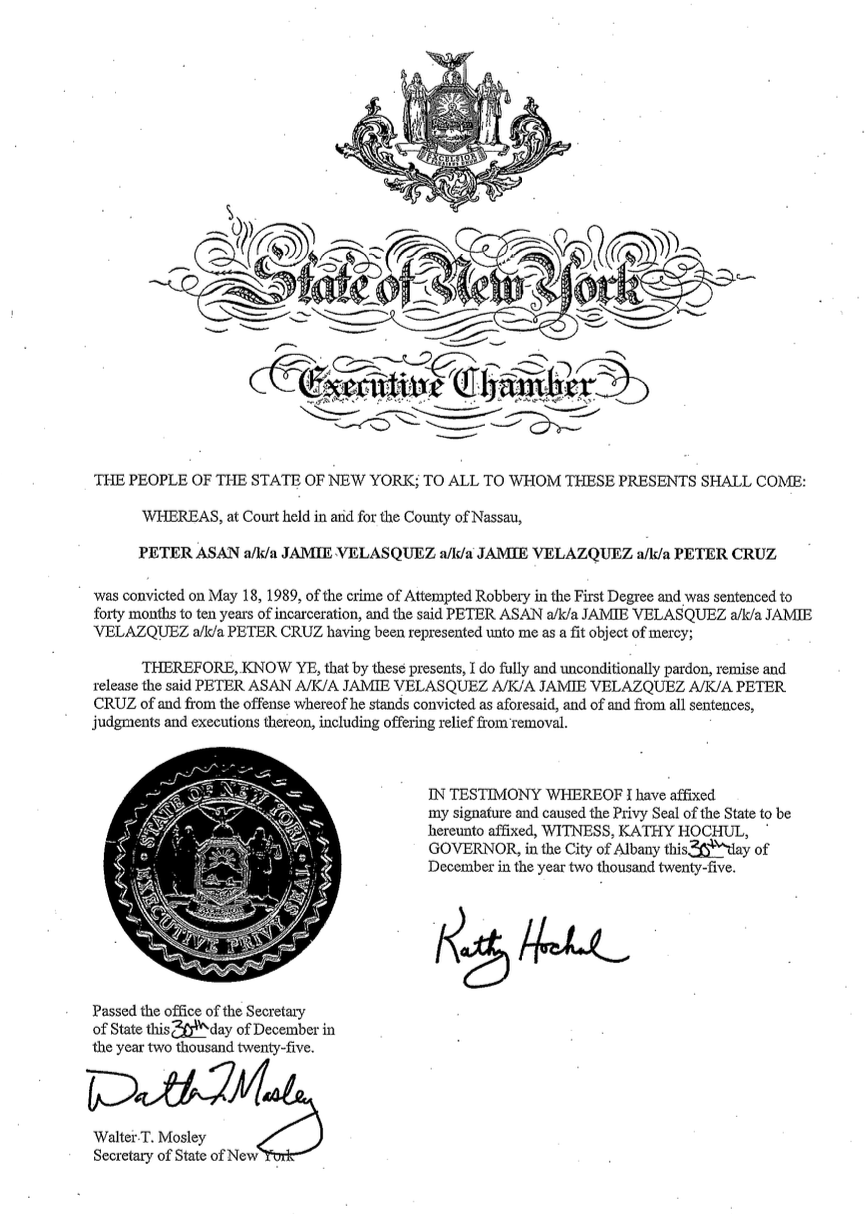
Asan spent three and a half years in prison for a crime he didn’t commit before finally taking a plea deal. And on December 30, 2025, 40 years after his arrest, he received a pardon from New York Governor Kathy Hochul, which can provide relief for some or all consequences from criminal convictions. This conviction has haunted him and thwarted his immigration status for the past four decades. And despite the pardon, he’s worried that the conviction will upend his next immigration check-in this coming Tuesday at 26 Federal Plaza.

“If it wasn’t for this administration I wouldn’t have anything to worry about,” said Asan. “Now I just have to hang in there.”
Immigrants with criminal convictions like Asan have always had a harder time attaining legal status in the U.S., but President Donald Trump’s crackdown on immigrants in the past year has made the process even more difficult.
Even minor offenses such as weed possession or traffic violations have led to deportations since Trump became president for the second time. An analysis from The Marshall Project shows that the monthly number of people deported whose most serious conviction was a traffic violation more than tripled in the first six months of 2025. A Documented analysis of statistics from the Deportation Data Project also shows that roughly 60% of recent immigration arrests have been of people with no criminal background. Trump and his administration have also stated that all undocumented immigrants are criminals.
The criminal justice and immigration systems have not always been as closely entangled as they are today. The criminal justice system, which centers on penalties and prevention of crime, and the immigration system, which has historically been more administrative, were fairly independent from one another until the 1990s, David Brotherton, a professor of sociology at John Jay College of Criminal Justice and CUNY’s Graduate Center, told Documented. After the Illegal Immigration Reform and Immigrant Responsibility Act (IIRIRA) was passed in 1996, the two systems became more intertwined.
The act represented a “sea change in how we handled immigrants,” Brotherton said. “And one of the big things was that whatever you did in the past, regardless when it was, if it was a felony … that made you then immediately deportable.”
This law eventually ushered in the idea of the “good” and the “bad” immigrant, rhetoric that Brotherton said was popularized under President Barack Obama’s administration, when immigrants who had a criminal background became main immigration enforcement targets — and when, in turn, deportations rose to record levels.
Trump’s recent and seemingly indiscriminate crackdown on immigrants has led to more fear and uncertainty. Many immigrants say they’re worried about going to their routine check-ins like the one Asan is attending on Tuesday. Brotherton said that under another administration, Asan would have had a good chance at eventually receiving legal status. But under the Trump administration, Brotherton says it’s unclear. He’s seen several measures, including the dismissal of judges who granted more asylum cases, that may pose an issue for immigrants like Asan.
And so, Asan is worried.
Even for immigrants with criminal convictions that are grave on paper — like attempted robbery cases such as Asan’s — the underlying circumstances of each case may be more complex than they appear.
Asan had just graduated from high school and was preparing to enroll in college as a fine arts major when the robbery occurred and changed the course of his life.
“I had never been in trouble in my life [until then], and this was totally something different to me,” said Asan.
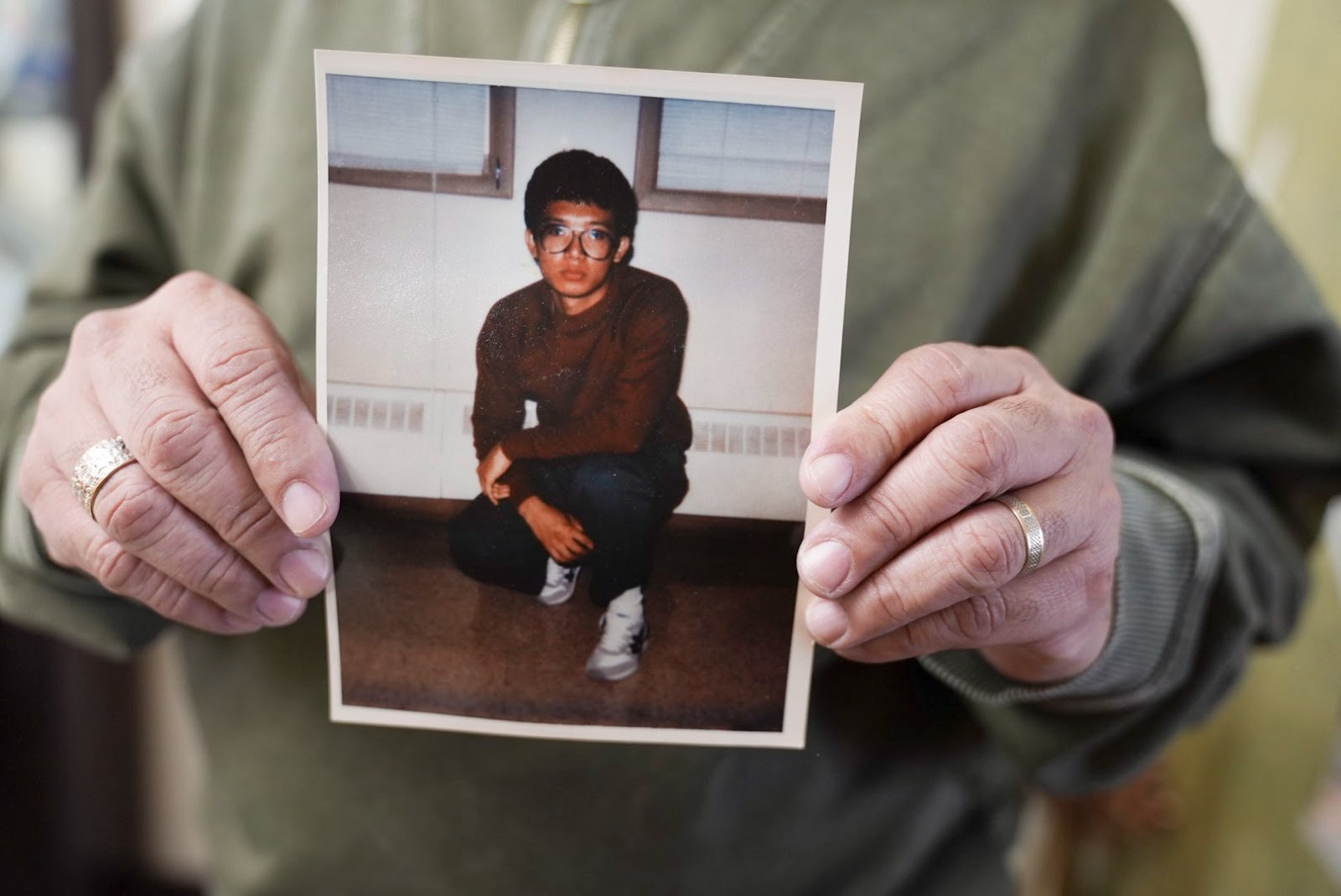
After his arrest, he was charged alongside his cousin and sentenced to three and a half years in prison. While incarcerated, he dedicated thousands of hours in the prison’s library to researching cases similar to his own. Through his work, he discovered a way to potentially overturn his conviction, but it would have required him to remain in prison for an additional two years while a new trial was conducted. Instead, he followed his lawyer’s recommendation and accepted a plea deal, believing it would result in a faster release and allow him to return to his life in Queens, he said.
“All the things that I went through, I thought, I don’t want to do no more [time],” said Asan.
Upon his release in 1989, Asan was detained and then deported to Ecuador. “Nassau County called immigration on me,” he told Documented. He spent four years there, became an English teacher, and met his wife Catalina before he returned in 1993 to Queens, a place that he considered his home.
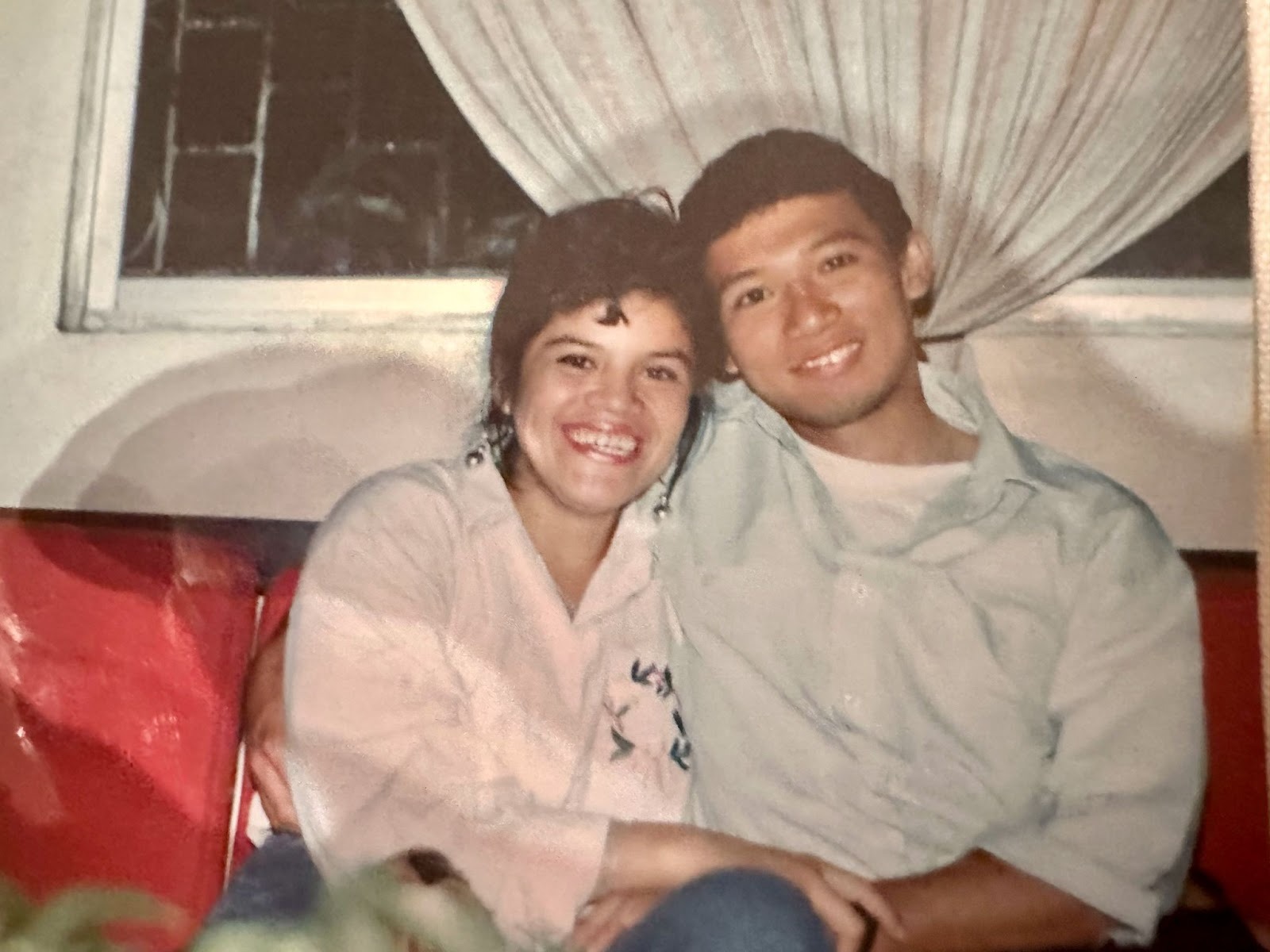
Since returning to the U.S., Asan has worked hard to establish a life for himself.
Within a month of arriving in the U.S., a Manhattan restaurant owner took a chance on him, Asan said, and hired him to work at the counter of his restaurant. He eventually ended up managing five cafes for the same business owner and then, several years and a lot of hands-on experience later, he opened his own sandwich shop, Subsconscious, in Morningside Heights.
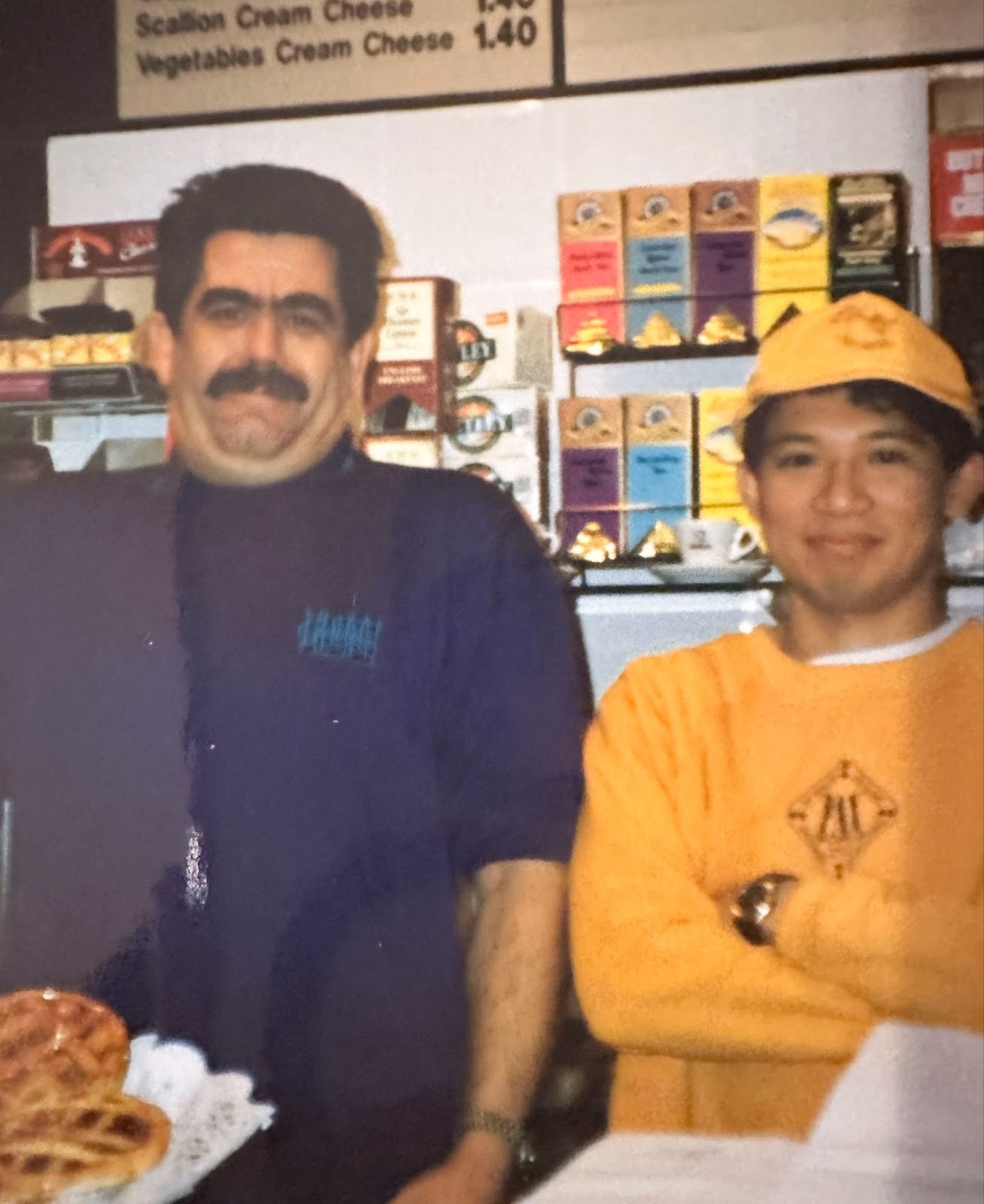
Over the years, he has also become increasingly involved in his community. Immediately after the September 11th attacks, he and his wife drove groups of survivors in their van from downtown Manhattan to safety. He opened up his restaurant during Superstorm Sandy to feed firefighters and police officers who were working around the clock responding to the storm’s aftermath. And today, he and his wife volunteer regularly at the New Sanctuary Coalition, an organization that helps immigrants with their asylum applications and other immigration matters.
Matt Block, who met Asan as a volunteer helping immigrants through the Sanctuary movement and who also organized Asan’s pardon campaign, told Documented that Asan “is one of those people who’s the glue that holds the community together.” Asan would bring sandwiches and drinks to every volunteer meeting and has made countless meals for other volunteer efforts, Block said.
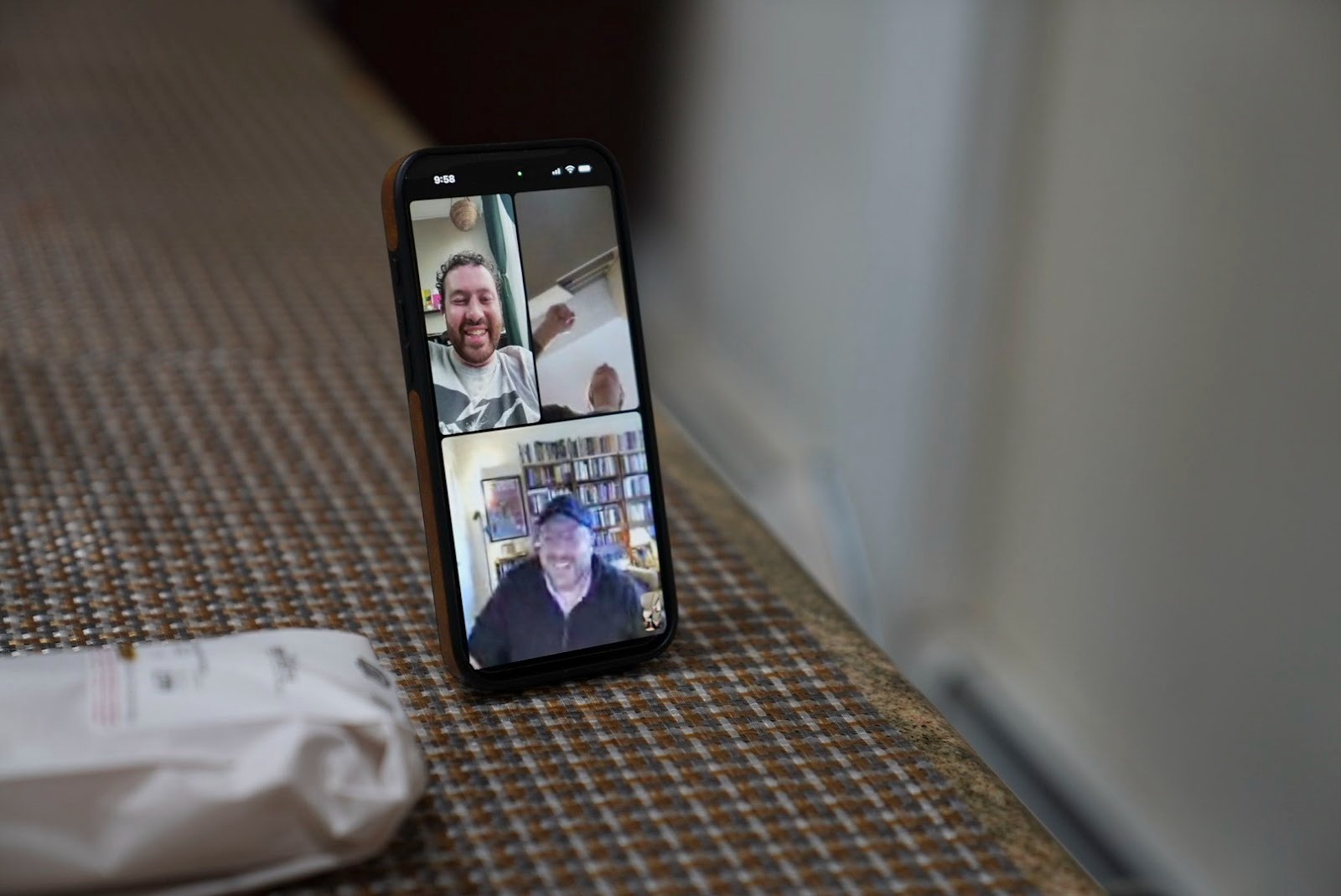
“A lot of people have come and helped me in my life,” said Asan. “Now I go out of my way to help people. I believe in karma.”
Asan said he has achieved the American dream. He owns a business, a home, and has raised three “beautiful children,” two of whom are in college, he said, beaming with pride. The last thing he says he needs to complete it all — his biggest dream — is to receive some formal immigration status in the U.S.
But when his son, Peter Asan, Jr., who is a U.S. citizen, tried to sponsor Asan and his wife for a Green Card in 2021, Asan’s prior conviction got in the way again. While his wife was granted a Green Card, immigration authorities came to his house and detained him once more. He was sent to a facility in Hudson, N.J., where he was held for months with roughly 50 to 60 people in a large space with bunk beds.
“I felt like I was going back in time,” said Asan about his second detention. But at least he now had his family, which was able to support him from afar, he said.
He was released after three months and mandated to wear an ankle monitor. After two years and three months, authorities allowed him to take it off. Since then, he has had to check in with immigration authorities on a regular basis, though less frequently over time. His most recent check in was last year on January 6. This Tuesday is his next.
Asan says he hopes that the pardon he received at the end of last year will help him with his immigration case.
His wife recently got a job at Columbia University as a door attendant, “with vacation time and benefits, imagine that,” he said. In his 30 years of working in the U.S., he has only taken two vacations, both in Florida. He yearns for the kind of stability that his wife now has.
Asan is nervous about the appearance — but he does not have to shoulder his worries alone. Close to 100 volunteers have signed up on a Signal chat to volunteer at his hearing and to accompany Asan to his appointment at 26 Federal Plaza.

你知道吗?非公民办理驾照时的这个错误可能会导致选民欺诈
“God put them in my path,” said Asan. “We have become very good friends.”
Editor’s Note: On Tuesday morning, January 6, Peter Asan, flanked by dozens of friends and supporters showed up to 26 Federal Plaza in lower Manhattan for his immigration check-in appointment. Asan entered the building around 8 a.m. and was able to leave roughly 30 minutes later, without issue. His next immigration check-in is in the spring.