

A WhatsApp call from the western Venezuelan city of Maracaibo jolted 40-year-old Kelly G. awake early Saturday morning.
“Turn on the news,” a relative said after Kelly – a Venezuelan asylum seeker — asked whether it was true that Nicolás Maduro had been captured following a military intervention by President Donald Trump’s administration.
“Honestly, I wasn’t happy,” Kelly G. said from a Bronx apartment she had moved into in December with her seven children, after being relocated from the Row Hotel Shelter. “I wanted him out,” she said, referring to Maduro. “But if he left power right now, things wouldn’t turn out well for us here.”

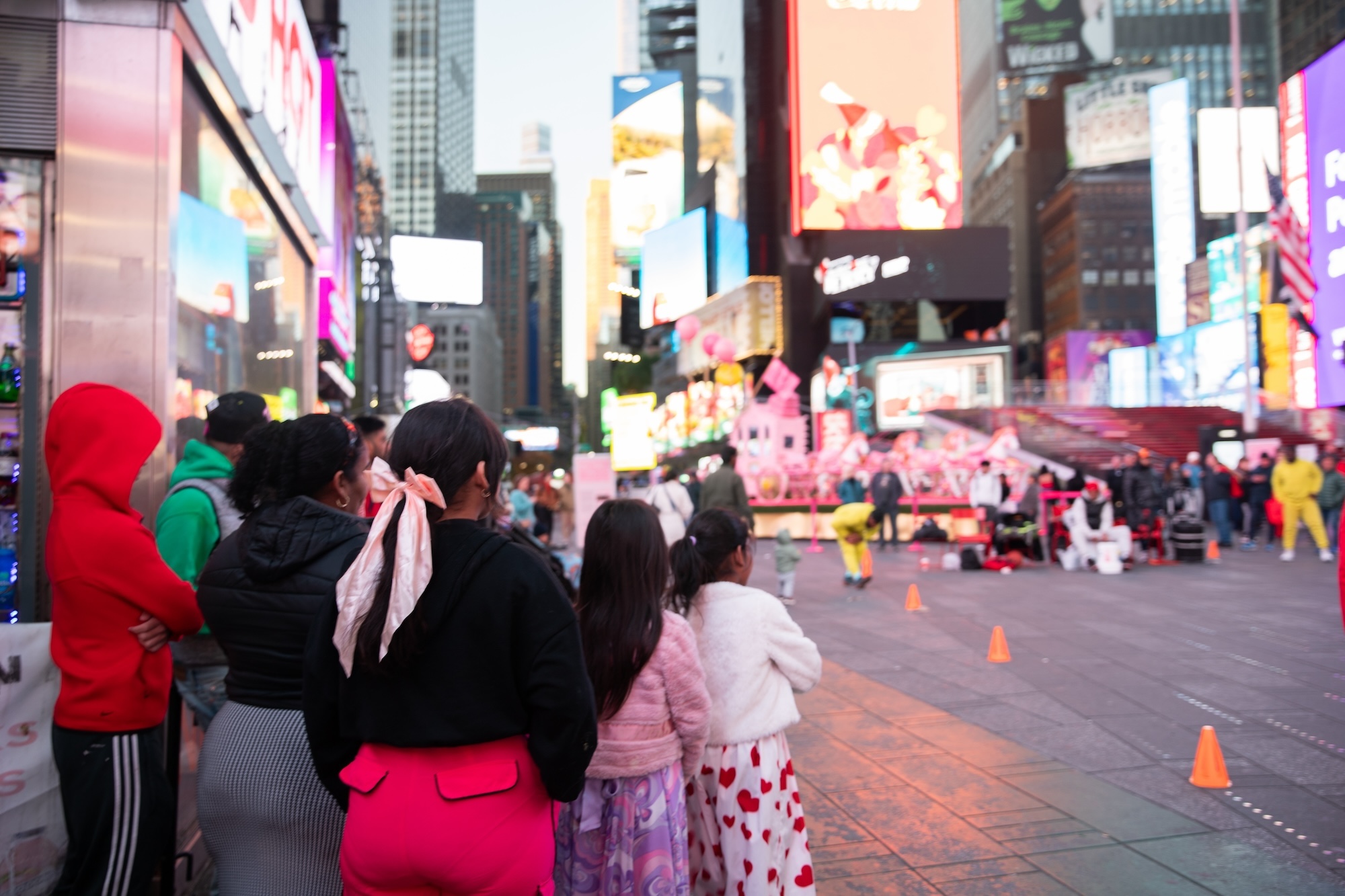
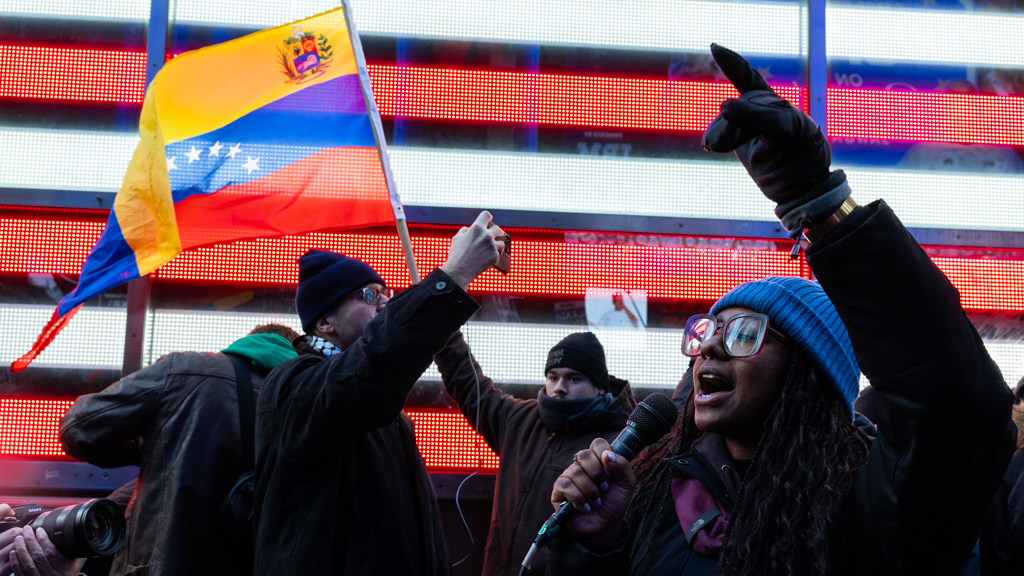
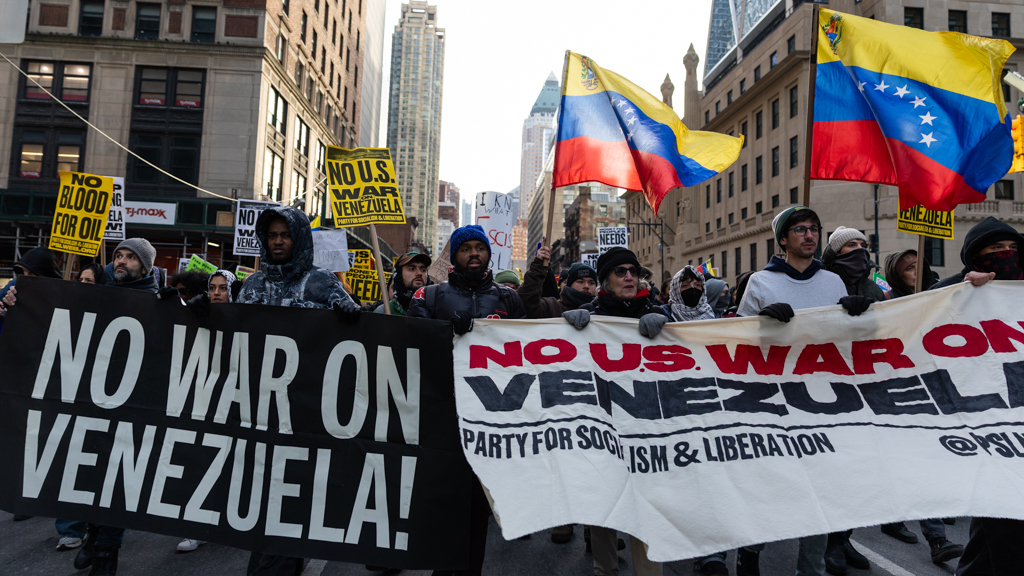
Venezuelans in New York City and across the country reacted strongly after U.S. military forces bombed bases in Caracas, Venezuela’s capital, and captured the Venezuelan leader and his wife, Cilia Flores. Some took to Times Square and the Metropolitan Detention Center where Maduro was being held to celebrate his ouster, while others protested what they saw as a troubling military overreach.
Trump said at a Saturday press conference that his administration would lead the transition to a new Venezuelan government and that he wants “peace, liberty, and justice” for Venezuelans living in the United States who wish to return to their country.
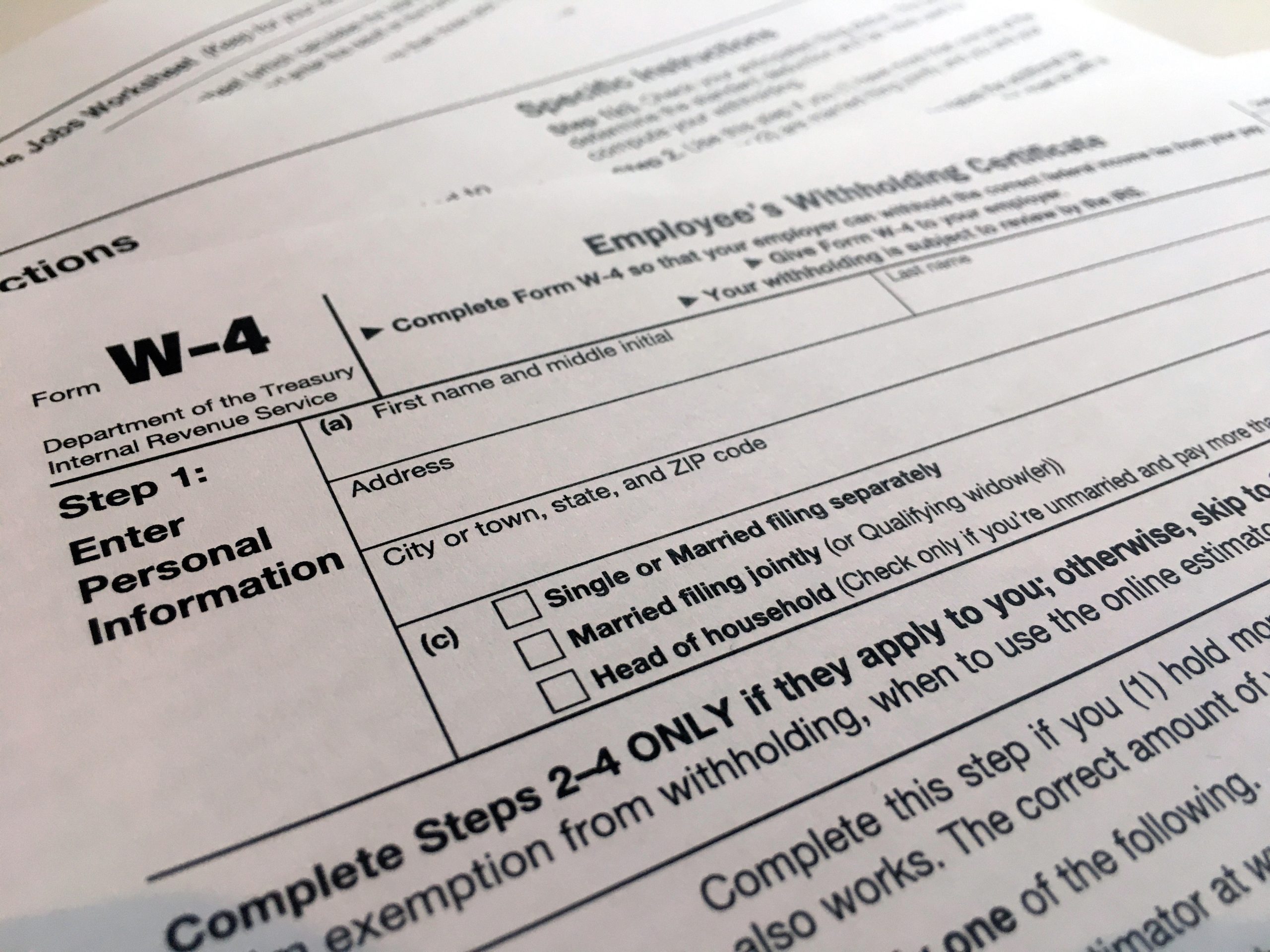
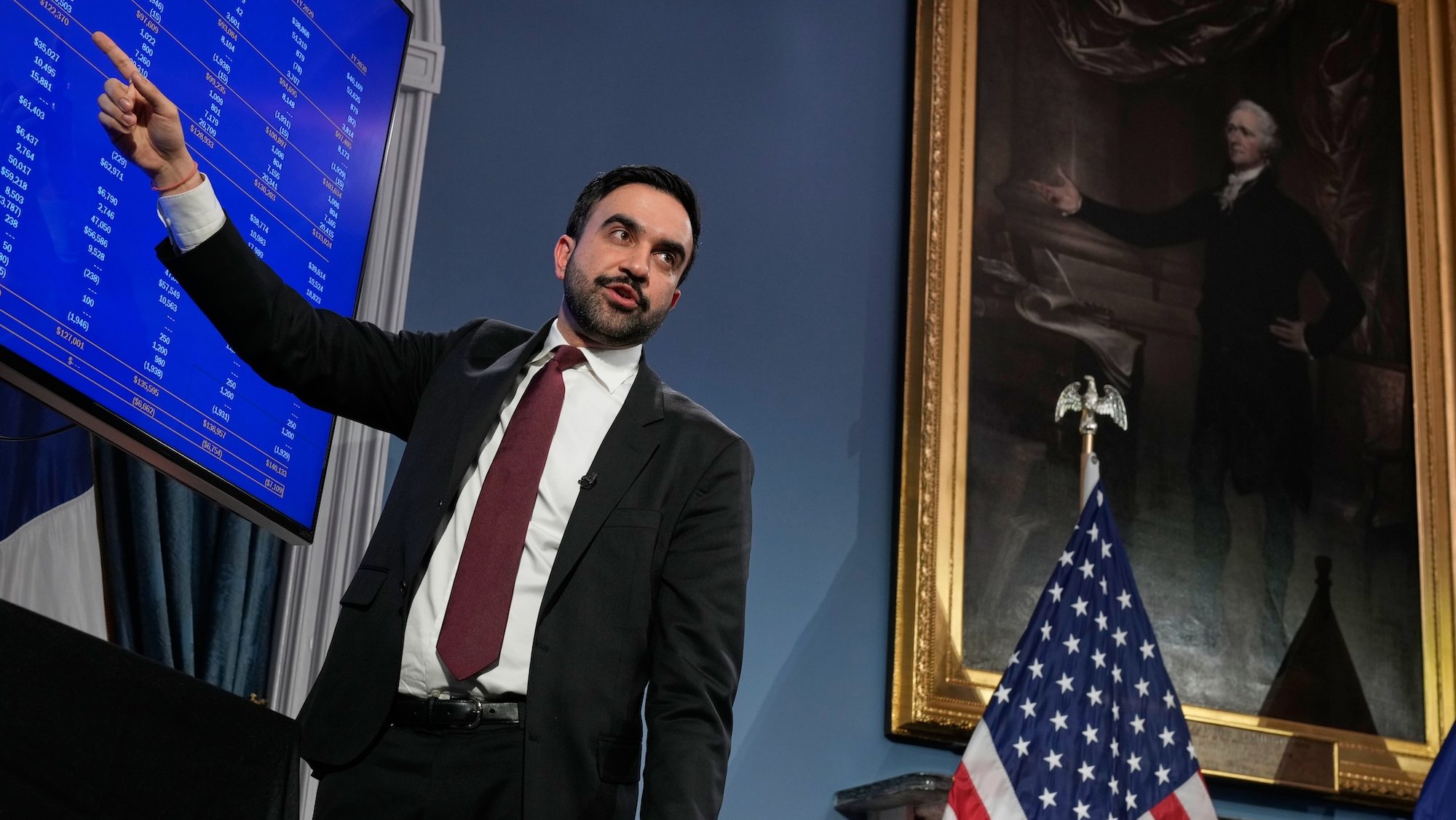
But for some Venezuelans seeking asylum in New York City, like Kelly G., the news brought a range of emotions – hope, doubt, joy, and fear. Millions of Venezuelans have fled the Latin American nation in recent years as the country fell into tumult, with about 1.1 million coming to the U.S., according to a 2025 Pew Research Center study. This includes more than 607,000 seeking humanitarian relief through Temporary Protected Status, which the Trump administration has moved to end. Tens of thousands remain in New York, according to Mayor Zohran Mamdani.
Kelly G., who asked that her full name not be used for fear of being arrested by ICE, worries the announcement could prompt the current U.S. administration to accelerate the deportation of Venezuelans like her. She doesn’t want to return to her country of origin because she has no home or steady income there, and since arriving in New York City two years ago, her children have been able to access education – something she has always wanted for them.
“What am I going to do in Venezuela?” she said in Spanish. “Venezuela is only just beginning to be rebuilt. I don’t have a home.”
Maduro’s fall brings hopes of returning home for some Venezuelans
Carolina Sanchez, a 28-year-old Venezuelan, said that months ago, she spoke with her husband about the possibility of returning to Venezuela, even while Maduro remained in power. Her voice broke as she explained why she had been thinking of making that difficult decision.
Sanchez fled Valencia, a city about two hours from Caracas, with her brother, her sister-in-law, her one-year-old daughter and her three-year-old son in 2024, shortly before former President Joe Biden left office. They arrived in New York City, fleeing poverty and in search of work, but she said her ordeal began when Donald Trump accelerated ICE arrests, leaving her unable to work, afraid of being arrested and leaving their children alone in the United States.
“In the short time we’ve been here, we’ve realised that we’re not as welcome as we thought,” she said in Spanish. “Knowing that Maduro will no longer be there, that we won’t suffer anymore, gives us hope that we can return to Venezuela and be happy there. Maybe many Venezuelans won’t accept it, but thanks to Donald Trump, we feel what we feel today.”
Maduro is accused of deepening Venezuela’s crisis by consolidating power through elections broadly described by observers as lacking democratic guarantees, including his 2018 and 2024 reelections. News organizations and human rights groups have documented the detention of political opponents, deaths during anti-government protests, and systematic repression, alongside years of economic mismanagement that pushed Venezuelans into poverty. These factors explain why, between 2021 and 2023, Venezuela was the third largest country for new arrivals to the U.S., accounting for 7 percent of all immigrants.
J.M., a 39-year-old Venezuelan who also requested anonymity for fear of being arrested by ICE, said Maduro’s capture has renewed her hope of returning to her home country, where her 19-year-old daughter lives.
“She needs me,” she said. She plans to return later this year, even though she expects Venezuela’s recovery to be slow.
A.V., a Venezuelan in her late 20s, said she felt relieved and hopeful after the capture of Maduro, describing it as a moment that gave people courage after years of fear. Her optimism is also tempered by uncertainty about what comes next for Venezuela and how the political shift will unfold.
Uncertainty looms for Venezuelans over the country’s future
“What Trump did felt like a big form of support,” said A.V., who also asked for anonymity for fear of being arrested by ICE. “I hope this leads to a balance between Venezuela and the United States, not racism or classism. We used to see Trump as the enemy of migrants, but now I think that he was really against the bad things that were happening [in our country].”
She was among the 607,000 Venezuelans who, as of January 2025, held Temporary Protected Status, which expired in November. Kristi Noem, the U.S. Secretary of Homeland Security, said in an interview with Fox News that those individuals will be able to apply for refugee status.
A short time later, the DHS X account contradicted the DHS Secretary and vaguely alluded to the future of Venezuelans in the U.S., without going into details, saying: “This is not what Secretary Noem said. President Trump is bringing stability to Venezuela and bringing to justice an illegitimate Narco Terrorist dictator who stole from his own people. Secretary Noem ended Temporary Protected Status for more than 500,000 Venezuelans and now they can go home to a country that they love.”
Meanwhile, there are no clear guidelines on the requirements to apply for refugee status. In December, immigration application reviews for people from 19 countries–including Venezuela– were suspended after two National Guard members were shot by an Afghan national. This measure remains in effect.
Y.T., a 27-year-old Venezuelan, said the capture of Maduro stirred deep and conflicting emotions, including a sense of relief after years of pain and separation. She said the moment felt historic for many Venezuelans who were forced to leave a country they never wanted to abandon.
你知道吗?非公民办理驾照时的这个错误可能会导致选民欺诈
But her hope is clouded by uncertainty over what comes next for the nation.
She said she is worried that Trump’s statements that the United States will take control of the nation’s oil means her home country will be exploited. Also, she worries about what might happen to her and her future in the United States.
“I don’t know what our situation here in New York will be like,” she said. “I have no way to defend my asylum case. My hearing is in February, and I don’t know what I’m going to do–I’ll have to go without evidence. It has left me very worried, stressed, and anxious.”