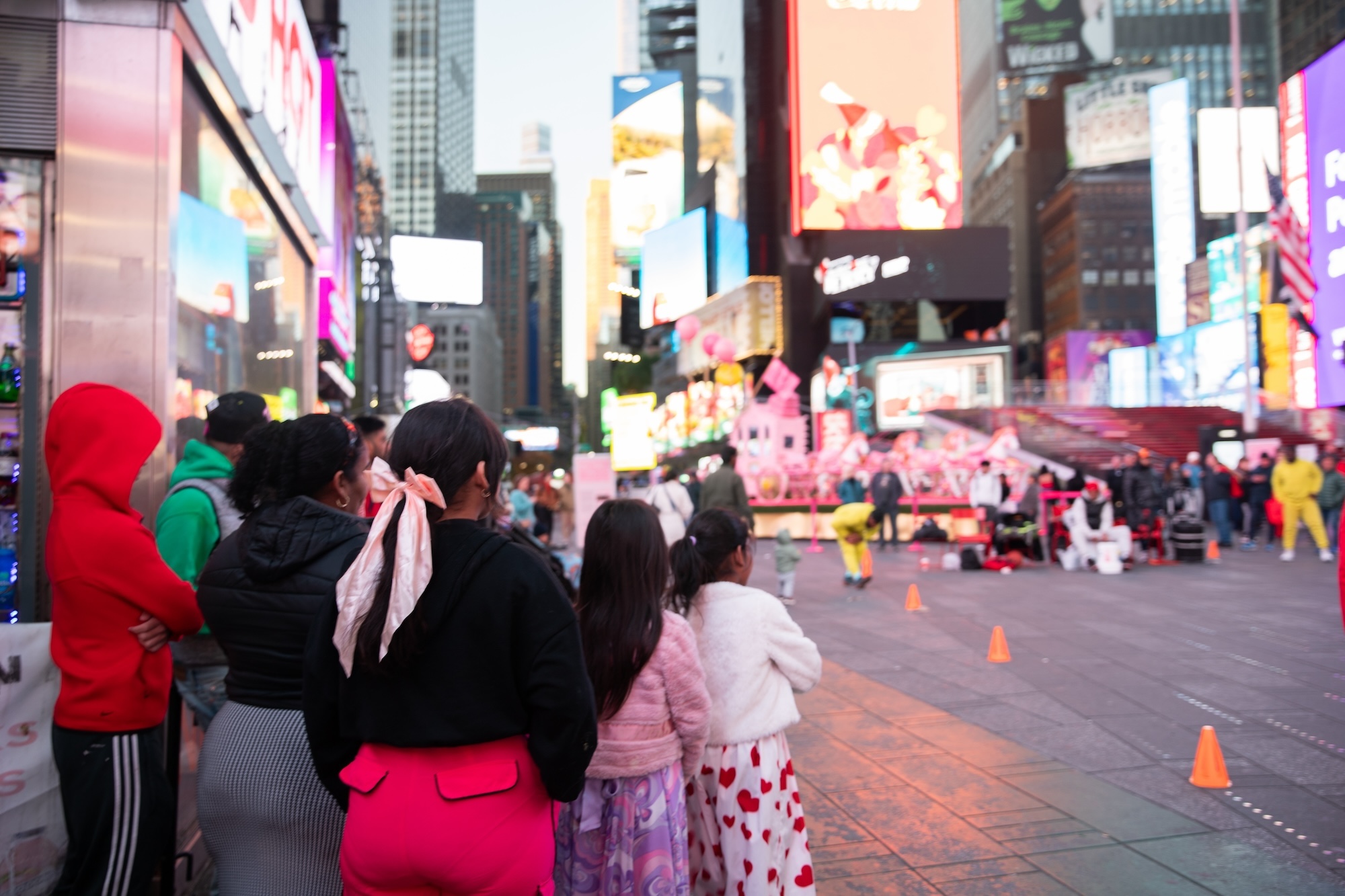


Weeks after Immigration and Customs Enforcement (ICE) carried out a military-style raid on Canal Street, the street has returned to its usual bustle.
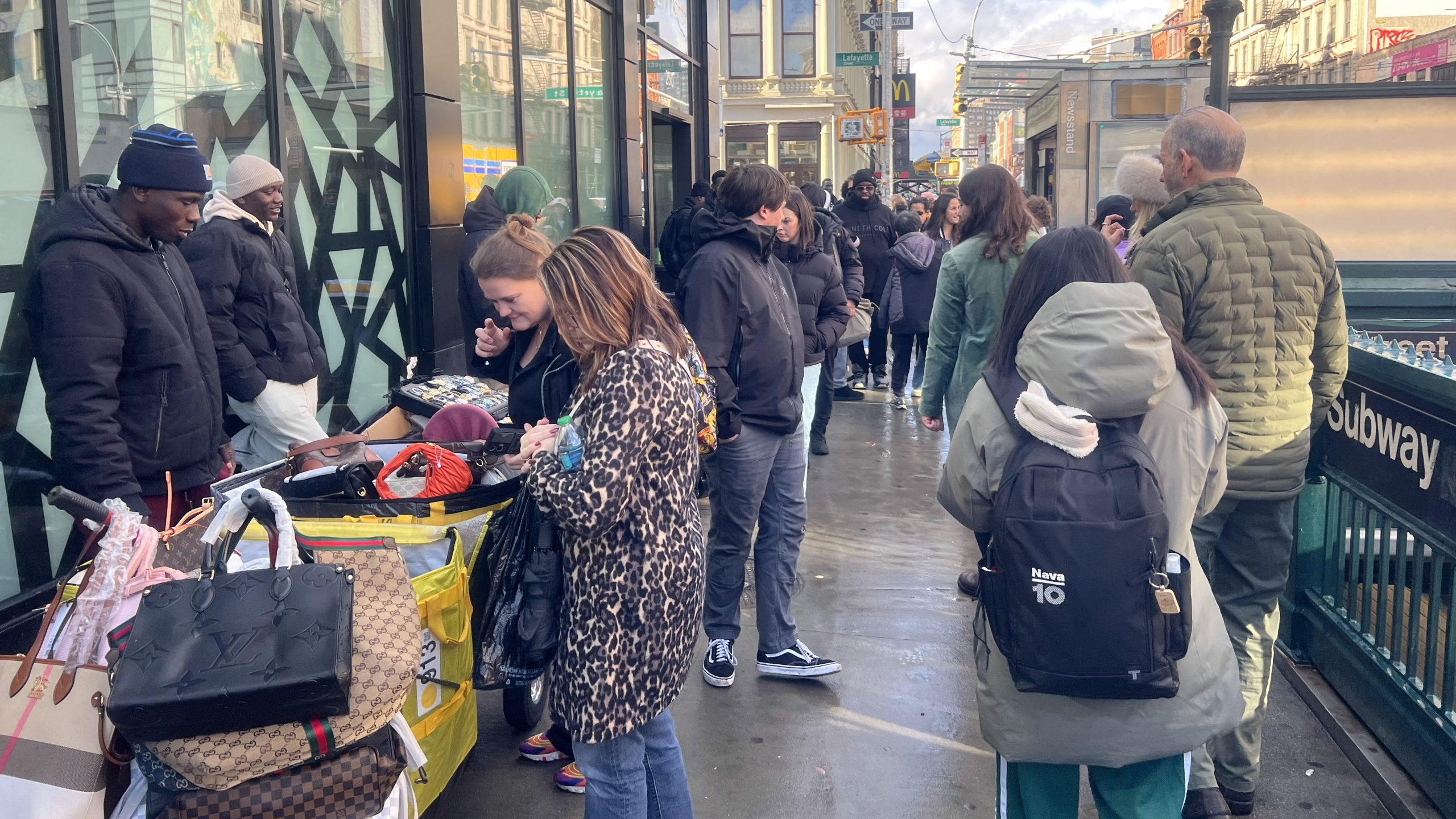
From Church Street to Centre Street, street vendors once again line the blocks, displaying counterfeit luxury handbags bearing brand names like Gucci, Louis Vuitton, and Chanel. Tourists from around the world stop to browse, while crowded sidewalks force some pedestrians to turn sideways to squeeze through the throngs.
Chinatown residents have witnessed the cat-and-mouse dynamic between illegal street vendors and law enforcement many times before, with the street quieting down for several days only for the congestion, noise, and safety concerns to return.

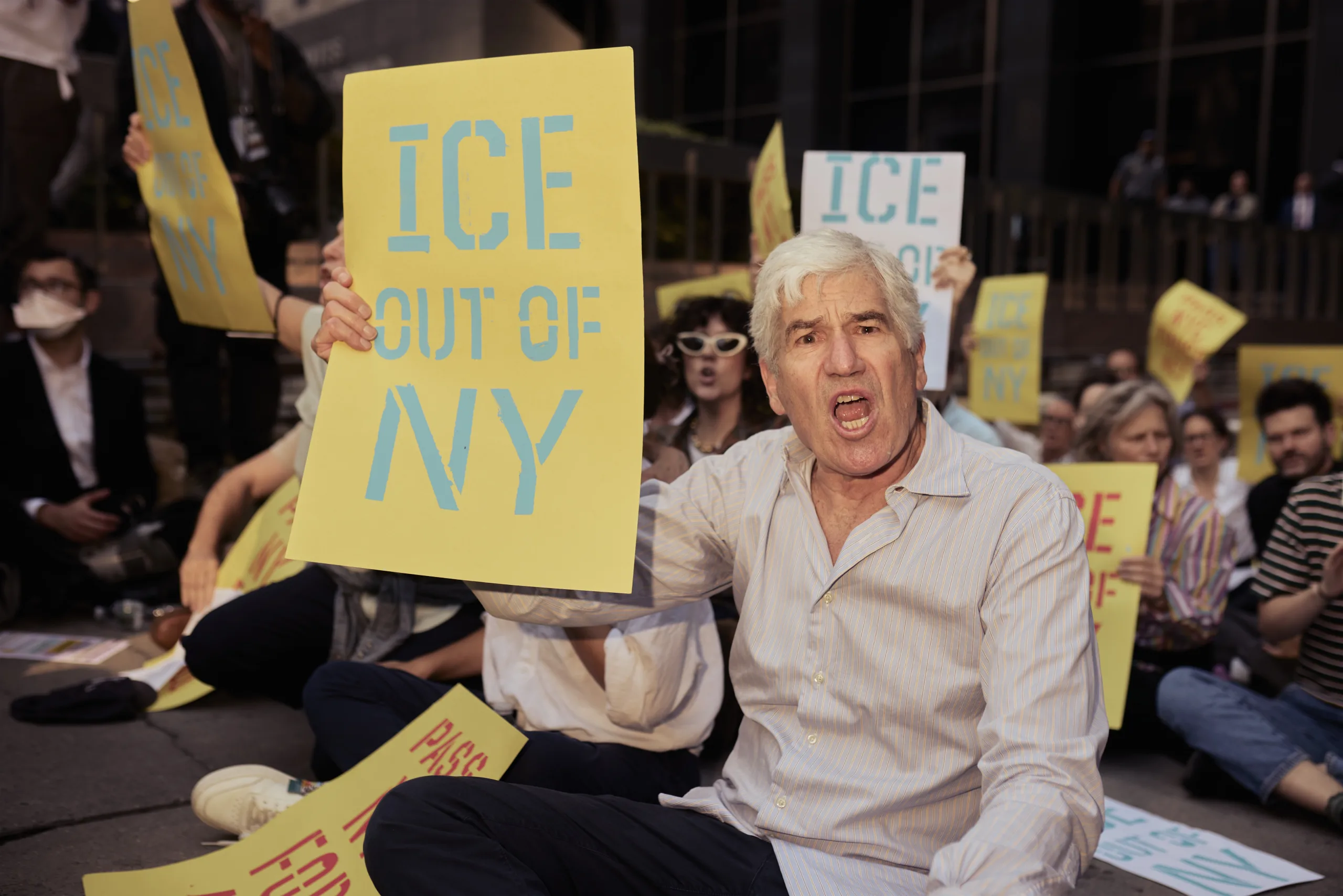
But the stakes are far different after Canal Street became a flashpoint in the Trump administration’s immigration enforcement campaign in late October. The raids by masked federal agents made national headlines and ended in vendors being arrested and detained.
While Chinatown residents say they want long-standing quality-of-life concerns to be taken seriously, many say that ICE raids are not the answer. Instead, they believe responsibility lies with city agencies to listen to local residents and coordinate enforcement.
“It’s a local law enforcement issue. I do not believe it has anything to do with ICE. It’s not a federal issue,” Karlin Chan, a community activist who has lived in Chinatown for about 65 years, said. “They just take advantage of this because suddenly the right-wing media and online influencers came down into the area.”
But there’s little consensus among residents and politicians about how – or, in some cases, even whether – to address the counterfeit vendors that have become a New York City institution. In recent years, elected officials have ping ponged between either cracking down or decriminalizing illegal street vending, a stalemate that has left community members feeling unheard – and perhaps creating an opening for federal immigration enforcement to step in.
“I think some local politicians are tone deaf to their constituents when they try to advocate for those illegal street vendors on Canal Street,” said Jacky Wong, a Chinatown Democratic district leader, speaking in Mandarin.
He added that while some residents welcomed the temporary lull on Canal Street after the ICE raids, it was not rooted in opposition to immigrants. “It’s not because we don’t support immigrants,” Wong said. “It’s because people are frustrated that their voices are not heard.”
Over the past two decades, Manhattan’s Chinatown has become a well-known destination for tourists seeking knockoff goods. While counterfeit trafficking has since grown more complex and spread across the city, Chinatown’s role in the trade has remained prominent, with new generations learning about Canal Street on social media.
Many Chinatown residents experience the street vendors differently from the throngs of tourists. At community meetings and through collective actions like petitions, they have urged stronger enforcement by the NYPD and other agencies against unlicensed street vendors selling counterfeit goods.
A top complaint is congestion. Wong says illegal vendors often occupy sidewalks to the point that residents, especially seniors, are forced into traffic, creating safety risks. In one case, 73-year-old Rosalyn Landsman and her 79-year-old husband, Martin, were knocked to the ground by counterfeit bag sellers fleeing police.
At a recent community meeting on the Department of Transportation’s proposed Canal Street redesign, residents described sidewalks so congested that seniors and people with strollers are forced into traffic. Several claimed the counterfeit trade also attracts organized groups of vendors that can be aggressive toward pedestrians and local business owners.
Jan Lee, a Chinatown resident and co-founder of the community organization Neighbors United Below Canal, said conditions on Canal Street have deteriorated over decades. “Canal has become a corridor to vice, scams, fights and danger at every step. Our kids cannot walk to school safely. Our seniors cannot walk to the doctor safely,” Lee said. “That did not happen by accident. It happened because the agencies responsible for public safety abandoned this street.”
Wong also said conflicts have emerged between unlicensed vendors and licensed street vendors and small businesses. “They sometimes have fights to grab territories,” Wong. “There used to be street artists who sold sketched portraits on Canal Street. Now they are gone.”
C.Y., a licensed street vendor on Canal Street who asked to be identified only by initials due to safety concerns, also expressed frustration. “Many of us don’t like them [street vendors selling counterfeit goods], because they are rampant and they sometimes stand in front of our stalls, which affects our business,” Y. said in Mandarin. “I understand that it’s not easy to make a living in NYC without immigration status, but they came to the country illegally, and they are doing illegal things now.”
In 2021, former Mayor Bill de Blasio reassigned street vending enforcement from the NYPD to the Department of Consumer and Worker Protection, which adopted an “education first” approach. The City Council later considered legislation that would have removed criminal penalties for selling counterfeit goods altogether, though Mayor Eric Adams vetoed the bill this summer.
Chan believes the effort to decriminalize illegal vending made the sellers “bolder and bolder.” “They have gotten to a point where they think the streets are theirs,” Chan said. “When they see the police walk down the street, they no longer hide.”
For Chan, the counterfeit trade has another consequence: reinforcing harmful stereotypes about Chinese Americans. “That gives the stereotype image that all Chinese are involved in some kind of counterfeiting, illegal gambling, massage parlors,” Chan said, adding, “That’s not a reputation that we want for Chinatown.”
Also Read: New Shops, Old Streets: Second-Generation Immigrants Revive Chinatown After COVID
Meanwhile, local elected officials have also called for city-led action to address Chinatown residents’ concerns.
你知道吗?非公民办理驾照时的这个错误可能会导致选民欺诈
“The solution to illegal vending on Canal Street is not to deport the vendors themselves,” said City Councilmember Chris Marte, whose district includes Chinatown, in a statement shared with Documented. “We have long been asking the NYPD to properly enforce the area, but this mayoral administration’s shirking of that responsibility has invited ICE to come into our communities and wreak havoc. We are hopeful that the next administration will be more attentive to the Canal Street concerns we’ve been raising for years.”
As a path forward, Chan suggested expanding access to legal vending permits while enhancing local law enforcement against illegal street vendors selling counterfeit goods. Currently, prospective vendors face long waitlists, with some applicants waiting as long as 20 years for a general vending license. On December 18, the City Council passed a landmark bill raising caps on permits and licenses for street vendors to address the long-standing gap between demand and available supply.
“We want to be known as a food destination,” Chan said, “not as a counterfeit capital.”