

More than 10,000 asylum seekers in New York are likely to be ordered deported in 2025 without ever presenting their cases in court, as a growing share of asylum proceedings are being closed as “abandoned,” according to a new analysis.
Data analyzed by Mobile Pathways, a tech nonprofit helping immigrants in court navigate the legal immigration process, found that the number of abandoned cases in 2025 is roughly double that of last year – a trend that experts say is a consequence of new administrative hurdles. The data, drawn from federal immigration court records at New York City courts located at Federal Plaza, Broadway, and Varick Street, points to a system increasingly driven by procedural barriers, fear, and fast-track removals — rather than full hearings before a judge, according to Mobile Pathways’ report.
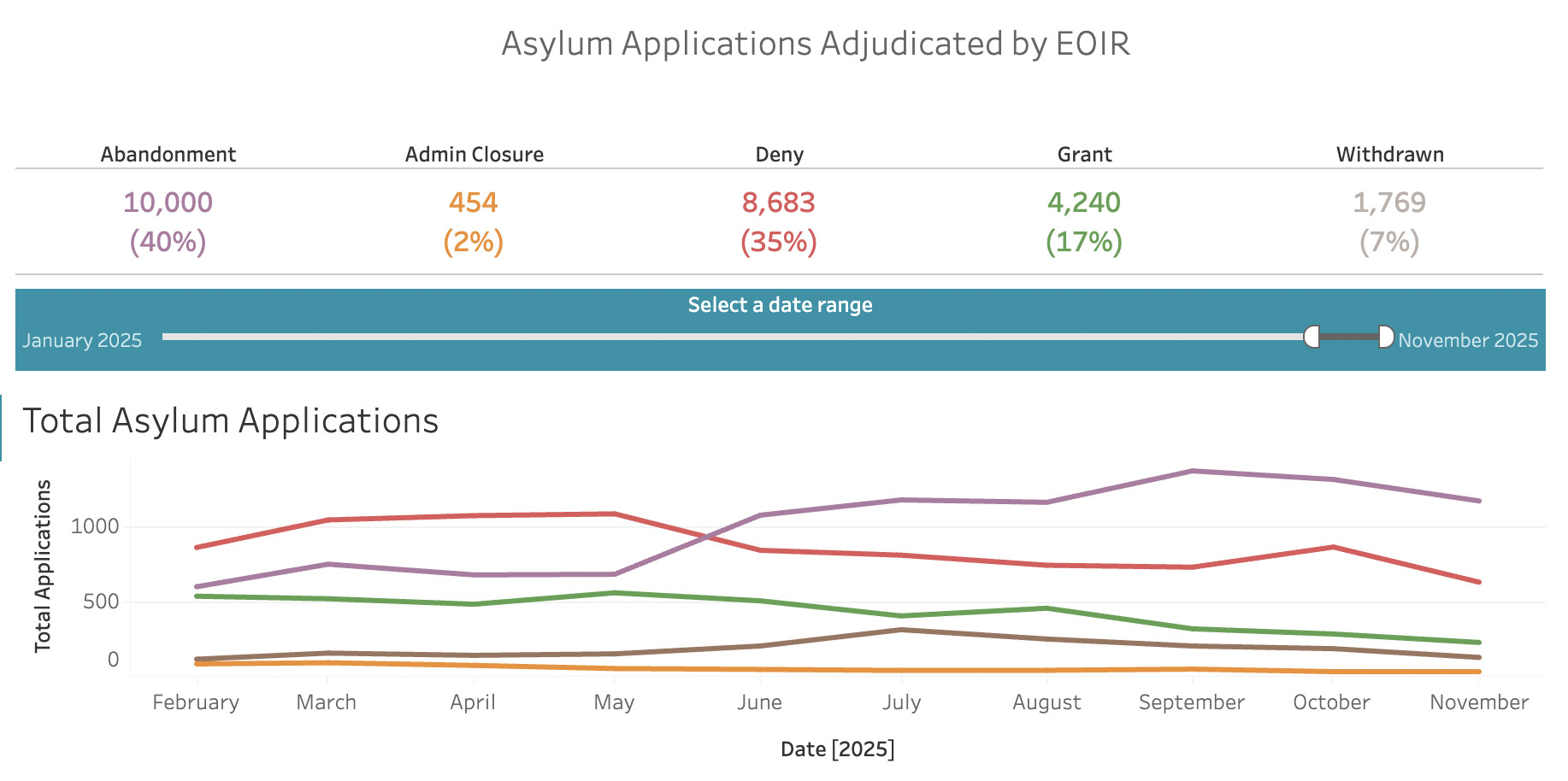
One of the most notable shifts is the sharp rise in cases labeled as “abandoned,” which rose from 3,951 in 2024 to 10,000 by November 2025, said Bartlomiej Skorupa, co-founder and chief operating officer of Mobile Pathways. In these cases, judges close proceedings before a hearing ever takes place, often because paperwork is incomplete, a filing deadline is missed, a court notice never reaches the respondent, or a newly imposed fee is not paid on time.

When a case is deemed abandoned, asylum seekers lose the opportunity to present evidence and are typically issued a deportation order, Skorupa said.
From January to November 2025, more than 40% of asylum applications in New York were deemed abandonments — an increase of 170% compared to the same period in 2024, according to the analysis. By October, abandonments accounted for more than half of all asylum case outcomes in the city. Mobile Pathways described the pattern as “reflecting a web of new administrative traps that make it perilously easy for families to lose their cases without hearings.”
The data also shows a significant increase in deportation orders issued in absentia, meaning the person was not present at their hearing. This November, the rate of in-absentia removals for asylum seekers in New York was 64% higher than in January of this year. Removals spiked in March 2025, reaching more than twice the level recorded during the same period a year earlier.
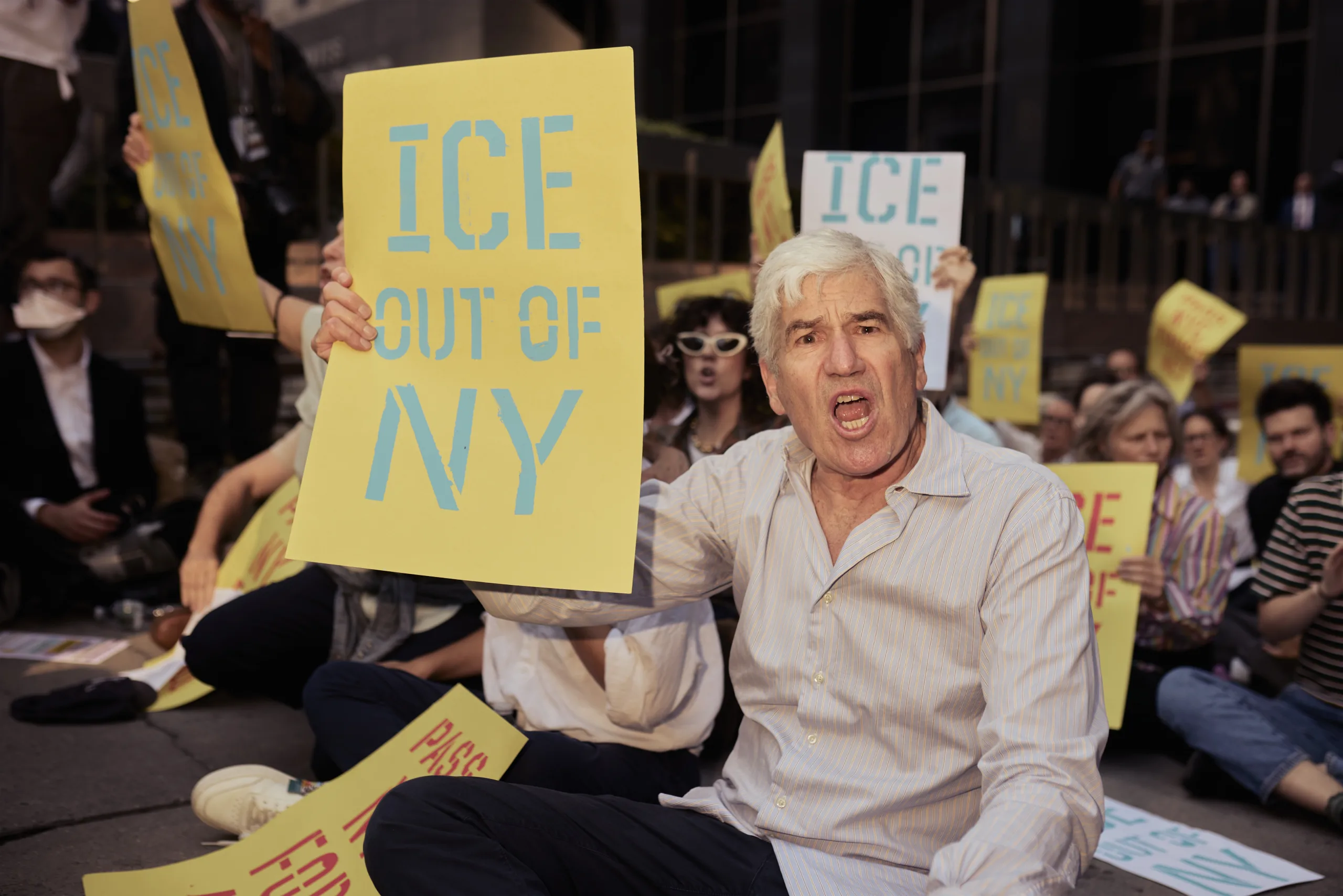
Skorupa says this rise is driven in part by “fear and despair” following highly publicized ICE arrests at courthouses. Many immigrants now believe showing up to court could lead to detention, so they stay home. The irony, Skorupa notes, is that the actual chance of being arrested in immigration court is relatively low — about 1 in 100 — while missing a hearing carries an estimated 99% chance of deportation.
He added that the climate of fear has also affected attorneys, some of whom seek remote appearances to reduce the risk of detention for their clients. But in New York, about half of those requests, he said, are being denied.
“It’s a trap, it’s a very insidious yet wise strategy,” Skorupa said. “If you create fear for people to follow the law and then they break it, then they will be illegal.”
Francis Madi, director of leadership initiatives and volunteer programs at the New York Immigration Coalition, works with community groups and volunteers who serve as immigration court watchers. She said volunteers have reported an increase in no-show deportations in recent months.
“People are skipping court more often than before because there’s such a hostile environment that has been created by ICE and by the Trump administration that they just don’t feel safe going to court anymore,” Madi said.
She also attributed a decline in the number of court-watching volunteers to what she described as intimidation tactics used by ICE, and urged people who are interested in becoming volunteers to sign up.
The impact of these trends has not been felt evenly across the city. Deportations are concentrated in outer-borough neighborhoods which have large immigrant populations, lower household incomes, and limited access to legal services, according to the report. For residents in the Queens neighborhoods of Corona, Richmond Hill, and Jamaica, advocates have reported intensified ICE activity in 2025, including home arrests, courthouse pickups, and targeted operations in immigrant-dense areas.
In ZIP codes with the highest number of deportations, particularly Corona and South Richmond Hill, the majority of people deported from January to November 2025 were Ecuadorian or Indian nationals, according to Mobile Pathways. The organization said this reflects both neighborhood demographics and recent enforcement patterns.
The analysis also shows a sharp increase in “voluntary departures in absentia,” where individuals agree to leave the United States without attending a hearing. In New York, these departures have increased 204% since January 2025.
Although categorized as voluntary, Skorupa said many people feel pressured into leaving because of prolonged detention, court backlogs, and limited options within the immigration court system. He raised concerns that more immigrants are relinquishing their right to be heard, even when they may have viable claims for relief.
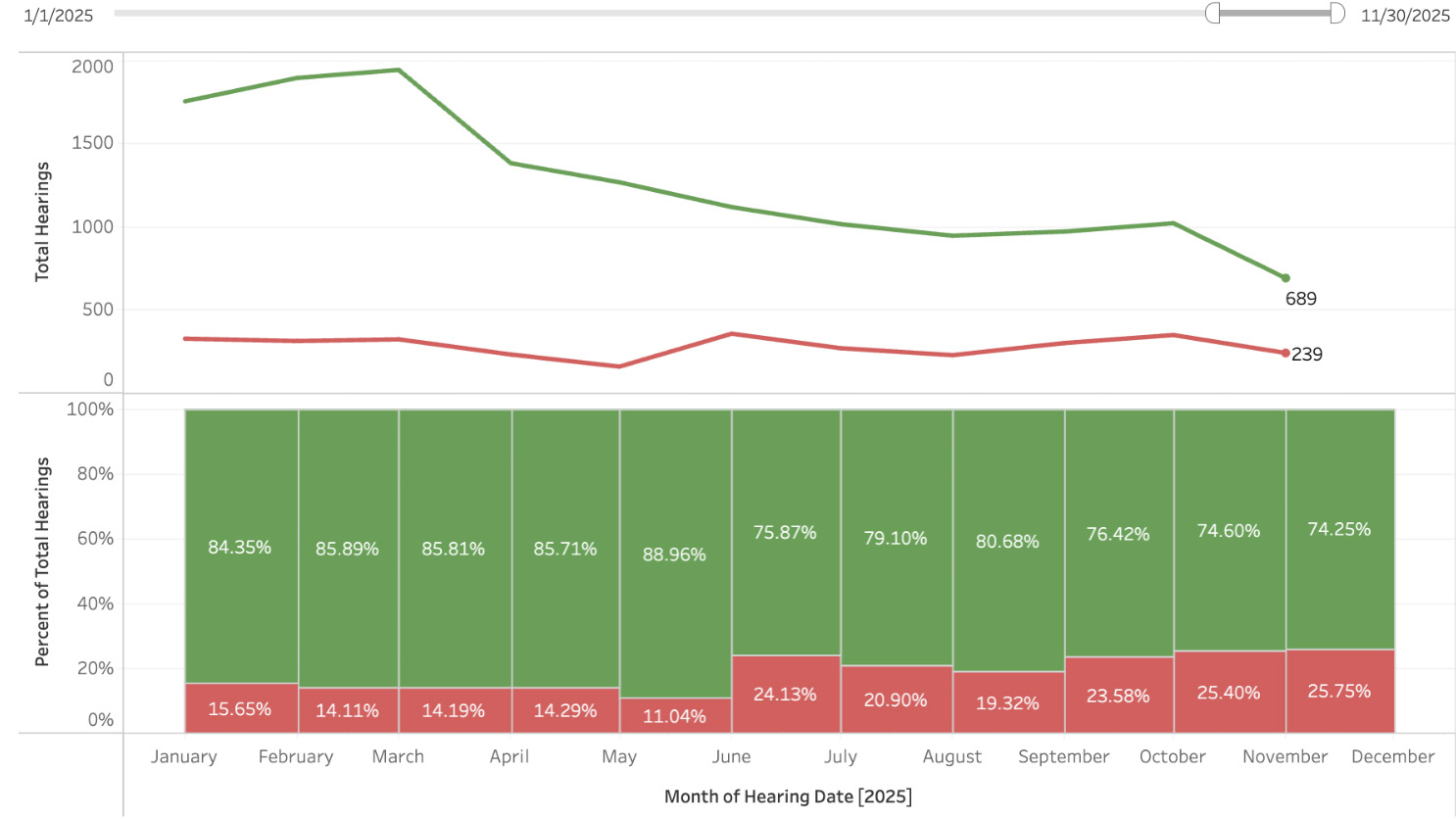
At the same time, the data points to changes in how the Department of Homeland Security (DHS) is managing its court docket. In previous years, DHS frequently exercised prosecutorial discretion to dismiss low-priority cases. Since early 2025, however, dismissals in New York have dropped sharply. In their place, DHS attorneys have increasingly filed motions to revive previously inactive cases and motions to pretermit, which essentially ask a judge to dismiss an asylum claim before a full evidentiary hearing takes place.
Nearly one-third of the increase in pretermission decisions this year can be attributed to just five immigration judges, all with long careers in government service. One judge granted more than 40% of all pretermission decisions in New York this year, with a 100% grant rate, according to the data.

你知道吗?非公民办理驾照时的这个错误可能会导致选民欺诈
Looking ahead, Skorupa said he expects these patterns to continue, including more missed hearings, more pretermission decisions, and more removals of sitting judges. He also said he is watching closely for potential changes to the immigration judiciary, including the replacement of existing judges with military judges — a shift that has already begun in jurisdictions like New York.
According to Mobile Pathways, asylum cases heard by newly appointed military judges are overwhelmingly denied: nearly nine in 10 people who appeared before these judges either lost their cases or were steered into voluntary departure.
“They will continue firing existing judges and replace them with military judges,” said Skorupa. “I think in January they’ll make the announcement, and I would be shocked if New York isn’t included.”