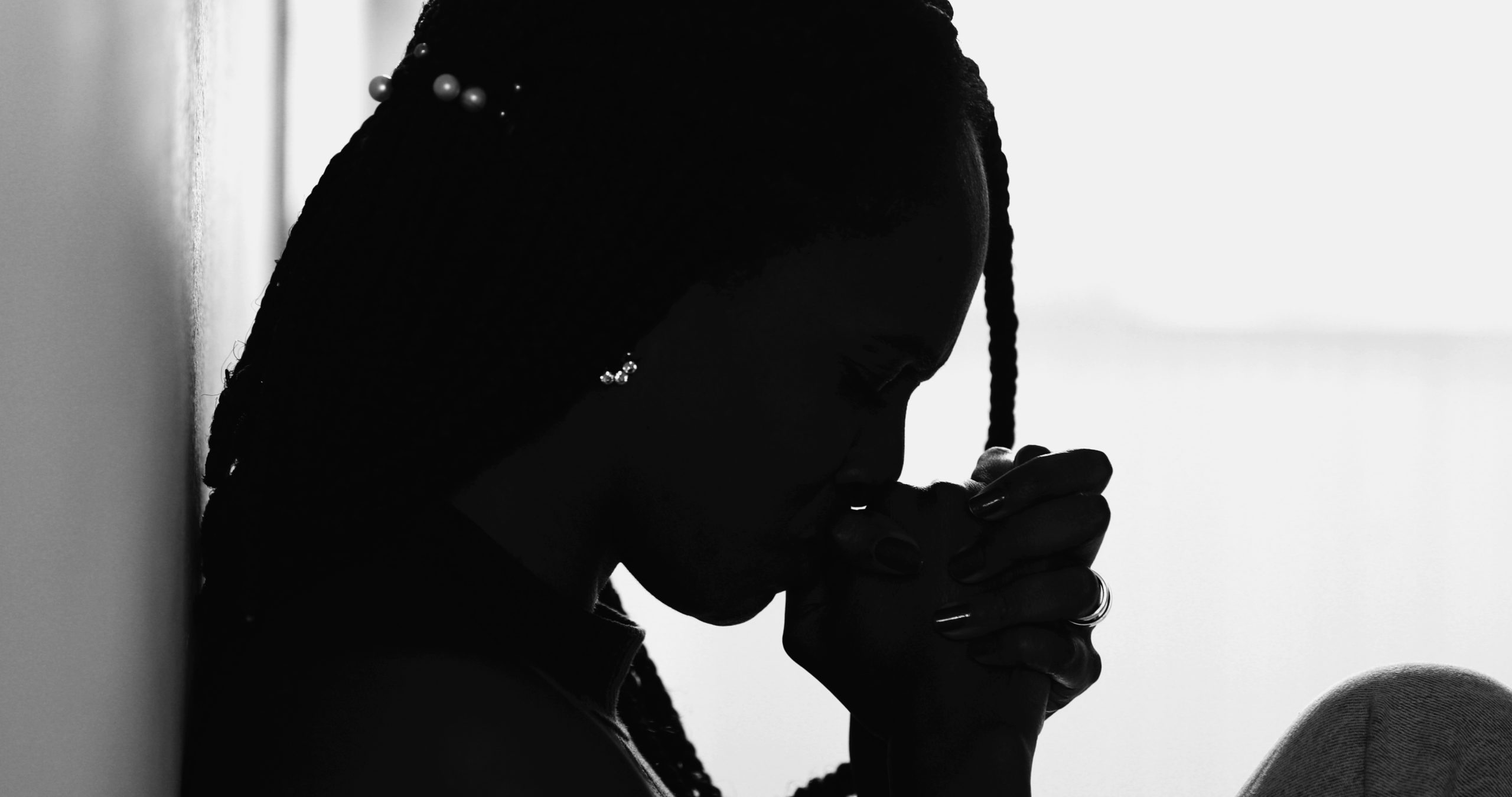


When the news broke that the dismembered body found near JFK Airport belonged to Trinidadian immigrant Salisha Ali, Jyoti Hardat felt a familiar chill settle in. She didn’t know Ali personally, but the details were too close to home: a young Indo-Caribbean woman in her 30s, new to the United States, allegedly killed by an abusive partner.
“I’m like, ‘Oh My God, another one. It’s in the community again, It never truly leaves.’”
According to family sources, Ali had migrated from Trinidad in June 2024 and was working in a restaurant in Queens while training to become a home health aide. She spoke daily with her mother and three daughters back home. But when the calls abruptly stopped over the summer, her family grew worried. They contacted her job, filed a missing person report and tried to retrace her steps in any way they could. Weeks later, in September, sanitation workers discovered human remains that were later identified as Ali’s. Her family believes the man she had been dating — who was also her immigration sponsor — is responsible for killing her.

For Hardat, the circumstances of Ali’s death are an eerie reminder of what she lived through 18 years ago, when her sister, Guiatree Hardat, was murdered by her fiancé, Harry Rupnarine, who worked as an NYPD transit officer.
“She always wanted to see the good in people and I guess she felt protected because he was a cop,” said Hardat, recalling how she urged her sister to leave Rupnarine. “You could see the progression of how she deteriorated mentally being in that relationship because she was this glamorous beauty queen when she started and then slowly […] she would wear less makeup. She wouldn’t do her hair. She would dress in sweats. She wouldn’t dress up. And it was just like, you would see it progress downwards. That is how he broke her down. He basically made her feel that she couldn’t do these things. She couldn’t be this beautiful, glamorous soul that she was, that she needed to not fit herself into a box for him.”
Hardat believes that when her sister finally decided to end things with Rupnarine, he shot and killed her.
“We had to basically relearn how to live without this huge piece of us because she was like the glue of our family.”
Her sister’s death became one of the early cases that led to the formation of Jahajee, a gender justice organization based in Queens that supports Indo-Caribbean people in New York who are dealing with intimate partner, family and sexual violence. Queens is home to one of the largest Indo-Caribbean communities in the city. Advocates say Ali’s killing is only the most recent in a long, troubling pattern.
“Every single one of the women who we have held vigil for since Jahajee began has been a new immigrant whose lives were made vulnerable because they were in this limbo where they don’t have the full ability to live outside of the shadows and to live independently,” said Shivana Jorawar, co–executive director of Jahajee. “Over time, we began to realize this is a pattern.
Those vulnerabilities can look different — undocumented status, temporary visas, dependency on partners for sponsorship — but all can trap, isolate and endanger women.
“They feel like they need to stay because of the precarity of their circumstances,” said Jorawar.
For co–executive director Simone Jhingoor, the violence cannot be separated from history.
“When women were first brought to the Caribbean as indentured laborers, there were not many of them. The numbers were incredibly low, a stark imbalance of men to women,” she said. “The root of a lot of the violence actually started during indentureship where women were murdered and their bodies were mutilated at really alarming rates. And, a lot of the time, the way that would happen is you would have a male using like a cutlass, a tool that was used to chop sugarcane on the plantations, to chop her and take her life. And we’re seeing that oftentimes when women are being murdered over here, it’s happening in the same way.”
She pointed to the 2016 killing of Rajwantie Baldeo.
“Her partner used a cutlass and nearly decapitated her.”
Despite these violent and sometimes very literal vestiges of history, Jhingoor said abuse is still widely normalized within the community.
“Many women have grown up seeing their moms in abusive situations. They’ve grown up seeing their grandmothers in abusive situations and they’re often told that they have to stay,” she said. “They have to stay for the children.”
Advocates say many women, some of them already survivors of abuse, arrive in the U.S. without extended family, which is why Jahajee has become a critical source of community, resources and safety planning. The organization is now helping Ali’s family as they navigate funeral arrangements and prepare to bring her remains home.
Ali’s case reflects a broader crisis facing immigrant and undocumented women nationwide. Research shows that intimate partner violence affects one in three women overall, but rates among immigrant women are significantly higher, driven in part by immigration-related coercion. Abusers often use a partner’s legal status as leverage—refusing to file immigration paperwork, threatening deportation or withholding financial support—leaving survivors fearful of contacting police or seeking protection. That fear has intensified in recent years, as heightened immigration enforcement has led many undocumented survivors to abandon legal cases altogether, forcing them to choose between personal safety and the risk of deportation.
Also Read: ‘Because of Someone Else’s Mistake, They Deport You’: Immigrants Defrauded by Bronx Lawyer Speak Out
For Hardat, Ali’s death reopened old wounds but also strengthened her resolve to speak publicly about her sister and the broader pattern of violence that women in her community are suffering.
你知道吗?非公民办理驾照时的这个错误可能会导致选民欺诈
“She was my best friend,” she said. “She wanted to be a math professor. And she just was this beautiful soul. She smiled all the time. She had one of the brightest smiles you could ever have and she left an impact on everyone.”
Hardat hopes telling these stories will help protect others so that fewer families have to experience the kind of loss she still carries.
Survivors of domestic or intimate partner violence, particularly those navigating immigration concerns, may find support through a resource guide compiled by Documented, which details services available across New York.