

This holiday season, New Yorkers have something new to look forward to in Chinatown.
Past the fruit and vegetable vendors on Canal Street, and the aromas of the iconic Kam Man Market, visitors can climb the stairs to discover a cozy, seasonal holiday market filled with joy, color, and holiday flavors — all with an Asian twist.
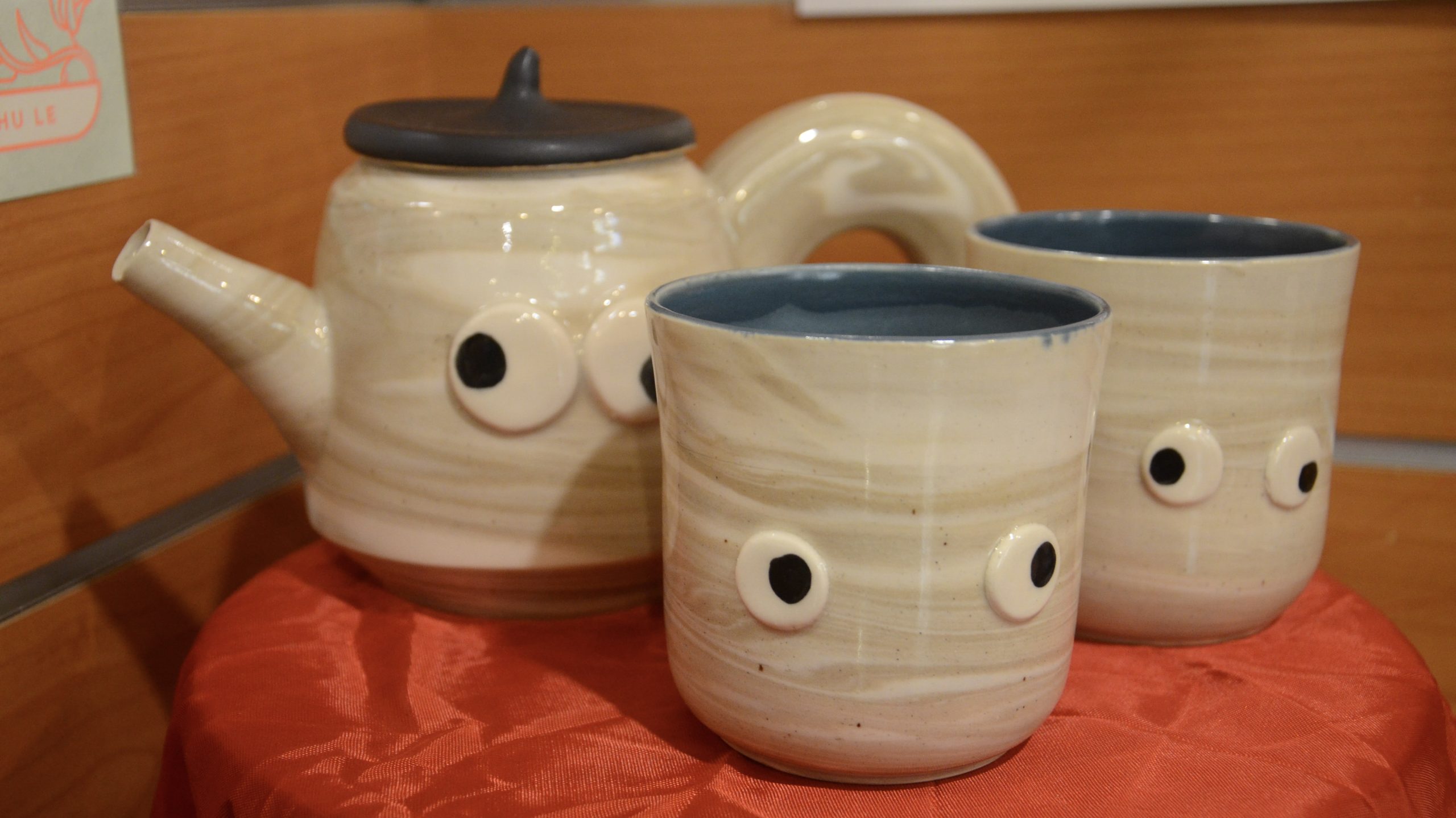
On November 20, Gary Bui, a California transplant who runs the Gary AF Studio brand, was carefully arranging his ceramic works before the market officially opened the next day. His matcha bowls, cups, and teapots feature simple shapes and bright colors, paired with a playful flourish: a pair of goofy googly eyes staring out from each handmade piece. Bui, a second-generation Vietnamese immigrant, said the design was inspired by his own personality and the Oscar-winning film Everything Everywhere All at Once, where googly eyes symbolize kindness, optimism, and finding joy in the present moment.

“My goal with them is essentially to make a really nice product and then just make it a little bit funnier,” said Bui. “I want to bring joy to people, that’s what I aim for.”
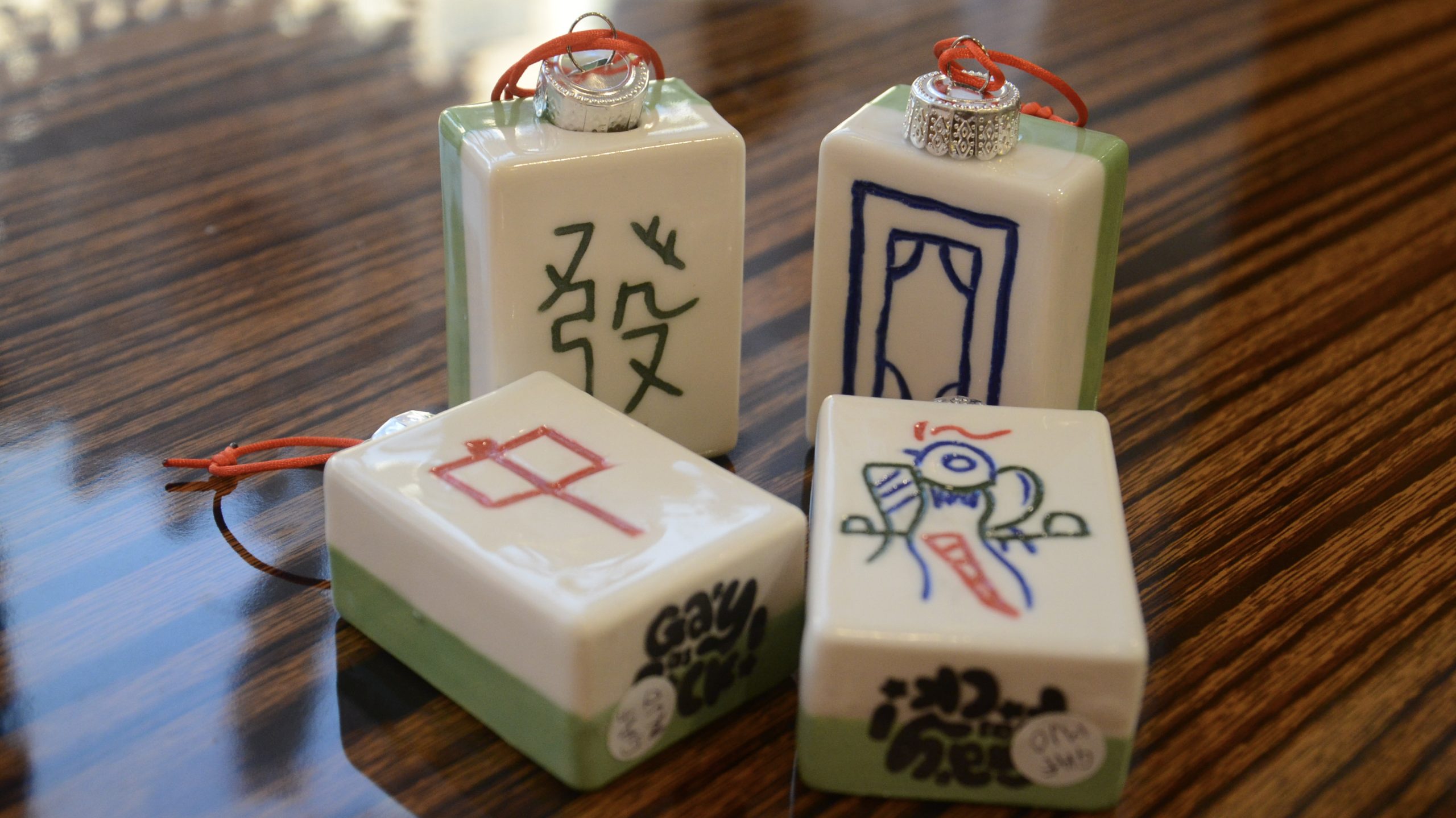
Bui is one of more than 35 AAPI retail and food vendors participating in Chinatown’s first holiday market. Against a backdrop of paper-cut snowflakes and a Christmas tree decorated with red envelopes, visitors can browse bao-shaped candles, miso-flavored chocolates, teas from China and Japan, children’s books by AAPI authors, lucky-knot rings, Chinatown street photography, traditional apparel, artisan jewelry, and more.
Hosted by the nonprofit Welcome to Chinatown, the market is open every Friday to Sunday from 12 p.m. to 6 p.m., from November 21 through December 21, on the second floor of 200 Canal Street. Each weekend also features a new pop-up vendor serving treats all day. Harry Trinh, head of creative at Welcome to Chinatown, said that a portion of the proceeds will support the organization’s mission to help Chinatown’s small businesses.
The vendor lineup was curated based on ties to Asian American identity, Chinatown experiences, or the broader Asian diaspora, according to Harry. It was also shaped by community feedback, with special attention paid to vendors who were engaged in mutual aid, donations, or advocacy work.
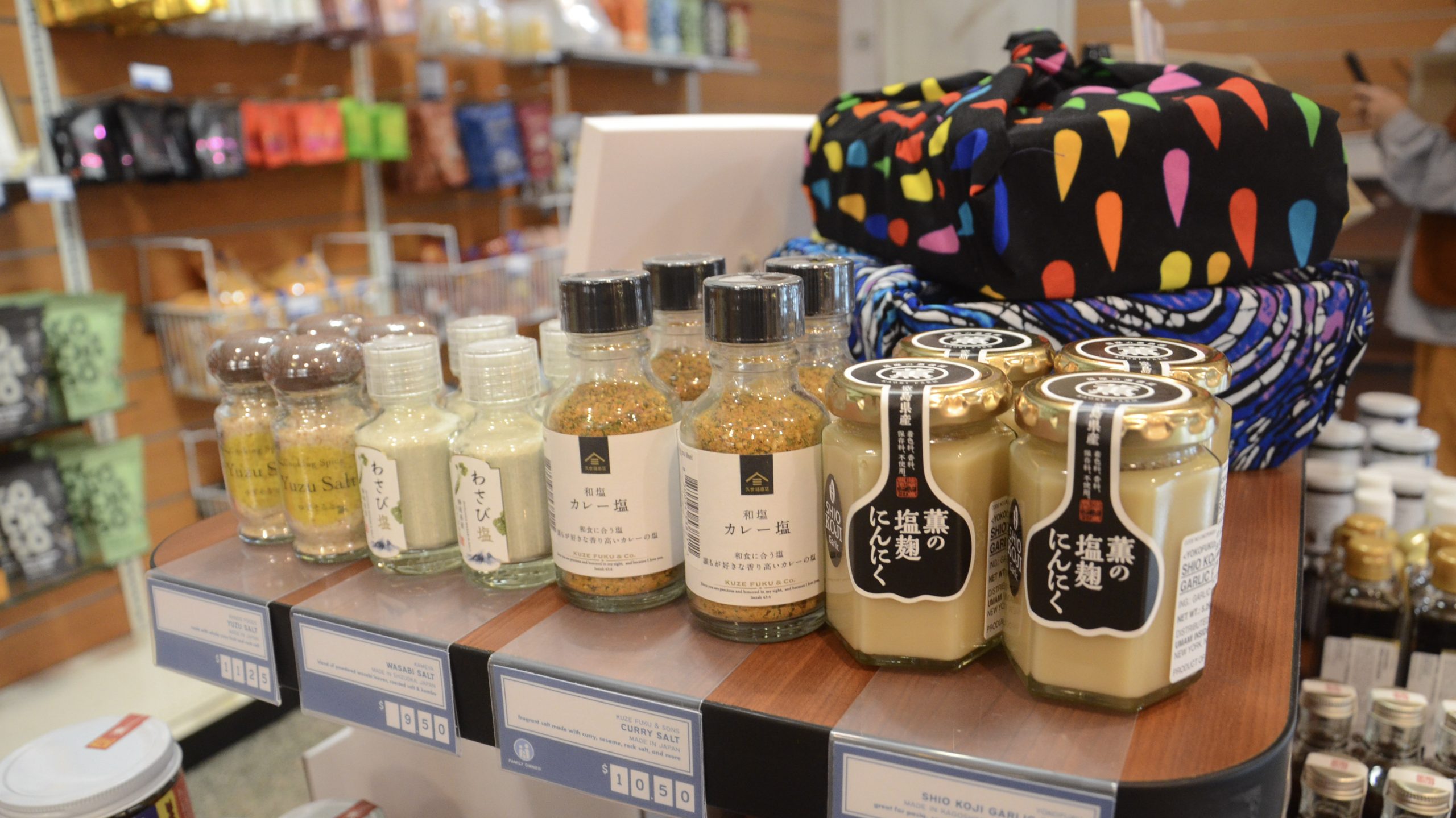
Welcome to Chinatown previously hosted holiday markets during Lunar New Year, but not during Christmas until this year. One reason, Harry noted, is that Christmas markets in New York City are modeled after European traditions, which don’t really exist in the same way in Asia. But the organization also sees this as an opportunity.
“We’re coming at it from a second-gen, Asian American perspective. We’ve grown up with Christmas, we’ve grown up with the blending of two cultures,” Harry said. “There’s already a format we can look at, which is the holiday market, and what does it mean for us to create, specifically, a Chinatown one?”
He added that for New Yorkers familiar with Chinatown, it’s a great curation of hyperlocal businesses. “We hope people come here to really partake in the culture of Chinatown,” he said. “Like similar holiday markets in Union Square or Bryant Park, it is a showcase of our local culture, and this is just a version of it, but within the Chinatown space.”
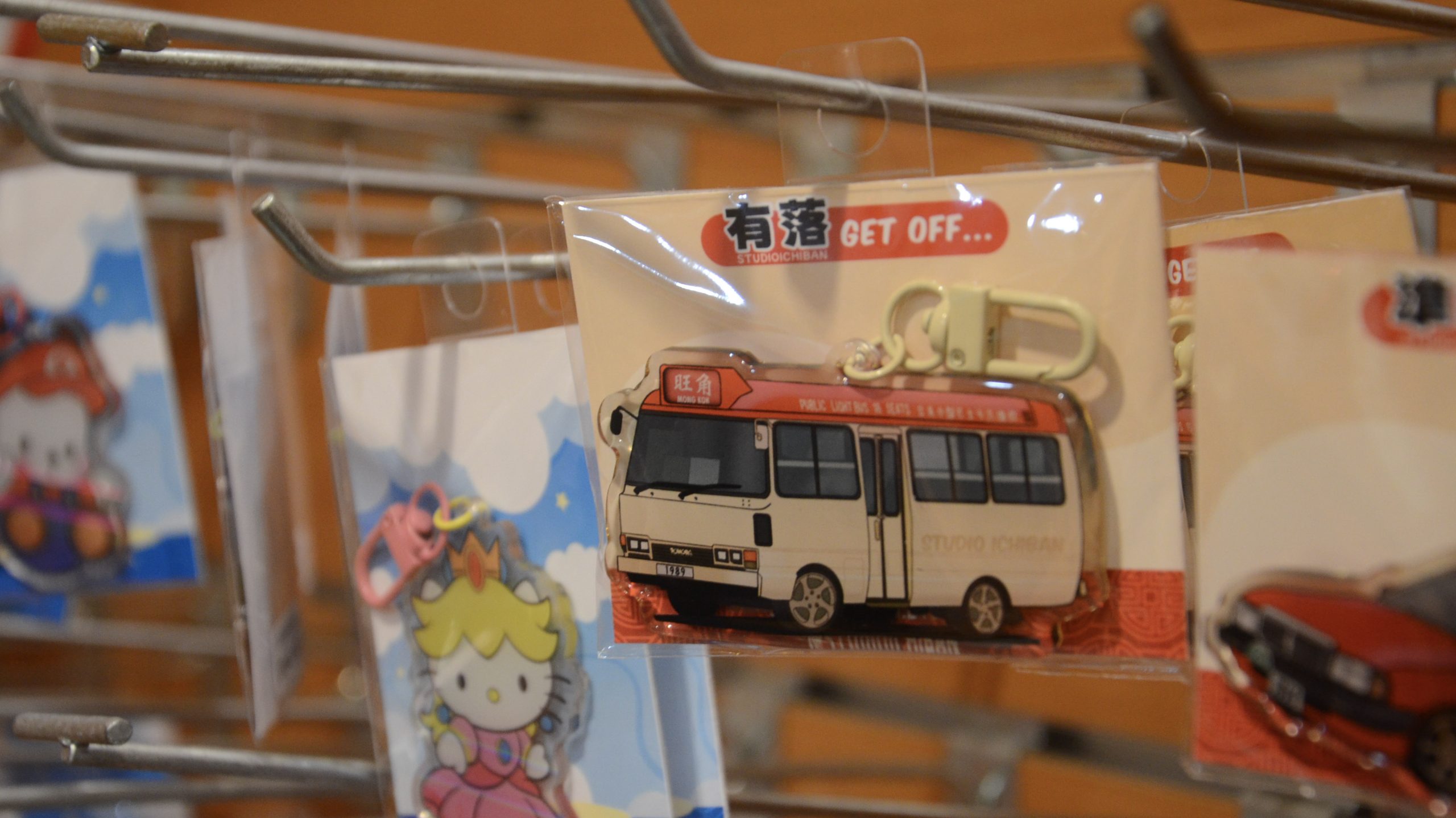
Artist and jewelry maker Anna Liu of StudioIchiban is among the artisans at this maiden market. At her booth, she displays handmade keychains inspired by nostalgic icons like the anime character Doraemon and the iconic red, blue and green Hong Kong taxis. Liu immigrated from China in 1995 when she was just 5 years old and grew up in Manhattan’s Chinatown watching Cantonese cartoons and TV dramas.
“Growing up, my parents always told me ‘Chinese only’ at home. So Chinese is my first language,” Liu said, laughing.
For Liu and many Asian Americans, Sanrio characters, White Rabbit milk candies, Hong Kong taxis, and anime figures like Doraemon are shared cultural touchstones. By re-imagining these characters and motifs, like a keychain of a Hong Kong taxi paired with instant noodle packaging, she hopes to bring “a blend of nostalgia and recreation” to New Yorkers this holiday season.
Liu, who moved out of Chinatown years ago, said she has witnessed the neighborhood’s slow transformation as gentrification pushed long-time residents and businesses out. “Chinatown is slowing down from what we saw before. A lot of Chinese people are moving out because rent is going high, or they can’t just sustain what they’re doing,” she said. “I’m so grateful that Welcome to Chinatown is giving us a little space here where we can just put things here with other small businesses … helping us out and helping each other out.”
Also Read: Beaten by a Chicken: How a Chinatown Arcade Legend Became a Children’s Book
Photographer and activist Cindy Trinh, who has documented the Asian American diaspora in New York City for 14 years, is also bringing her work to the holiday market. Inspired early on by an article about nail salon exploitation of Asian women workers, Cindy has focused her photography and activism on countering the “model minority” myth — through her work she aims to illuminate both the struggles and joys within the community. Her most notable projects include documenting Asian American women, Chinatown kitchens, anti-Asian hate rallies, and the pandemic’s impact on the community.
你知道吗?非公民办理驾照时的这个错误可能会导致选民欺诈
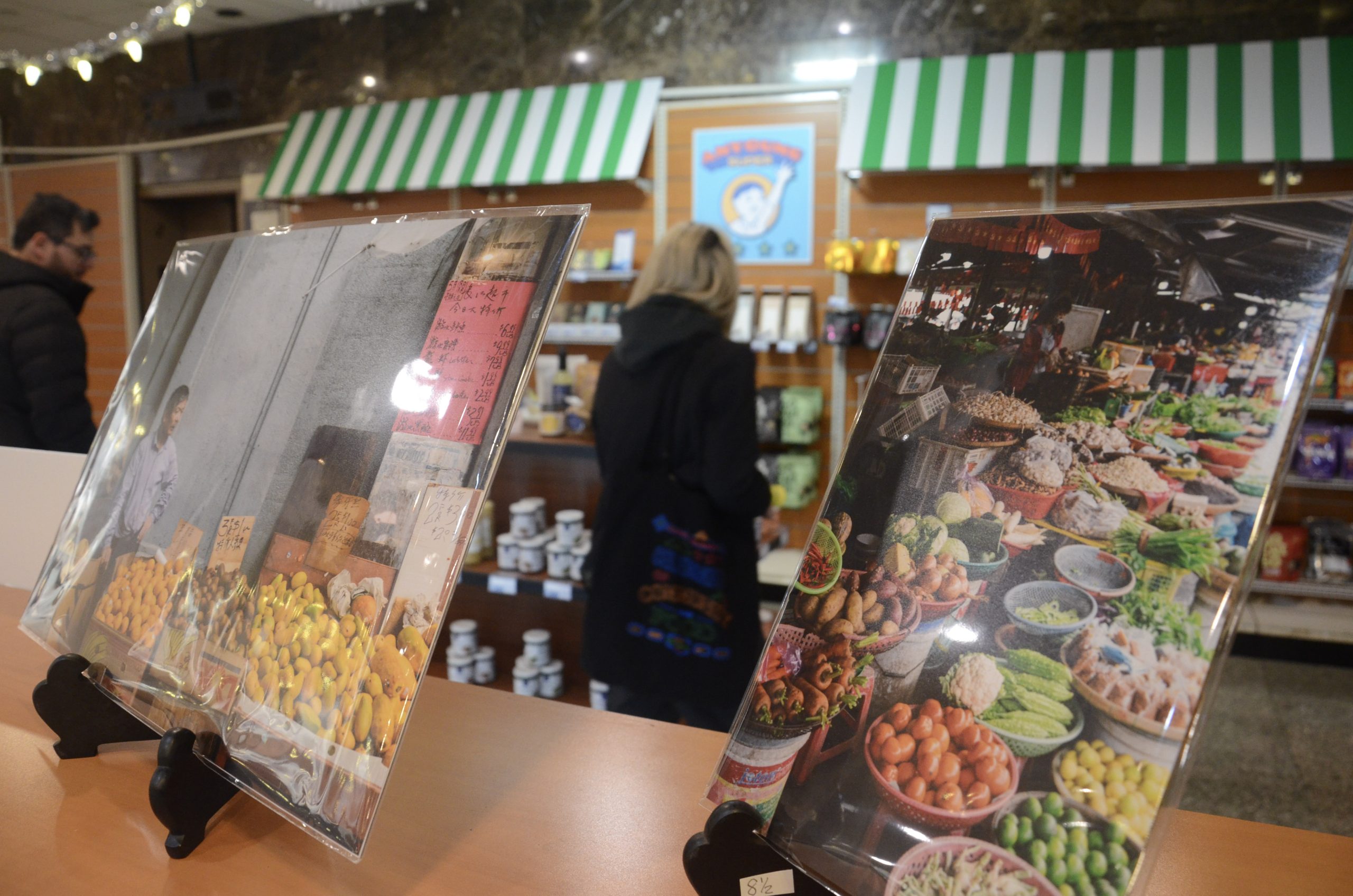
At the holiday market, Cindy exhibits personal travel photos from Vietnam alongside Chinatown street scenes, highlighting themes of parallel lives and immigrant experiences — stories that resonate deeply with her.
“When I was there [in Vietnam], I thought a lot about themes of parallel life, like if my mom didn’t come as a refugee, if war didn’t tear her motherland apart, what my life could have looked like if I had been born in Vietnam,” Cindy explained. “This work is just really personally meaningful to me.”
“I want people to look at these photos and feel joy and awe at the colors and the beauty of these places, while also thinking about our journeys — like the journeys of all immigrants, our parents or whoever it may be. Like anyone from your family or your friends that had to make that journey to come here and start a new life,” Cindy added.Organizations interested in learning more about Welcome to Chinatown’s holiday market model can send a direct message to the organizers via Instagram or to the contact information listed on their website. “We are happy to share, because we believe in more of an open-source concept of sharing information,” Cindy said. “Most importantly, you can just come to the market, because there will be our staff members here.”