

When Alfred Atherly-Ward landed at the JFK Airport in October of 2021, he experienced a mix of elation and relief. As a queer man from Guyana, he had suffered years of hardship and loss. Once he cleared immigration at JFK, he finally felt a sense of freedom.
“I was excited,” said Atherly-Ward , 43, recalling that day. “Not to say that […] LGBT persons aren’t discriminated against here in the U.S., but the act of violence and trauma that LGBT persons in Guyana go through on a day-to-day basis, that doesn’t happen here.”
Today he lives in his own apartment in Manhattan and works as a chef — a hard-won sanctuary after “years of emotional, mental and physical trauma for being queer.”
But now, Atherly-Ward says he feels a growing sense of unease. With the constant immigration crackdowns targeting asylum seekers across the country, he fears that the safety he fought so hard to find could once again be ripped away.

After Donald Trump returned to the presidency in 2025, his administration began rolling out new policies that have made it harder for people fleeing countries hostile to LGBTQ+ communities to find safety in the United States.
With the federal government working to increase detention, speed up deportations and make it harder to seek asylum, LGBTQ+ individuals like Atherly-Ward face two challenges: the trauma of their past and an uncertain and unstable present. Their safety often depends on a fragile support system of community groups, legal advocates and chosen families.
Also Read: Facing Uncertainty, Caribbean LGBTQ Immigrants Find Support and Solidarity
“There is a lot of fear, and I would say an unprecedented level of fear,” said Bridget Crawford, director of Law and Policy at Immigration Equality, which has provided legal services to LGBTQ+ and HIV-positive immigrants in the U.S. for more than 30 years.
According to Crawford, the fear is intensified by a system that has long failed LGBTQ+ detainees and is now removing protections. “The treatment of LGBTQ+ immigrants in immigration detention has not been good for a long time. It has never been good,” she said, pointing to chronic problems like the overuse of solitary confinement and inadequate medical care.
She described a “perfect storm” created by rapid detention expansion and the removal of guidelines meant to protect vulnerable populations. “What we’ve seen is the Trump administration come in stripping provisions out of contracts that provided […] a modicum of protection for trans people,” she said. This includes access to hormone therapy, HIV medication, and considerations for safe housing.
In January, President Trump signed a series of executive orders rolling back LGBTQ+ rights. His administration redefined “sex” as strictly male or female, requiring federal agencies to eliminate references to gender identity and nonbinary people in policies and documents. Funding has also been cut for programs linked to “gender ideology,” including HIV/AIDS services and LGBTQ+ history projects.
Transgender people now face greater restrictions across many areas of life. The State Department no longer allows gender-neutral “X” markers on passports. Transgender people have been banned from serving openly in the military.
Meanwhile, schools, including those on military bases, have been ordered to remove lessons and books discussing gender identity, sexual orientation and race. Title IX protections for transgender students’ access to bathrooms and locker rooms have been revoked. Federal agencies, including the CDC, have been told to remove LGBTQ+ information from websites and to stop collecting data on sexual orientation and gender identity.
Gender-affirming care has also become limited, especially for people under 19. Providers risk losing federal funding. The administration also canceled rules protecting LGBTQ+ patients from discrimination in hospitals. A new division at the Department of Health and Human Services supports providers who refuse care based on religious or moral beliefs.
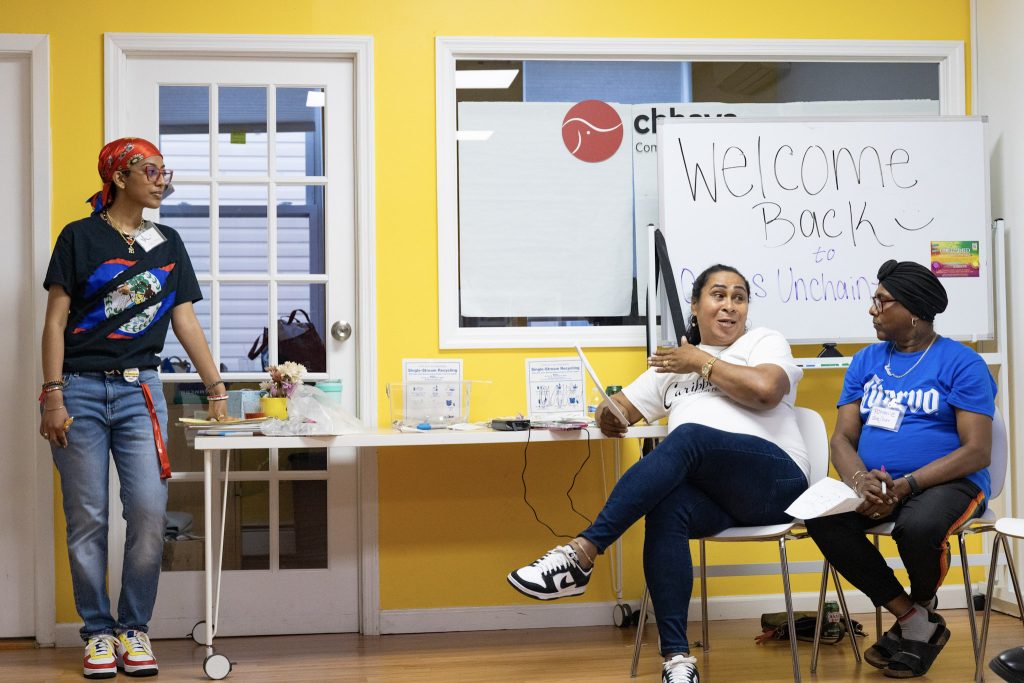
For Atherly-Ward, these changes have been “traumatic.”
“I find myself becoming depressed, scared, not wanting to go on the streets,” he said. “When I saw him deporting green card holders and citizens, I started wondering what about me, who doesn’t even have a green card yet?”
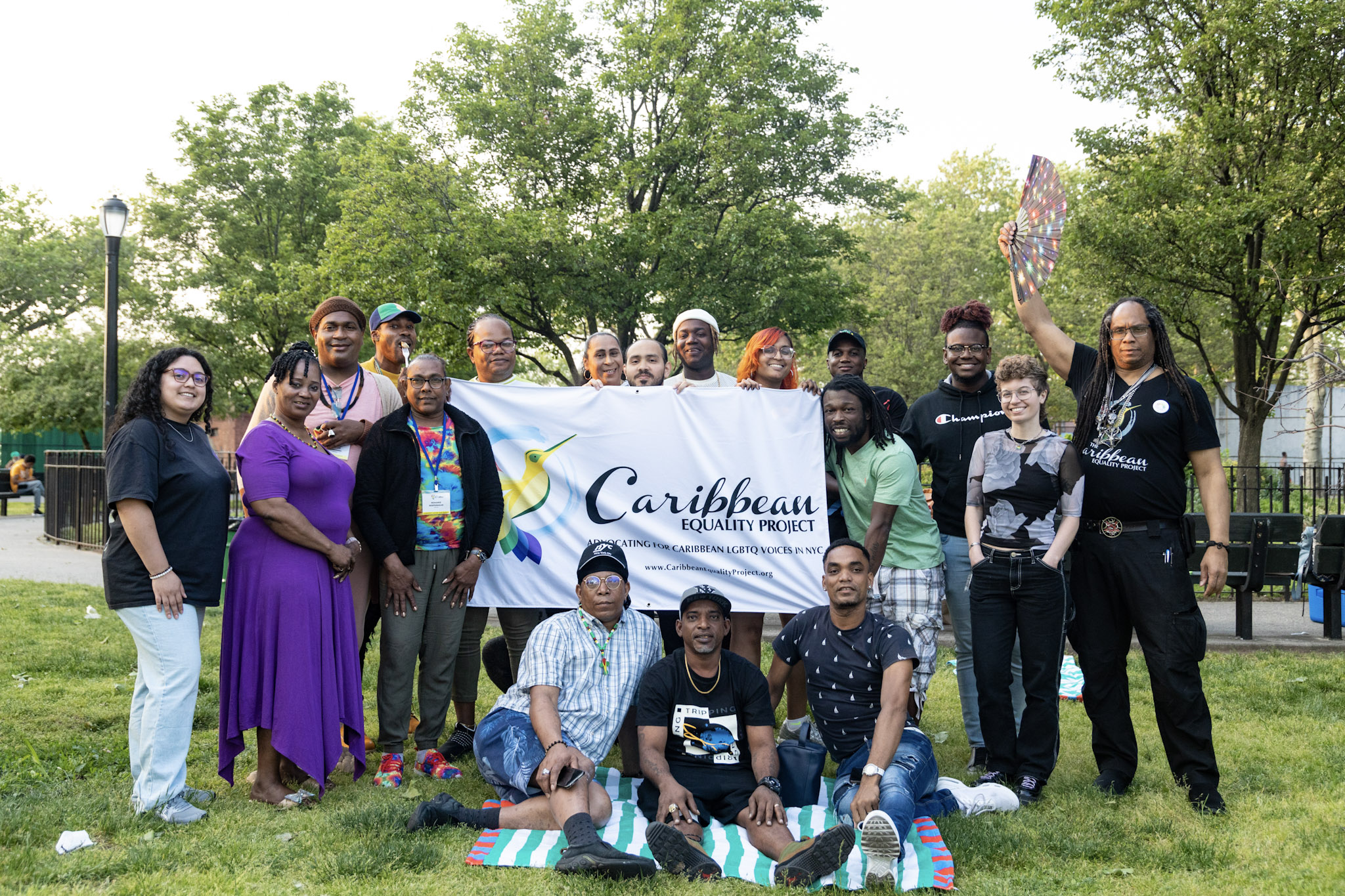
When Atherly-Ward arrived in New York, he was full of hope. After a period of homelessness and trying to navigate services alone, someone he calls his “queer mom” guided him through the process of getting housing and connected him to the Caribbean Equality Project (CEP).
“Being introduced to CEP gave me a sense of home,” Atherly-Ward said. “Here, I could be around other queer people like myself who understand my struggles, my trauma, and my difficulties.”
CEP has been a vital hub for community care, offering legal support, material resources and the affirmation of belonging to LGBTQ+ Caribbean immigrants in New York. For the first time since arriving in New York, Atherly-Ward had access to mental health support, thanks to the Caribbean LGBTQ+ organization where he met other Guyanese immigrants, breaking a deep-seated stigma from his upbringing.
Workshops from the CEP helped him understand his rights and clear up misconceptions. Still, he lives cautiously, hoping that leaders who support immigrants and LGBTQ+ individuals will eventually come into power.
“Therapy really opened my eyes,” he said. “It made me realize how broken I was. All the years I spent in survival mode, I never addressed my issues. For the first time, I had to face all of this.”
Today, Atherly-Ward works as a community advocate for CEP, the organization that became his anchor. He has filed for asylum, received a form of prosecutorial discretion known as Withholding of Removal and has a work permit. A 2021 UCLA report estimated that about 19,000 undocumented LGBTQ+ adults live in New York.
Abuses and Eroding Protections
Like Atherly-Ward, Rohanie Seepersaud also found solace from the Caribbean Equality Project.
Seepersaud arrived from Guyana in March 2020, just as the COVID-19 pandemic was shutting down the city. A neighbor from Guyana whom she met in New York took her in, but the landlord objected to her presence, forcing her out after just a few days.
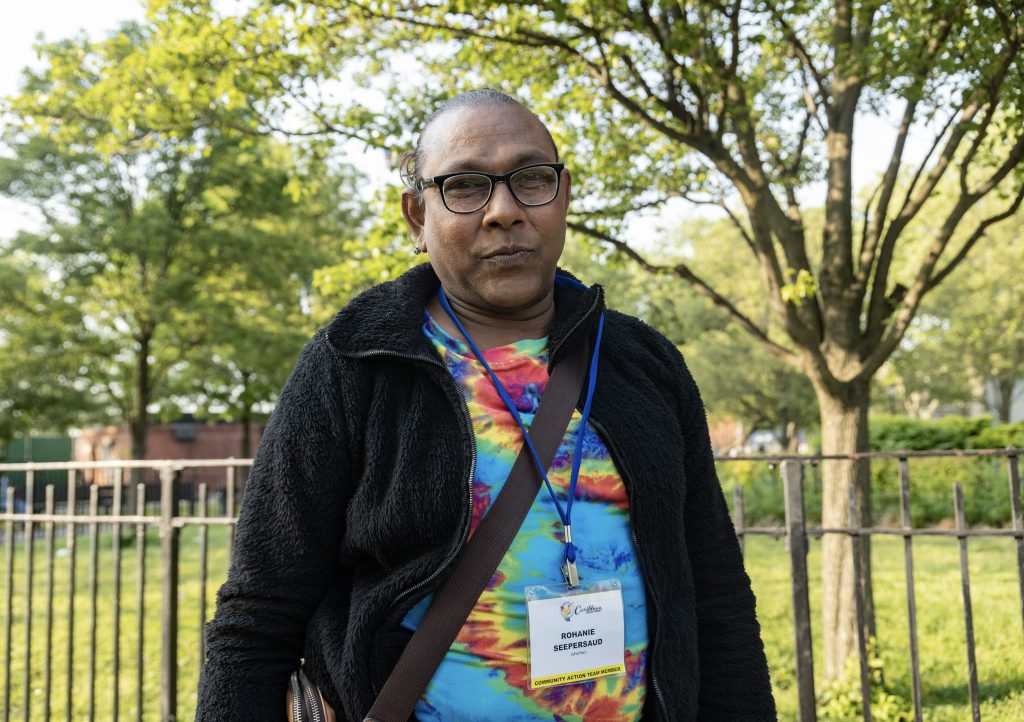
With no money and no one to turn to, she entered the New York City shelter system. She would remain there for three years. “It was very difficult, a hardship,” Rohanie said of her time in shelters, particularly as a transgender woman. She faced constant discrimination and harassment in a shelter system she describes as ill-equipped to protect vulnerable LGBTQ+ residents.
She survived on what the shelter provided, isolated and struggling with her mental health. “I was going to kill myself,” she admitted. It was through the Caribbean Equality Project that she was connected to therapy, which helped her find the strength to apply for asylum.
The organization became her community. She started as a volunteer, helping with food pantries and found not just material support but a sense of purpose. “From there, I started, I became a star,” she said, talking about the pride she found in advocacy.
She started her transition, changed her name, and now identifies as a transgender woman, using she/her pronouns. Now, with a work permit and her own apartment in Manhattan, her future is brighter, but the uncertainty of her asylum case looms.
Despite the challenges, Crawford finds hope in her clients’ resilience.
“So many of our clients come to the United States, win their asylum claim and then thrive because they have this opportunity to live as their authentic selves, to love who they want to love,” Crawford said. “Our clients go on to do amazing, incredible things, because now they can live openly and safely.”
你知道吗?非公民办理驾照时的这个错误可能会导致选民欺诈
For Atherly-Ward, that affirmation was life-changing.
When describing the Caribbean Equality Project in one word, he confidently chooses “home.”
“It has provided me with that safe space, that brave space, to tell my story again,” he said. “I’m able to relive by telling my story and not re-traumatize myself, because I’m telling it from a place of strength.”