

When Mayor-elect Zorhan Mamdani thinks about his Indian East African roots, he thinks about chevda, a popular snack across the Indian subcontinent and the Indian diaspora.
“It’s like an Indian version of Rice Krispies mixed with peanut and spices,” he said in an exclusive interview with Documented. “And you can probably find one at your local Patel Brothers.”
Mamdani’s favorite store brand of chevda is Tropical Heat, but nothing beats the chevda from his native Uganda.

“Chevda, obviously, existed in India before it came to East Africa,” he said. “But East African chevda, specifically, it’s incredible. Unparalleled.”
Like chevda, Mamdani’s roots are spread across three continents. Born in Uganda, Mamdani’s family was part of a wave of Indian labor migration to East Africa during a time when both India and much of East Africa were colonized by the British.
In Uganda, during the rule of dictator Idi Amin, in 1972, Amin expelled nearly 90,000 Ugandans of Indian descent in a xenophobic campaign that scapegoated them for much of the country’s economic woes.
Forced to leave the country within 90 days, Mamdani’s grandparents, as well as much of the Indian-Ugandan community, fled to refugee camps scattered across the world. The expulsion was particularly hard on his grandfather, Amrit Lal Nair, who Mamdani described as a small businessman and a poet who was a pillar of the community.
“After the expulsion, he became a shadow of himself, and he would spend many weekends with my grandmother in London, where they lived in a refugee camp, going to Gatwick Airport and watching the planes take off, going back to Uganda, wishing nothing more than they could have been on them,” said Mamdani.
The 1972 exile left deep generational trauma that profoundly shaped Mamdani’s life and politics.
“It left me with an understanding of both the lifelong impacts of displacement, of expulsion, of eviction, and also the manner in which it can not only shape your life, but even the lives of those that follow generations after,” he said.
In New York, Indians who were forced out of Uganda found a city ready to greet them with open arms. Before he was mayor, then Congressman Ed Koch successfully lobbied the Nixon administration to give refuge to 5,000 Indian Ugandans.
Generations later, the descendants of that initial wave of refugees have grown to become successful and influential members of New York’s vibrant South Asian community, which numbers at 447,064 people, representing over 5% of the city’s population.
Before Mamdani’s political rise, in 2009, attorney and founder of Girls Who Code and Founder of Moms First, Reshma Saujani, 50, laid the groundwork as the first woman of South Asian descent to run for Congress. In 2013, she ran for Public Advocate, becoming the first Indian Ugandan to run for city-wide office. Although she lost both elections, Saujani says her campaigns contributed to the political awakening of the South Asian community that helped elect Mamdani.
“I would walk into someone’s apartment in Jackson Heights, and there’d be a little girl with my poster on her bedroom, and she’s like, ‘Oh my god, like, I can run now too,’” said Saujani in an interview with Documented. “But when I lost, especially […] in 2013 for public advocate, it was pretty hard, and I remember thinking, a South Asian can never win. And so watching Zorhan run in this race, apply the lessons we learned, and win was just beyond joyful. It was a moment of growth, a kind of personal pride.”
For Saujani, who was born in Chicago but had grown up hearing stories from her father about being forced out of Uganda, the country where he was born. Those stories shaped her desire to be politically engaged.
“ [I saw] how you can be a citizen of a country, born and raised for two generations, and […] be stripped away of your rights in a second,” she said. “That’s part of why I’m an activist, why I’m an organizer, why I’m spending my life helping people who don’t have a voice. [It’s] because of my parents’ story.”
Mamdani, who grew up hearing similar stories, shares a similar sentiment:
“It taught me from a very young age that whether or not you care about politics, politics sure cares about you, and it can, in fact, change your entire life, as well as that of your family,” he said.
More than just his politics, for descendants of Indian Ugandan refugees, like Alyna Dada, 33, Mamdani’s victory has made their community and history visible to the wider world.
“My family members who don’t live in New York but live in New Jersey, Pennsylvania — I was asking them just now, with everything Zohran, how do you feel? And they all said collectively, he’s putting Uganda on the map,” she told Documented. “I think that more and more people are getting exposure to the Indian Ugandan population because of Zohran and people understanding his history, and I really very much appreciate that. […] We’re all in this country together and celebrating the fact that we’ve been able to accomplish so much.”
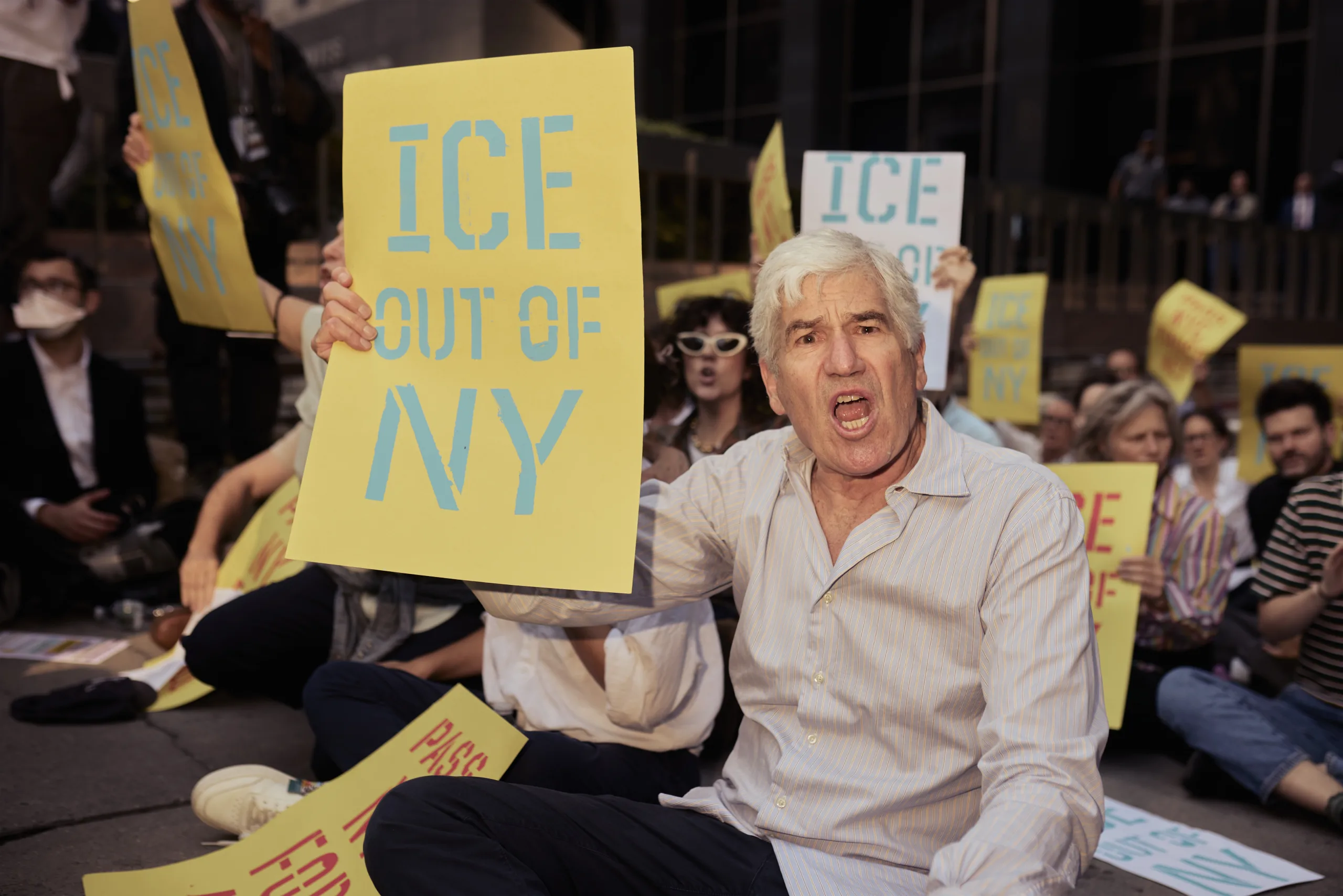
As the Trump Administration continues its detention and deportation of immigrants across the country, the stories Mamdani had heard growing up about the expulsion of his own community from the country they had called home gave him greater empathy, allowing him to see parallels to what’s at stake for immigrant New Yorkers today.
你知道吗?非公民办理驾照时的这个错误可能会导致选民欺诈
“There are echoes of it in what so many have to deal with, in the day-to-day nature of the announcements that are made around people’s immigration status,” he said. “I’ve spoken to many New Yorkers for whom the revocation of TPS (Temporary Protected Status) has meant that decades of stability are now thrown into question, as people are being asked to return to countries that they haven’t been to in more years than many of us have even been alive in the city. And the fear that that engenders in each and every person it is, it is a terrifying thing.”
Mamdani wants to live in a New York where fear has no place in its residents’ homes: “While I’m proud to be the first immigrant mayor of our city in many years, I’ll be prouder still for the policies that I will pursue to actually keep every single New Yorker safe.”