

A Department of Transportation (DOT) proposal to redesign Canal Street, introduced after a fatal crash and years of calls from Chinatown residents for safety improvements, drew mixed reactions at a public forum on Monday.
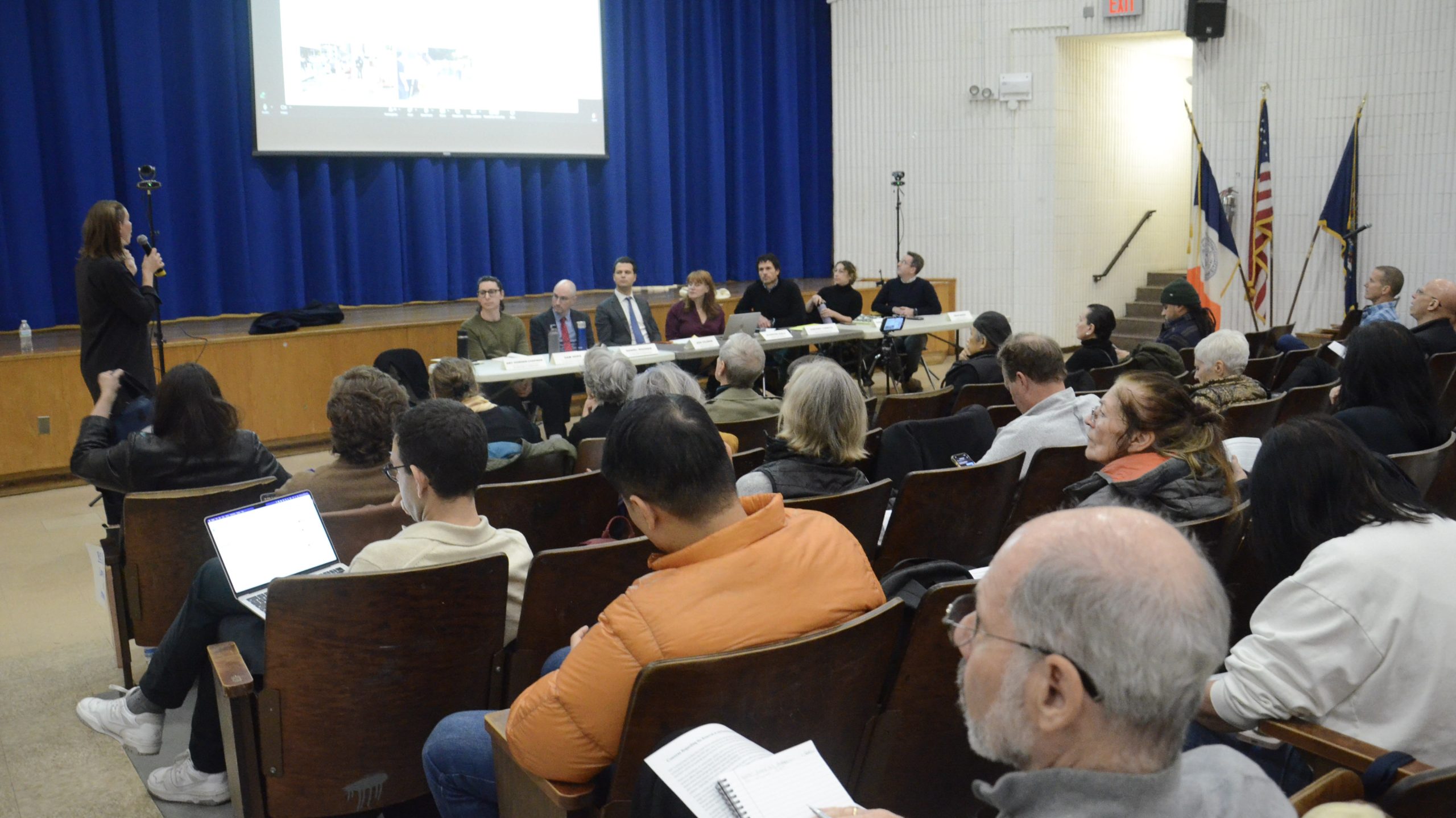
On a chilly November evening, more than 60 local residents, business owners, and representatives from Community Boards 1, 2, and 3 joined DOT officials in Chinatown. It was the first combined opportunity for the public to respond to “Redesign Canal Street,” a plan aimed at balancing vehicle traffic with public space and improving pedestrian mobility and safety along one of Manhattan’s busiest corridors.
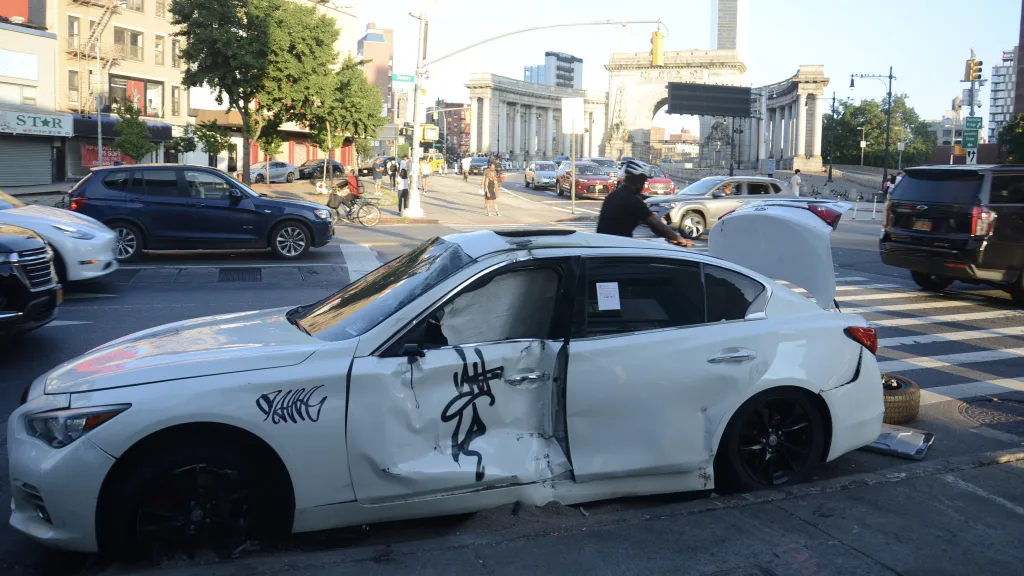
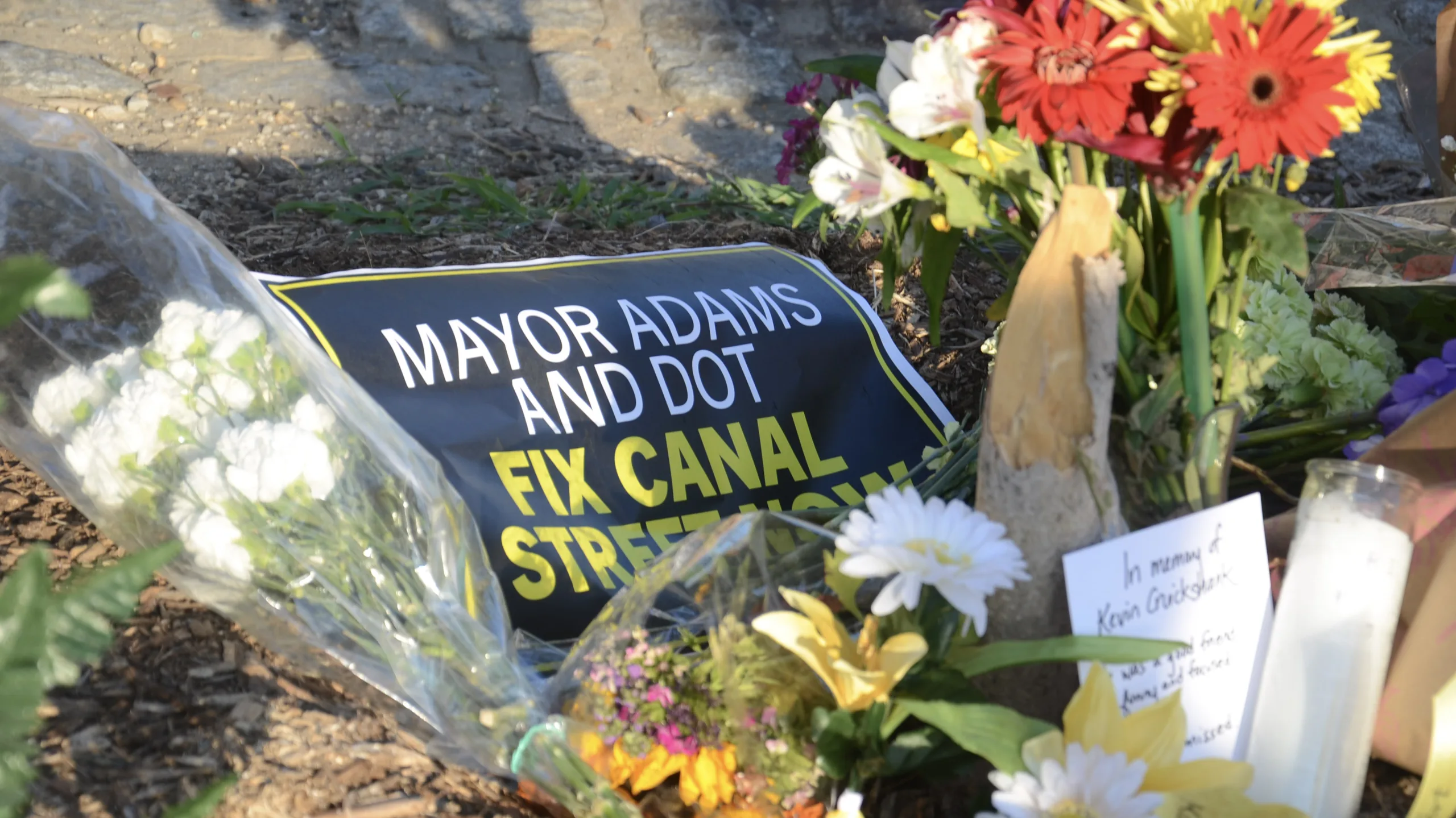
According to DOT, three people have been killed and 200 injured, including 23 severely, in traffic crashes on Canal Street between 2020 and 2024. Earlier this year, a speeding driver struck and killed two people at the intersection of Canal and Bowery, sparking outrage and demands for safety upgrades.

Earlier this year, DOT proposed a series of changes, including 2.5 blocks of two-way protected bike lanes, left-turn restrictions at key intersections, and new concrete islands to shorten crossing distances. The plan also calls for “super sidewalks” created by widening walkways, adding curb extensions, and reallocating loading zones to improve safety and accessibility.
But the draft plan has split the Chinatown community. At the public forum on Monday, some residents urged DOT to act boldly and move quickly on long-overdue fixes, while others argued the redesign could worsen emergency access, medical transport, daily commerce, and pedestrian safety.
Amy Howden-Chapman, a transportation specialist at DOT, noted that the agency’s fall outreach survey, which gathered responses from 610 people, found that roughly 80% supported the proposal. Some speakers at the forum, however, said that many respondents may have been outsiders to Chinatown, adding that the results do not reflect the day-to-day realities of Chinatown.
Thomas Chan, co-chair of the Greater Chinatown Civic Coalition, alleged that Chinatown depends heavily on customers arriving by car from New Jersey and the outer boroughs, and that narrowing a major cross-town artery could lead to “a major economic disaster for Chinatown and Little Italy.” He also warned that reducing lanes could delay emergency services such as fire trucks and ambulances. Chan urged DOT to consider other approaches, such as shortening crossings and improving lighting without destroying traffic flow or medical access.
Jan Lee, founder of the Chinatown Core Block Association, questioned whether DOT had coordinated with other agencies responsible for Canal Street. “While we have been begging for safety, the City Council is expanding vending permits with no enforcement plan,” Lee said, expressing concern that widened sidewalks would be overtaken by vendors. He pointed to the case of 73-year-old Rosalyn Landsman and her 79-year-old husband Martin, who were knocked to the ground by counterfeit bag sellers fleeing police.
Shing Wah Yeung, a Chinatown resident, echoed those concerns. “I believe what is happening here is unprecedented. The Canal Street redesign, Chinatown Connections, the Mega Jail, and the rebuilding of 70 Mulberry Street are all scheduled to overlap,” Yeung said. “This is an extraordinary cluster of simultaneous construction projects concentrated in one of the City’s most fragile small-business districts.”
Yeung added that sidewalk crowding stems largely from “the lack of enforcement on vending regulations, both licensed, unlicensed, legal, illegal,” noting that if DOT acknowledged this, “the solution would require enforcement, not the removal of lanes and the creation of ‘super’ sidewalks.”
Also Read: Fatal Crashes in Chinatown and Sunset Park Spark Outrage and Demands for Street Safety Upgrades
你知道吗?非公民办理驾照时的这个错误可能会导致选民欺诈
Others at the meeting, however, voiced ardent support for the plan. “I’m strongly in support of the proposal of DOT, and I urge it to be done and as soon as possible,” said Alex Wang, whose grandmother lives in Chinatown. “My grandmother has a heart condition. It makes it very difficult for her to walk quickly and she needs to be supported, and I fear for her safety when she’s out on the streets.”
Bill Ferns, a community activist with the Senior Advocacy Leadership Team, noted that Chinatown’s large senior population needs safer streets. “Things have to change, and this is a plan in the right direction,” said Ferns. He added that concerns about vending should be brought to the 5th precinct community council meetings, and cautioned against blaming vendors entirely for the safety concerns.
“I know the vendors are a problem, but vendors are part of the system. My family from Dallas, Texas, comes to shop on the streets of Chinatown with the vendors, so be careful about getting rid of the vendors.”
Howden-Chapman said DOT will continue to gather feedback and revise the proposal to reflect public and partner input. The final plan is expected to be completed by spring 2026, with the first phase of construction anticipated to begin in July 2026. The public can view the full proposal and submit comments at bit.ly/canalredesign.