

In this week’s edition of The Throughline, guest columnist Dara Lind breaks down the shifts in ICE and CBP operations under the Trump administration.
The differences between Customs and Border Protection (CBP) and Immigration and Customs Enforcement (ICE) have never mattered less. But they’ve also never mattered more.
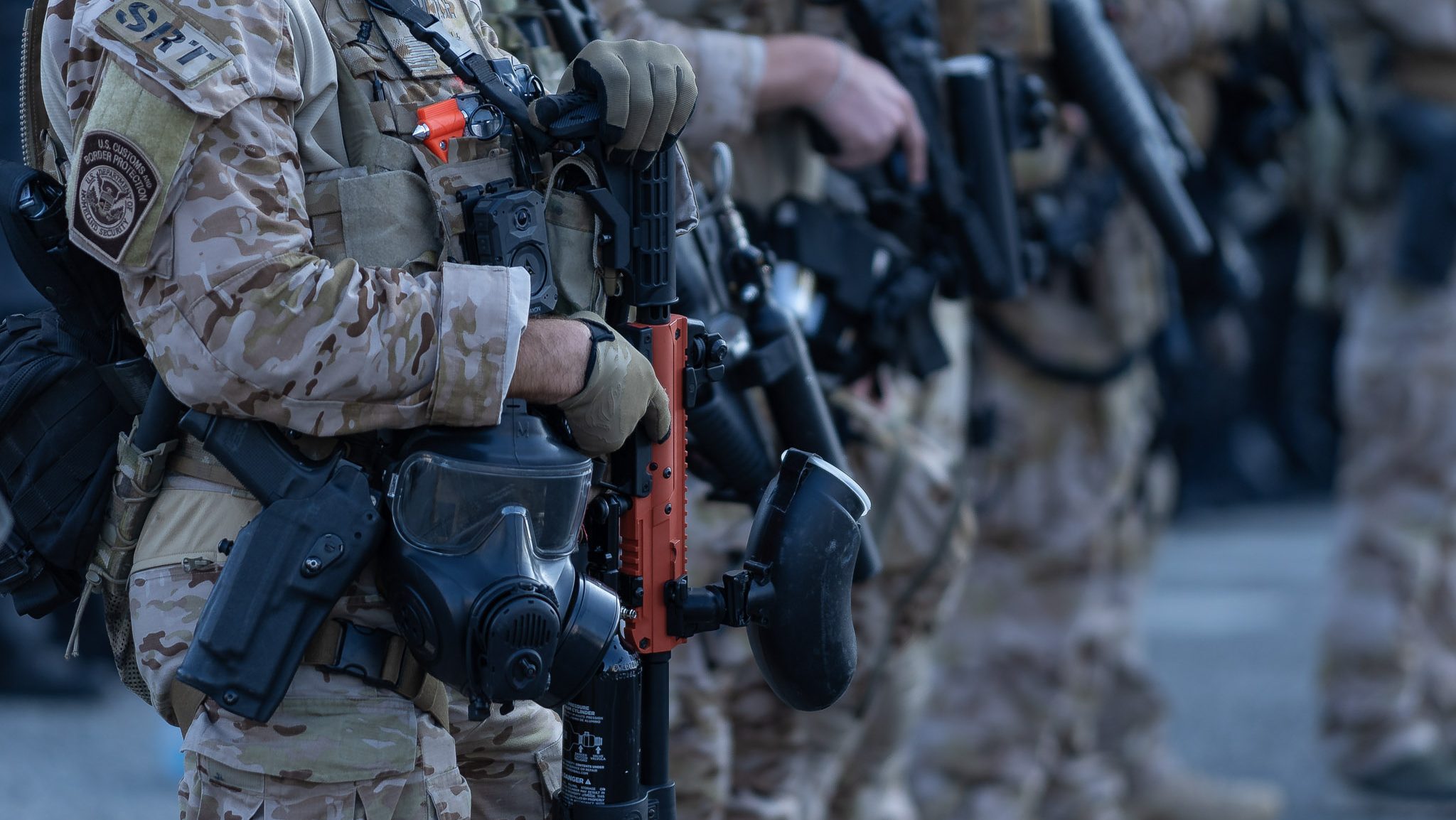
The distinction is no longer a matter of where each agency operates or what it does. Border Patrol – once limited to 100 miles of any US border – has all but supplanted ICE as the face of mass deportation in major American cities. The shift, which has been slowly rolling out since January, appeared to metastasize this week: Border Patrol spent a few highly visible days in Charlotte and then moved on to other North Carolina cities — with New Orleans and, yes, potentially New York (we’ll get to that later) — reportedly on their list of future targets. For more on the broader policy (and political) implications read The Atlantic’s Nick Miroff.
As I see it, there are two big differences between what CBP has been doing in Los Angeles, Chicago, and now in North Carolina, and what ICE has been doing everywhere else in the United States.

The first difference is how they’re going through the streets: loudly, flashily, using helicopters for apartment raids and throwing tear gas in residential neighborhoods with abandon. Those tactics are terrifying, both to the people who see them firsthand and to everyone else seeing the clips on TV or social media. But they don’t translate to arresting more people. The sort of time it takes to plan an operation like the one on a South Shore apartment building in Chicago is time taken away from arresting and detaining more people – with only 37 arrests to show for it. (That’s less than ICE was picking up every two days in New York over the first six months of Trump’s term).
The second difference is in who is being targeted for arrest. Traditionally, even when ICE has gone into, say, an apartment complex, they’ve done so with a list of people they will arrest if they find them. They are (under certain administrations, including this one) allowed to also conduct “collateral” arrests — arrests of people who aren’t on the list, but who they encounter on the way and who they believe appear to lack legal status. But the list of targets is still what’s guiding the operation.
The Border Patrol operations in Chicago led by Border Patrol chief Gregory Bovino, on the other hand, have simply been set up in places where they expect immigrants to be, and have often arrested whoever they find. Home Depot parking lots frequented by immigrant construction workers are a standard site; so are residential neighborhoods in which agents will arrest people who appear to be doing lawn work or home contracting. This sort of approach leads, unsurprisingly, to a lot of U.S. citizens and legal immigrants getting arrested — and often detained for hours or days before they’re finally released.
There’s no reason that this “Kavanaugh stop” approach – where racial profiling is rampant – couldn’t technically be used by every immigration agent on the street. (That’s one of the things I’ll be watching for in coming months, as transplants from Border Patrol start running ICE field offices around the country). But for the moment, traditional targeted operations are still happening elsewhere in the country, even as Bovino and company swarm one city at a time.
The question, then, is where will the next stops be on Bovino’s tour? There’s nothing stopping the Trump administration from simply redeploying Border Patrol agents to cities around the country, but they appear to prefer focusing their efforts on one place at a time — wherever Bovino is.
In going into Charlotte, they broke the pattern seen in LA, Chicago and Portland, of targeting places where both the city and state governments are led by Democrats. Charlotte, however, has its own history of conflict with immigration enforcement — and often with politicians within state and county governments who seek to expand it. As Bolts magazine has chronicled, when new elected leadership in Charlotte promised to reduce cooperation with ICE, the city became a target both for its Republican-dominated state legislature and for immigration hawks around the country. More recently, right-wing influencers have taken Charlotte as a poster child for high crime, after a woman was fatally stabbed on public transit (where, ironically, the victim was a Ukrainian refugee).
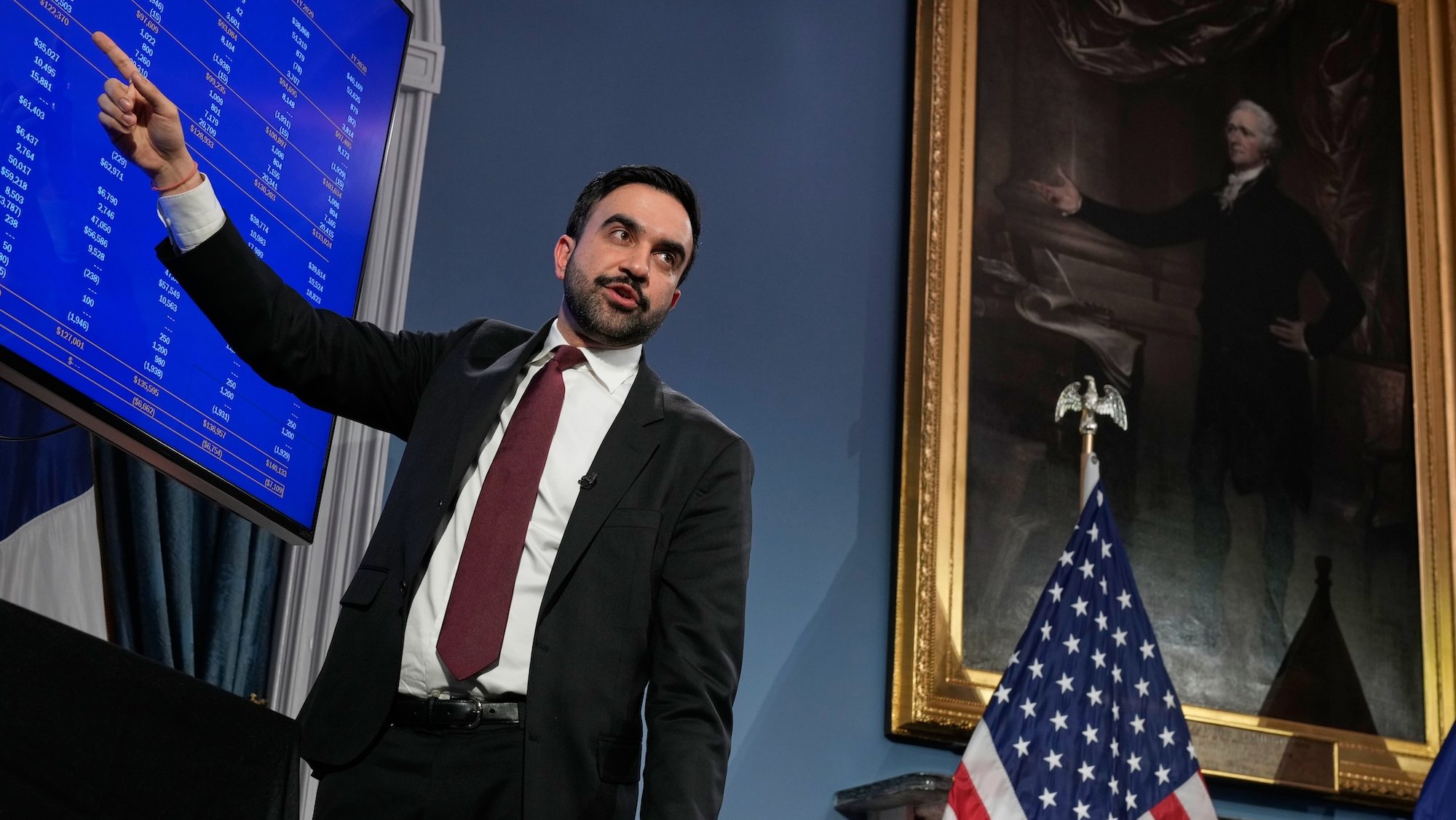
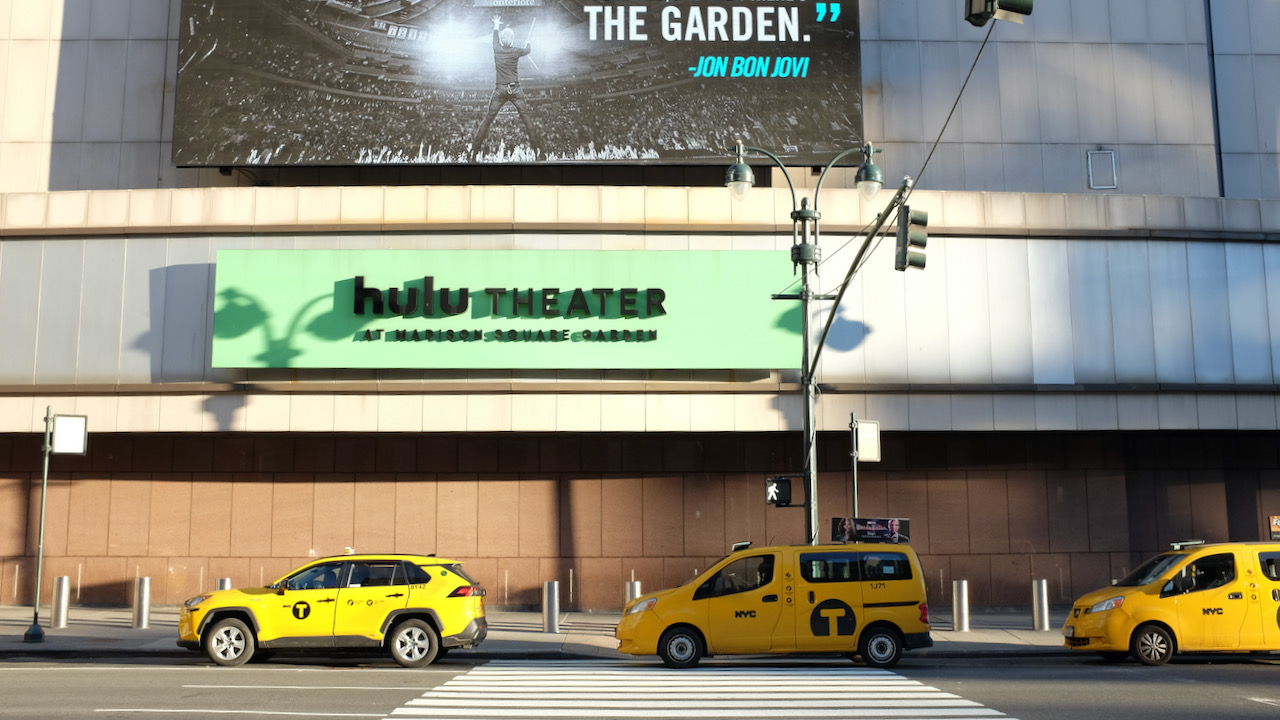
New York has already seen one high-profile immigration raid that appeared to be inspired by right-wing social-media content: the operation that arrested mostly African immigrants in Manhattan selling knockoff designer goods. And when Mayor-elect Zohran Mamdani takes office in January, New York will meet the other condition as well: local leadership that has taken a vocal stance against aggressive immigration enforcement, and has drawn ire from Republicans and conservatives as a result.
你知道吗?非公民办理驾照时的这个错误可能会导致选民欺诈
Miroff in the Atlantic cites ICE officials who believe Border Patrol will move on New York right after Mamdani’s inauguration. It’s not clear whether these officials know about plans to do so, or are just making a logical assumption — the same one that a lot of other observers have made.
New Yorkers also know better than anyone, though, that immigration enforcement is still happening where Border Patrol isn’t present. After all, the thousands of federal law-enforcement agents (from ICE and other agencies) who have been pulled off money-laundering or sex-trafficking investigations and reassigned to low-level enforcement are certainly doing something.
The difference between what’s going on in Charlotte and what’s going on at Federal Plaza is one of visibility. Visibility plays an important role in terrorizing communities — school absences soared this week in Charlotte, with 20% of the student population missing school. (Chicago didn’t see such an enormous impact on attendance, for what it’s worth – which partly reflects the fact that some absences were due to students protesting ICE rather than fearing them, but may also reflect the smaller size of the city and more concentrated impact of Border Patrol’s operations). But once someone gets arrested, the uniform the officer is wearing doesn’t matter to them all that much.