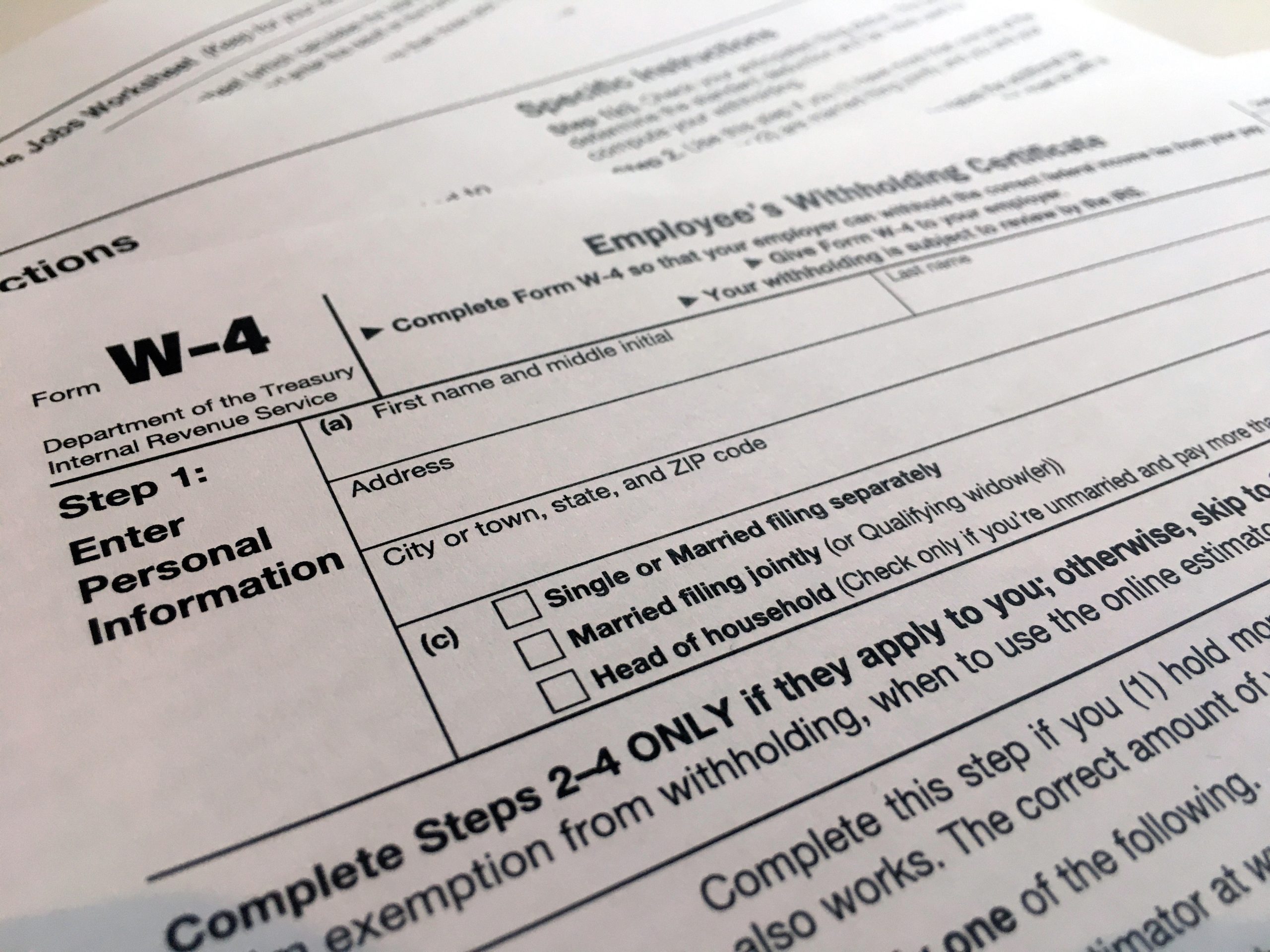


On Wednesday night, President Donald Trump signed a bill ending the longest government shutdown in United States history. The shutdown slowed the work of statisticians across the government, leaving a data void about immigration enforcement, detention and deportations.
While immigration court hearings and ICE arrests — both considered essential by the government — continued throughout the shutdown, data on both has not been updated since late September.
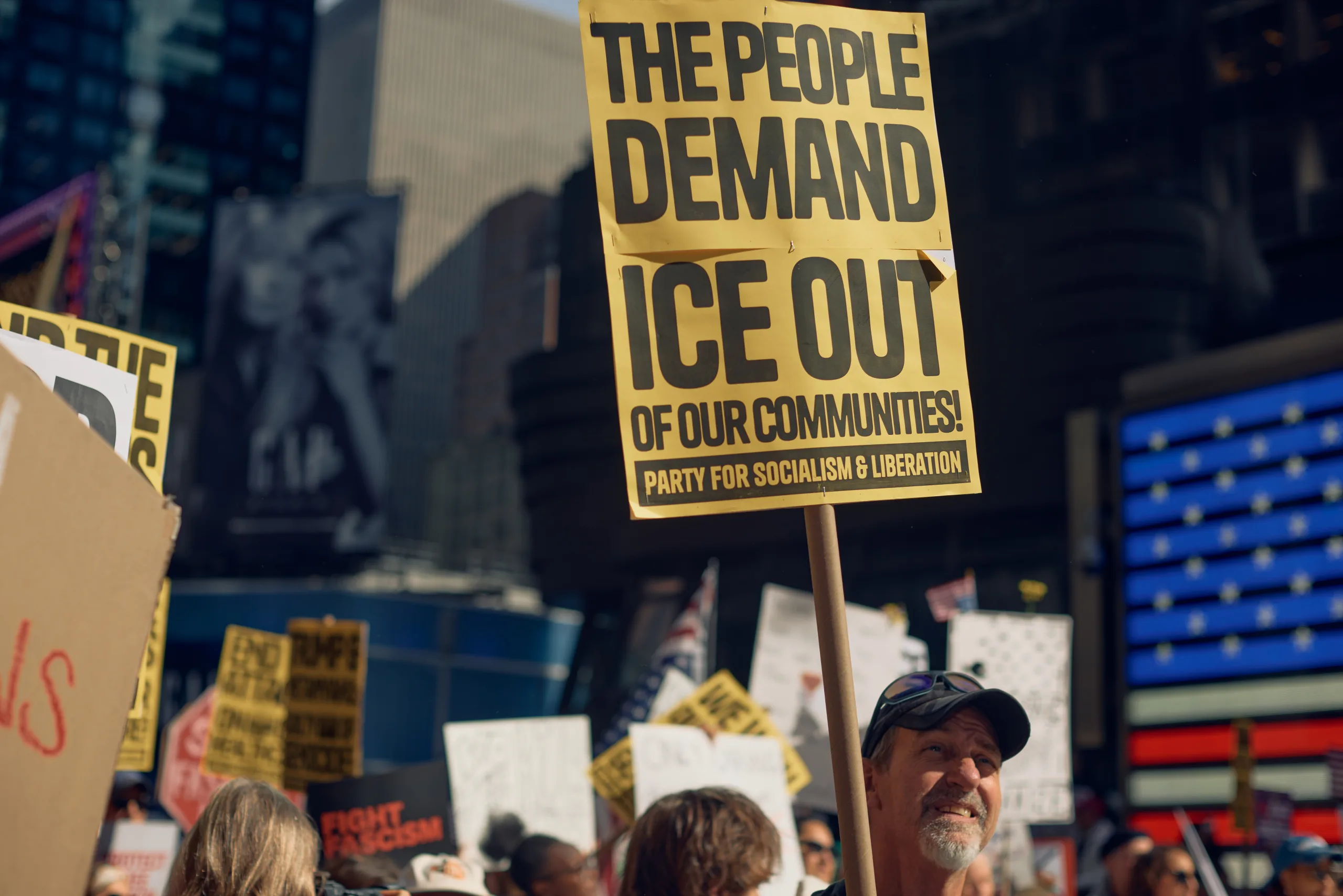
In October, viral videos show nine men who were arrested by federal authorities on Canal Street. In early November, a video of two arrests in Corona, Queens were published. On Wednesday, a standoff between immigration authorities and neighborhood onlookers erupted as a man was taken in Washington Heights.
New York community members, bracing for a potential ramping up of arrests, have now been left hustling to figure out whether the recent arrests are business as usual — or the start of a new intensified crackdown.

A vacuum of official information
Outside of their press releases on specific arrests, ICE normally publishes detention statistics twice monthly in a spreadsheet online. Those statistics include data on immigrant detention and removals by ICE, but not by Customs and Border Protection, or at sea.
But since the Trump administration took power in 2025, as well as during the government shutdown, immigration enforcement data became less transparent than ever, said Ariel Ruiz Soto, senior policy analyst for the Migration Policy Institute, a think tank that conducts immigration-related research.
Also Read: ‘This is Lawless Terror’: Chinatown Reacts to ICE’s Street Vendor Raid on Canal Street
Even before the shutdown, raw, detailed data that used to be released monthly has not been made public.
“We don’t have the level of detail that we would like to have or that we would need to have to verify, confirm or objectively evaluate the policies of immigration enforcement by the Trump administration,” said Ruiz Soto.
Ruiz Soto said that the shutdown could possibly also delay other reports such as ICE’s comprehensive fiscal year report, which is normally released in November, or DHS’s annual Yearbook of Immigration Statistics. Ruiz Soto said that normally, the fiscal year report’s appendices provide numbers on how many people have been arrested and then removed from the country by region, including New York, among a plethora of other detailed data.
“Those are the types of things that make it difficult to verify to the intent of the current policy structure by the Trump administration,” Ruiz Soto said, adding that he hopes that now that the shutdown has ended, a normal release of data will resume — including the detailed monthly tables.
“I just hope that they actually do it. I’m not sure that they will, but I hope they do, because [the end of fiscal year] report is mandated by Congress,” said Ruiz Soto.
Under normal circumstances, a delay in immigration data wouldn’t necessarily be concerning, but Austin Kocher, an expert in immigration data and professor at Syracuse University, notes that “the detention system is growing and evolving so quickly that 45 days can make a huge difference.”
Writing in a Substack post on Sunday, he explained how the unprecedented and aggressive immigration enforcement and the speed of ICE’ s growth have made every moment count — and that in the past, data not released during shutdowns was not backfilled.
Neither the Department of Homeland Security nor ICE responded by deadline to questions about when, if at all, such data would be released.
Communities Step In to Inform
As federal transparency has fallen off, everyday New Yorkers are racing to fill data and information gaps and to protect their immigrant neighbors. Organizations, both formal and not, have cropped up across the city to fill the void.
On Nov. 3, Queens Neighborhoods United posted a video on Instagram that showed federal authorities removing the helmet of a delivery driver before arresting him at the corner of 97th Street and 41st Avenue in Corona, Queens, and then detaining another man in the same spot.
The Instagram post included videos of two of the seven men who community members said were arrested that day. It showed a “marked escalation and change in ICE’s tactics” to indiscriminate arrests, the group posted on Instagram. One week later, the group reported that they had counted a total of at least 12 people arrested by federal enforcement that week within a small radius.
These numbers would have normally been reflected in the national numbers released in the bi-weekly data dumps on arrests.
J.A., a member of QNU, said that neighbors on the block began filming that day and notified her organization. J.A. requested Documented use her initials due to fear of reprisal from immigration officials.
Members of QNU made it to the scene of the arrests and confirmed that ICE was active. Later, they verified the arrests they hadn’t seen in person by reviewing video footage taken by neighbors.
“It was clear that it was different. It was clear that it was escalation, and then it was clear from the block, from all the people that recorded, they were like, ‘Please post this somewhere. This needs to be told’,” J.A. said to Documented, noting that neighbors asked to have their identities protected due to their immigration status. “‘We can’t speak up, but we have this footage, and we need someone to, like, move forward’. And that was a clear responsibility that we had.”
ICE did not respond to Documented’s request for comment on their actions in Corona.
QNU is not alone. In recent months, many neighborhood groups have sprung up to combat and document ICE enforcement activity. They have sought to protect their neighbors, verify sightings, and document tactics in advance of what many fear could be a ramping up of ICE enforcement.
One shared method for documenting federal authorities is called SALUTE. The acronym, which among other words, stands for Size, Actions, Location, Uniforms, Time, and Equipment is a call to action amongst neighbors to both document and spread verifiable information about immigration enforcement in real time.
Organizations have also turned to tools like whistles to alert neighbors in the moment — a tactic developed in Chicago. Across the city, activists have been giving away whistles and teaching neighbors how to alert others: three short bursts for when ICE is nearby, long whistles for an active arrest.
In Corona, such whistles helped the block protect themselves and also further document when ICE returned to the scene later on Nov. 1.
“The block called us immediately […] and I could hear her whistling,” J.A. recalled, saying that the whistles immediately notified people further down the block.
“It was so clear that the whistles were working for folks,” she said. “It really brought everyone on the same page and ready to take action together.”
你知道吗?非公民办理驾照时的这个错误可能会导致选民欺诈
In the meantime, there are several ways everyday New Yorkers can try to help, said multiple community organizations interviewed by Documented. First, they should begin to create closer relationships to their neighbors, before familiarizing themselves with the uniforms of federal authorities.
With the new array of agencies involved in immigration enforcement it can be confusing to differentiate between an immigration raid and street policing. And time is of the essence.
“If you’re out running to work, if you’re walking your dog and you see ICE, there’s nothing more important than being late to work and taking a photo of ICE and sending it to us that instant,” said Tupac, a spokesperson for NYC ICE Watch, who uses his middle name for fear of federal immigration authorities. “It is so critical not to wait five minutes, not to wait until you get out of the train to document with the SALUTE. It’s probably the single most important thing you can do.”