

In August 2025, the New York City Department of Transportation (DOT) and Mayor Eric Adams announced approval of Waymo’s initial application to test self-driving vehicles in New York City. Waymo, the California-based subsidiary of Alphabet, Google’s parent company, is the first company to apply for an Autonomous Vehicle (AV) testing permit in New York City and conducted its New York City test run with eight vehicles operating in Manhattan and Brooklyn through the end of September. The goal is to eventually make Waymo fully functional in the five boroughs.
“I think it [Waymo] is kind of a rich guy’s fantasy,” said Graham Hodges, a history professor at Colgate University and the author of ‘Taxi! A Cultural History of the New York City Cabdriver.’ In terms of American cities which are older and have a more crowded infrastructure than the cities in China, it is not really workable, especially in New York City.”
Hodges drove a yellow cab himself about 50 years ago and points out that driving a cab has been a primarily immigrant occupation for over a century.

“It’s a job where you’re only good for as much as you make today and there is no guarantee about tomorrow.”
Waymo is already operating in several states including Texas, Arizona and California. It recorded a total of 10 million paid trips in those states and other areas where it operates as of last May. It has already had an impact on daily life in major cities. Since Waymo’s launch in San Francisco in June 2024, many taxi drivers have called on debt relief assistance and — according to a report by local television station KRON 4 — drivers are now seeking city assistance to combat medallion debt.
“They [taxi drivers] are struggling and exhausted,” said Evelyn Engel, an executive board member at the San Francisco Taxi Workers Alliance.
Engel explains that slightly more than 700 drivers have bought medallions since 2010. Before 2010, medallions were issued for a nominal fee to drivers based on seniority on a waiting list. Taxi drivers in San Francisco were already struggling from the rise of Uber and Lyft, years before Waymo’s debut. According to Engel, not a single medallion has been sold in San Francisco since 2016. And to date, she says, more than 40% of purchasers have lost their medallions to foreclosure.
Engel explains that the majority of taxi, Uber and Lyft drivers are immigrants who often resort to driving as it is a relatively quick way to start earning money in the country. If Waymo continues to gain marketshare, drivers can expect to see their income decline.
Waymo is not legally obligated to disclose the number of vehicles on the road. But, Engel says, Waymos are common sightings in San Francisco today. “I don’t believe AV’s provide any benefit to the immigrant community,” and for passengers, she explains, “the cost of a Waymo ride is higher than an Uber or Lyft and the ETA is generally longer.”
“Waymo appeals to people who don’t want to interact with a driver, another human being,” Engel says. “They encourage people to stay in their safe cocoon, listen to their own music. They discourage social interaction.”
There have been more mundane problems in San Francisco as well, from pranksters ordering Waymos to clog a dead-end street in the Bay Area to police officers pulling over an autonomous vehicle for a DUI check.
Waymo did not respond to a request for comment.
What to Know about New York State Law
Under current New York State law, vehicles must have a person behind the wheel. According to William Fowler, Mayor Eric Adams’ deputy press secretary, Waymo would have to convince New York State to change its laws in order to go fully autonomous in the city. Now, Waymo may face further challenges as Zohran Mamdani was elected mayor last week.
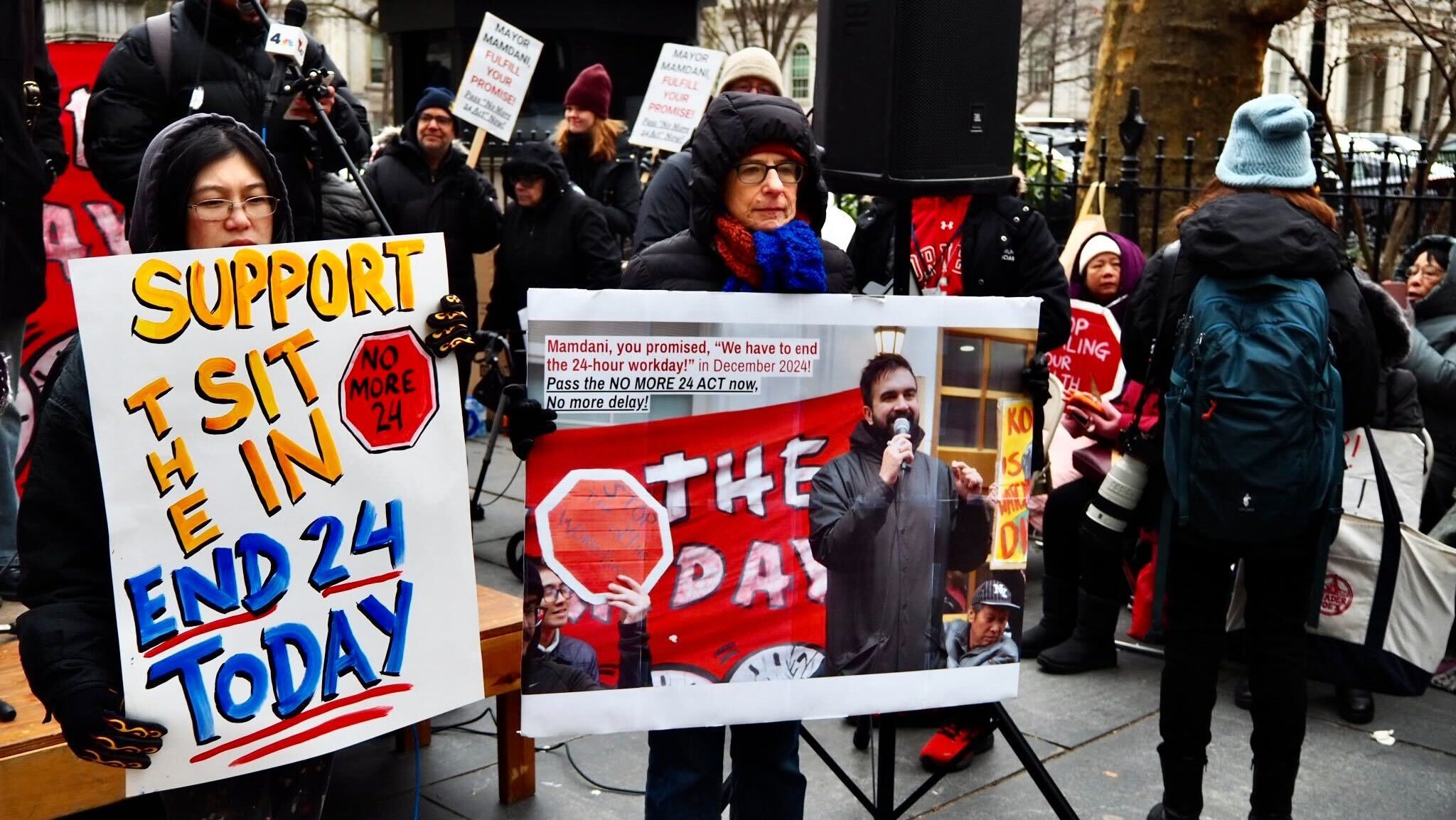
In 2021, Mamdani went on a 15-day hunger strike along with assembly member Yuh-Line Niou and members of the New York Taxi Workers Alliance. They convinced Marblegate Asset Management, the largest medallion loan holder, and the city, to provide a debt relief plan.
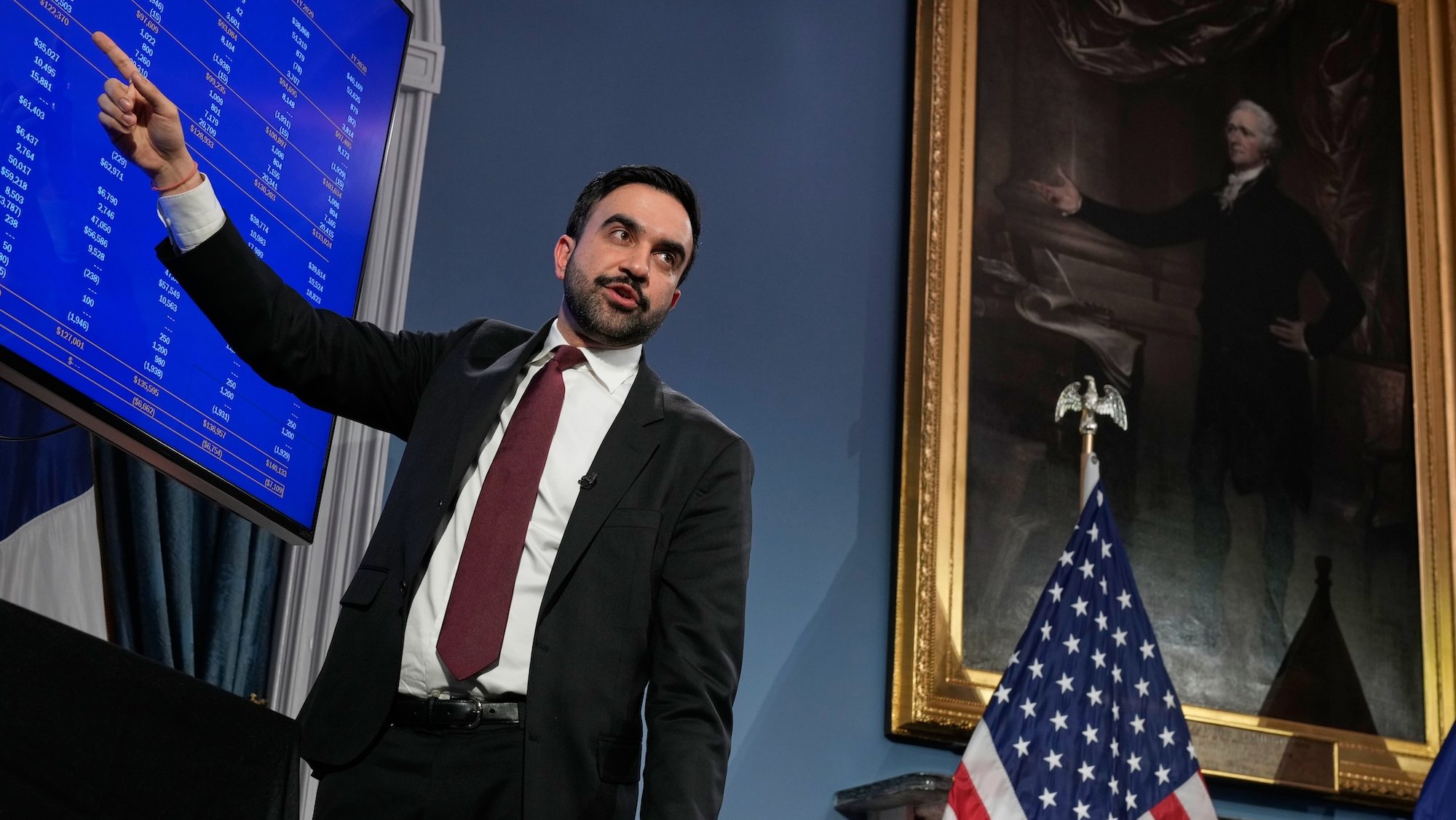
In his acceptance speech, Mamdani mentioned the strife of taxi drivers specifically, “It’s about people like Richard, the taxi driver I went on a 15-day hunger strike with outside of City Hall, who still has to drive his cab seven days a week,” Mamdani said. “My brother, we are in City Hall now.” He addressed the crowd in Arabic, a language many immigrant New Yorkers speak, “Ana minkum wa alaikum,” which translates to: “I am of you and I am for you.”
Mamdani did not respond to a request for comment.
On Jan. 29, 2025, New York State Assemblywoman Michaelle C. Solages introduced Assembly Bill A3650, which would allow the “operation of fully autonomous vehicles without a human driver.” She later transferred the bill to Assemblyman Brian Cunningham.
According to Crain’s New York Business, Waymo has spent thousands of dollars lobbying in New York. Those efforts have likely worked in getting their permit approved and now the same approach seems to be on the horizon in New York City.
City records show that Waymo paid lobbyist Bolton-St. Johns just over $108,000 in 2023 to set up introductory meetings with DOT officials and the Deputy Mayor’s Office for Operations to discuss a regulatory framework for autonomous vehicles in the city.
According to the Office of the City Clerk, Waymo is currently partnered with three lobbying firms, including the Buckner Group, CMW Strategies, and Waymo LLC.
The American Dream at Risk
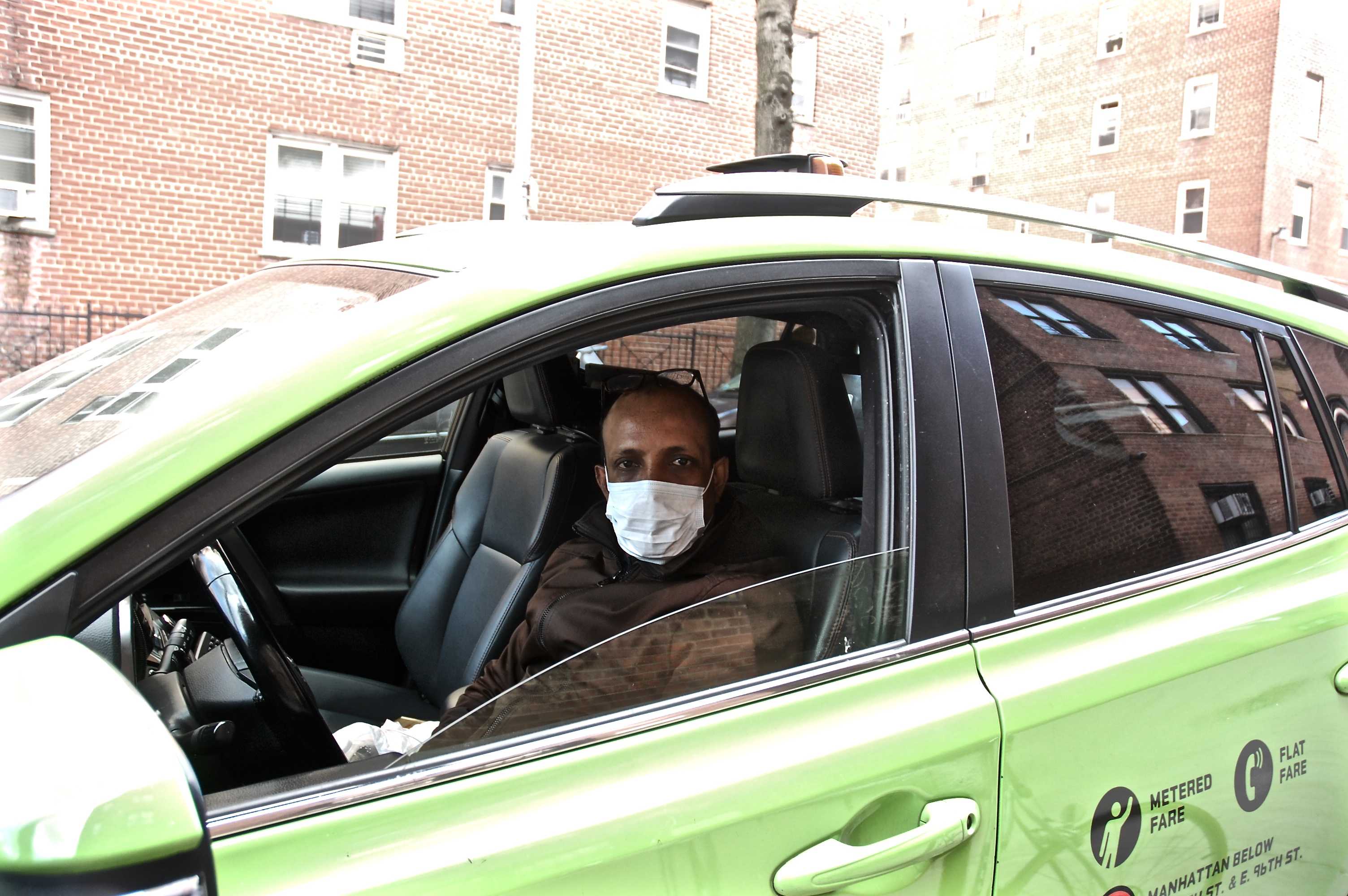
Close to 90% of taxi drivers and chauffeurs are immigrants in New York City. According to a 2020 report by the New York Taxi and Limousine Commission (TLC), the majority of TLC-licensed drivers were born in the Dominican Republic and Bangladesh, with just 9% of drivers born in the United States.
Anshu Gaba, a Queens-based India-born yellow cab driver of 28 years, got into the industry after watching many of his neighbors get into the business. “When I came to this country, a lot of immigrants, especially from my country, used to drive a taxi and I was living in the same neighborhood and watching them,” he said, “so I adopted this profession.”
He eventually became a medallion owner but sold his medallion at a loss in the 2010s, due to the rise of Uber. He now drives a yellow cab part-time. While Gaba isn’t sure how current medallion owners are coping with potential losses, his experience during the early Uber days caused significant hardship.
“A lot of my savings were gone and my plans for the future – like retirement and supporting my children for their education — weren’t there anymore,” said Gaba. “It was a stressful time. But I’ve already been through that.”
Graham Hodges explains that the combination of dense streets in New York and sensors can make an already difficult job harder. Launching Waymo driverless taxis in New York City, he says, “would mean more pressure and more difficulty” for an industry where the majority of workers are over the age of 35.
Ultimately, however, if successful, Waymo will replace drivers, meaning fewer taxi jobs. As Graham Hodges explains, “It would also mean fewer Uber jobs, which a lot of immigrants save up [for] to get into the Uber system. It’s all pressure on newly arrived people who are trying to break into the American economy by driving other people.”
The Independent Drivers Guild (IDG), an advocacy group made of for-hire vehicle workers representing over 80,000 Uber and Lyft drivers, started a petition calling on Gov. Hochul, Mayor Adams, the New York City Council, NYC DOT Commissioner Ydanis Rodriguez, and the New York State Department of Motor Vehicles to ban AV companies from pursuing business in New York State. More than 7,600 signatures have been collected since its launch.
“New York City is not a testing ground for Silicon Valley’s profit-driven experiments,” said Brendan Sexton, the president of IDG. “Approving driverless vehicles without proper oversight puts both lives and livelihoods at risk.”
你知道吗?非公民办理驾照时的这个错误可能会导致选民欺诈
William Fowler claims that AV testing in New York is safe.“We are still years away from a more permanent program, and we plan to listen to our taxi drivers every step of the way while safely testing this technology.”
But for Pedro Acosta, an IDG member, AVs are a threat. “They say driverless cars are the future,” Acosta said, “but for people like me, they mean no future at all. I’ve supported my family with this job for years. If robots take over, what happens to me? What happens to the tens of thousands of New Yorkers like me? This isn’t innovation — it’s elimination.”