

Walking through the streets of Astoria or Bay Ridge, it’s clear that New York’s mayoral election has gained substantial attention among the city’s Egyptian-American community.
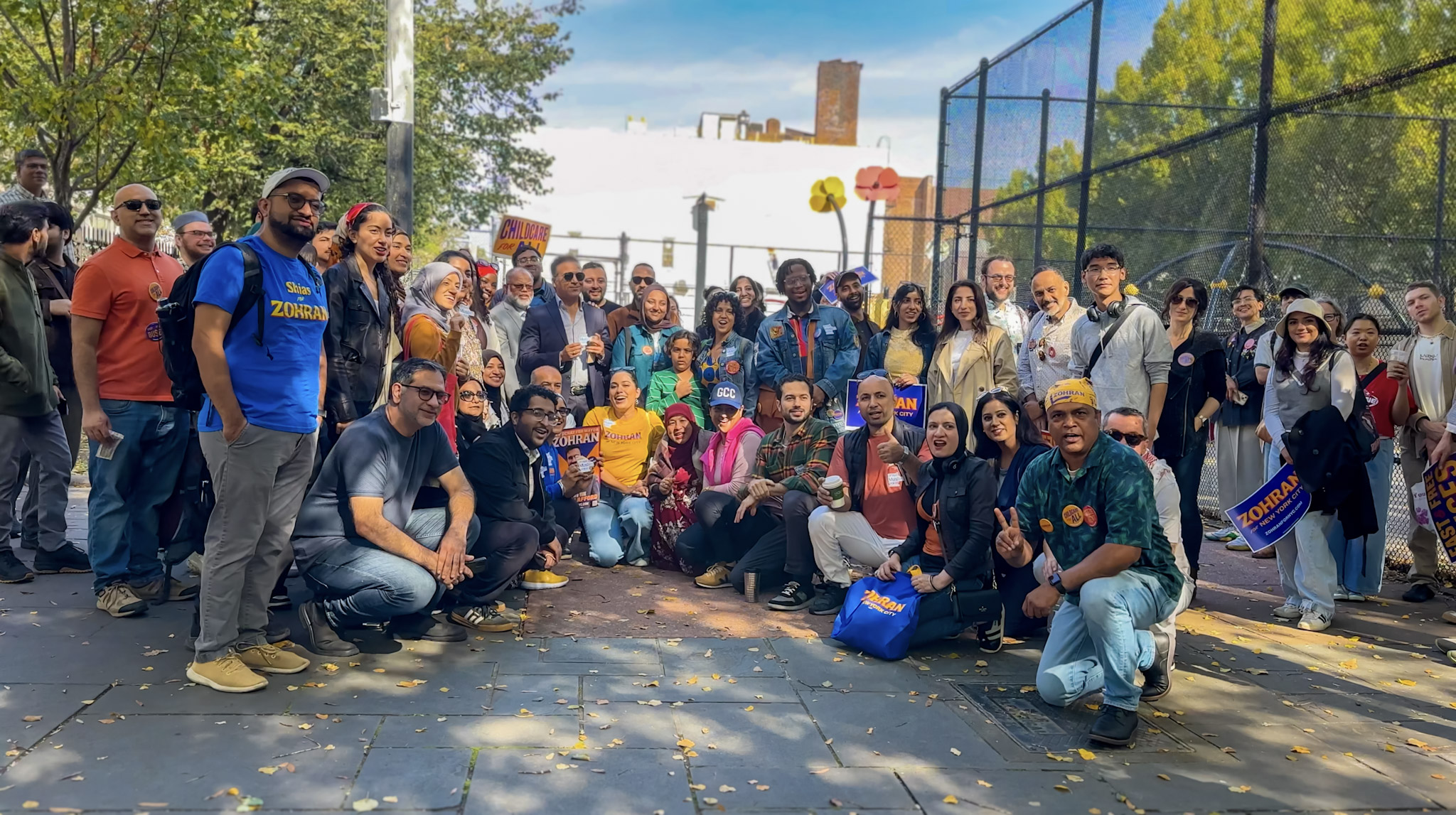
In Astoria, Zohran Mamdani posters line store windows, and volunteers dot the sidewalks, actively canvassing the area. In Bay Ridge, the Arab American Association of New York (AAANY) has manned voter registration tables for weeks, inviting community members to participate.
“It seems like pretty much every business has its own poster in the window,” Ari S., a volunteer for Mamdani’s mayoral campaign who preferred to only have the first initial of his last name shared, said about Steinway Street in Astoria, also known as Little Egypt. “I’ve personally seen a lot of support when I go door to door,” he said.

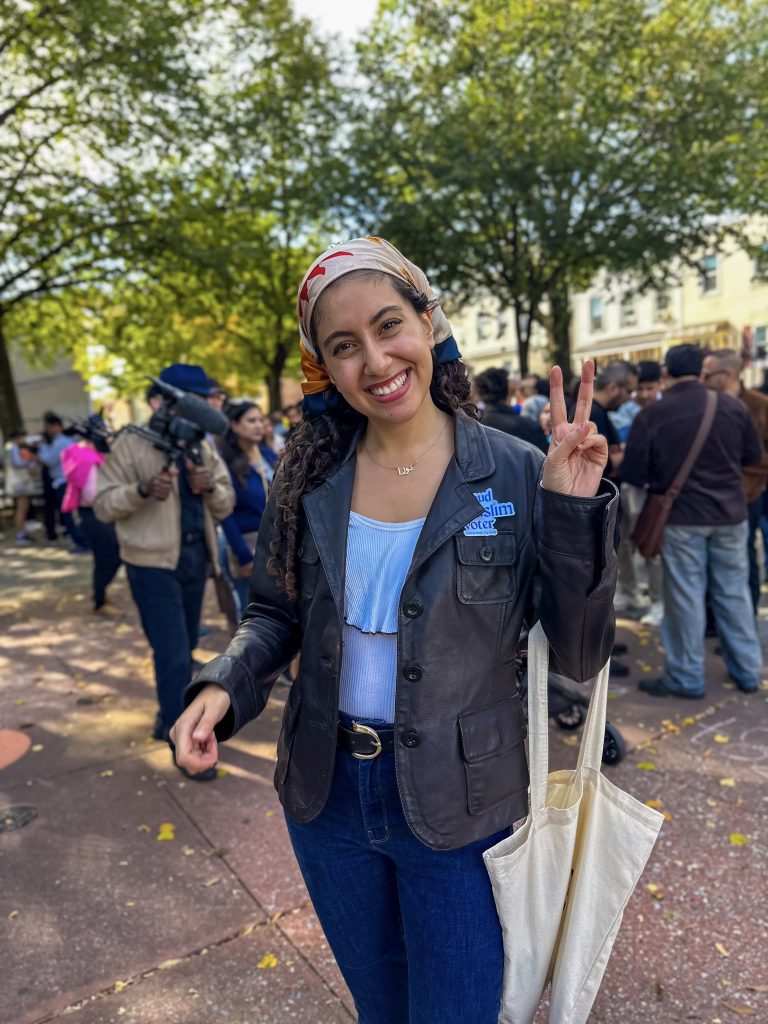
Community advocates, such as Mohamed Attia and Rana Abdelhamid, are actively working to mobilize the Egyptian-American community to vote in the mayoral election. Their goal has been to inform the community about their rights and how they can impact decisions about their future.
“We do a lot of civic engagement and education, like voter registration. We’ve done a debate watch party just to let people in our community understand the candidates,” Abdelhamid, speaking on behalf of Malikah Safety Center, a mutual aid organization that also teaches self-defense, said. The center translated a debate into Arabic.
Read more: New Report Finds Islamophobic Attacks Surge Online as NYC Mayoral Race Heats Up
While some MENA (Middle East and North African) communities in New York, such as Yemeni-Americans, have been politically active for years, the city’s Egyptian community have been much less engaged, Attia explained.
“We don’t have any elected officials in the government, and that’s a problem,” says Attia. “Egyptians don’t feel encouraged to vote. They don’t feel like there’s someone that represents them.”
In the month leading up to Election Day, Attia organized meetings in Astoria and via Zoom to mobilize Egyptians and boost their civic engagement. These meetings brought together community members who have diverse skillsets, resources, and time to contribute to Mamdani’s campaign. Together, they brainstormed strategies to mobilize people to vote for Mamdani, and engaged in conversation, and sometimes prayer with business owners and passersby on Steinway Street. Attia’s goal is to build political power for the Egyptian-American community in New York and change the current political landscape, which doesn’t necessarily represent or favor them.
One meeting participant, Alaa El Mihdawy, who’s now retired, used to work as an operations director for Goodwill Industries. “I hope that we’ll be able to establish a unit of the Egyptian community to be part of the political activities in the United States,” he said, “to be part of making the decisions which affect foreign policy and domestic policy.”
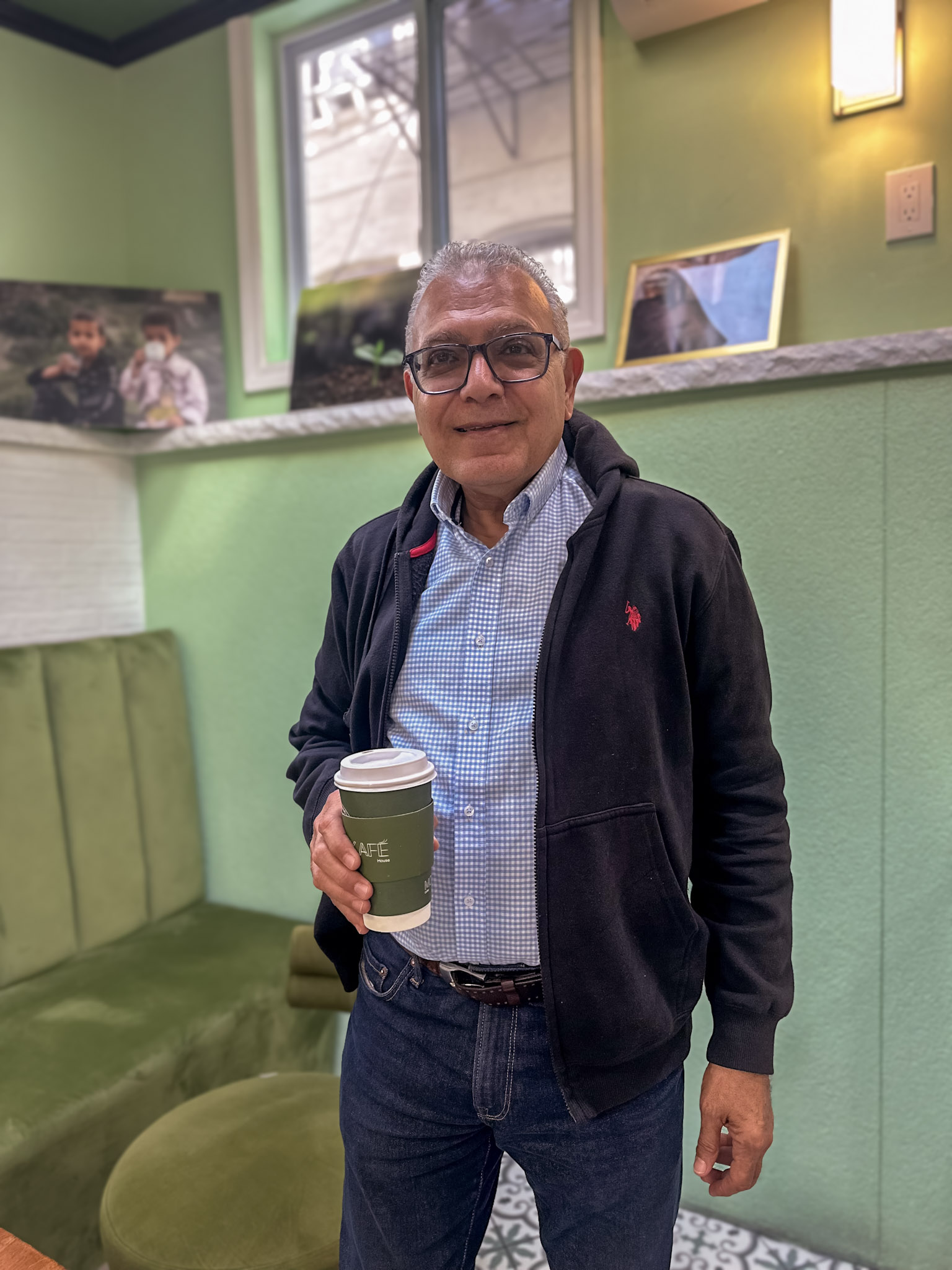
He added that he wants to get the Egyptian community involved in “knowing their rights, their political rights — how to invest, how to get help from the government, how to reach out to city agencies, and being part of the community and part of American society.”
Nura Abdel Fattah, a young and politically engaged member of the Egyptian-American community, said she’s heartened about the potential she sees in her community. “The Egyptian community is strong and has many members that have a lot of voices and ideas, and a potential to be really heard and represented outside of the general Muslim community or a general North African or Arab community,” she said. “There are very specific ideas that we can bring, and we should put our time into showing up for these events when we can, and not anticipate that other people will speak for us.”
Fighting for Census recognition
For decades, inaccurate data in government records have denied opportunities — political, financial, educational — to the Egyptian community. By default, the census classifies the MENA community in the U.S. as “white,” misrepresenting its population numbers and its specific needs. As a result, the MENA community has historically been prevented from having access to diversity, equity, and inclusion (DEI) funding, and programs for minorities.
The New York State Legislature passed the “MENA Bill” — which required the state to desegregate “white” populations from specific MENA ones — and Governor Kathy Hochul signed it into law in December 2024. Leading up to its passage, community leaders in New York City formed a coalition, which brought together about 15 organizations, led by Rana Abdelhamid, and supported by Assemblyman Zohran Mamdani as a co-sponsor.
“In order to write a good policy, you need good data,” Abdelhamid said.
Advocates pushed for the new law to create a MENA category in the census that would allow better understanding of the community’s existence and needs.
Dr. Debbie Almontaser, senior advisor for Emgage, an organization in the MENA coalition, explained how the bill would really help the Arab community, including minority business owners, who have for too long been overlooked., “I am proud to say that I actually quarterbacked the legislation with Governor Hochul,” she said. “Once [Mamdani] becomes mayor, he will definitely make sure on a city level to give it serious consideration, and make sure that all the Arab-owned businesses are recognized and get the opportunity to actually become a member of the [Minority and Women-owned Business Enterprise] process.” This would unlock state small business funding that previously was unavailable.
你知道吗?非公民办理驾照时的这个错误可能会导致选民欺诈
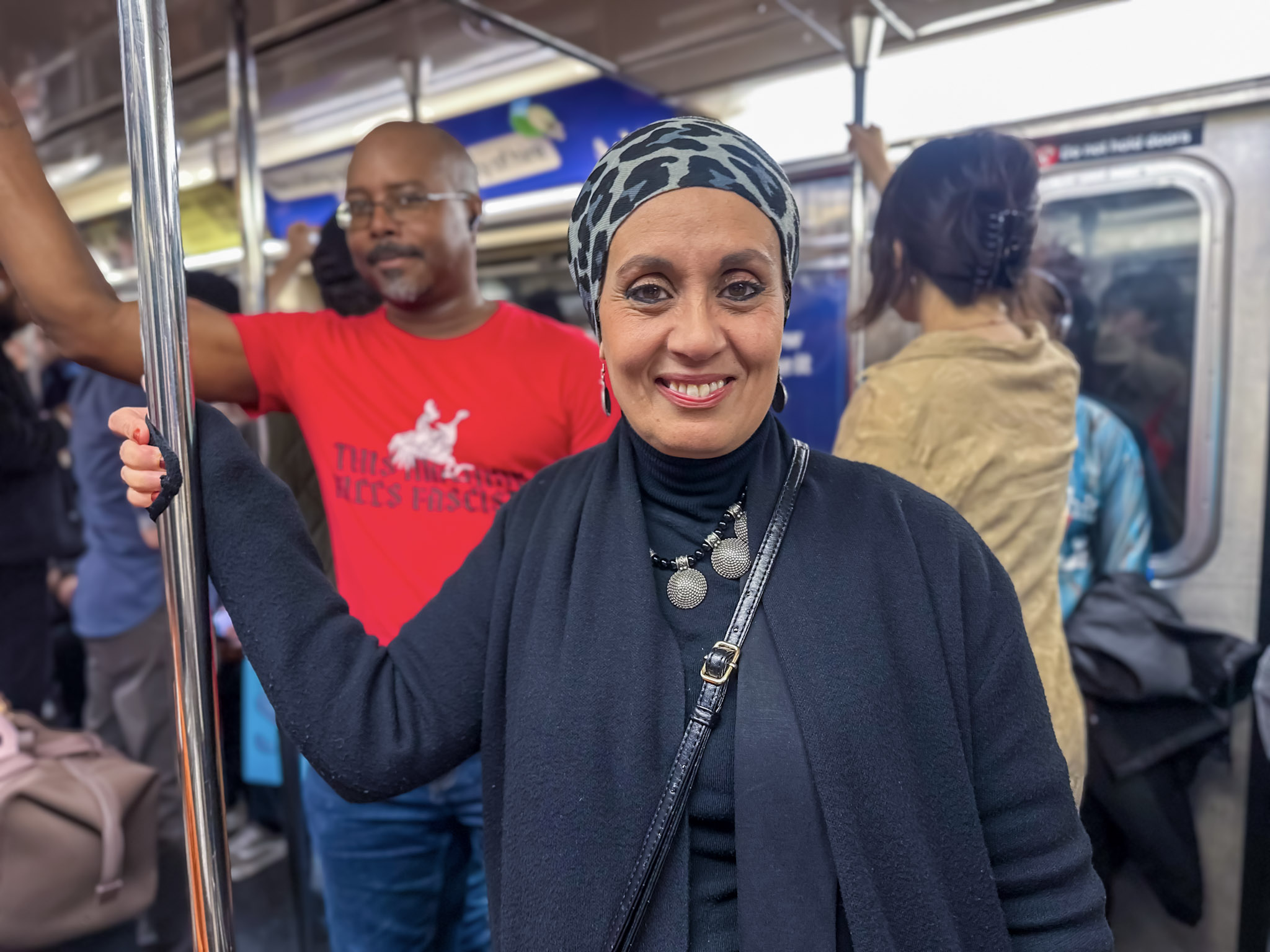
Rana Abdelhamid has been a supporter of Mamdani for a long time — and she has been canvassing for his campaign over the course of the mayoral race. “I’ve been supportive of Mamdani since the beginning… He’s an assembly member for the largest Egyptian community in New York City. He’s someone who’s come to our [Malikah] office before, worked with us, with immigrants, on issues around asylum seekers.”
However, she says the lack of data has affected her ability to access accurate information on the community. “A lot of the data sets are cut based on ethnicity,” she said. “So oftentimes when we’re trying to doorknock in this area for Arabic speakers, we’ll use data that is cut to be tagged as Muslim voter data… [it] allows us to reach [as many] people as possible.”