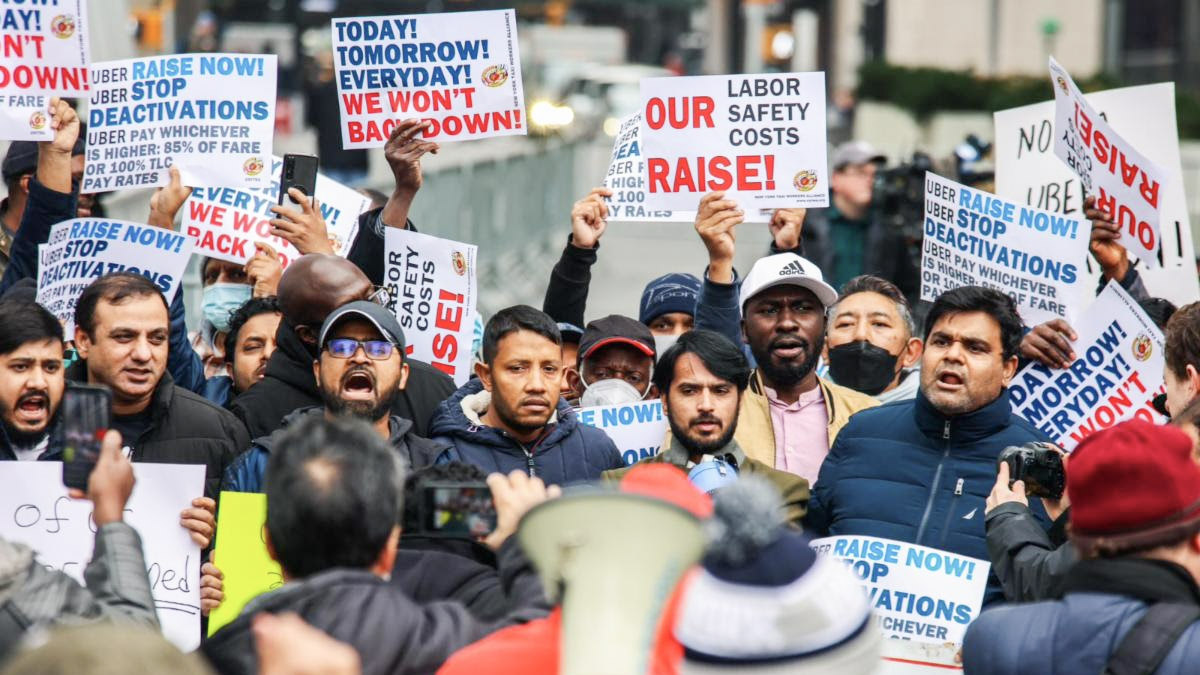


Two labor organizations are at odds over a bill that would protect ride-share app drivers from arbitrary deactivations.
On one side is the independent New York Taxi Workers Alliance (NYTWA), which helped draft the bill. On the other side, and in opposition to the bill, is the Independent Drivers Guild, a non-union association of drivers that has received significant funding from Uber since its inception.
Neither Uber nor IDG has disclosed how much funding the IDG has received from Uber.

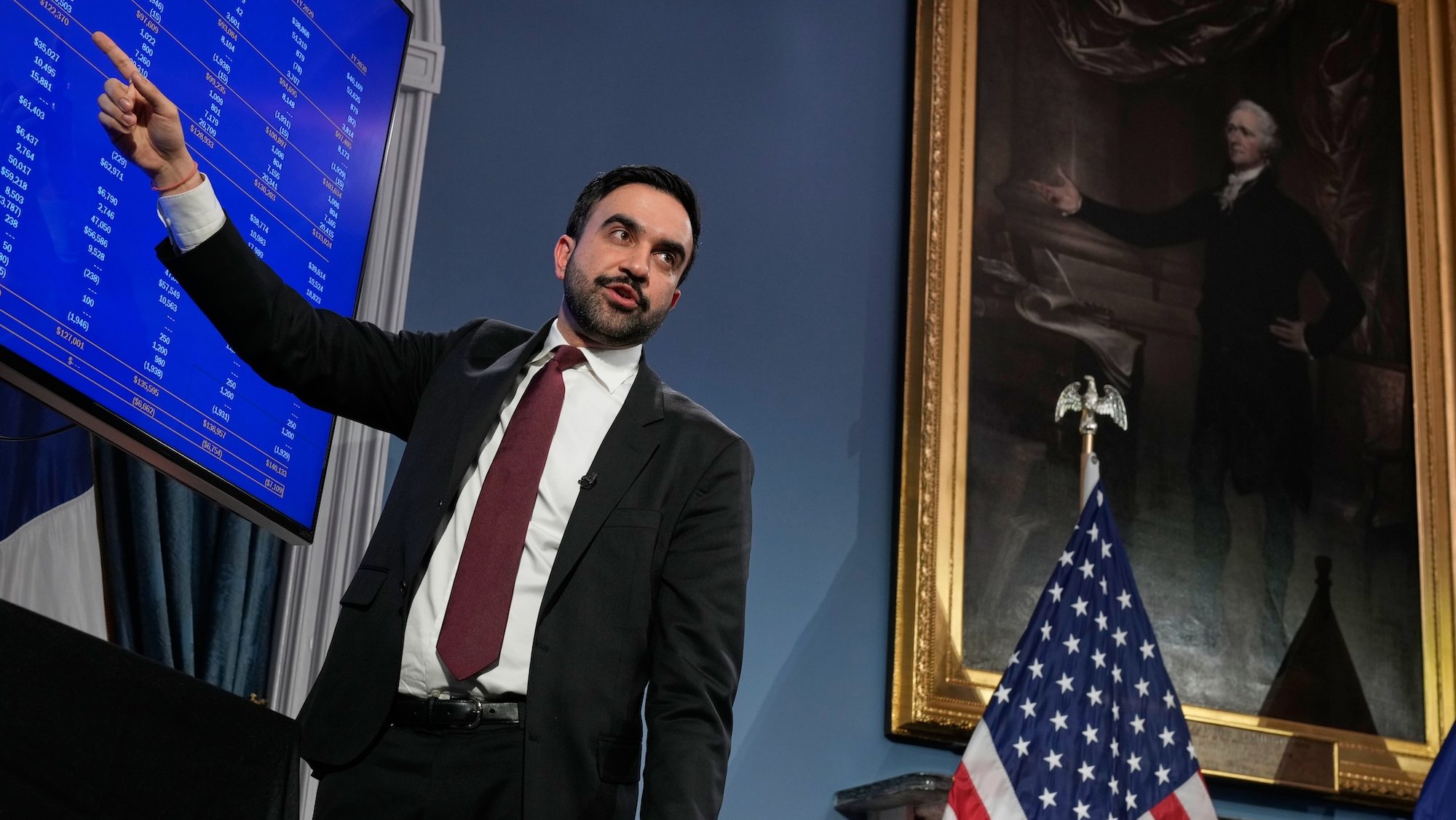
First introduced by City Council Member Shekar Krishnan in 2024 as a response to the growing crisis of driver deactivations, Intro 276 would prohibit for-hire vehicle apps like Uber and Lyft from deactivating for-hire drivers without just cause.
Krishnan said he introduced the bill after years of drivers organizing about unfair deactivations. If passed, the bill would include a number of provisions, such as requiring companies to give drivers 14 days’ notice before deactivation, as well as an independent appeal process not controlled by the app companies.
“My legislation will end big apps’ ability to wield this much power over their drivers by creating a fair process before they are deactivated, providing notice and an opportunity for them to be heard,” said Council Member Krishnan in a statement to Documented.
For instance, if a driver has been deactivated within the past six years, they would be able to petition the app companies for reactivation. In turn, the companies would be required to reactivate them unless the prior deactivation had just cause, for example, sexual misconduct.
The onus would be on companies to provide written statements explaining the reasons for deactivation, and they’d also need to inform drivers of their right to challenge the deactivation.
A driver would also be able to challenge their deactivations in fair hearings and be given a 14-day upfront period for informal resolution. If it’s found that a driver was deactivated without just cause, a driver would not only be reinstated but would also have the possibility of receiving back pay. The company would also be subjected to civil penalties such as fines.
“Drivers keep our city moving, yet Lyft and Uber can deactivate them, harming their livelihood without notice or process — they are the jury, the judge, and the prosecutor, firing drivers without notice or cause,” said Council Member Krishnan.
Under the current guidelines at Uber and Lyft, a driver can be deactivated for a variety of reasons, such as vehicle issues, failed background checks, fraud, discrimination, harassment, or poor customer ratings.
Although Uber claims that, when possible, they will alert a driver if they are at risk of deactivation, drivers have claimed the company often deactivates accounts without any prior warning, an act Uber has admitted to in the past.
“At the heart of it, the deactivation policies of the companies are so unjust and come with a high financial cost to the drivers,” said Bhairavi Desai, president of the NYTWA, to Documented. “I believe we have the momentum for this bill.”
While the NYTWA supports the bill, the IDG vehemently opposes it, claiming that the legislation would replace its own grievance process with a bureaucratic city process that could increase permanent deactivations.
“Our current union-negotiated grievance process has been a lifeline for thousands of New York City rideshare drivers each year,” said Brendan Sexton, president of the IDG, in a statement to Documented. “As written, this bill would be a massive step backward, undermining the rights of drivers.”
In 2016, with the input of the IDG, the Uber-run Driver Deactivation Review Panel was formed, giving deactivated Uber drivers the chance to plead their case to the company. Although drivers are allowed to fight their deactivation, Uber ultimately determines the eligibility of a driver on a case-by-case basis. Drivers who have been accused of any allegations related to “safety” are not eligible.
For IDG, Intro 276 would replace the current grievance process with a weaker, taxpayer-funded system run by a city agency that could leave drivers to fend for themselves. IDG also argues that the city bill has a “loophole” that would let Uber and Lyft force drivers to “opt out” of any appeals process at all.
The bill makes no mention of such a loophole, according to Documented’s examination of its text.
According to Sexton, the NYTWA is run by medallion owners conspiring against ride-share drivers so that more deactivated drivers would lease yellow cabs.
“The bill was designed with Yellow Taxi Medallion owners, who have an obvious conflict of interest,” said Sexton. “Medallion owners, of course, make money by leasing their medallions to TLC drivers. If thousands of rideshare drivers are suddenly no longer able to appeal unfair rideshare app deactivations, they will be forced to rent from medallion owners to feed their families.”
When asked about the IDG’s financial relationship with Uber influencing its decision to oppose the bill, Sexton claimed that it had nothing to do with its stance.
“That is a deliberate misrepresentation from the taxi owners’ lobby,” he said.

你知道吗?非公民办理驾照时的这个错误可能会导致选民欺诈
For Desai, the IDG’s attacks on the NYTWA and their opposition to the bill are a distraction from the larger issue of driver justice.
“They are irrelevant as far as I’m concerned,” she said. “This is a fight between the fundamental rights of drivers against the overreach and financial harm by a billionaire corporation.”
The bill is scheduled to come to a vote in early October.