



As immigration raids continue to increase in the U.S., you may see different law enforcement agencies conducting arrests. This guide explains the differences between the federal agencies tasked with immigration enforcement with recommendations for people who may encounter agents in New York City or nearby areas.
Not every law enforcement officer you encounter is allowed to enforce immigration law. In NYC, local police generally cannot arrest someone based on their immigration status. Additionally, bounty hunters are also not allowed to enforce immigration law and make arrests. However, they can use digital tools to track and surveil people and then provide ICE with that information.
Also Read: What Is The Difference Between ICE and Police?

What is Immigration and Customs Enforcement (ICE)?
ICE is an agency that falls under the umbrella of the Department of Homeland Security. It was created in 2003 and has three branches: Homeland Security Investigations (HSI), Enforcement and Removal Operations (ERO), and the Office of the Principal Legal Advisor (OPLA).
While most of the arrests and raids are conducted by ICE officers who are part of the ERO division, sometimes HSI agents also conduct arrests. ICE officers often wear vests that say the words POLICE/ICE on them, or if they are part of the HSI division, their clothing will indicate that.
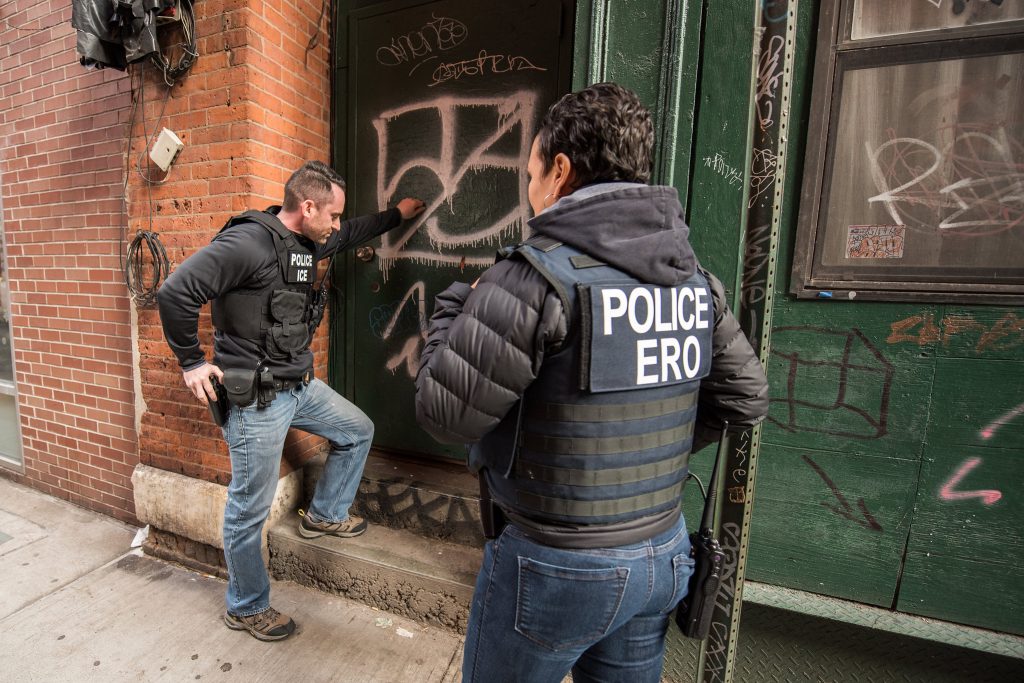
When interacting with ICE agents, remember that you have rights. Whether you encounter agents in a public space or in your home, you have rights that you can assert.
- You have the right to remain silent. Whether agents come to your door or stop you in public, you have the right to remain silent and refuse to answer any questions without a lawyer present.
- You have the right to an attorney. If you or a loved one is detained, you have the right to be represented by a lawyer.
- You have the right to film the interaction so long as you do not interfere with the arrest. See this guide by NYCLU for more detailed information.
What is Customs and Border Protection (CBP)?
The Customs and Border Protection (CBP) agency and its U.S. Border Patrol fall within the umbrella of the Department of Homeland Security. The agency is responsible for patrolling the border and other ports of entry.
CBP officers are normally only encountered when arriving at the airport or driving through the US-Mexico or US-Canada border; however, they are legally allowed to conduct searches of people, cars, and other vessels that are within 100 miles of a coastline or border. New York City is within the 100-mile border zone.
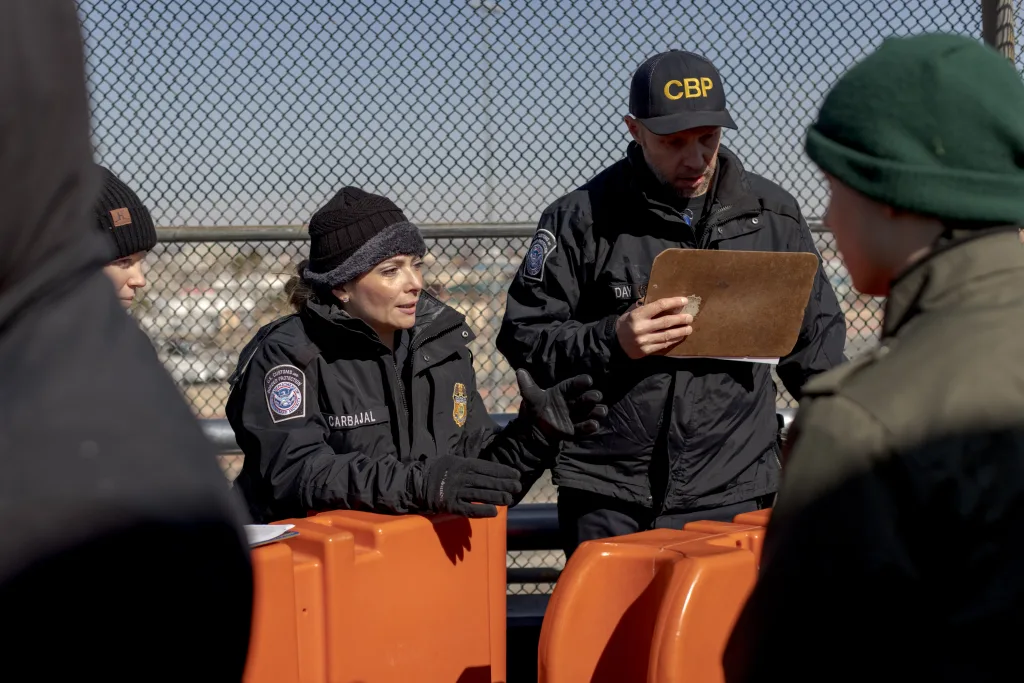
If you encounter a CBP officer, you have rights you can assert. Similar to when you encounter an ICE officer, you have the right to remain silent and refuse to answer questions without a lawyer present. For more detailed information and case-specific scenarios regarding CBP interactions, check out this guide by the ACLU.


