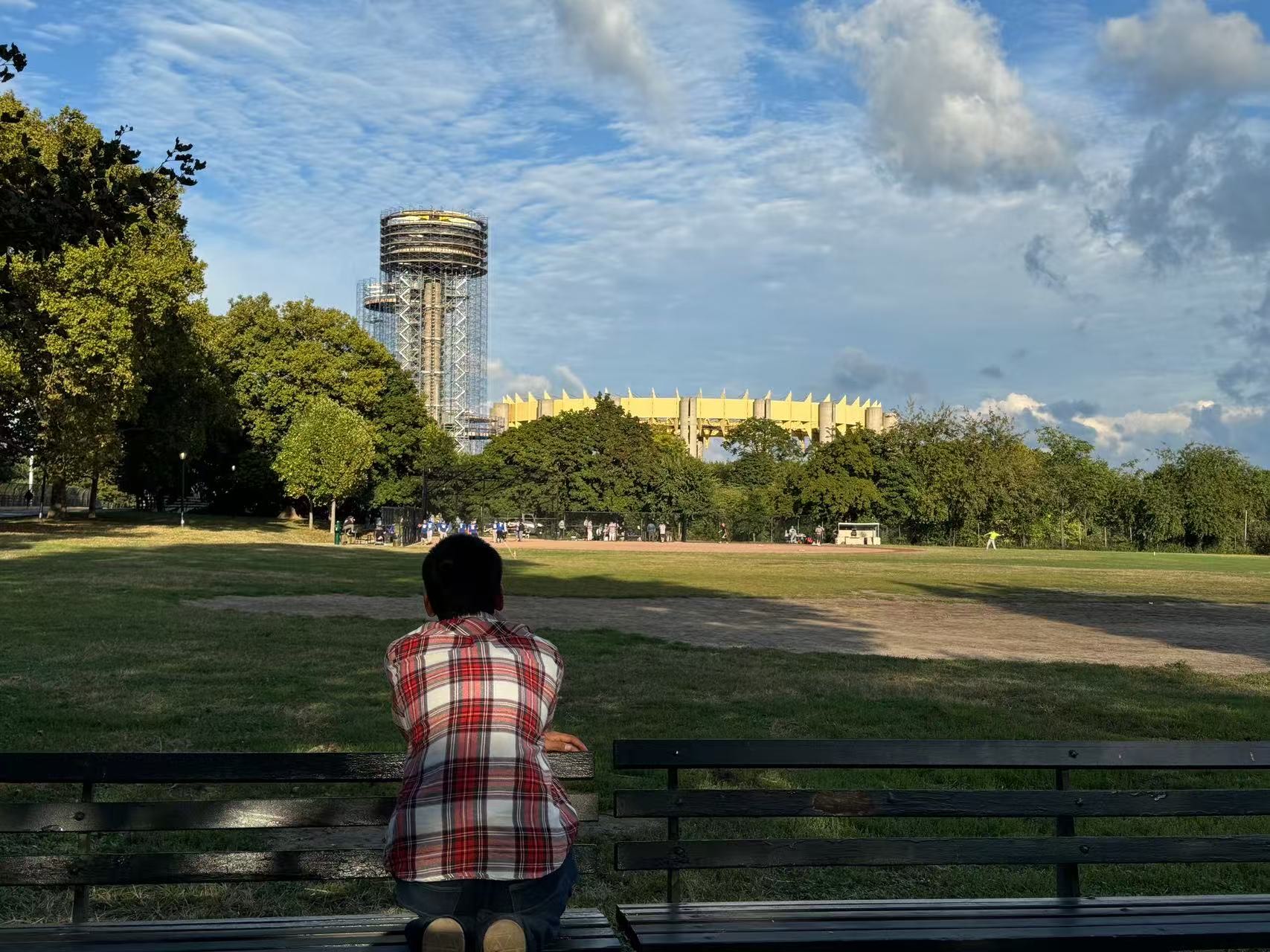


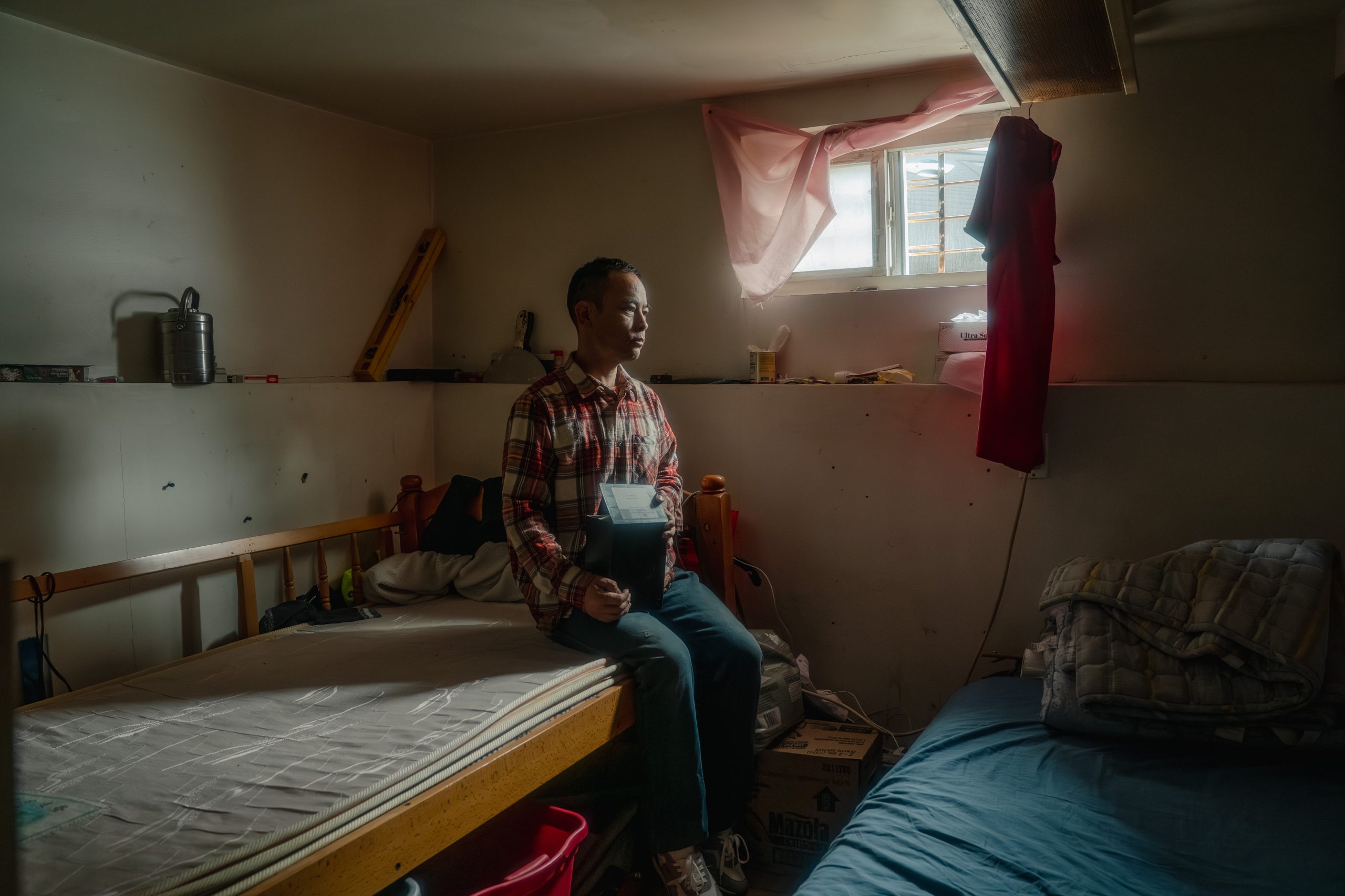


Chaofeng Ge’s short life ended in an immigration detention facility in Pennsylvania last August. He was found hanging in a shower stall with his arms and legs bound behind his back, according to an autopsy. He was 32 years old.
Ge came to the United States, hopeful and optimistic. He longed to make enough money to afford a dowry in his home village so he could get married. Instead, his friends, coworkers and family say, he was lured into a criminal fraud scheme that ultimately landed him in jail and detention for about $150 in gift cards bought with stolen credit card numbers. Ge’s brother and people who knew him describe him as kind hearted and overly trusting. They say he likely had an undiagnosed intellectual disability.
The U.S. government has not released key pieces of information about Ge’s death, leaving major questions for his family as they seek closure. It is not clear whether Ge received further mental health care in U.S. Immigration and Customs Enforcement custody after a previous suicide attempt in a prison. Ge’s family’s lawyers are preparing to file a wrongful death lawsuit, questioning what happened during his incarceration, as well as the circumstances around his death.

When Yanfeng Ge, Chaofeng’s brother who is also in the U.S., calls home these days, their mother asks him to come back to China with his brother’s ashes. “America is too dangerous. And if we have to die, we should at least die together,” she told him.
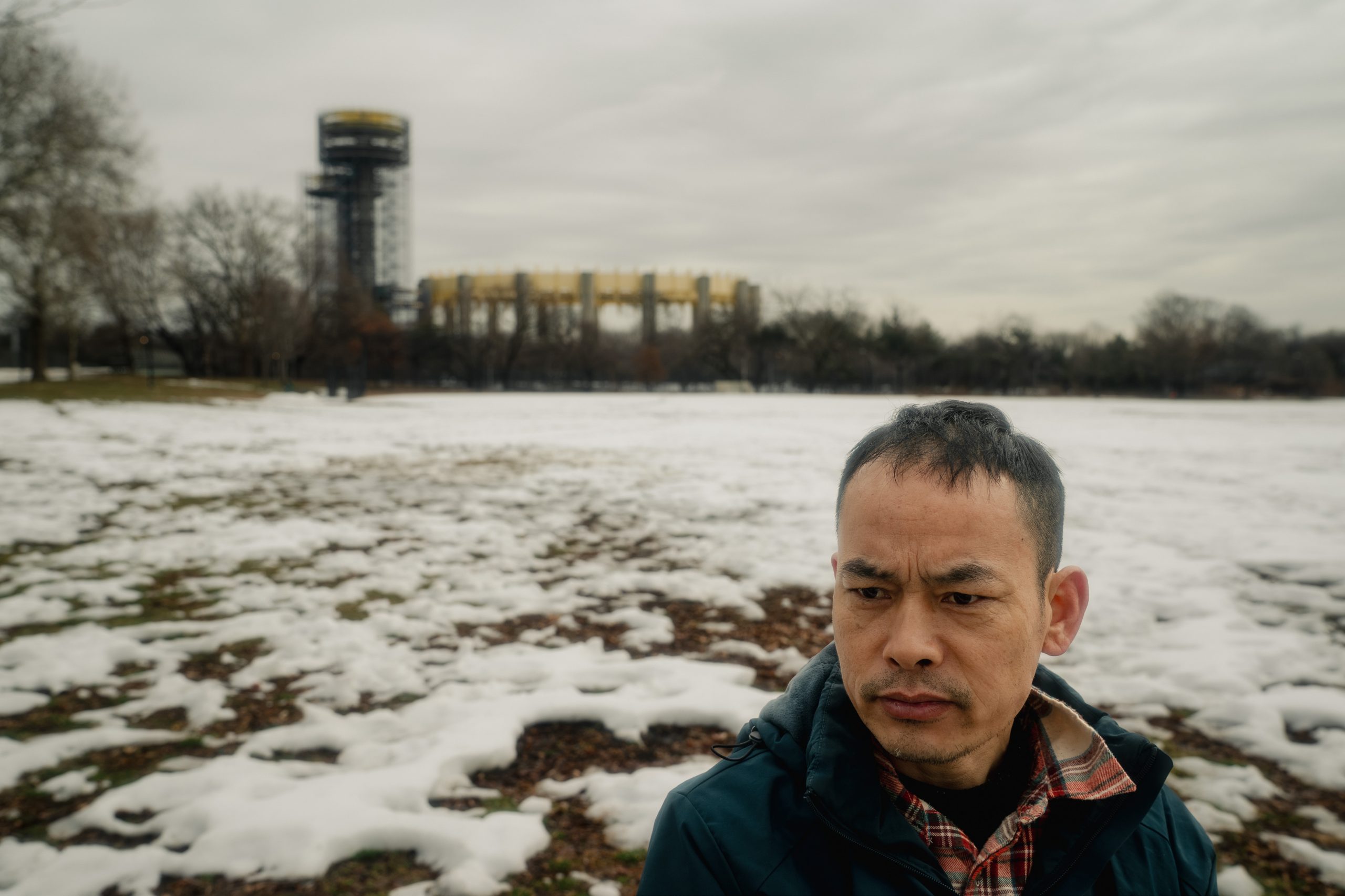
Crossing the Border
Ge was born into a poor peasant family struggling for food in a village in Henan province in the center of China.
The memories his siblings have about their childhood are almost all related to poverty – their mother shielding them with her arms because she feared their mud hut could collapse in heavy rain. They wore broken shoes they patched with plastic bags. When Ge, the youngest, was a toddler, his family would put him on the back of the only pig the family raised to help keep him warm in the winter because the family couldn’t afford heating, his brother Yanfeng said.
Villagers and family members said that Ge had difficulty communicating and was gullible, possibly a hereditary trait that also shows in his father and some other family members, according to his brother. “He behaved and talked like Forrest Gump,” Yanfeng said.
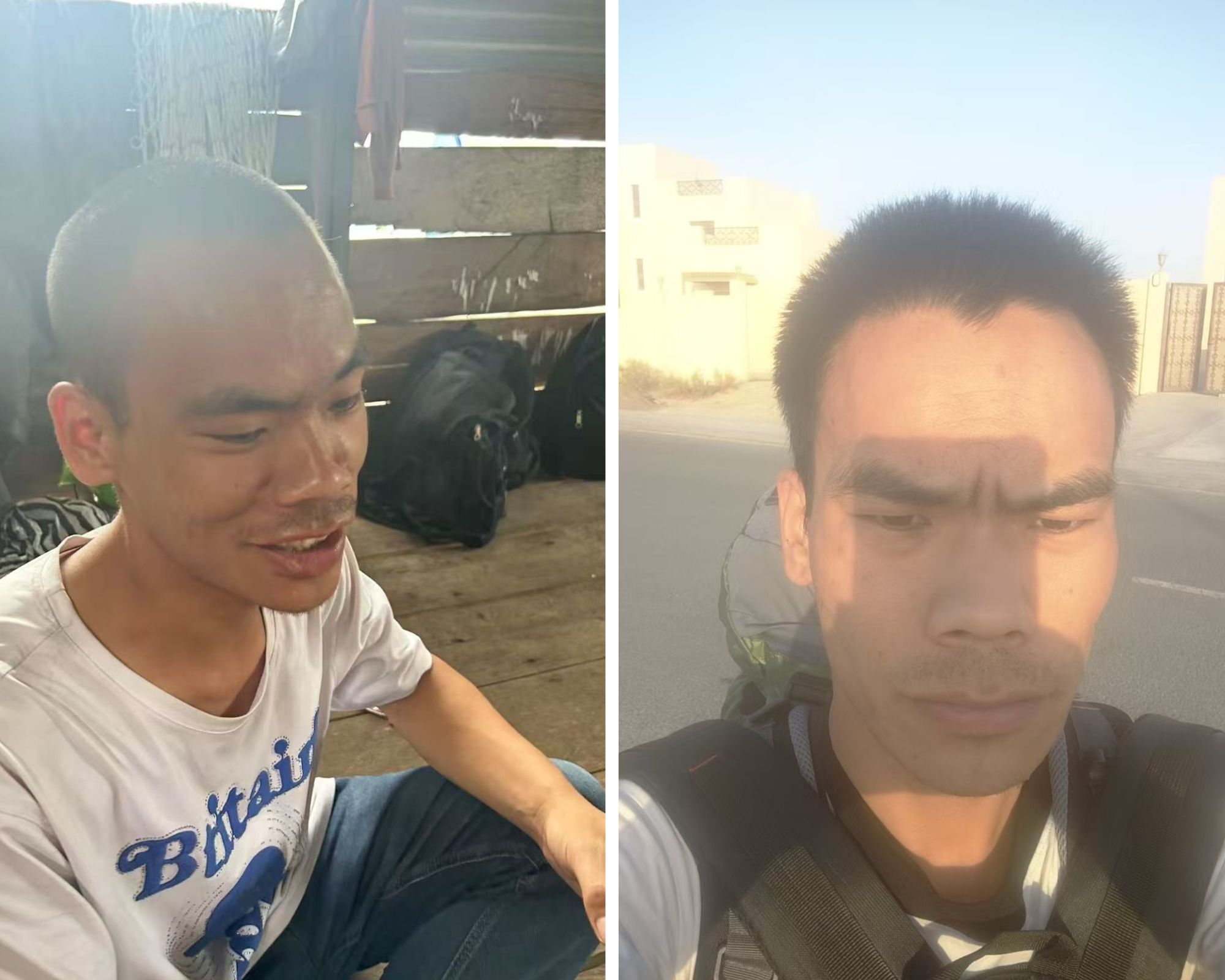
As a teenager, Ge joined his father working in construction. He was known for being hard-working, and sometimes would toil for 24 hours without a break. But he was often taken advantage of, people close to him said. “He was too trusting,” said Yangyang Deng, a construction worker in Henan who had known Ge for more than a decade. “If he and a partner agreed to work on a job together and share the payment, in the end he may only get one-third of the money,” Deng said. “It happened more than once.”
Ge named his WeChat account “A11” to make sure he’d always stay on the top of friends’ contact lists in alphabetical order. He wanted to get married, but declined all the women whom matchmakers tried to introduce him to. In rural China, a man usually needs to pay a hefty dowry to get a wife. Ge knew his family couldn’t afford it. This had become a major reason that at the end of 2023, Ge followed his older brother, who left home a few months earlier, to travel thousands of miles to enter the United States, crossing at the U.S.-Mexico border. “He wanted to make money and get married to please our parents,” said his older sister Taofeng Ge, who is still in Henan.
Chaofeng and Yanfeng both paid smugglers thousands of dollars for a journey zigzagging multiple countries by plane, boat, and foot. They finally met in the U.S. for the first time at the Flushing Library in Queens. The brothers were hopeful about starting this new chapter. “At least in the U.S. you’d get paid after you do the work,” Yanfeng said. He and his brother had been owed more than 100,000 RMB (about $14,300) in wages by their bosses on construction sites in China, he said.
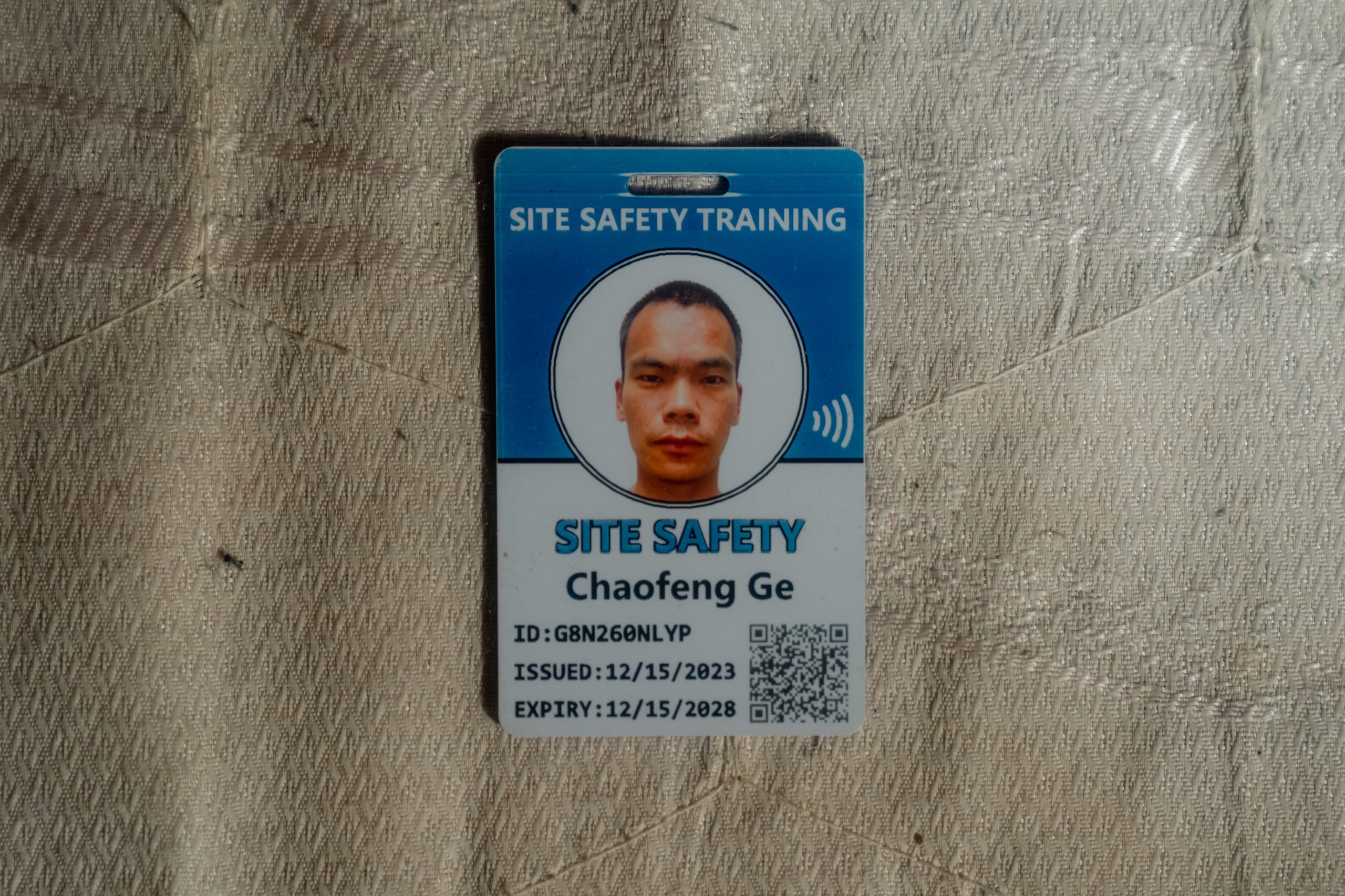
Like many newcomers, the brothers did all kinds of odd jobs they could find, from renovations to deliveries. For a few months in 2024, Ge made about $10,000 per month by delivering packages in Connecticut, working from 3 a.m. to 7 p.m., and living in his car to save on rent, according to a co-worker who asked to be identified only by his first initial Y.
“He was not a bad person,” Y said. “But he was easy to manipulate. If you were friendly to him, he’d do whatever you told him to do, even if he just met you.”
The Credit Card Fraud
In October 2024, Ge came back to New York City, preparing for the commercial driver’s license test to become a truck driver – a major part of his American dream, according to Yanfeng. But another reason he spent most of his time in New York during this period was that a woman he called “sister Juan” came for a visit.
Juan, who asked to be identified by her partial first name only, met Ge on their journey across the U.S. border. When smugglers dumped them on an island in Panama for more than 20 days in late 2023, Ge shared the food he scavenged with her, even when he himself had to go to sleep on an empty stomach, she said. The two built a close bond, but Juan stayed in California after they arrived in the United States.
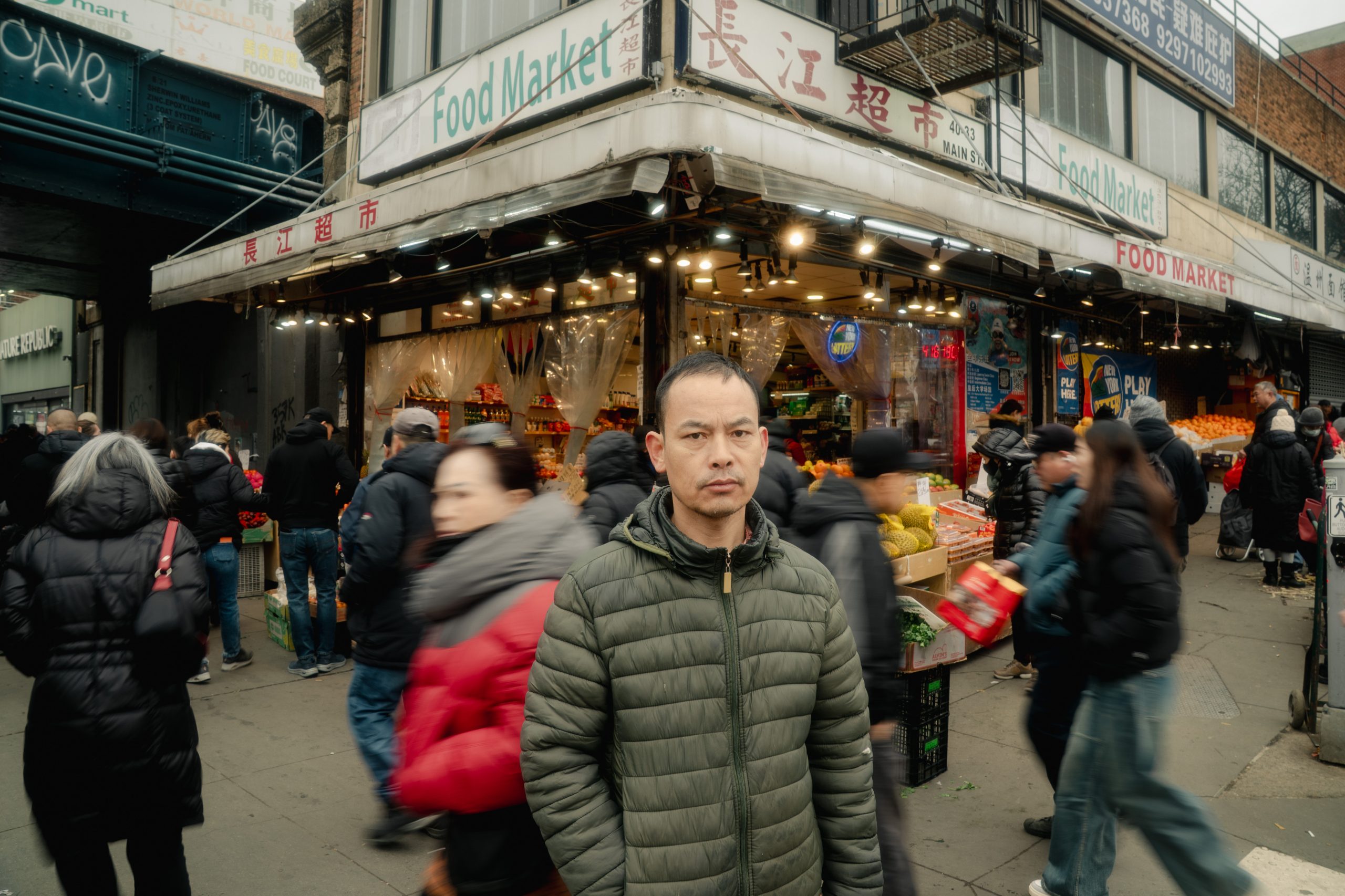
Juan shared her WeChat conversations with Ge with Documented. They show a man’s budding love, possibly his first. “I don’t dare to tell you that I like you,” he said in a message to her. “But you probably have found out.”
In the two and a half months Juan stayed in New York, the two spent a lot of time together. On October 20, Juan and Ge drove to the airport to pick up a friend of hers. On the way, Ge made a detour to give a ride to a man whom he introduced to Juan as his friend. According to Juan, the man asked them in the car whether they’d like to “make big money,” then tried to recruit them for a business involving shopping with credit card numbers they’d be given.
Sensing something was wrong, Juan warned Ge to delete the man’s contact and stay away from him. She left New York for California in early December 2024. “I am a hundred percent sure he didn’t get into credit card fraud before I left,” Juan said.

The next month, police from Lower Paxton Township in Pennsylvania arrived at a CVS store after a staff member called to report suspicious activities. They found Ge trying to self-check out gift cards with stolen credit card numbers saved in his phone while talking to someone on the phone, apparently for instructions. When the police approached him, Ge “immediately became nervous as he visibly began to shake and his voice quivered as he spoke,” a police report said.
Later, the police found a few more gift cards and another phone in Ge’s car. Security video footage showed Ge purchasing gift cards at a Best Buy earlier that day.
Ge was taken to the Dauphin County Prison in Harrisburg, Pennsylvania. He was criminally charged with theft for improperly obtaining gift cards worth $154.62. His bail was set for $150,000. Ge had no previous criminal record.
U.S. Immigration and Customs Enforcement placed a detainer on him a day after he was arrested. On July 31, 2025, Ge was convicted of fraud-related crimes and was sentenced to time served. He was transferred to the Moshannon Valley Processing Center in Philipsburg, Pennsylvania, the largest immigration detention facility in the northeast.
Four days later, on the early morning of August 5, he was found hanging in a shower stall.
While he was in prison, Ge told Yanfeng that he made a 15% cut of the face value of each gift card he purchased. After he died, the prison gave Yanfang a handwritten note in which Ge seemed to try to lay out his understanding of what he was doing with the cards. According to the note, Ge was told someone opened a credit card in Pennsylvania, which could not be used in New York where this person was. “He asked me to buy cards so he could buy stuff in New York,” Ge wrote.


In November, police in Greenwich, Connecticut, arrested Xiaobing Chen, a man from Flushing, along with two other Chinese men from Queens, as they attempted to purchase three iPhones with multiple sets of stolen credit and debit card information via a tap-to-pay method. Chen is charged with multiple felonies including fraud and conspiracy to commit identity theft, and is awaiting a court hearing while in jail in Greenwich.
Juan, after being shown a photo of Chen, said that Chen was the man she met in Chaofeng’s car the previous year.
A police officer involved in Chen’s case told Documented that many of the people arrested for credit card fraud are foot soldiers being told what to do by someone in foreign countries who provides them with credit card information. Often “they don’t think they’re really doing anything wrong until they get caught,“ said the officer, whose name is being withheld by Documented because he is not authorized to discuss the case publicly.
Death in Jail
When he was in the Dauphin County Prison, Ge often complained to his brother about feeling isolated. Ge spoke little English and there were few people in the jail with whom he could speak. Sometimes he was put in solitary confinement for days.
According to Yanfeng, Ge told him that soon after he was arrested, he worried about deportation so much that he tore a blanket into a ligature, planning to strangle himself. The prison staff detected it in time, and Ge was sent to a doctor, who prescribed him antidepressants.
He was then transferred to the Moshannon Valley Processing Center. On August 5, 2025, Ge was found at 5:20 a.m. hanging in a shower stall at the immigration detention facility with a cloth ligature around his neck, according to ICE’s death report. “Brother, sorry. Thank you for taking me to the U.S,” Ge wrote in what appears to be a farewell note to Yanfeng, “Sorry mom and dad, I’ll repay you in the next life.”
Yanfeng received messages from ICE and the Chinese consulate in New York the next day informing him of Ge’s death. At the time, he was installing equipment in a factory in Atlanta. He squatted on the ground and started howling. “If I didn’t encourage him to come to the U.S., he’d be living in China, poor but alive,” said Yanfeng. “I feel guilty.”
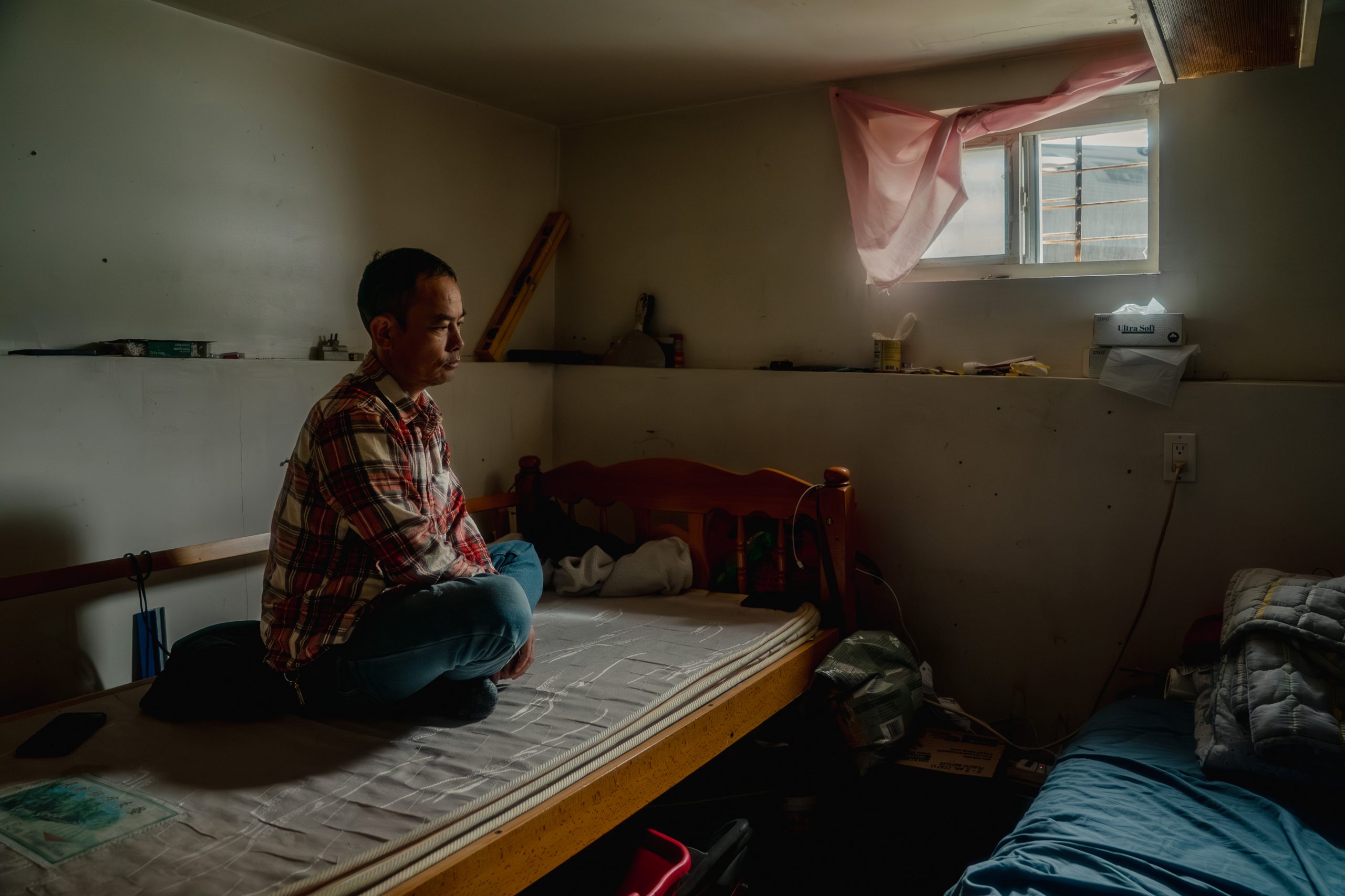
ICE’s death report noted that Ge was transferred to Moshannon without a medical record from the previous jail. With the help of an interpreter, he had denied having had any past mental health conditions to a nurse during the intake assessment at Moshannon.
Ge was one of two detainees to die at the Moshannon detention center last year. The other is Fouad Abdulkadir, a 46-year-old imam and immigrant from Eritrea who had gained his green card in 2018. Abdulkadir died of “medical distress,” according to an ICE report. At least 38 people died in ICE custody in 2025, according to the American Prospect.
It is not clear if Moshannon was aware of Ge’s medical or mental health conditions or whether he was offered any mental health care there, based on the government records made public so far. But Jeremy Ravinsky, a lawyer from Beldock Levine & Hoffman LLP, who has filed a lawsuit on behalf of Yanfeng to request records concerning Ge’s detention and death, said the firm learned from “a reliable source” that ICE knew of Ge’s suicide risk. An autopsy report produced by the local coroner’s office also stated that Ge had a “clinical history of a psychiatric malady.”
The autopsy report concluded Ge’s death was a suicide. But it included details that ICE’s report missed or omitted, including “the patient’s hands and feet are bound behind his back.” The autopsy report noted that bound hands and feet are not unprecedented in suicide hanging cases, but didn’t clarify whether the limbs were bound in front of or behind the body in previous cases.
That detail has many questioning the circumstances around Ge’s death and the conclusion that his death in ICE custody was a suicide. “That Mr. Ge’s hands and feet were bound upon his discovery leads to even more questions, particularly given ICE’s failure to disclose this critical detail,” said New York State Senator John Liu, who met Yanfeng to offer help after Ge’s death.
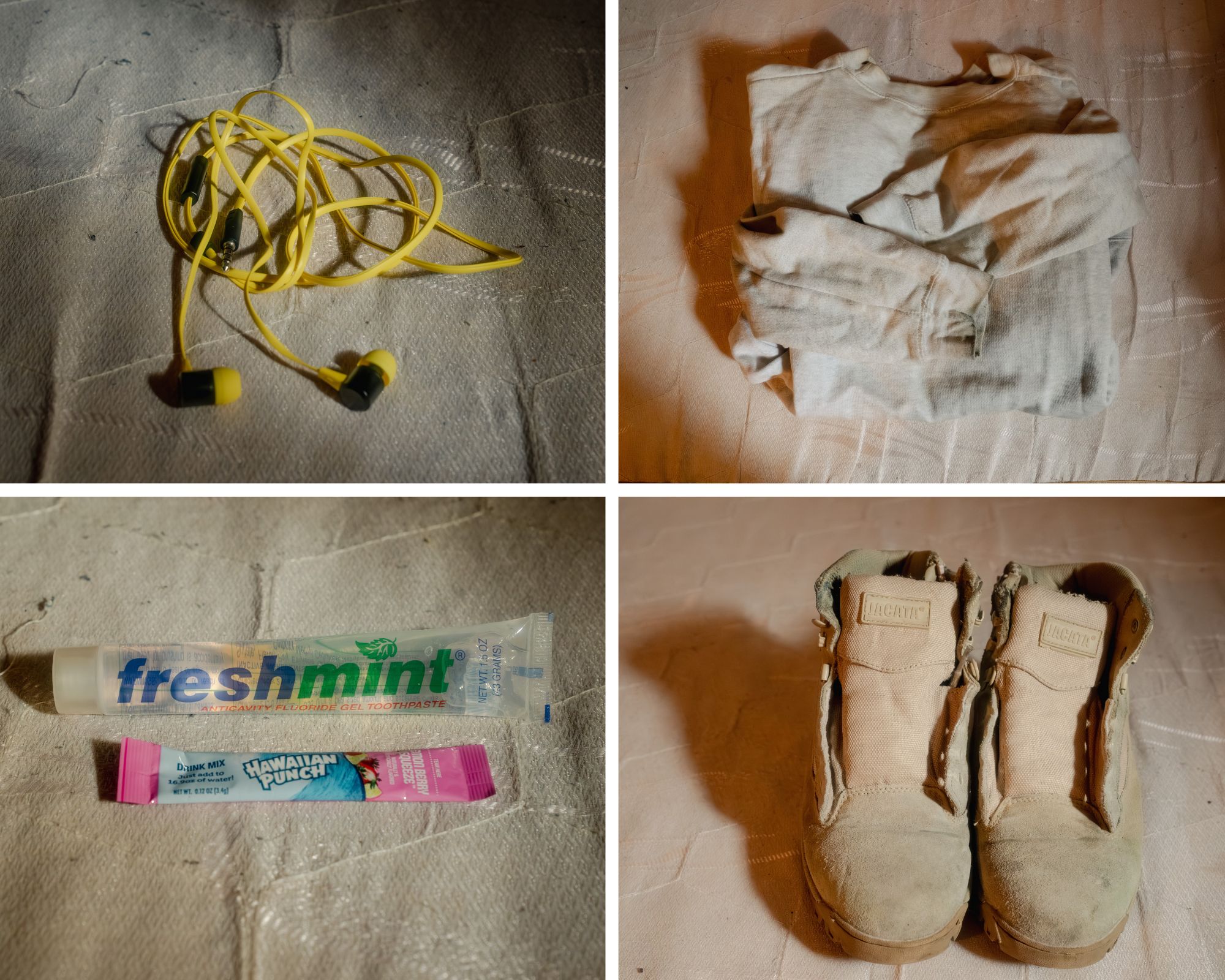
The Dauphin County Prison and the coroner did not respond to Documented’s repeated requests for comment. The GEO Group, the private prison company that runs the Moshannon detention center, referred all questions to ICE, which sent a previous press release regarding Ge’s death in response. The press release summarized the agency’s death report.
“We’re still putting together the picture of what happened to Ge at Moshannon Valley. So far, all of it is troubling,” Ravinsky, the lawyer for Yanfeng, said.
Since Ge’s death, Yanfeng has dreamed of his brother several times. Each time, Yanfeng is in distress and tells Ge, “Hide away, quickly! They said you are dead,” he told Documented.
At first, Yanfeng and his siblings tried to hide the news from their parents, who are in their 70s. But a neighbor saw it on a Chinese news site and told Ge’s mother, who fainted and collapsed.
Their father has had two heart surgeries since Ge’s death. Their mother has been acting erratically, according to Taofeng, Ge’s sister. Several times she has called Chaofeng Ge’s name when seeing strangers on the street.
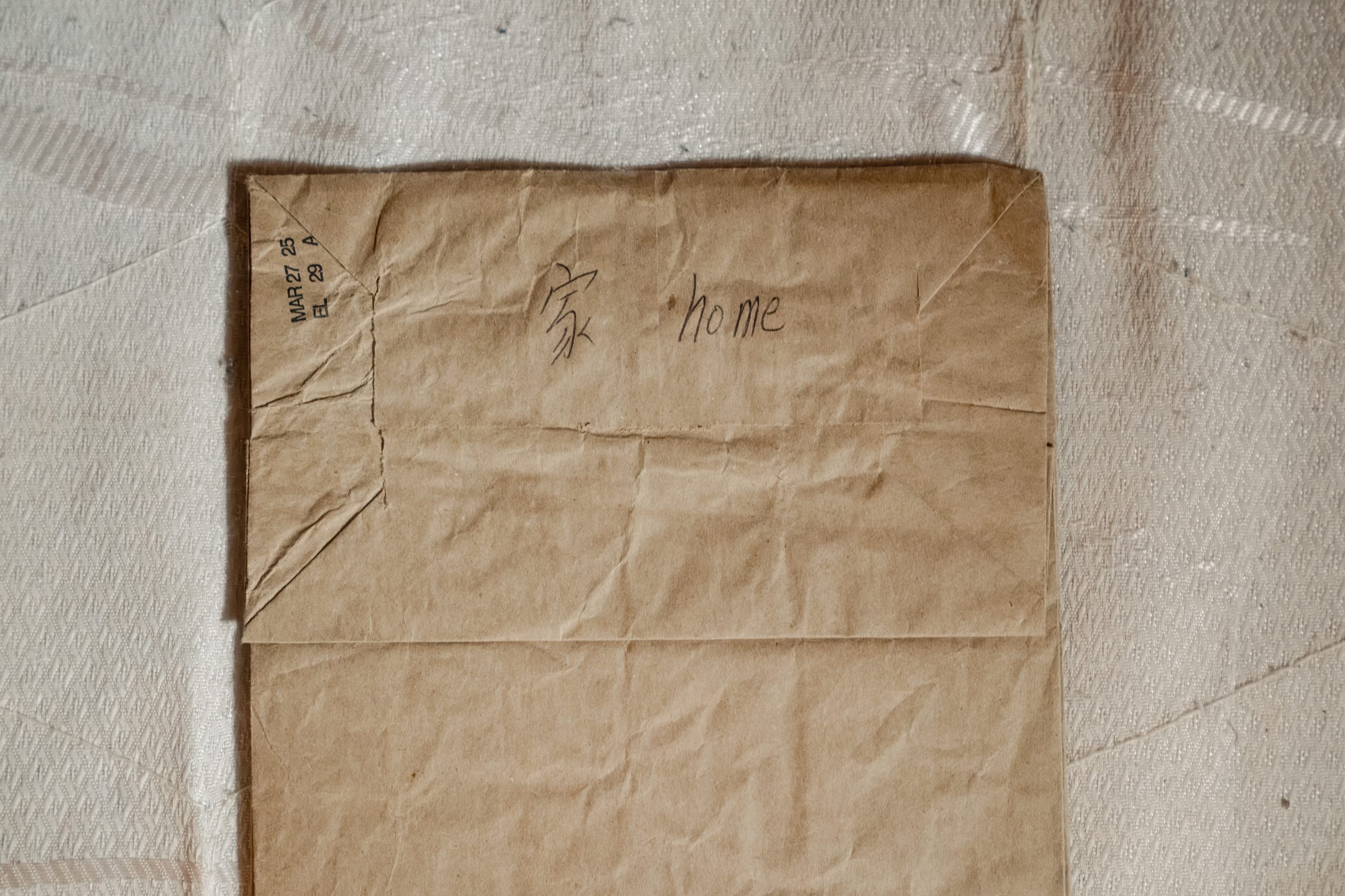
The family couldn’t afford to take photos when the children were young. When Yanfeng left for the U.S., he wanted to take a family photo. But Ge was far away from home doing some temporary work at the time. “We don’t even have a family picture together,” Yanfeng said as tears swelled in his eyes.