

If you are struggling to cover expenses, just got hit with an emergency bill, or are figuring out how to cover rent this month, know that there are several ways to get help in New York City.
Here is a list of the emergency cash assistance avenues for New Yorkers in need.
Also Read: How to Cover Emergency Medical Care in NYC if You’re Uninsured

One Shot Deal
- Amount: Unspecified, determined on a case-by-case basis
- Eligibility: Anyone can apply, including Temporary Protected Status holders, asylum seekers and undocumented parents of children who are U.S. citizens or have legal resident status. At least one member of the household must have legal status.
- To apply: Visit an HRA office in your neighborhood, apply online through the HRA website, or download the Access HRA mobile app
The One Shot Deal is a program run by the NYC Human Resource Administration (HRA) that provides a one-time deposit of emergency cash. It can be paid directly to the landlord for the payment of rent or rental arrears to help prevent a person from being evicted from their place of residence.
Also Read: NYC Tenants’ Guide to Eviction Notices and Illegal Lockouts
The applicant may be required to show proof that they can pay their future rental costs and may be expected to pay back a portion of the One Shot Deal. The amount varies on a case-by-case basis, according to need and the discretion of HRA staff.
Qualifying individuals can apply through the Access HRA website, the Access HRA mobile app, or by visiting a Benefits Access Center. The applicant has to be under severe circumstances, such as:
- Being at risk of experiencing homelessness or losing their housing
- Having had their gas or electricity shut off, or received a notice saying it will be shut off
- Having lost clothes, personal items or furniture because of theft, a fire, or a natural disaster
- Being impacted by domestic violence
- Having other issues that affect the health and safety of the applicant or their family
Temporary Assistance to Needy Families Program Cash Assistance
- Amount: Varies based on county and family size
- Eligibility: Citizens, certain immigrants and non-citizens who fit the program’s qualifying criteria. See more details here.
- To apply: Apply online through Access HRA website
Public assistance, also known as cash assistance, provides a monthly allowance to eligible families for up to 60 months through the federally funded Temporary Assistance to Needy Families Program (TANF).
The program is open to families and people who are not foster parents but are financially responsible for children in their care. All recipients must participate in work, education or training programs as a condition of receiving this benefit.
Also Read: New York SNAP Recipients Face Stricter Work Rules Starting in 2026
TANF is open to citizens and certain immigrants. Non-citizens without an immigration status and temporary nonimmigrants are eligible only for cash assistance grants that fund the treatment of an emergency medical condition.
This document explains how families can qualify for higher monthly payments for various additional circumstances ranging from pregnancy, to having a broken stove or refrigerator that prevents them from being able to cook, to needing public transportation to get to work.
Safety Net Assistance
- Amount: Varies by county and family size
- Eligibility: Citizens, certain immigrants and asylum-seekers
- To apply: Apply online via the Access HRA website
Safety Net Assistance (SNA) from the New York State Department of Health supplies cash assistance to eligible needy individuals and families. The amount of benefits issued is based on the “standard of need” and the amount of the applicant’s other income. SNA is open to people who are:
- Single adults
- Childless couples
- Children living apart from any adult relative
- Families of persons found to be abusing drugs or alcohol
- Families of persons refusing drug/alcohol screening, assessment or treatment
- Non-citizens who are eligible for TANF
People who are applying for SNA should be willing to work in order to receive the benefit, as there are employment screenings and assessments attached to the process.
And, there is a limit to the amount of funding available. SNA will be sent to the recipient as cash payments for up to two years. After two years, they may be able to still get SNA support, but it would be sent directly to the landlord or utility company of the person in need.
Family Eviction Prevention Supplement (FHEPS)
- Amount: Determined on a case-by-case basis
- Eligibility: Household with children that receives Cash Assistance and is facing eviction or other difficult circumstances
- To apply: Visit an HRA office in your neighborhood, or if already receiving Cash Assistance, apply online through the HRA website
The Family Eviction Prevention Supplement (FHEPS) program is available to help individuals or families to stay in their home or to move to a new apartment if they are being evicted. Eligible families must be facing eviction or have lost their housing due to domestic violence or other health and safety issues. Families seeking help to move because of a pending eviction can also get help with filling out the application form by reaching out to qualified Homebase providers.
Hebrew Free Loan Society
- Amount: Provides up to $7,500 in interest-free loans that must be repaid
- Eligibility: Open to low- and moderate-income residents of New York City’s five boroughs, Westchester and Long Island
- To apply: Complete the HFLS Loan Application Form
The Hebrew Free Loan Society offers interest-free loans to low- and moderate-income New Yorkers within and outside of the Jewish community.
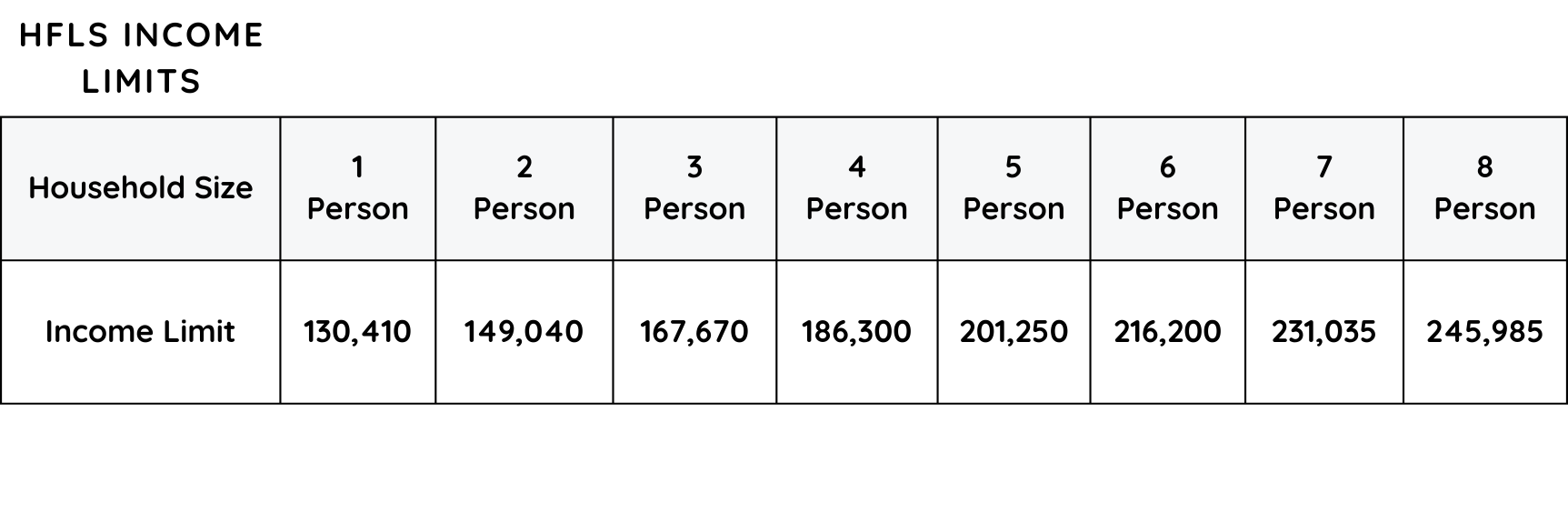
In order to apply, the borrower’s annual pre-tax household income must be at or below the income limit set by the Hebrew Free Loan Society according to household size. The income limit reaches up to $130,000 for a single-person household and nearly $246,000 for a household of eight. A guarantor is required for all general loans.
The organization also offers other loans tailored to specific purposes, such as child adoption costs, college fees, debt repayment, healthcare and fertility treatment.