



Nearly 400 runners gathered on a windy February morning, about 500 feet away from the towering stainless steel Unisphere in Flushing Meadows-Corona Park. They were decked out in salt-stained sneakers in colors that matched their shirts, running watches to track their pace, and hats to cover their ears from the cold. But beyond their traditional winter running attire, many of the runners wore shirts with messages against Trump’s mass deportation agenda.
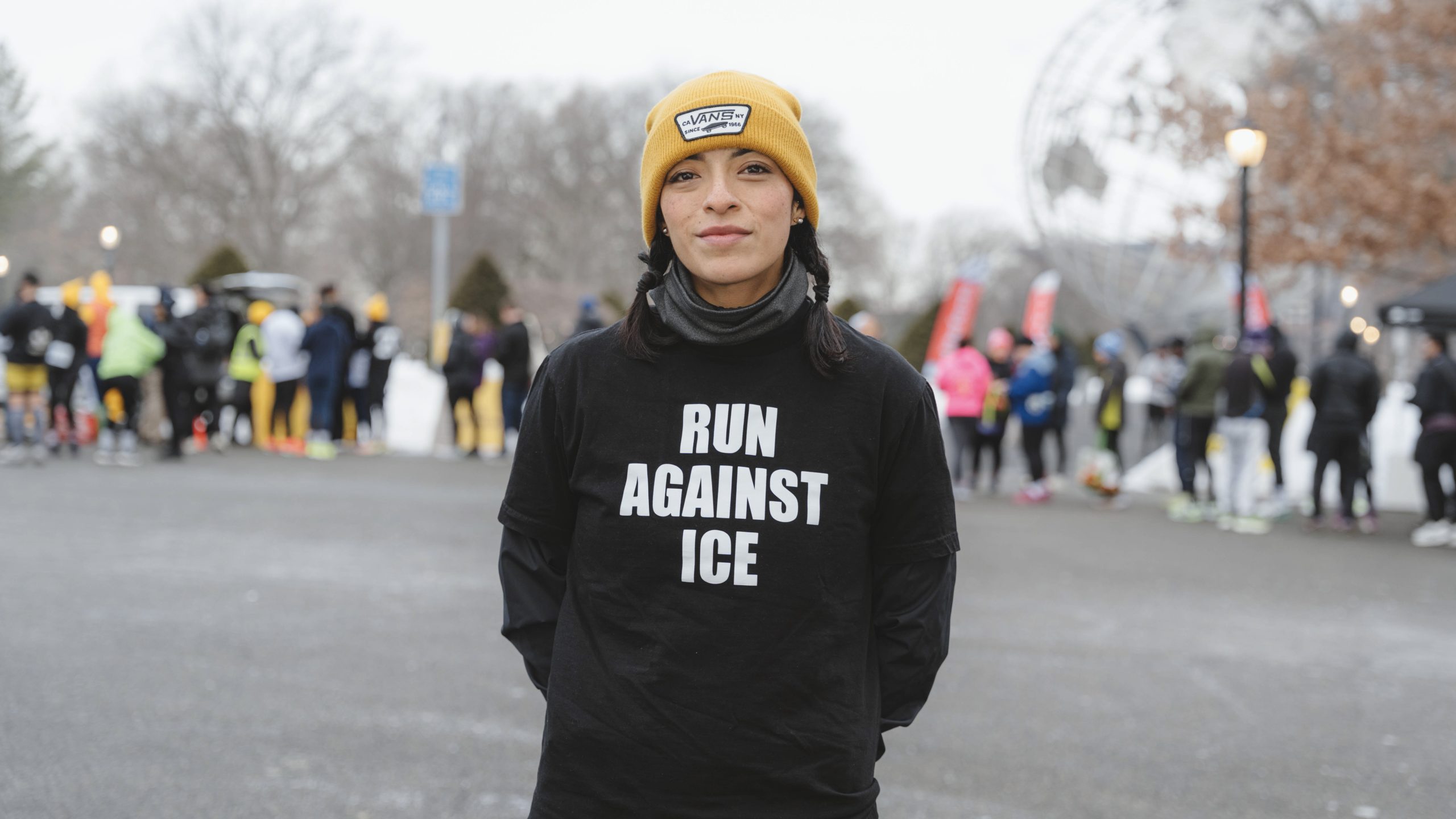
Among the runners was Natalie Gonzalez. She wore a black shirt with bold white letters: RUN AGAINST ICE.
“I am very familiar with the struggle of the fear of getting deported, and the fear of your parents getting deported,” the 37-year-old said. “I am here to support and to be with other people. Because it is a really scary time.”

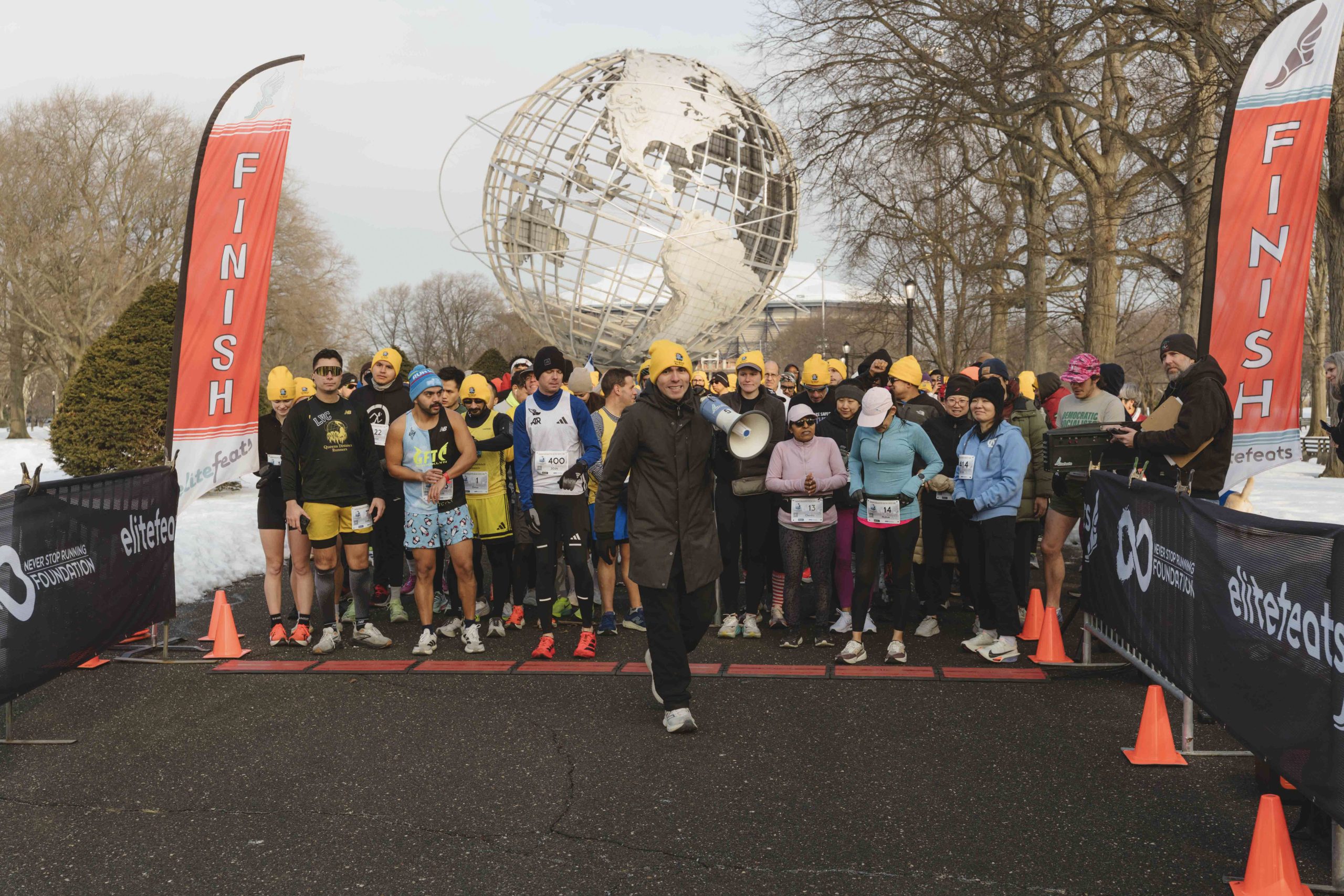
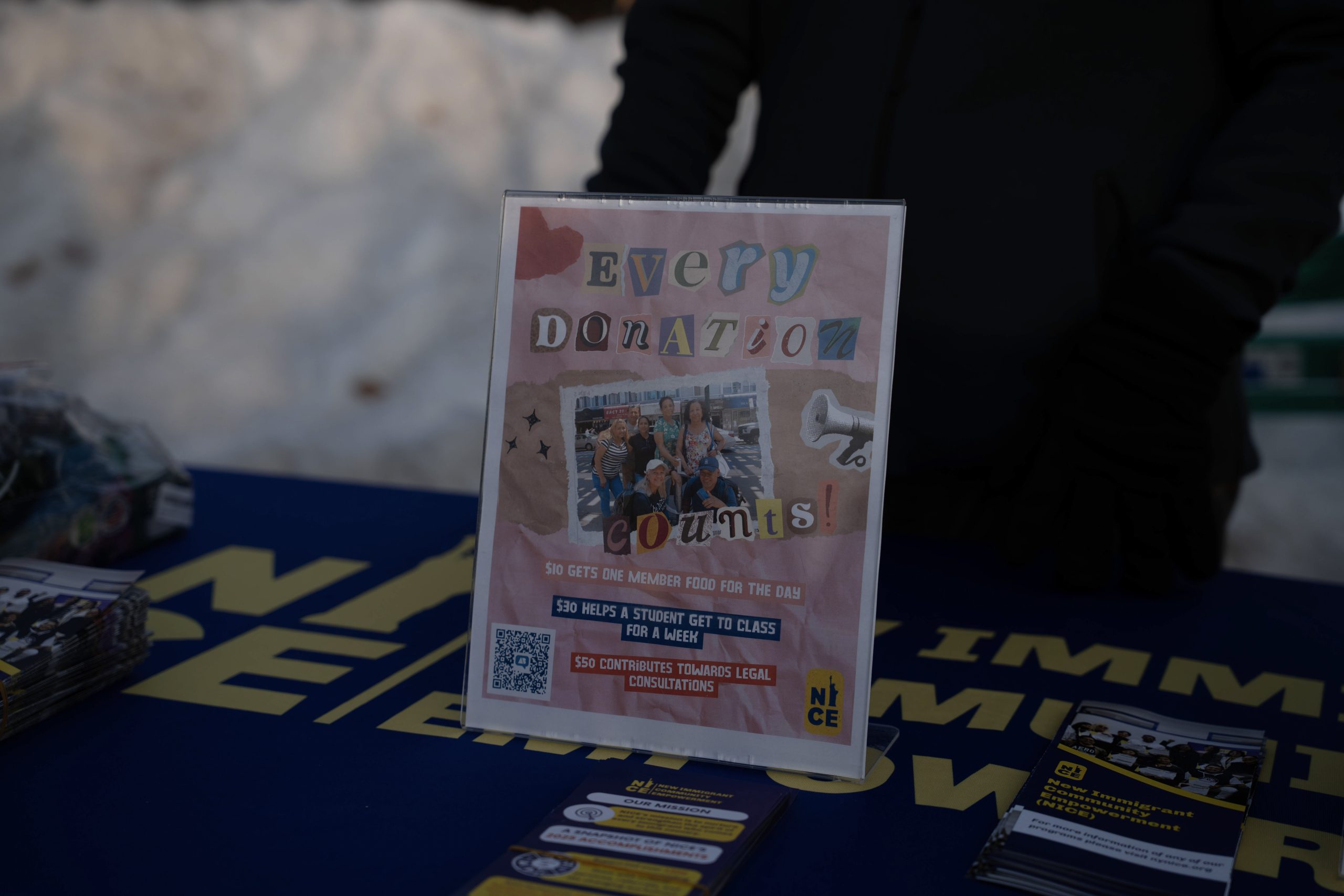
Hosted by Queens Distance Runners (QDR) and New Immigrant Community Empowerment (NICE), the race, dubbed Immigrants Run NYC 5k, drew residents from across the state — as well as some from outside of New York — to run in support of immigrant neighbors who have been impacted by recent crackdowns and deportations. The organizers said a portion of the proceeds will go to help immigrants with job training and legal assistance.
The race is part of a broader trend nationwide, as community groups transform familiar events, from road races to Super Bowl watch parties, into spaces that celebrate culture and fundraisers which assist immigrants facing deportation.
Joining the run was personal for Gonzalez. She was born in Mexico and spent her formative years growing up undocumented in Los Angeles until her twenties, when she was able to regularize her status. Beyond joining in solidarity, she was also drawn by the race’s goal to raise funds for immigrants through the work of NICE — a nonprofit in Queens that has been assisting immigrants with job training opportunities and legal assistance for nearly three decades.
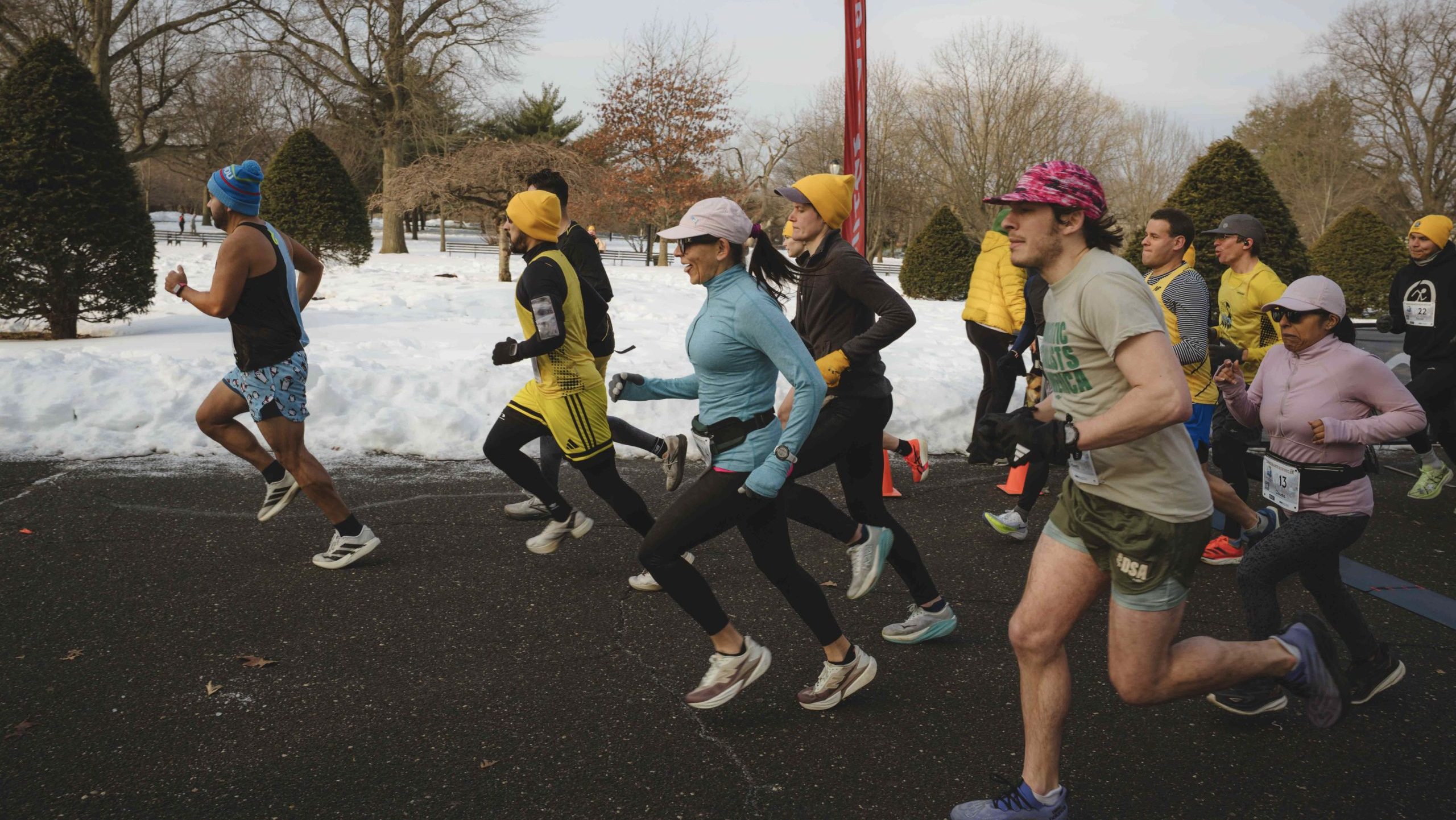
Kevin Montalvo, who founded QDR in 2013 and organized the race, said this is the third time the running-group had teamed up with NICE to fundraise for their work. This year, in an effort to meet the moment, they decided to change the name of their first race of the year to “Immigrants Run NYC 5k”.
“The theme needed to be around immigrants, immigrant justice, immigrant resources, because we have heard from teams, members, crews that they don’t feel… as safe as others within the spaces,” Montalvo said, adding that 50% of the proceeds from the race entry fees will go to NICE. More than 400 runners signed up by the day of the race, with 366 finishers.
“Partnerships with groups that are connected with our community are very important,” said Nilbia Coyote, NICE’s executive director. “It doesn’t have to be, like, groups like ours, but also other types of groups, like neighbors, restaurants, employers, and people who are worried about what’s going on in Queens.”
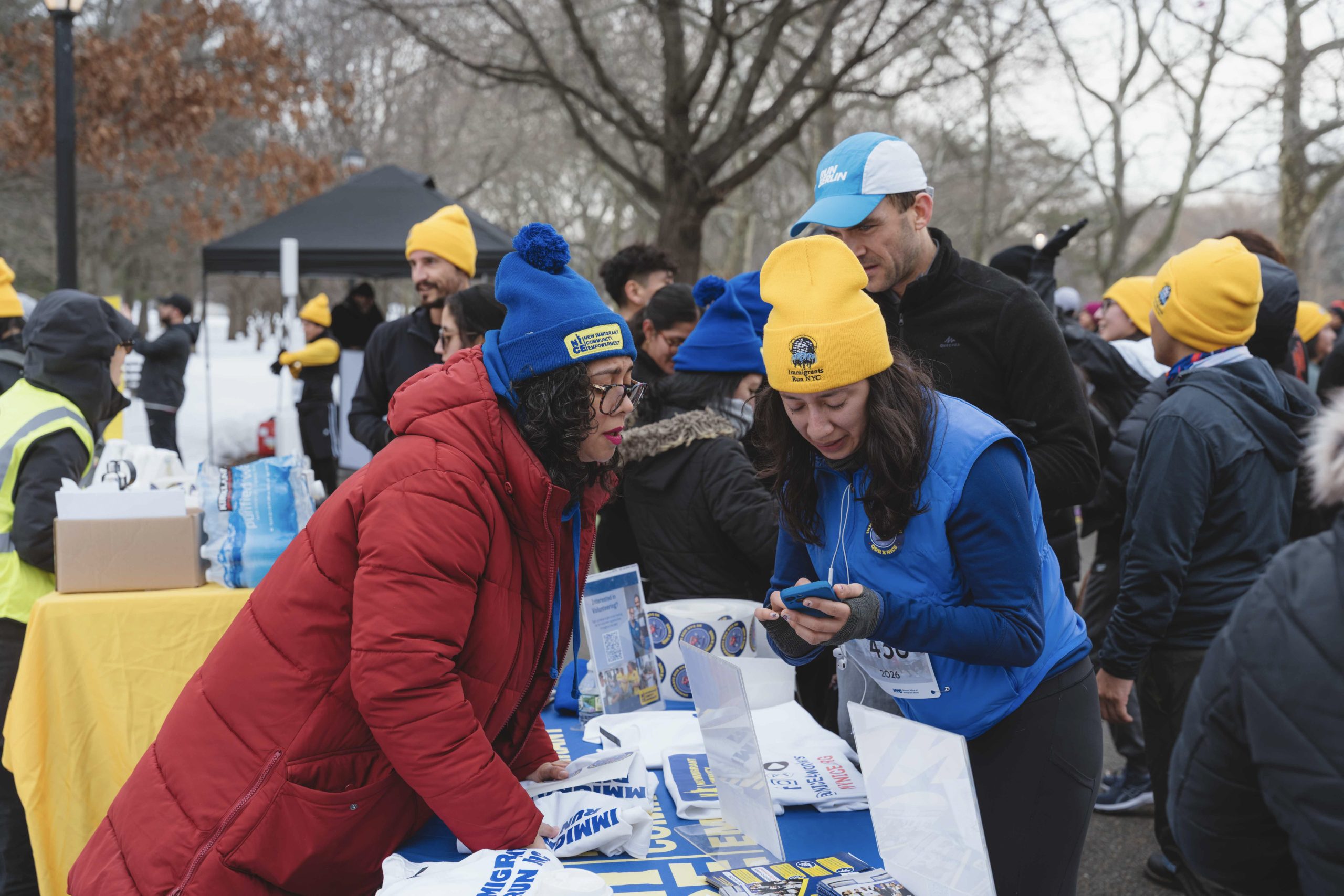
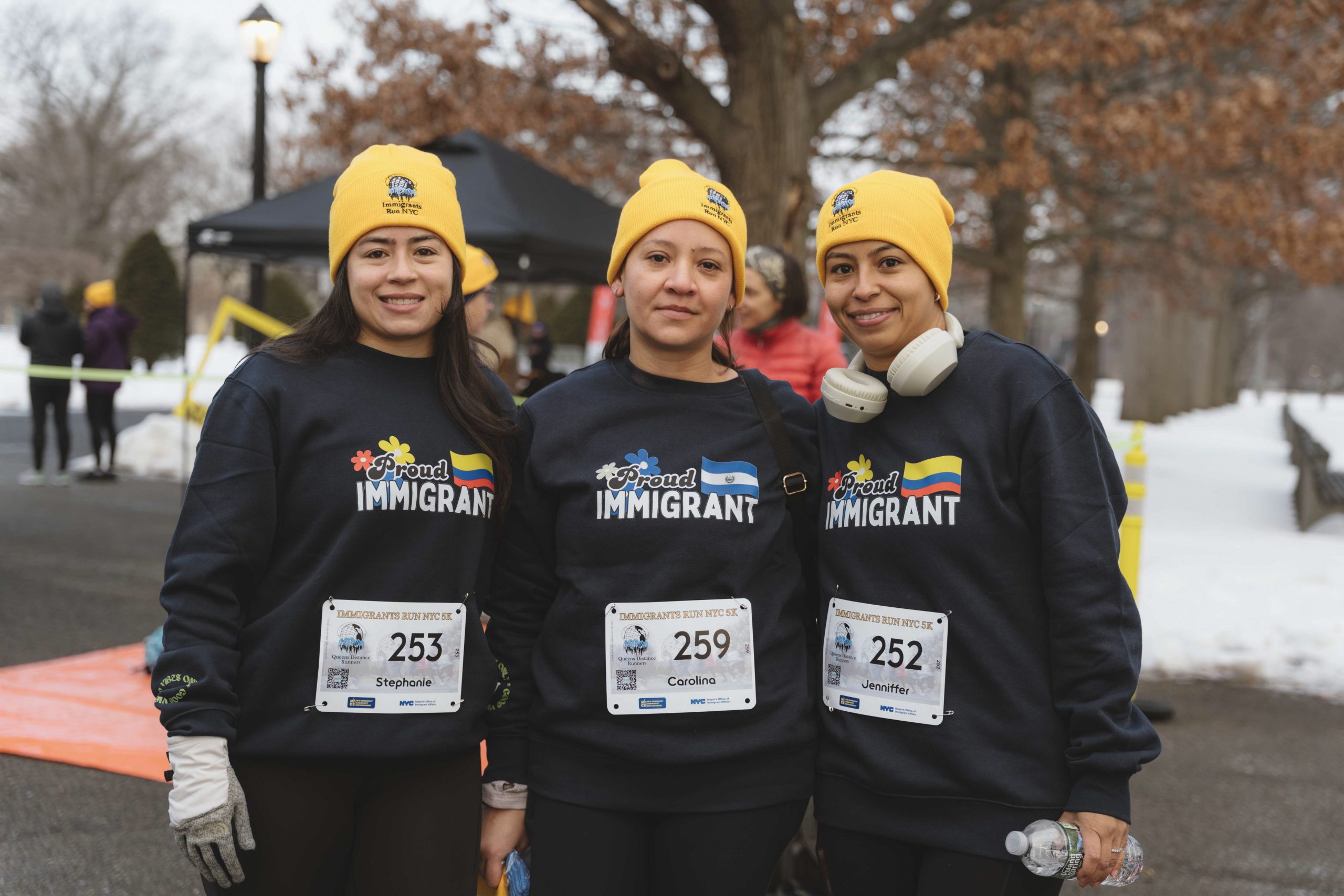
In addition to providing staff from QDR as helping hands, the nonprofit also provided hot coffee, information about local resources for immigrants, and bright yellow hats which were proudly emblazoned with “Immigrants Run NYC”.
“It’s very important to build those connections and to build those relationships. And obviously, la unión hace la fuerza [unity makes strength],” she said. “The more you create those connections, the stronger you are.”
The Immigrants Run NYC 5K even received official recognition from Mayor Zohran Mamdani for “bolstering the health of our neighbors and protecting our vibrant immigrant population.”
The race is one of several grassroots efforts across the city that have turned cultural moments into organizing forces for immigrant causes.
Also read: As Deportations Rise, NYC Schools Step Up to Support Immigrant Students
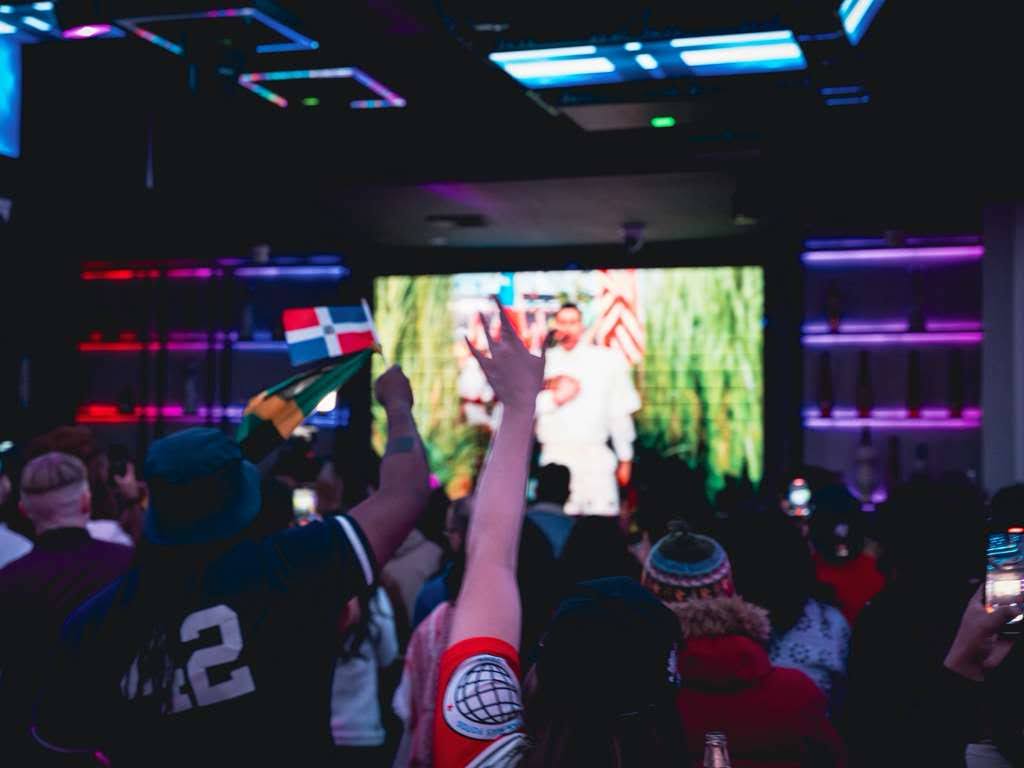
Earlier this month, Lucia Allain and Giselle Vanegas, both of whom were born in Peru, hosted a Super Bowl watch party at Agenda, a restaurant serving Latin cuisine in Astoria.
Called Benito Bowl — after the halftime headliner Bad Bunny — the event sought to harness the power of the Latin artist to invite neighbors to the restaurant, including those who may not be traditional viewers of the sport. But their goal was to go beyond celebrating Latino culture.
“We talked about ICE folks, that we had seen them, that we see in presence in Corona, and in Queens in general. But I live in Corona, so I am seeing them on a daily basis; this is nonstop,” Allain said, adding that she brainstormed with Vanegas about ways to support neighbors impacted by the immigration raids.
After speaking with NYC ICE Watch, a grassroots group assisting immigrant families, the duo decided to allocate 20% of the proceeds from Benito Bowl ticket sales to the GoFundMe pages of five families who had their loved ones detained by ICE.
“I am no longer in the front lines of organizing a rally but I am in the front lines of organizing a party where people can donate,” said Allain, who had previously worked as a communication director for non-profits assisting immigrant communities. “The money they would spend on drinks, they are spending it on a ticket that could possibly go to a legal service, to a meal, or part of someone’s rent.”
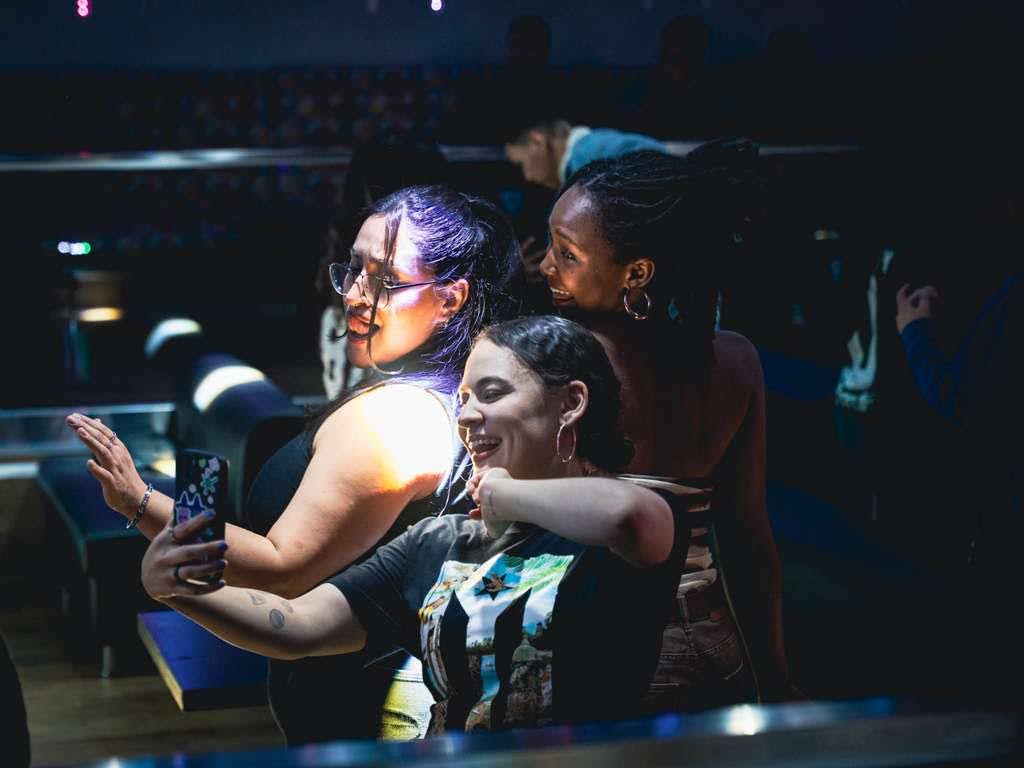
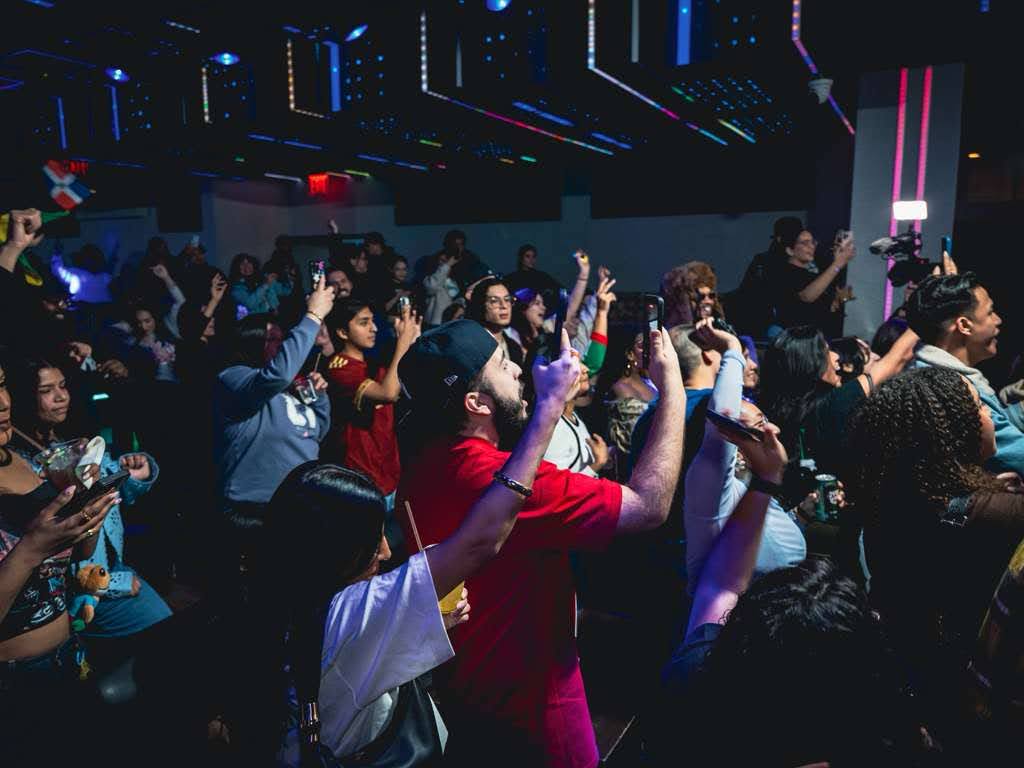
Vanegas said that the Benito Bowl is just one example of the type of community-centered engagement she and Allain have created. Five years ago Vanegas created Asuuumare, a social media page meant to uplift the Peruvian community through humor, memes, and nostalgia. She said the project took off and eventually, with input from the community, they hosted two events last year, one in Miami and the other in New York for New Year’s Eve.
She explained that they center their event on working with small businesses, and through their direct-messaging broadcasts on Instagram they ask their followers for input on event venues, food that they would like to eat, and the types of music they want to hear or DJ they’d love to see. “That’s the way for us to make sure that this party is from the community and for the community.”
Also Read: New Techno Party in Brooklyn Centers Immigrant Communities
Allain and Vanegas said that due to the demand they received from their followers, they have decided that they will begin to tour other states and host in-person events in the coming months.
Beyond their in-person events, Vanegas said her page also serves as a virtual safe space for people — a place to feel connected — adding that sometimes people message breaking news stories, like the happenings in Minnesota last month.
“It is important to speak up. I have a platform, I have a voice, and a lot of people think like me that they are also fearful,” she said. “Sometimes it just takes one person to speak up and show that we can be together online. They are not alone. There are people that think just like you. Those feelings are very valid and very real.”