


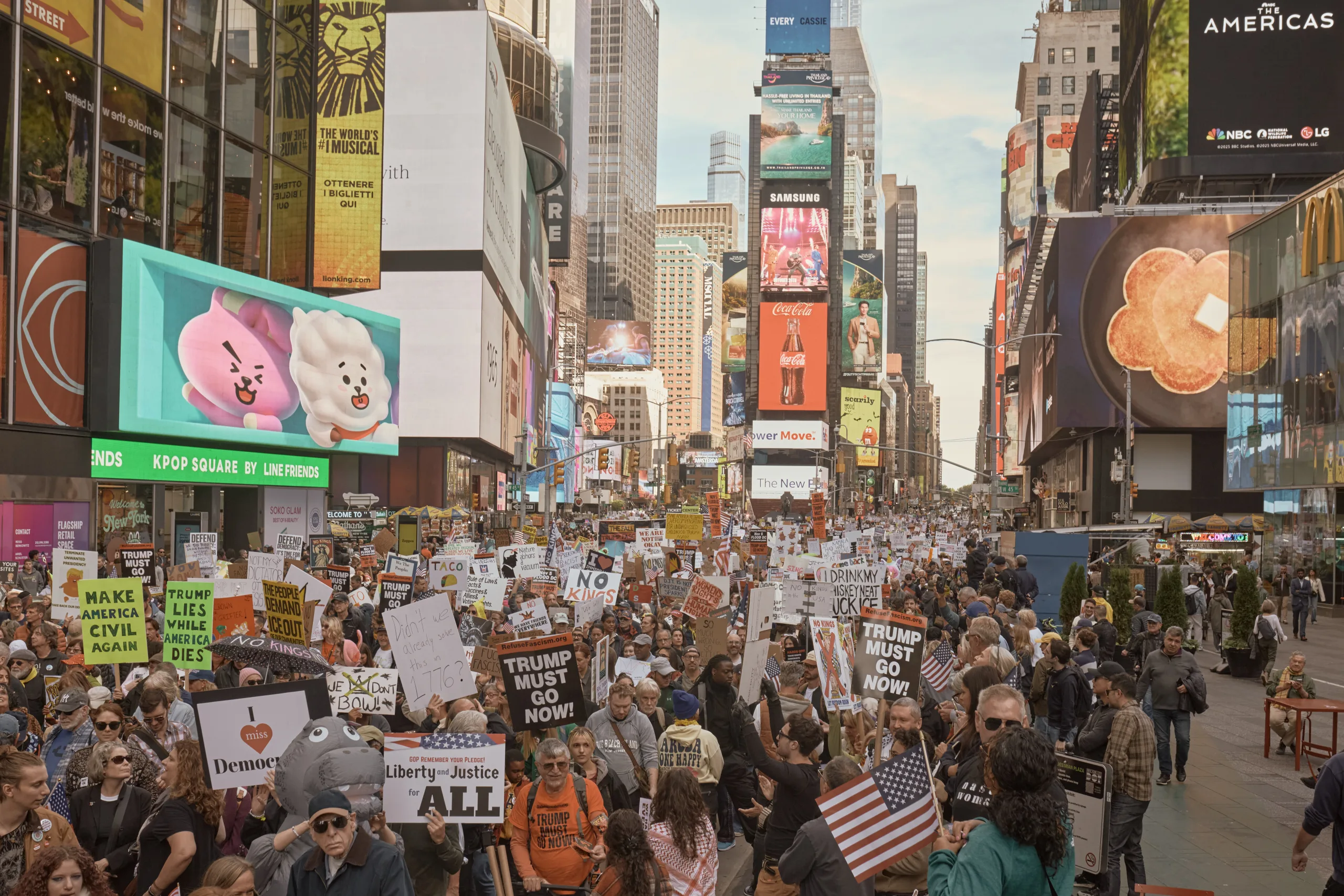


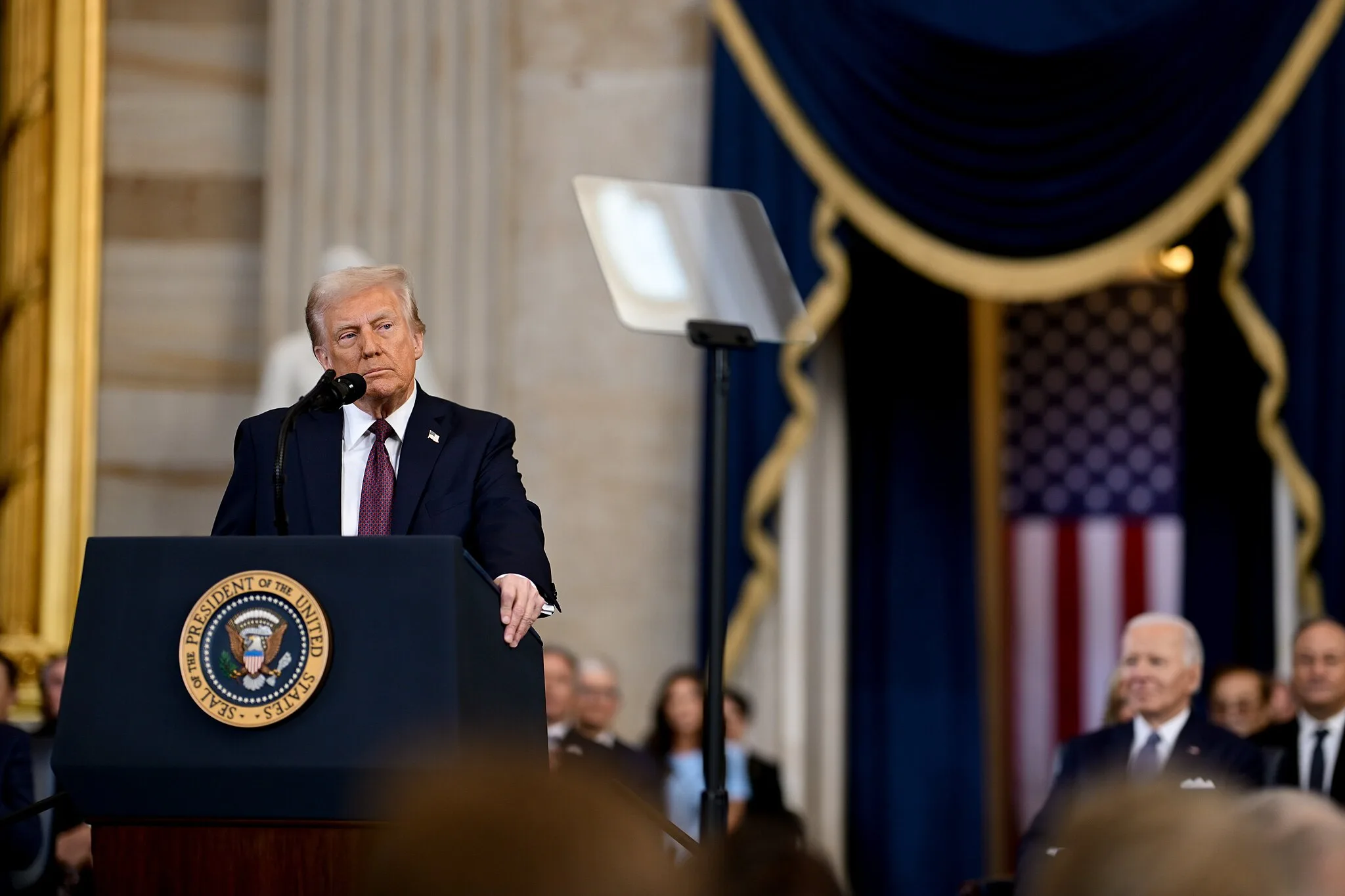
President Trump kicked off his second term a year ago with what he viewed as a mandate to “put America first” and upend the nation’s border security and immigration. He wasted no time getting started.
Trump’s first 100 days in office were marked by a flurry of executive orders, legal challenges and raids that overhauled U.S. immigration as we have known it. As Trump closes out the first year of his term, the result has been dramatic and, for many immigrants, life-altering: more than 500,000 deportations have transformed neighborhoods and splintered families.
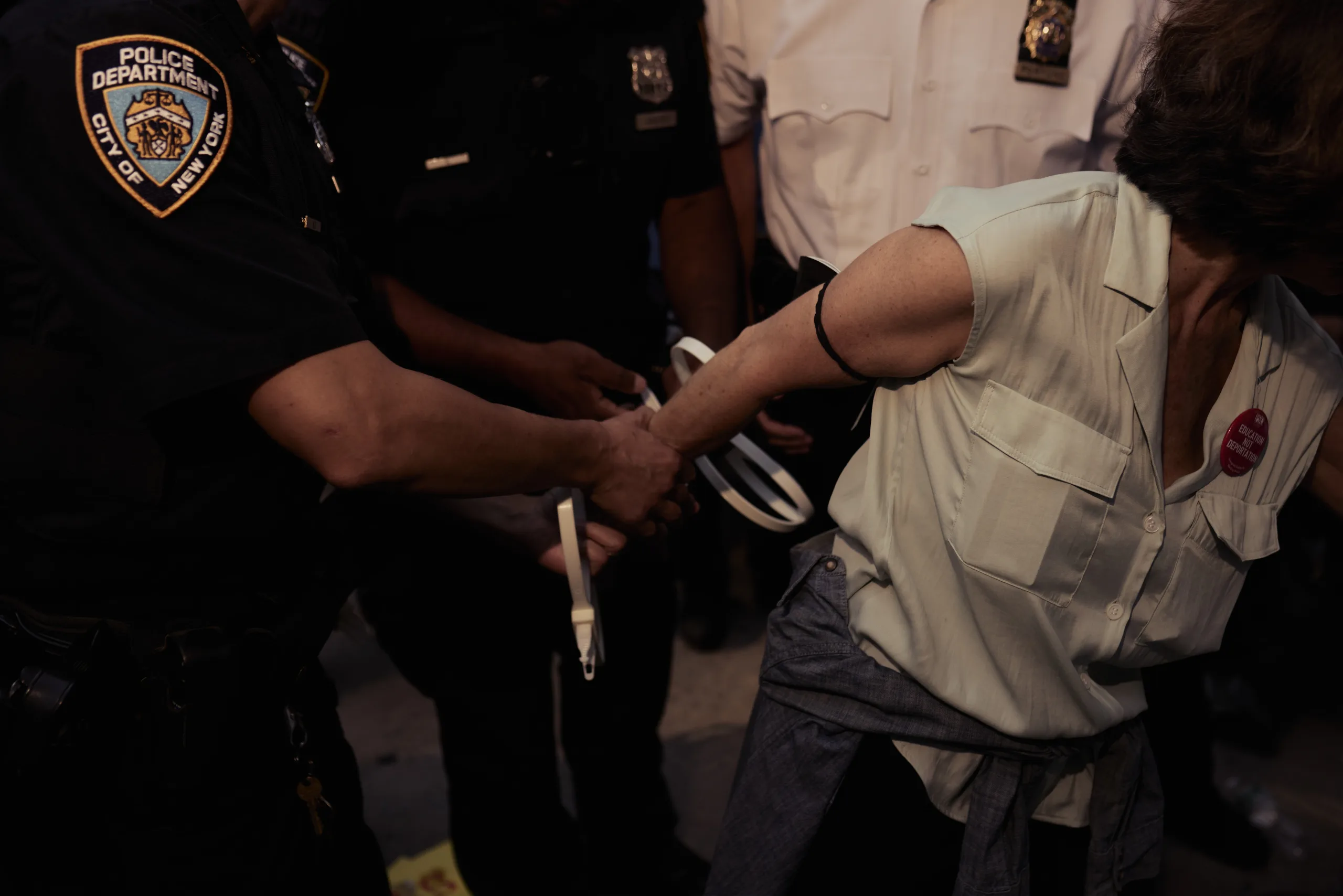
New York City, which has the largest immigrant population of any city in the country, began the year bracing for immigration raids — in the streets, at our places of work, in shelters, churches, hospitals and in our schools. Masked ICE agents descended on courtrooms in Lower Manhattan, detaining immigrants who were attending routine appointments on their path to citizenship. And these weren’t the worst of the worst who Trump had vowed to remove — many had no criminal record.

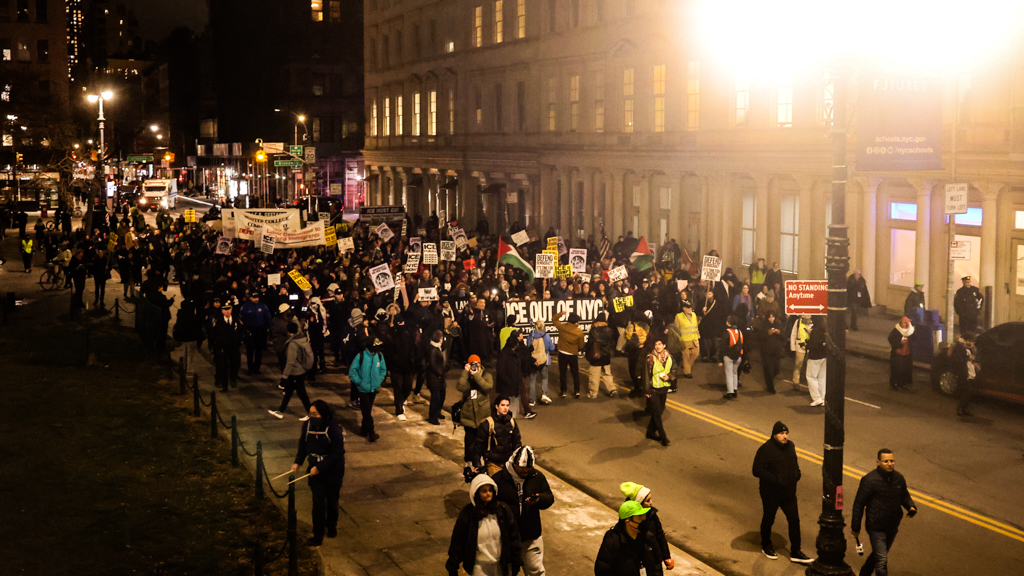
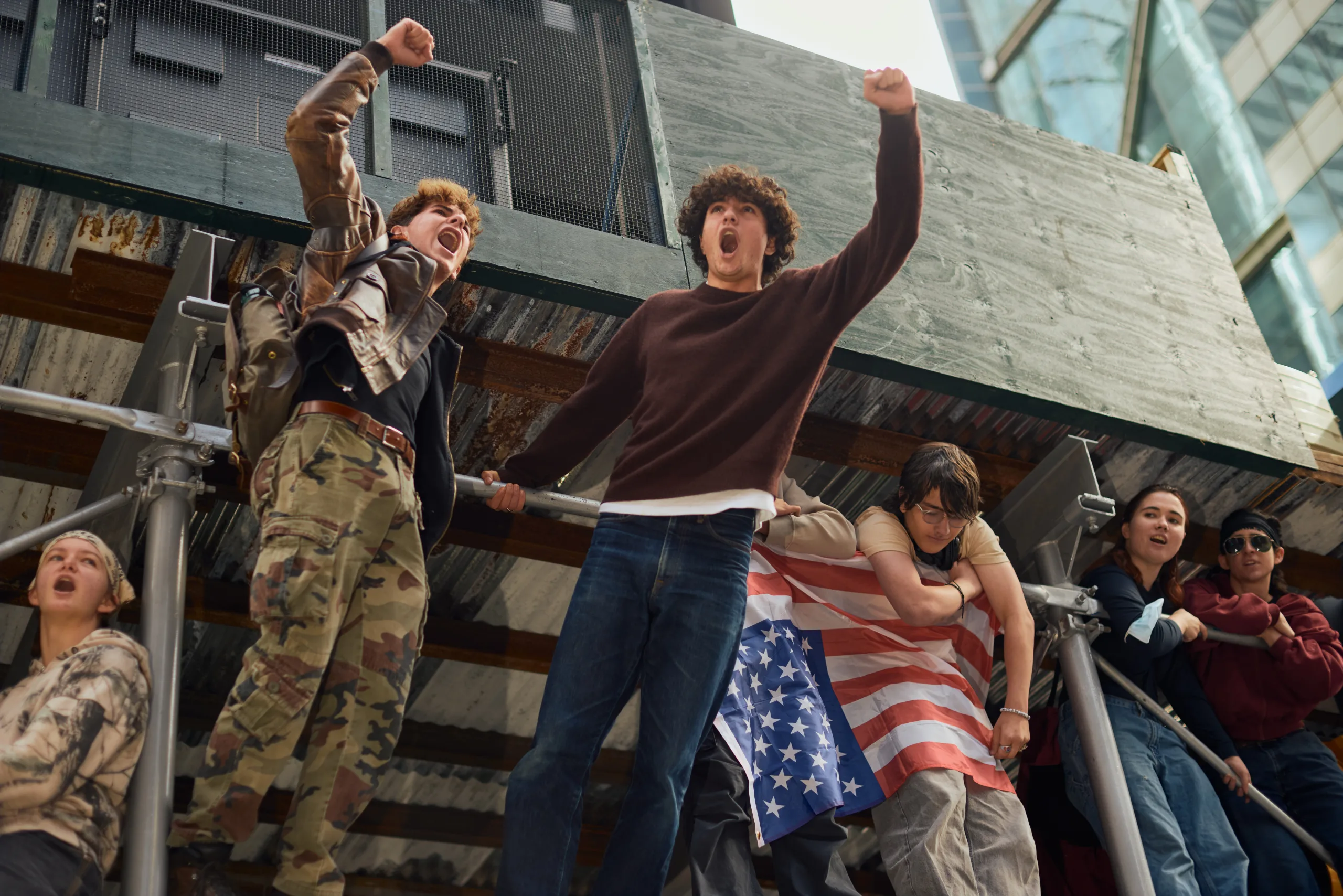
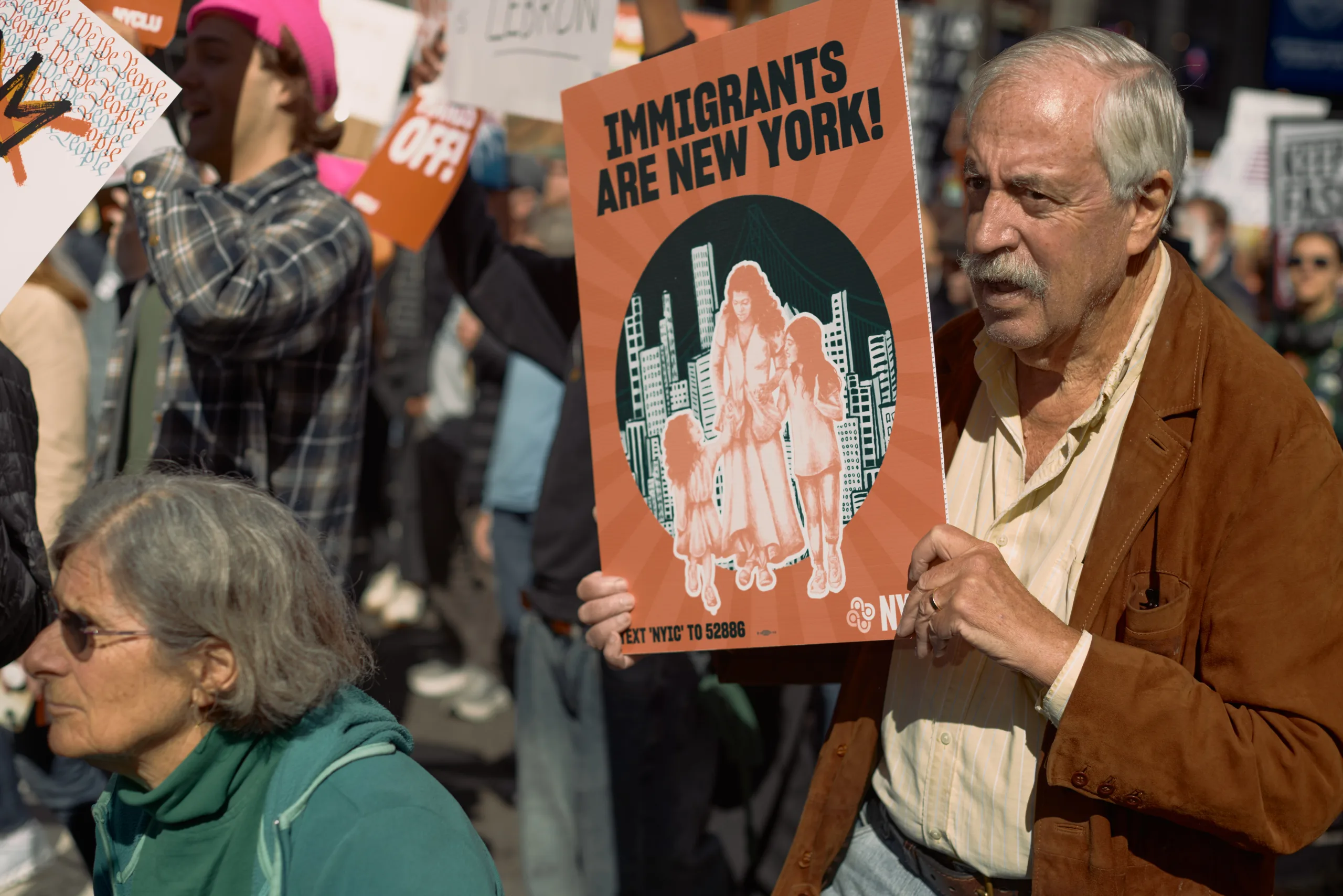
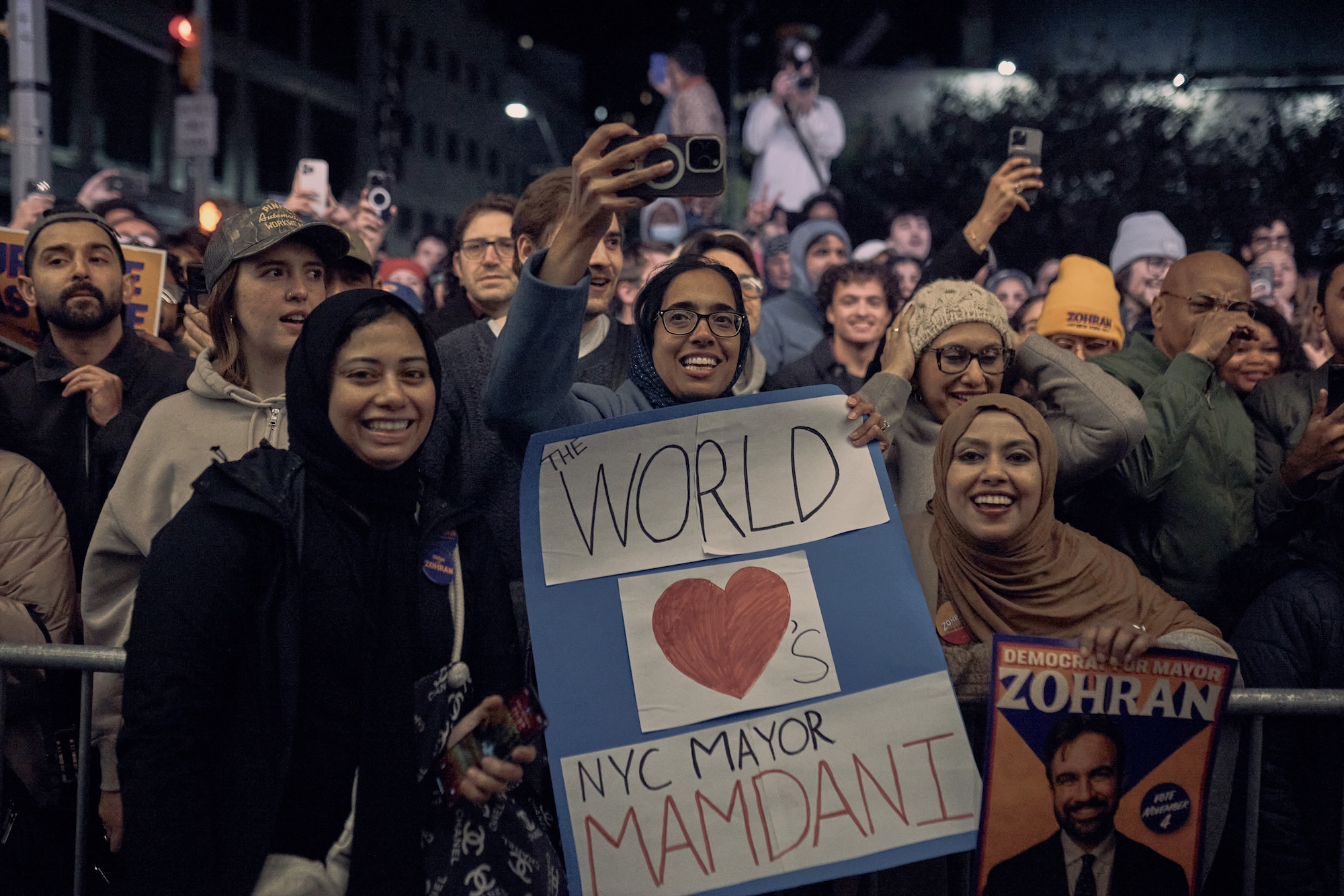
New Yorkers closed out this year with action and resistance, from confronting ICE agents on Canal Street, to pushing back on raids in Port Richmond, staging sit-ins at 26 Federal Plaza, singing protest songs on the stone steps of churches, and marching through the streets to defend democracy, demand ‘No Kings’, and most recently, protest the killing of a Minneapolis mother who was shot in the face by an ICE agent.
For many, the last 365 days have been long, tiring, tumultuous — but it’s been a year that’s also served as a call to action and a reminder about the power of community. With that in mind, we asked a cross-section of New Yorkers one question: How do you feel one year since Trump returned to office? Here’s what they said.
“The world situation has become more unstable. Some things [Trump] promised before taking office haven’t been done — for example, not only has the Russia-Ukraine war not stopped, but there have also been attacks on South American countries and even potential moves on Greenland.
— Shubin Zhu, a Chinese resident in Brooklyn
The current situation feels a bit like the pre-World War II period when Hitler was expanding territory.”
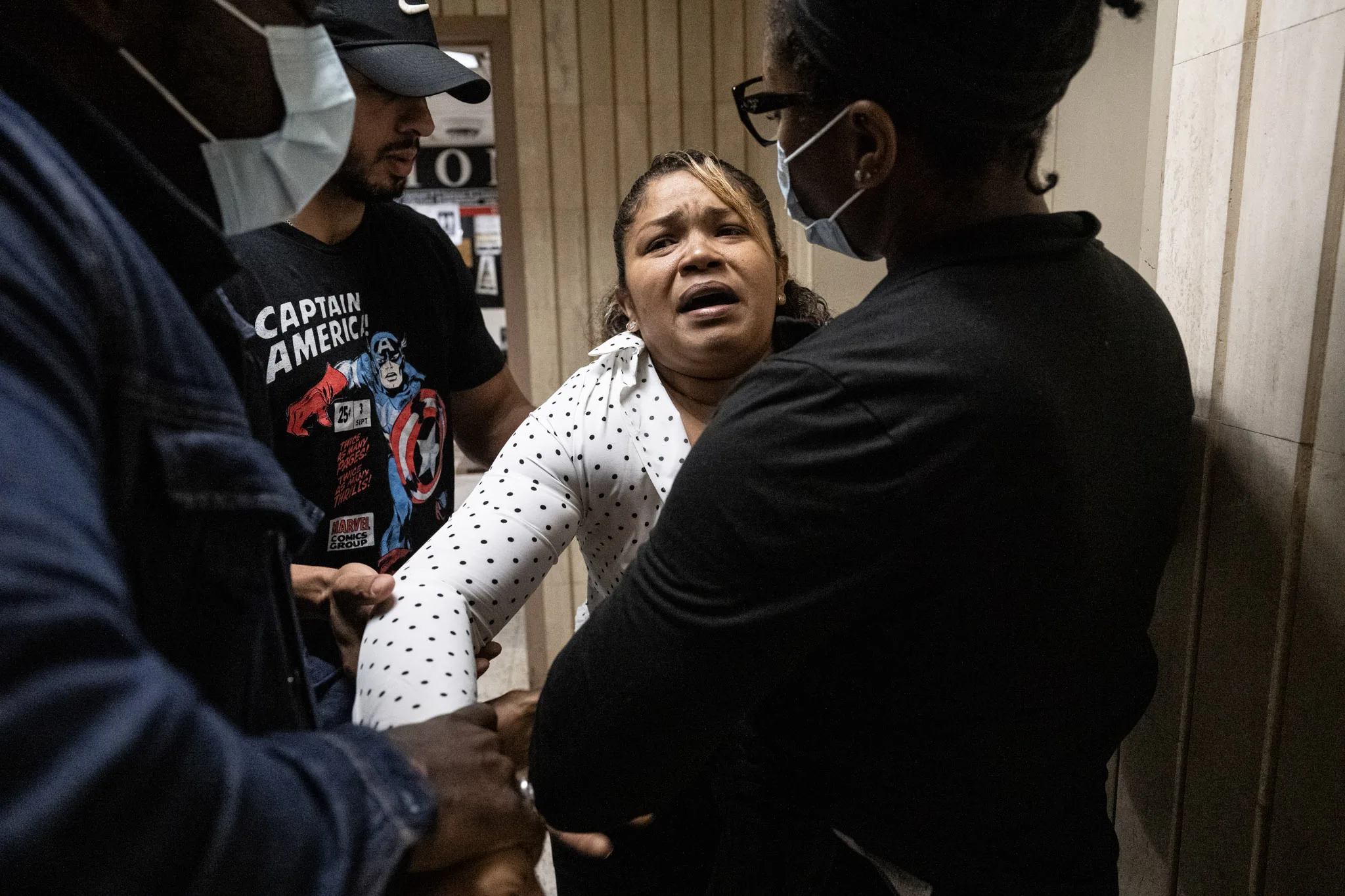
“My children are very scared, very afraid, insecure, and anxious because what’s happening is so uncertain […] we also feel like the worst, like a burden, like we have no rights. If you leave your country and ask for asylum, it’s for a reason. So, this government isn’t interested in that.”
— Esmeralda, an asylum seeker from Nicaragua who migrated to the United States in 2022 with her five children and husband. She is currently living in one of the remaining migrant shelters in The Bronx.
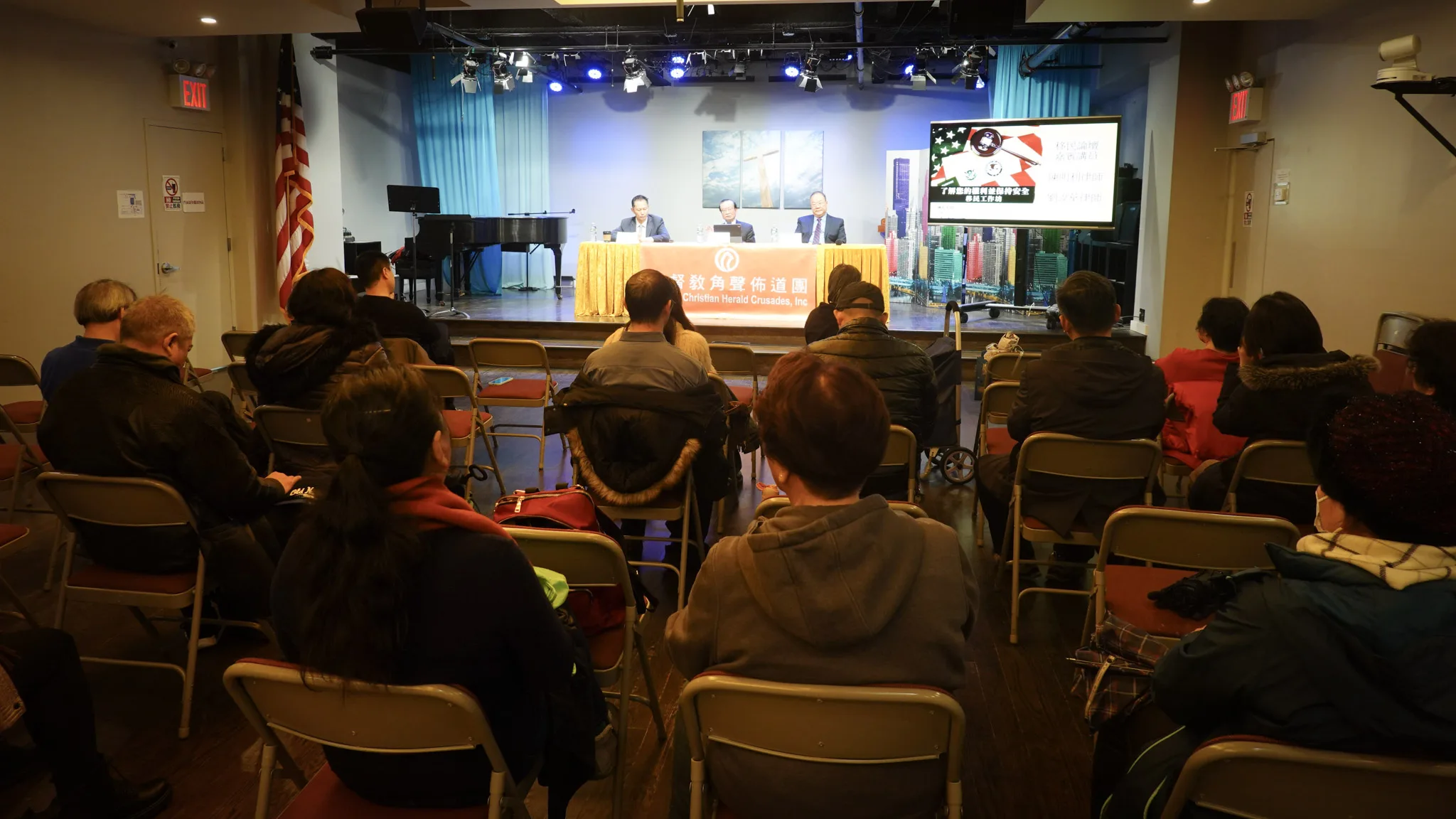
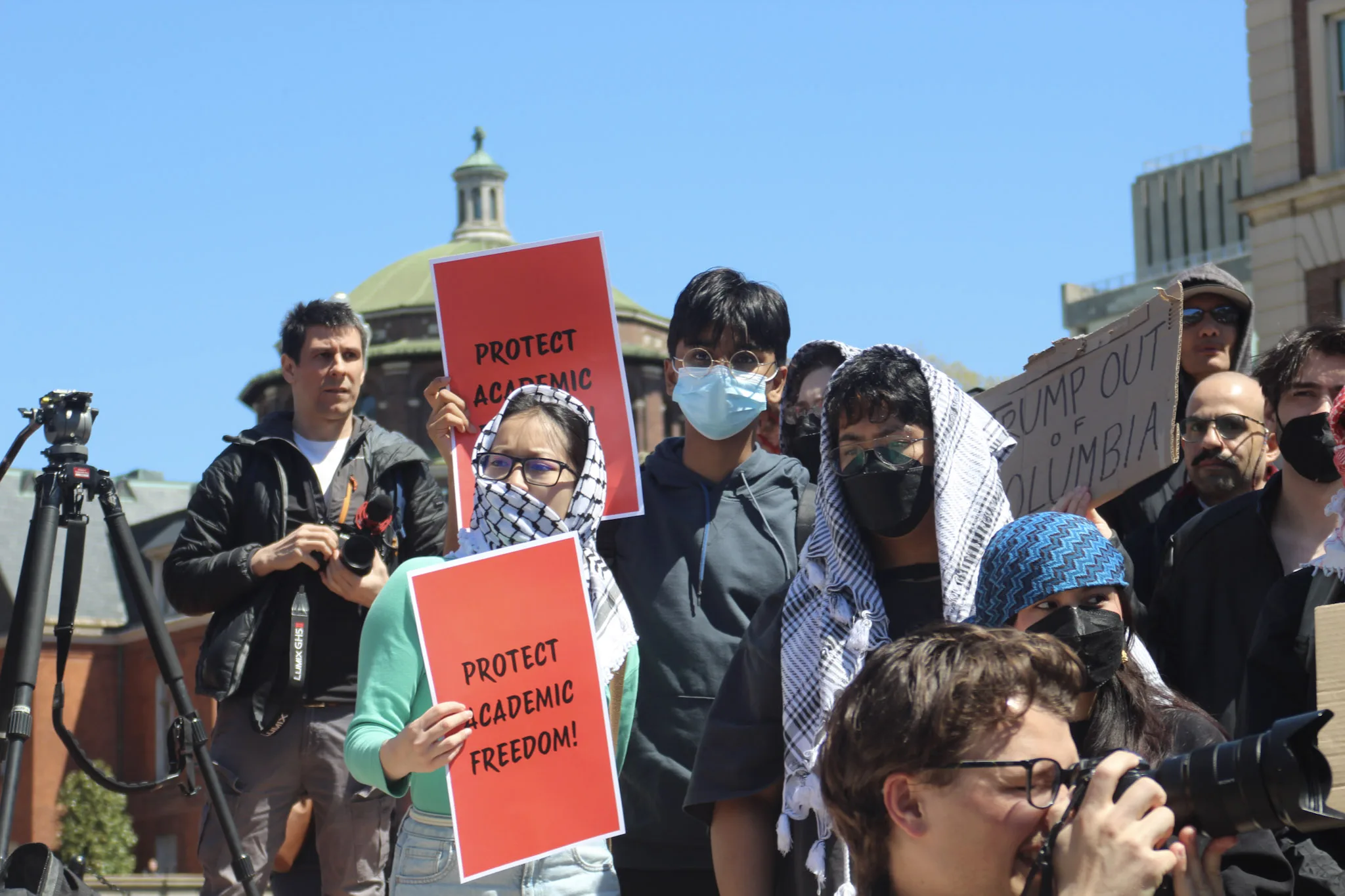
“The current situation also makes me feel that we should take action to better protect and educate the Chinese community because I believe an individual can’t protect themselves alone — only when a group stands together can we truly protect ourselves.”
— Haoran Gan, a Chinese resident in Flushing, Queens
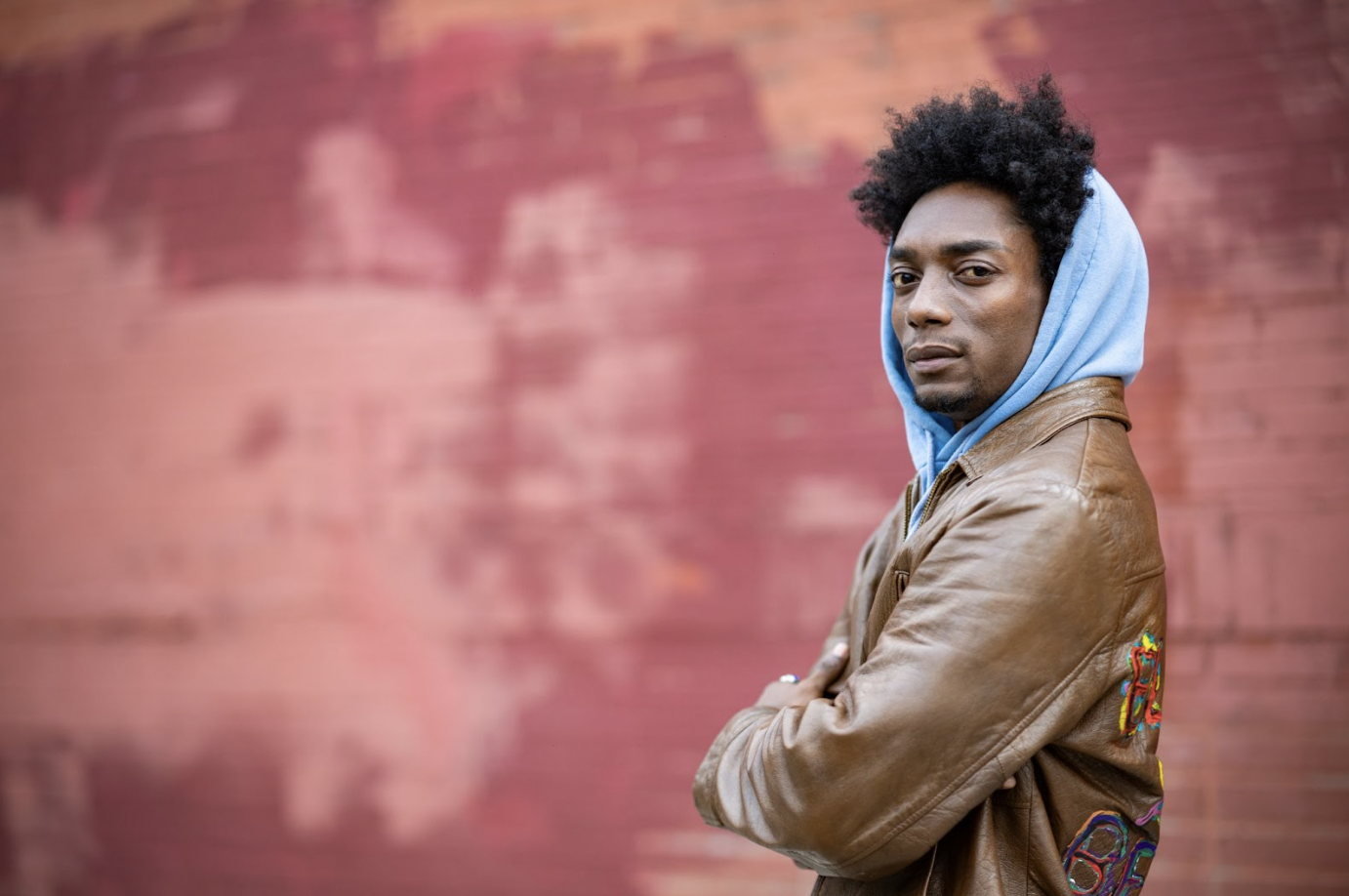
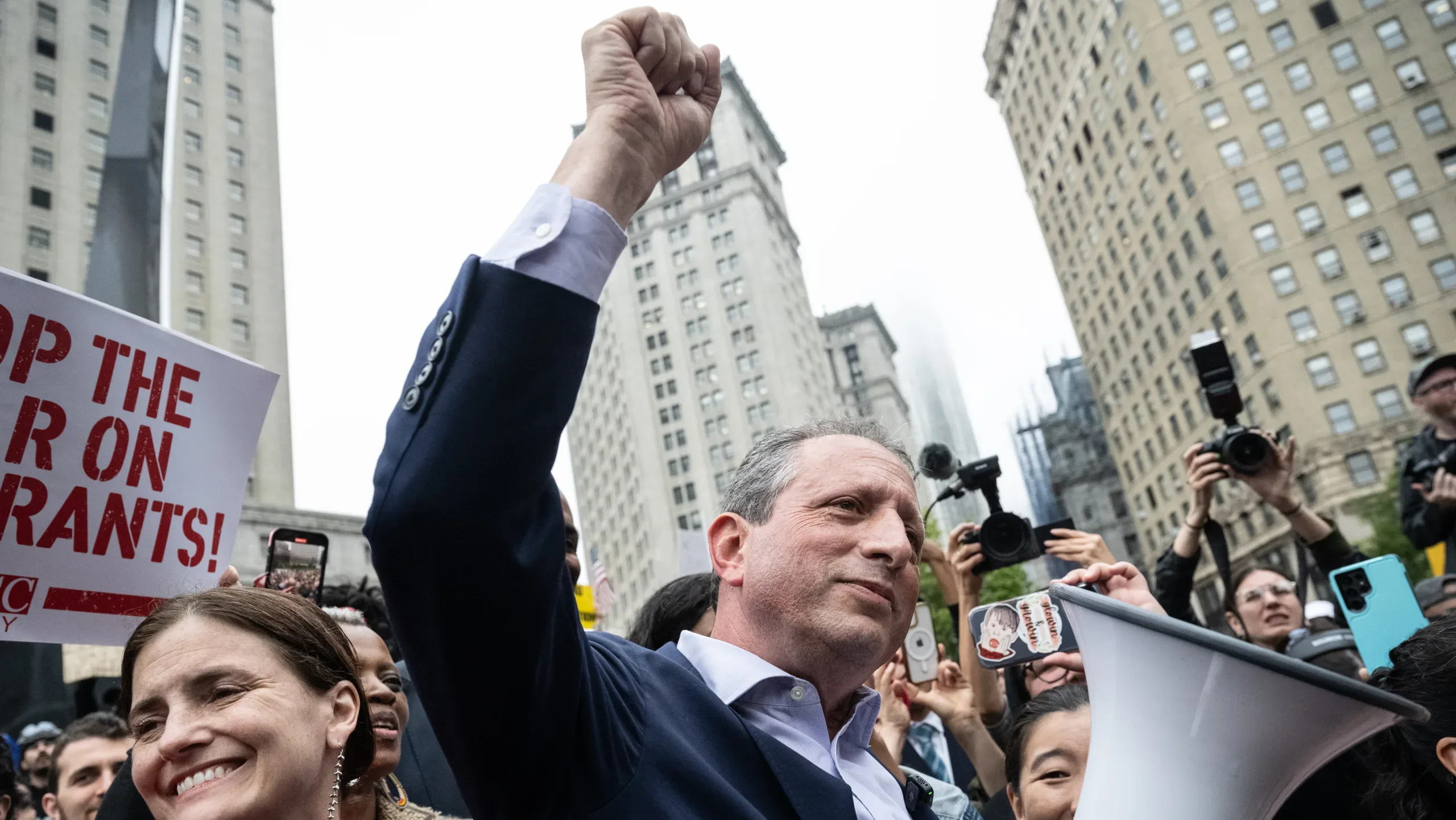
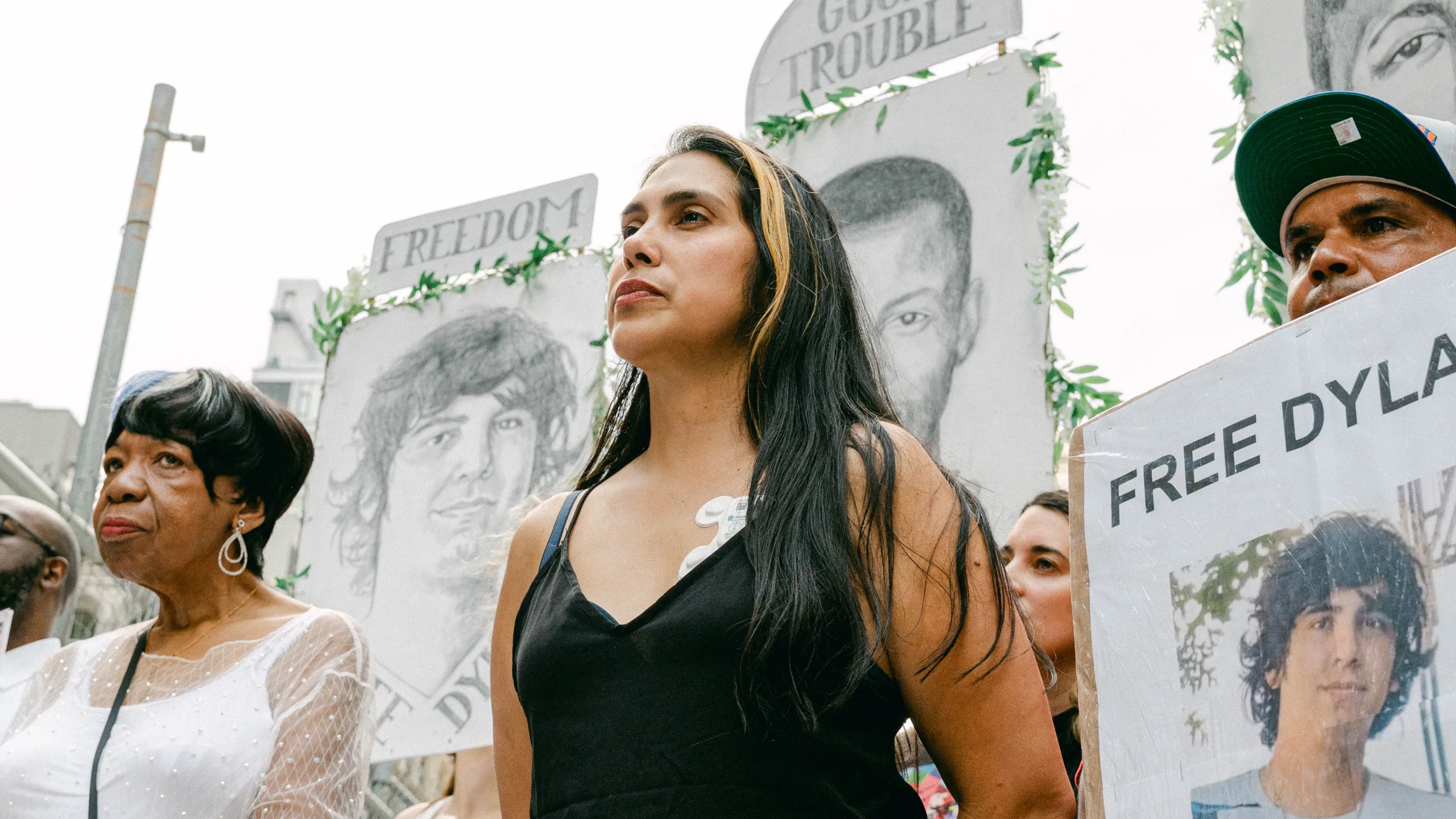
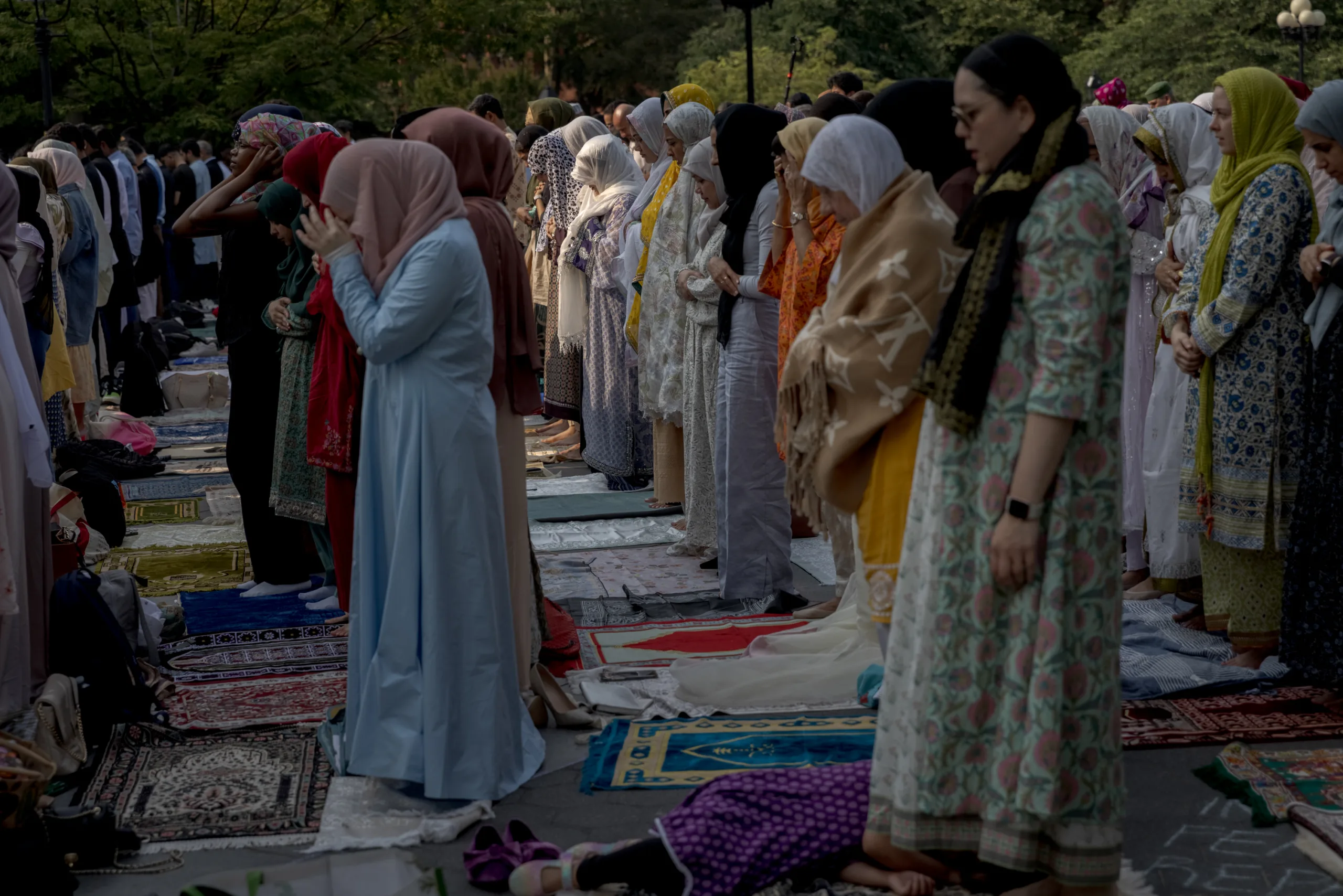
“I want to be a voice — one that can say what it truly feels like, firsthand, how horrible it is. But I chose my words carefully, because even speaking out brings fear. … Living under the shadow of fear and uncertainty changed the way I live and feel.
— D., a mother of three living in New Jersey
Sadness and anxiety became constant, and peace always feels fragile. I wouldn’t wish it on anyone.”
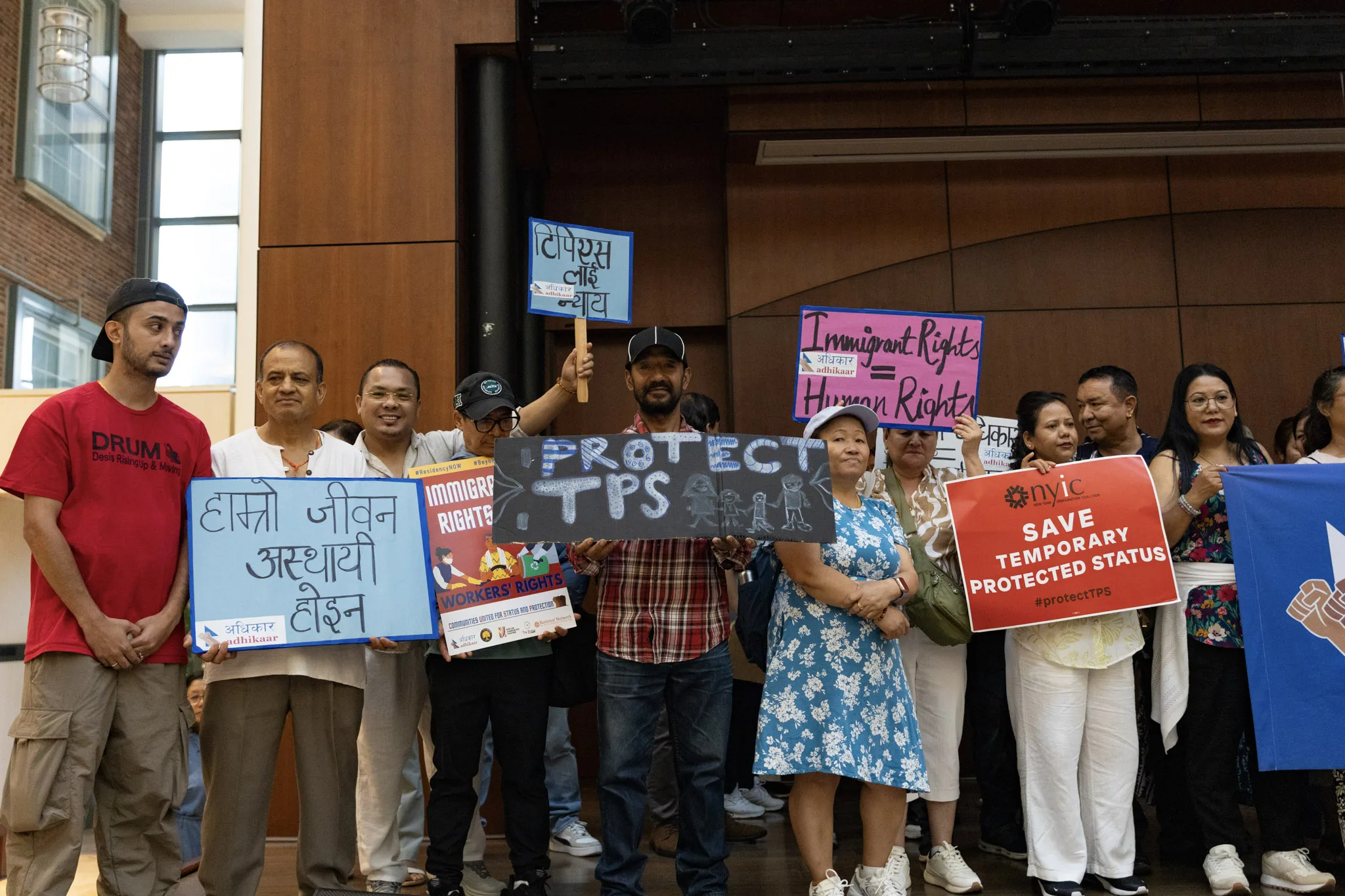
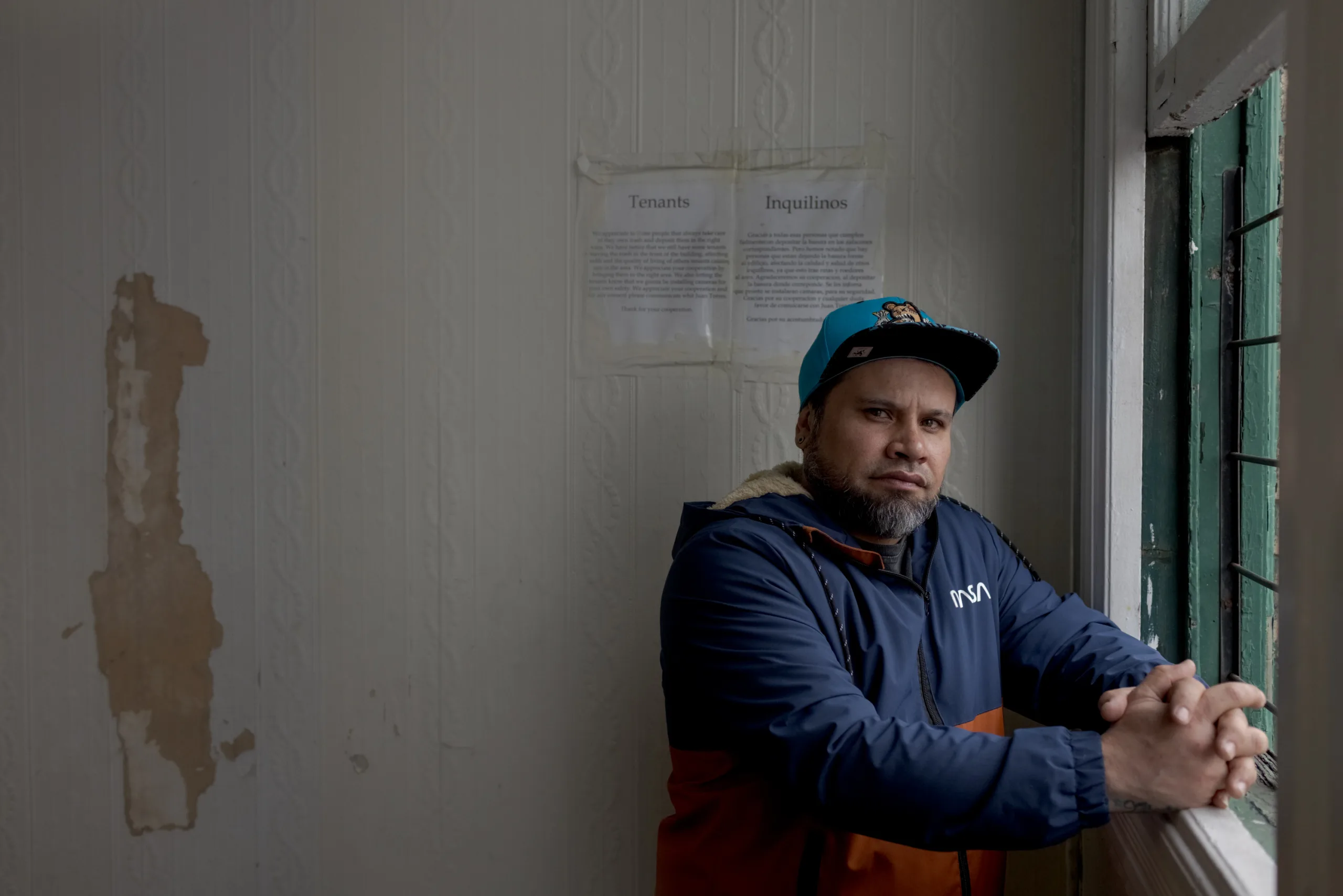
“[Trump] said he would lower the price of many things. No, to the contrary, everything is more expensive. Rent, all of it. He said he would do it. I don’t see anything.”
— Cuamani, 55, Mexican resident and barber in Jackson Heights, Queens
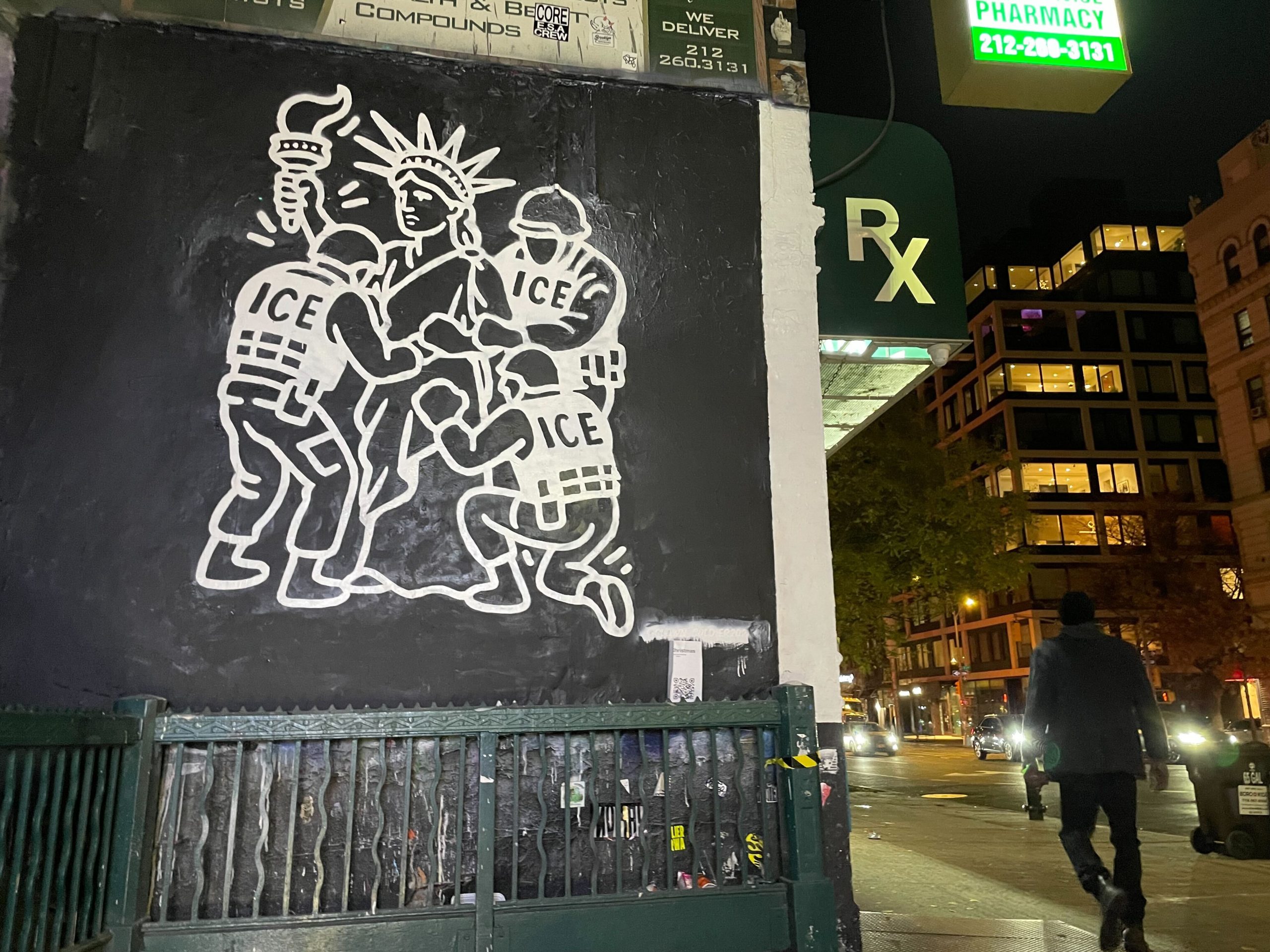
“I’m always afraid for my parents. I’m always checking up on them, where they are, ‘cause you never know when ICE could take them or something. And they’re not just targeting criminals. I wish they were going for the criminals, but unfortunately they’re targeting everyone right now.”
— Melissa Flores, 28, Jackson Heights, Queens
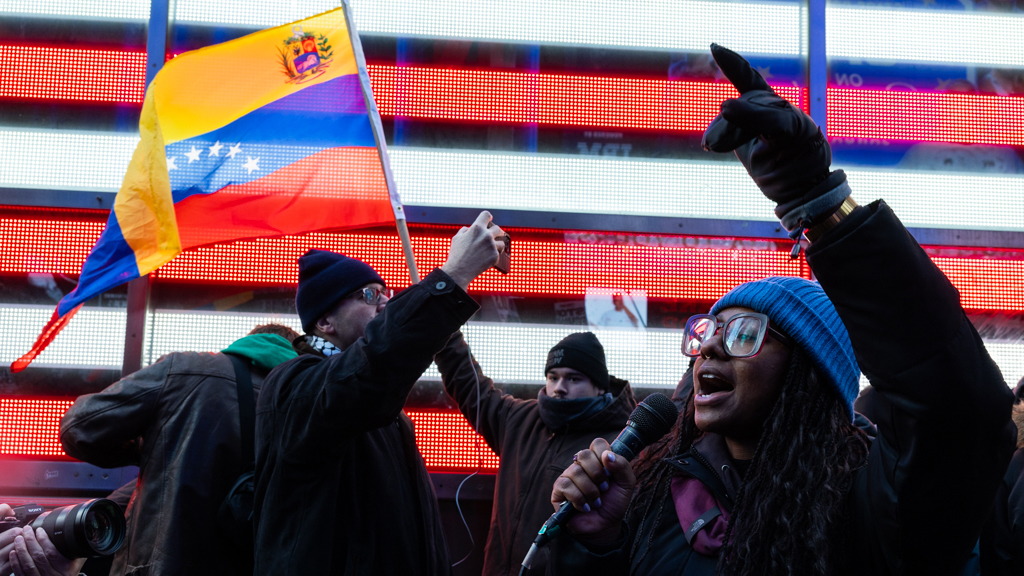
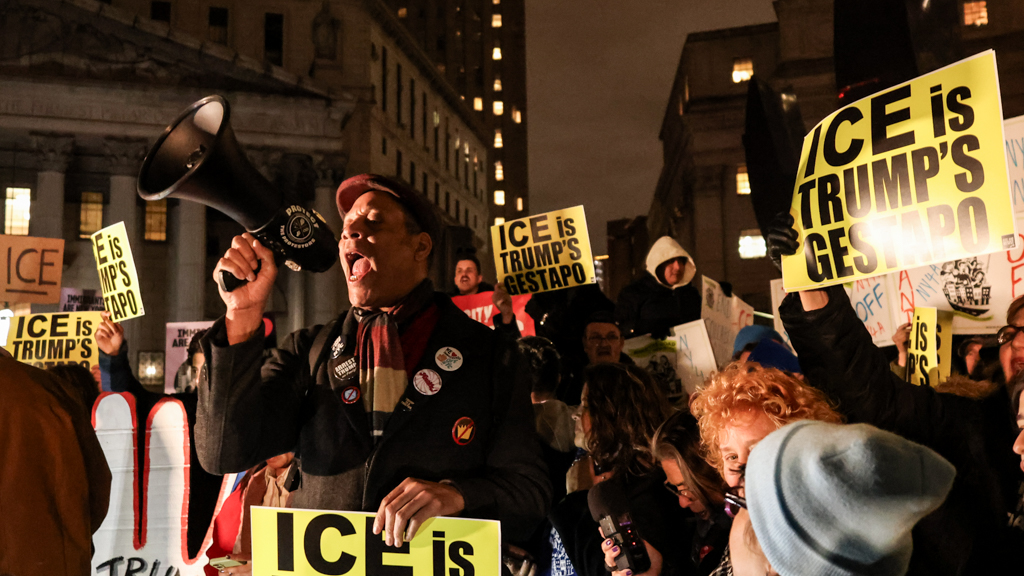
“This [is] worse than the pandemic, without being able to go out with our children. With fear of taking them to school, to the doctor, and other school activities. It is tough to feel trapped. I have to send my eldest son to buy groceries, pick up my other children from school.
— IP, Long Island resident
Sometimes we don’t even want to go out to work. It is tough. But we have faith in God that this will all come to an end.”
Reporting for this story was provided by Documented’s April Xu, Eileen Grench, Rommel H. Ojeda, and Denia Perez. Follow our coverage this week as we continue to report on Trump’s first year in office, and how federal policy has impacted the lives and livelihoods of New York’s immigrant communities.


