



If you’re just starting out as a delivery worker in New York City, especially if you’re staying in a shelter or don’t have a place to store an electric bike, renting one may be your first option.
But, delivery workers may be taken advantage of by rental companies that hide unfair rules in contracts, charge too much, or blame you when something goes wrong. This guide is here to help you understand your rights and avoid those traps.
The types of e-bikes that are legal in NYC
Before you rent a bike, make sure it’s legal to ride for delivery in New York City. There are three types of e-bikes that are allowed:

- Class 1 e-bikes: These bikes only help you when you pedal, and go up to 20 miles per hour.
- Class 2 e-bikes: These have a throttle (you don’t need to pedal), and also go up to 20 mph.
- Class 3 e-bikes: These are also throttle-powered, but go up to 25 mph. Many deliveristas use Class 3 bikes.
You should avoid gas-powered bikes, scooters, or fast mopeds unless they are properly registered with the DMV. Registered mopeds will have both a license plate and a Vehicle Identification Number (VIN), and you need a valid driver’s license to operate them. If you are caught riding one without proper registration or licensing, the police may confiscate the vehicle and issue you a fine.
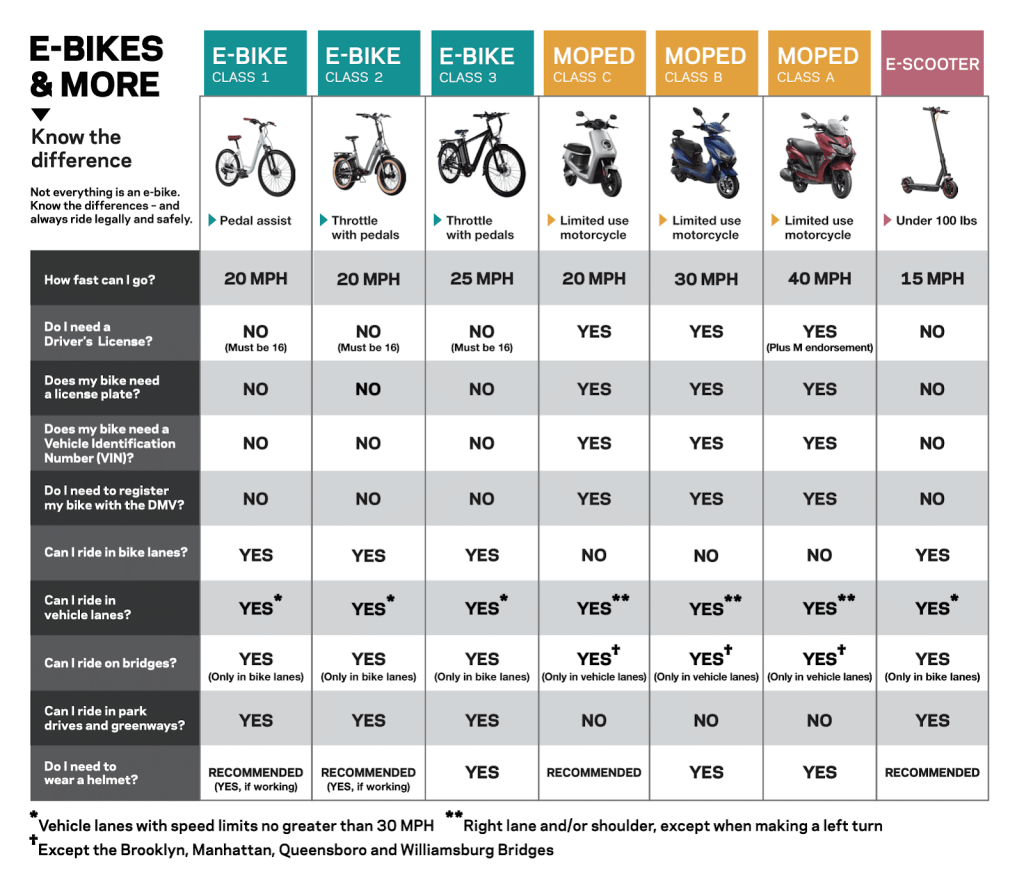
Don’t be afraid to ask the rental shop, “Is this bike legal for delivery in NYC?” A good shop will answer you clearly and respectfully.
Also Read: Electric Bikes and Mopeds in NYC: What’s Legal and What Isn’t
How to find a rental company that treats you fairly
A trustworthy shop will take time to walk you through the rental agreement, answer your questions, and offer helpful services — like bike maintenance, battery swaps, and theft protection.
We interviewed several deliveristas from Afrikana, a non-profit community organization that supports migrants, about their experiences renting e-bikes and the advice they would share with others. According to them, the most reliable shops are usually discovered through word of mouth, whether mentioned in WhatsApp groups or picked up in conversations with fellow riders on the street.
Even if the contract isn’t in your language, a good shop will still take the time to explain the terms clearly instead of rushing you to sign. If needed, use tools like Google Translate to better understand the agreement.
Be on the lookout for red flags. If a shop refuses to give you a contract, demands a large cash deposit upfront, or avoids your questions, take that as a warning.
Always ask how much the weekly rental fee is, whether battery charging or swaps are included, and what the policy is if the bike is damaged or stolen. If the answers don’t sit right with you, it’s perfectly okay to walk away and find another option.
What you’ll pay and what to watch out for
According to the deliveristas from Afrikana, renting an e-bike in NYC usually costs between $60 and $100 each week. That price depends on what kind of bike you’re renting and whether the shop includes services such as battery charging, theft protection, or repairs. Some companies also ask for a security deposit when you first sign up.
Before you agree to anything, ask exactly what’s included. For example, some companies charge extra if you need to swap batteries during the day, or if a part of the bike gets damaged even if it’s not your fault. Ask if repairs are free or if you will have to pay out of pocket. If they don’t give you a clear answer, be cautious.
Try to visit a few different shops and compare prices. If you plan to rent for several weeks, ask if they offer a discount for long-term rentals. And if the price seems high, you can ask if they’re willing to work with you. A fair shop will at least explain the cost breakdown.
Don’t sign a contract you don’t understand
Many shops give out contracts in English and expect you to sign quickly. But if you don’t understand what’s written, you have every right to ask for time and help.
You can take a photo of the contract and show it to someone you trust. That may be a fellow rider, a friend, or a community organization serving immigrants. They can help you read it in your language. It’s okay to say, “I’ll come back after I review this.” A good shop will not punish you for being careful.
If a company tells you, “Just sign here, it’s fine,” without explaining things — that’s a red flag. You deserve to know what you’re agreeing to.
What happens if the bike is stolen?
Stolen bikes are a real concern in NYC, and it’s something every deliverista thinks about. In the past, some companies made riders pay thousands of dollars if their bike was stolen, even if it was locked properly.
Some Afrikana deliveristas told us that many rental shops now put GPS trackers on their e-bikes. This helps because if a bike gets stolen, the company can usually find it quickly. Most of the time, they won’t blame you and charge you, as long as you locked the bike and reported the theft right away. Some shops will even give you another bike the same day, so you can keep working. However, if it happens too frequently, the company may start to worry and could block your account from renting again.
When you rent, ask if the bike has a GPS. Ask what their policy is if the bike gets stolen. And as an extra safety step, it’s smart to take a photo of your locked bike every time you leave it.
What if the bike breaks down?
Bikes wear out, especially when you ride them every day for hours. A good rental shop should be ready to help if your bike breaks down. Before you leave with your rental, take a good look at the bike. Check the tires, the brakes, the battery, and the lights. Take a few photos of the bike, just in case something’s already damaged.
Ask if maintenance and repairs are included in your weekly fee. If something breaks while you’re on the job, will they fix it? Will they give you a replacement bike? These are things you want to know before they become a problem.
Help for delivery workers
Organizations like Los Deliveristas Unidos and Afrikana are made to help delivery workers who are new to the country. They fight for fair pay, safe equipment, and respectful treatment. They can help you read contracts, solve disputes, and connect you to other workers in your language.
There are also WhatsApp and Facebook groups where riders share tips, warnings, and trustworthy companies. Asking another rider for advice is always a good move. Stay safe!


